
Responsible waste management on Kilimanjaro, guided by Leave No Trace principles, involves meticulously packing out everything you pack in, properly disposing of human waste, and minimizing your environmental impact throughout your trek, ensuring the mountain’s delicate ecosystem remains intact for climbs in 2026 and 2027.
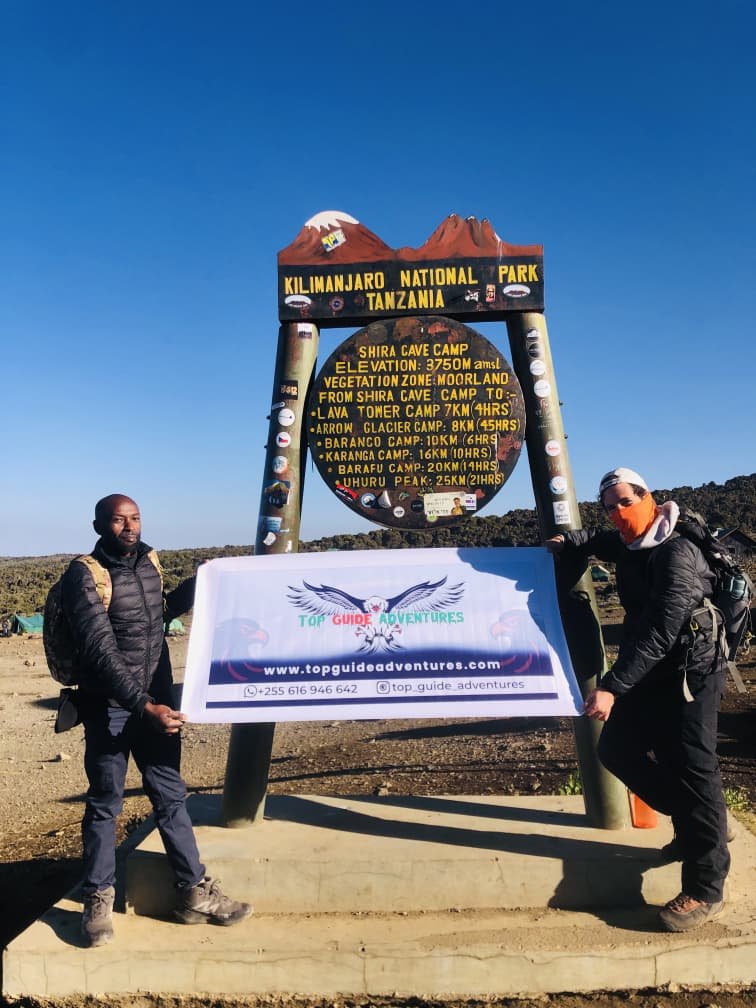
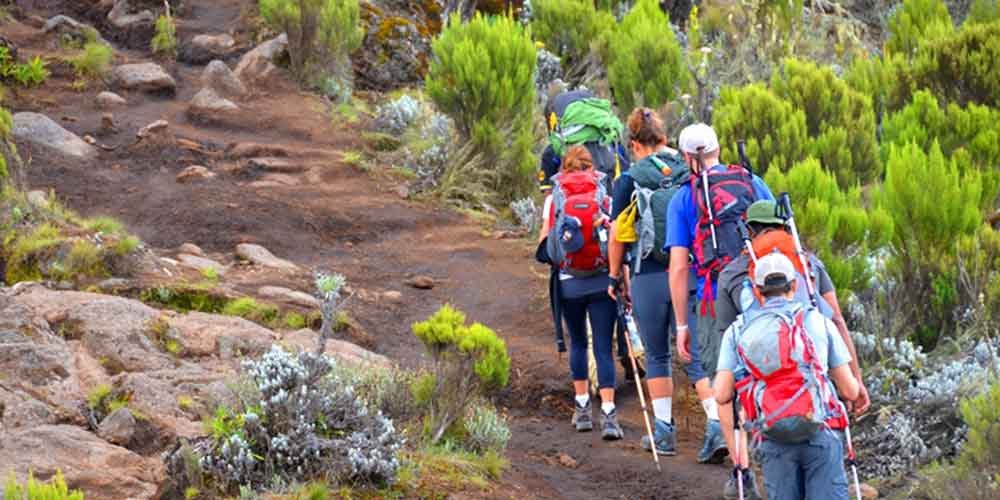
Climbing Mount Kilimanjaro is a dream for many, a journey to the Roof of Africa that offers unparalleled views and a profound sense of accomplishment. As more adventurers set their sights on this iconic peak, particularly with plans for 2026 and 2027, the importance of preserving its natural beauty becomes paramount. Responsible waste management isn’t just a good idea; it’s a critical component of sustainable mountain climbing. At TOP GUIDE ADVENTURES, we are committed to ensuring our clients understand and practice these principles, safeguarding Kilimanjaro National Park for generations to come.
The Importance of Leave No Trace on Kilimanjaro
Kilimanjaro National Park is a UNESCO World Heritage site, home to diverse ecosystems ranging from lush rainforests to alpine deserts and arctic summit zones. This unique environment is fragile and susceptible to the impacts of human activity. The principle of ‘Leave No Trace’ (LNT) provides a framework for minimizing our footprint. For Kilimanjaro, this means actively managing waste to prevent pollution, protect wildlife, and maintain the aesthetic beauty of the mountain. Without diligent waste management, trails can become littered, water sources contaminated, and the overall climbing experience degraded. Our goal, especially as we look towards 2026 and 2027, is to ensure every climber contributes positively to the mountain’s preservation.
Pre-Trek Planning: Reducing Waste Before You Start
The most effective waste management begins long before you set foot on the mountain. Proactive planning can significantly reduce the amount of waste you generate. Consider these strategies:
- Choose Reusable Items: Opt for reusable water bottles, coffee cups, and food containers instead of single-use plastics. Bring a durable, refillable water bladder system.
- Repackage Food: Remove excess packaging from food items. Transfer dried fruits, nuts, or snacks into small, reusable zip-lock bags or containers. This reduces bulk and eliminates unnecessary wrappers.
- Minimize Toiletries: Pack travel-sized biodegradable toiletries. Avoid excessive packaging on personal items.
- Select Sustainable Gear: When purchasing or renting gear, consider durable, long-lasting items. If renting in Moshi, ask about the condition and maintenance of equipment.
- Understand Your Package: Clarify what your tour operator provides. Some packages might include disposable items that could be avoided. For example, understand how meals are prepared and what packaging is involved. Comparing package inclusions is key to understanding potential waste streams.
By focusing on reduction at the source, you’ll have less to manage on the mountain, making your trek more enjoyable and environmentally sound for 2026-2027 expeditions.
Managing Solid Waste: Pack It In, Pack It Out
This is the cornerstone of LNT on Kilimanjaro. Everything that comes up the mountain with you must go back down. This includes food scraps, wrappers, packaging, batteries, and any other non-biodegradable items.
- Dedicated Waste Bags: Bring sturdy, waterproof bags specifically for trash. We recommend bringing at least two: one for general waste and another for recyclables if possible (though recycling facilities on the mountain are non-existent). A good system is to have a “day bag” for immediate trash and a larger bag for accumulating waste.
- Food Scraps: Even organic waste like fruit peels and vegetable scraps should be packed out. While they might seem biodegradable, they can take a long time to decompose at high altitudes and can attract animals, disrupting their natural behavior.
- Non-Biodegradable Items: Plastic wrappers, foil, batteries, and any non-organic materials must be collected and carried down.
- Crew Responsibility: Your guides and porters are trained to help manage waste, but ultimately, the responsibility lies with the climber. Ensure your personal waste is collected and handed over to the crew for proper disposal at the end of the trek.
- No Burning or Burying: Never burn trash or bury it. These methods are ineffective at high altitudes, can pollute the air and soil, and may leave visible traces.
For climbers planning their 2026 or 2027 ascent, making a habit of collecting all waste, no matter how small, is essential. This meticulous approach ensures Kilimanjaro remains pristine.
Human Waste Management: Strategies and Best Practices
Human waste poses a significant challenge on popular trekking routes. Proper management is vital to prevent water contamination and the spread of disease.
- Portable Toilets: TOP GUIDE ADVENTURES provides portable toilets for our clients on Kilimanjaro treks. These are essential for maintaining hygiene and preventing widespread contamination of campsites and trails. Our crew sets up and manages these toilets, ensuring they are used correctly.
- Toilet Paper: Use toilet paper sparingly and always pack it out in your designated waste bags. Never leave it behind, even in designated toilet areas.
- Biodegradable Wipes: If you use biodegradable wipes, ensure they are truly biodegradable and pack them out with your solid waste. Many “biodegradable” wipes do not break down quickly enough in mountain environments.
- Urine: While urine is generally less harmful than solid waste, it’s best to avoid urinating directly near water sources or on vegetation. In areas without designated toilets, urinate on rocks or mineral soil at least 200 feet (about 70 adult steps) away from water, trails, and campsites.
- Disposal of Waste from Toilets: Our crew is responsible for packing out the waste collected in portable toilets. This ensures that waste is properly disposed of in designated facilities at lower altitudes, adhering to park regulations and environmental best practices.
Understanding the nuances of human waste management, especially for female climbers, is also important. For detailed advice on this, please refer to our guide on Feminine Hygiene During Kilimanjaro Climb.
Wastewater and Greywater: Keeping Water Sources Clean
Greywater includes water used for washing hands, dishes, and personal hygiene. While not as hazardous as human waste, improper disposal can still impact the environment.
- Dishwashing: All dishwashing should be done at least 200 feet away from water sources. Use minimal biodegradable soap, and strain food scraps from the dishwater before discarding the water.
- Personal Hygiene: Use biodegradable soap and very little of it. Wash yourself at least 200 feet from streams or lakes. Consider using wet wipes (packed out afterwards) for a more water-efficient clean.
- Water Sources: Never wash directly in streams or lakes. The soaps and residues can harm aquatic life and contaminate drinking water for others downstream.
- Crew Practices: Our trekking crews are trained to manage greywater responsibly, ensuring that water is disposed of away from sensitive areas and water sources.
Maintaining the purity of Kilimanjaro’s water sources is crucial for both the ecosystem and the health of climbers and local communities. This practice is non-negotiable for any responsible trek in 2026-2027.
Minimizing Impact on Wildlife and Vegetation
Beyond waste, responsible climbing means respecting the natural habitat of Kilimanjaro’s flora and fauna.
- Stay on Trails: Stick to designated paths to avoid trampling delicate vegetation and causing erosion. This is especially important in the moorland and alpine desert zones.
- Do Not Feed Wildlife: Feeding animals, even small rodents or birds, can disrupt their natural diet and behavior, making them dependent on humans and potentially aggressive.
- Respect Vegetation: Do not pick flowers, break branches, or disturb plants. They are part of the unique Kilimanjaro ecosystem.
- Noise Levels: Keep noise levels down to avoid disturbing wildlife and other trekkers.
- Camp Etiquette: Camp only in designated campsites. Ensure your camp is left as you found it, or cleaner.
Adhering to these guidelines helps maintain the natural beauty and ecological balance of Kilimanjaro, making the experience richer for everyone. This is a core tenet of responsible adventure travel for 2026 and 2027.
Our Commitment: TOP GUIDE ADVENTURES’ Role in Sustainability
As a local operator based in Moshi, TOP GUIDE ADVENTURES takes its responsibility for Kilimanjaro’s environment very seriously. We believe in leading by example and educating our clients.
- Crew Training: Our guides and porters receive regular training on Leave No Trace principles, waste management protocols, and environmental conservation. They are equipped to guide clients on best practices and to manage waste collection effectively.
- Provision of Facilities: We provide portable toilets for all our Kilimanjaro climbs, ensuring proper human waste management.
- Waste Collection: We have established procedures for collecting all waste generated by our groups and ensuring it is transported down the mountain for appropriate disposal.
- Partnerships: We work closely with Kilimanjaro National Park authorities to adhere to all regulations and conservation guidelines. We understand the importance of Kilimanjaro National Park Conservation Fees, which directly support park maintenance and conservation efforts.
- Education: We educate our clients through pre-trek briefings and on-trail guidance about responsible practices, including waste management.
We are committed to providing a sustainable and environmentally conscious climbing experience for all our guests planning a trek for 2026-2027.
Booking Your Responsible Kilimanjaro Adventure for 2026-2027
Choosing a responsible tour operator is the first step towards a sustainable Kilimanjaro climb. TOP GUIDE ADVENTURES is dedicated to upholding the highest standards of environmental stewardship while providing an exceptional trekking experience. When you book with us, you’re choosing a partner committed to preserving Kilimanjaro’s natural heritage.
We offer various trekking packages, from 8 Day Kilimanjaro Group Join Friendly Climbs to private expeditions, all managed with a focus on safety and sustainability. Our team provides expert guidance, practical advice, and comprehensive support from arrival in Tanzania through your departure. We ensure you have the necessary information on gear, acclimatization, and, crucially, responsible waste management for your 2026-2027 adventure.
Ready to plan your climb with a clear conscience? Contact us to discuss your Kilimanjaro trek and learn more about our commitment to responsible tourism. Let’s make your dream of reaching Uhuru Peak a reality, while ensuring the mountain remains pristine for future adventurers.
For inquiries or to book your sustainable Kilimanjaro trek for 2026 or 2027, please reach out to us:
WhatsApp: +255 616 946 642
Email: topguideadventures@gmail.com
Let’s ensure your Kilimanjaro journey is not just an achievement, but also a testament to responsible adventure.
Check Availability for Responsible Waste Management On Kilimanjaro – Leave No Trace And Sustainable
Ready to compare dates, prices, and the best option for your group? Send the package name and travel month so the team can reply with a clear quote, availability, and what is included.

Lake Jipe Fishing Experience: Bird Watching & Kilimanjaro Region Day Trip
Discover the serene beauty of Lake Jipe with a unique day trip focused on fishing, bird watching, and the impressive Kilimanjaro Region landscape. This experience offers a peaceful escape...
View package details
Best Affordable Hotel In Arusha – Budget Accommodation Before Safari And
Best Affordable Hotel in Arusha – Budget Accommodation Before Safari and Kilimanjaro is explained with current 2026-2027 planning, price, itinerary and.
View package detailsMost Beautiful Mountains In The World: Premier Hiking And Trekking
This comprehensive guide explores the world's most stunning mountain ranges, focusing on their appeal for hikers and trekkers. It details iconic peaks, diverse terrains, and the unique...
View package detailsSahara Desert Expedition Journeys: Camel Trekking, Camps, And Adventure Tours
Discover the allure of Sahara Desert expedition journeys, from the iconic camel trek to in-depth desert camp stays and the spirit of adventure that defines these unique experiences.
View package details
Rubondo Island National Park Prices In Tanzania – Safari Fees, Chimpanzee
Understanding Rubondo Island National Park prices is key to planning your Tanzanian adventure. Costs vary based on accommodation, activities like chimpanzee trekking, and safari duration...
View package detailsNo closely related package is available yet for this topic.



