
The cost of a Serengeti Great Migration safari in 2026-2027 typically ranges from $2,500 to $7,000+ per person for a 7-day trip, heavily influenced by accommodation style, private versus group tours, and the specific timing and location of the migration. An itinerary is crucial for maximizing wildlife viewing, with routes often dictated by the wildebeest and zebra herds’ movements across the Serengeti plains and into the Masai Mara.
Understanding Serengeti Great Migration Safari Costs
Embarking on a Serengeti Great Migration safari is a bucket-list experience, but understanding the associated costs is paramount for effective planning. While exact figures can fluctuate, a realistic budget for a 7-day Great Migration safari in 2026 or 2027 generally falls between $2,500 and $7,000+ per person. This range reflects a spectrum of travel styles, from more budget-conscious group tours to luxurious private expeditions. It’s essential to remember that this is not just about the price tag; it’s about the value, the quality of guiding, the accommodation standards, and the overall experience you receive. The Serengeti’s vastness and the dynamic nature of the migration mean that itineraries and costs are intrinsically linked to achieving optimal wildlife viewing.
Key Factors Influencing Your Safari Price
Several critical elements dictate the final price of your Serengeti Great Migration safari. Understanding these will help you tailor your trip to your budget and expectations for 2026-2027.
- Duration of Safari: Longer safaris naturally cost more due to increased accommodation, vehicle hire, guide fees, and park entry costs. A 5-day trip will be significantly less than a 10-day exploration.
- Accommodation Level: This is perhaps the most significant cost differentiator. Options range from basic tented camps and budget lodges to luxurious permanent lodges and exclusive tented camps. Each tier offers a different level of comfort, amenities, and service, directly impacting the price.
- Type of Safari (Private vs. Group): Private safaris offer exclusivity and flexibility but come at a higher per-person cost. Group joining safaris, often with fixed departure dates, are more economical as costs are shared among travelers.
- Time of Year: The peak migration season, particularly when the herds are crossing rivers like the Grumeti or Mara, commands higher prices due to increased demand. Traveling during the shoulder seasons or when the migration is in a less dramatic phase can offer cost savings. For 2026-2027, aim to book early for peak times.
- Park Fees: Entry fees for Serengeti National Park and other associated conservancies are substantial and are typically included in tour packages. These fees are set by the Tanzanian government and can change.
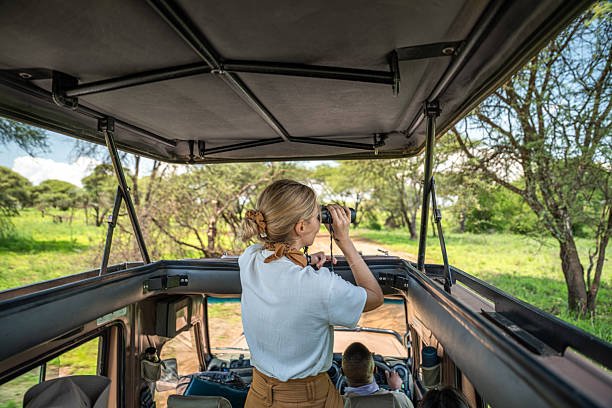
- Vehicle Type: While most standard safaris use 4×4 Land Cruisers, specialized vehicles or those with pop-top roofs for better photography might incur additional costs.
- Included Activities: Some safaris might include optional activities like hot air balloon rides, which significantly increase the overall cost.
What’s Typically Included in Your Safari Package
A well-organized Great Migration safari package should provide a comprehensive experience, allowing you to focus on the wildlife. While specific inclusions can vary between operators and the chosen safari level, common components include:
- Accommodation: Nights spent in lodges, tented camps, or permanent camps as per your itinerary. This usually includes meals (breakfast, lunch, and dinner).
- Park Entrance Fees: Daily conservation and entry fees for Serengeti National Park and any other parks visited (e.g., Tarangire, Ngorongoro Crater).
- Game Drives: Daily excursions in a 4×4 safari vehicle with a qualified, English-speaking driver-guide.
- Vehicle and Fuel: Use of a dedicated 4×4 safari vehicle with fuel for all scheduled game drives.
- Meals: All meals as specified in the itinerary, typically full board (breakfast, lunch, dinner) while on safari.
- Water: Bottled drinking water provided in the safari vehicle during game drives.
- Transfers: Airport transfers to and from your starting point (usually Arusha or Kilimanjaro International Airport).
It is crucial to confirm what is explicitly included and excluded. Common exclusions might be international flights, visa fees, travel insurance, personal expenses (souvenirs, laundry), tips for guides and staff, and optional activities like hot air balloon safaris. For 2026-2027 trips, clarify these details when requesting a quote.
Crafting Your Ideal Great Migration Itinerary
The Serengeti Great Migration is a year-round phenomenon, but the herds are constantly moving. An effective itinerary is designed to place you in the right location at the right time to witness specific stages of the migration. This is where local expertise is invaluable for 2026-2027 planning.
The Migration’s Annual Cycle: A General Guide
- December – March: Southern Serengeti & Ndutu Area
Calving season. Vast herds graze on the short-grass plains, offering excellent predator-prey action. Ideal for photography with the herds spread out. - April – May: The ‘Green Season’ & Central Serengeti
The herds begin their northward movement. This is the ‘long rains’ period, and many camps close. Fewer crowds and lower prices, but weather can be unpredictable. - June – July: Western Corridor & Grumeti River
Wildebeest and zebra move towards the western and northern parts of the Serengeti. The Grumeti River crossing can be a spectacular, though not guaranteed, event. - August – October: Northern Serengeti & Mara River
This is often considered the prime time for witnessing the dramatic river crossings of the Mara River into the Masai Mara (Kenya). This is a high-demand period with peak prices. - November: Eastern Serengeti & Loita Plains
The herds begin to move south again, often driven by the ‘short rains,’ heading back towards the southern plains.
A typical 7-day Great Migration safari might focus on one or two key areas. For example, a 7-day itinerary could spend 3-4 days in the Northern Serengeti during the Mara River crossing season (August-October) and then move south to explore the central Serengeti for general game viewing. Alternatively, a trip in early 2027 might focus on the Southern Serengeti for calving season. Your itinerary should align with the migration’s predicted path for your travel dates in 2026-2027.
Timing Your Migration Safari: 2026-2027 Considerations
Choosing the right time of year is crucial for experiencing the Great Migration. While the Serengeti offers incredible wildlife viewing year-round, seeing the migration itself is a matter of timing and location.
- Peak Season (July – October): This period often coincides with the dramatic river crossings in the Northern Serengeti. Expect higher prices and more crowds, but the spectacle can be unparalleled. Booking well in advance for 2026-2027 is essential.
- Shoulder Seasons (June, November): These months can offer a good balance of migration activity and fewer tourists, potentially with slightly lower prices. The weather is generally good, though the exact location of the herds can be less predictable.
- Low Season (March – May): Known as the ‘green season’ or ‘long rains,’ this period sees fewer visitors and lower costs. While the migration is in the south, the focus shifts to calving and predator activity. The rains can impact road conditions, and some camps may close.
For those specifically targeting river crossings in 2026 or 2027, aiming for August to October in the Northern Serengeti is generally recommended. However, it’s vital to understand that these crossings are natural events and cannot be guaranteed. Your tour operator will use their experience and up-to-date information to position you for the best possible viewing opportunities. For the latest advice on the best time for Serengeti safari and the Great Migration, consult with local experts.
Accommodation Choices and Their Impact on Cost
Your choice of accommodation significantly impacts the overall cost of your Serengeti Great Migration safari. The spectrum ranges from rustic to opulent, each offering a distinct experience.
- Budget Tented Camps: Often located slightly outside prime migration areas or conservancies. They offer basic but comfortable canvas tents with shared or en-suite bathrooms. These are ideal for travelers on a tighter budget or those prioritizing an authentic wilderness feel.
- Mid-Range Lodges and Tented Camps: These offer more comfortable amenities, often with en-suite bathrooms, hot showers, and good dining facilities. They might be permanent structures or well-appointed mobile camps that move with the migration. This category provides a good balance of comfort and value, making them popular for Tanzania mid-range safari packages.
- Luxury Lodges and Exclusive Tented Camps: These are the pinnacle of safari accommodation, offering spacious suites, private plunge pools, gourmet dining, exceptional service, and prime locations often within private conservancies or prime migration hotspots. These are for those seeking the ultimate comfort and exclusivity.
- Mobile Camps: These are temporary camps that are set up and dismantled to follow the migration. They offer a unique, intimate experience and are often positioned in remote, exclusive areas. Their seasonal nature and prime locations can influence pricing.
When planning for 2026-2027, consider that lodges and camps in the Northern Serengeti during peak migration season will command the highest rates. Conversely, options in the Southern Serengeti during the green season might be more affordable. Always factor in the proximity to migration hotspots when evaluating accommodation choices; a slightly more expensive camp in the heart of the action can be more valuable than a cheaper one far from the herds.
Private vs. Group Safaris: Which is Right for You?
The decision between a private safari and a group joining safari is a significant one, impacting both your experience and your budget for a 2026-2027 trip.
Private Safaris
Pros:
- Flexibility: You dictate the pace, schedule, and time spent at sightings.
- Exclusivity: Your vehicle and guide are dedicated solely to your group.
- Customization: Itineraries can be tailored precisely to your interests.
- Privacy: Ideal for families, couples, or groups of friends seeking a personal experience.
Cons:
- Higher Cost: Per-person rates are significantly higher as you bear the full cost of the vehicle, guide, and driver.
- Requires Group Coordination: Best suited for pre-formed groups or solo travelers willing to pay a premium.
Group Joining Safaris
Pros:
- Cost-Effective: Sharing costs with other travelers makes it the most budget-friendly option, perfect for Tanzania budget safaris.
- Social Interaction: Opportunity to meet like-minded travelers from around the world.
- Fixed Departures: Easy to book for solo travelers or couples looking for set dates. See group departure dates.
Cons:
- Less Flexibility: You adhere to a set itinerary and departure schedule.
- Shared Vehicle: You’ll share the vehicle and sightings with other group members.
- Limited Customization: Itinerary adjustments are usually not possible.
For solo travelers looking to experience the Great Migration in 2026-2027 without breaking the bank, Tanzania safari for solo travelers via group joining tours is an excellent choice. If budget allows and you value privacy and flexibility, a private safari offers a more personalized adventure.
Budgeting for Extras and Tipping
Beyond the core safari package cost, it’s wise to budget for additional expenses that can arise during your 2026-2027 trip. These are often overlooked but contribute to the overall financial picture.
- Tips: Tipping is customary in Tanzania for safari guides, camp staff, and porters (if trekking). A general guideline for a 7-day safari might be:
- Driver-Guide: $20-$30 per day per group.
- Camp Staff: $10-$15 per day per person.
It’s best to tip at the end of your safari, usually in USD cash. Your tour operator can provide more specific guidance.
- Drinks: While water is usually provided, other beverages (sodas, alcoholic drinks) at lodges and camps are typically extra.
- Optional Activities: Hot air balloon safaris over the Serengeti are a spectacular but costly addition, often ranging from $500 to $600 per person. Other optional activities might include guided bush walks or cultural visits.
- Souvenirs: If you plan to purchase local crafts or gifts, set aside a budget for this.
- Visa Fees: Ensure you have accounted for the cost of your Tanzanian visa, which can be obtained online or upon arrival.
- Travel Insurance: Comprehensive travel insurance is highly recommended and should be factored into your budget.
Understanding these potential additional costs will help you avoid surprises and ensure you can fully enjoy your Great Migration safari experience in 2026 or 2027.
Booking Your 2026-2027 Serengeti Great Migration Safari
Securing your Serengeti Great Migration safari for 2026-2027 requires careful planning and early booking, especially if you aim for peak season or specific lodges. Top Guide Adventures specializes in crafting personalized itineraries and managing all logistical aspects of your Tanzanian adventure.
When you’re ready to plan, consider sending us the following details:
- Your preferred travel dates or month for 2026 or 2027.
- The approximate number of travelers in your group.
- Your desired safari style (e.g., budget, mid-range, luxury, private, group joining).
- Any specific interests (e.g., photography, birdwatching, specific migration events).
- Your starting point (e.g., Arusha, Zanzibar).
We will work with you to design an itinerary that maximizes your chances of witnessing the Great Migration, considering the animal movements and your budget. Our team provides expert local coordination from arrival, practical route advice, and responsive booking support to ensure a smooth and unforgettable safari. Don’t hesitate to reach out for a personalized quote or to discuss your dream trip.
Contact us today via WhatsApp +255 616 946 642 or Email topguideadventures@gmail.com to start planning your 2026-2027 Serengeti Great Migration adventure.
Check Availability for Serengeti Great Migration Safari Cost And Itinerary : Your Expert Guide
Ready to compare dates, prices, and the best option for your group? Send the package name and travel month so the team can reply with a clear quote, availability, and what is included.

Great Serengeti Migration Safaris In Tanzania: Best Routes, Seasons &
Discover the magic of the Great Serengeti Migration with Top Guide Adventures. This guide covers the best routes, optimal seasons for wildlife viewing, and essential planning tips for your...
View package details
Best 5 Day Private Safari Tour From Mwanza: Serengeti & Western Tanzania
start an unforgettable 5-day private safari adventure starting from Mwanza, Tanzania. This expertly crafted itinerary blends the iconic wildlife viewing of the Serengeti with the distinct...
View package details
Serengeti Safari From Mwanza: Best Route For Western Tanzania & 2026-2027
Discover the optimal routes for a Serengeti safari starting from Mwanza, focusing on the unique experiences offered by Western Tanzania and the Western Serengeti. This guide provides...
View package details
Tanzania Classic Wildlife Safaris: Serengeti, Ngorongoro, Tarangire & Manyara
start an unforgettable Tanzania classic wildlife safari covering the iconic parks of Serengeti, Ngorongoro Crater, Tarangire, and Lake Manyara. These tours are designed to showcase the best...
View package details
How To Visit Southern Serengeti For Calving Season – Ndutu Safari, Timing And
Visiting the Southern Serengeti during the calving season in Ndutu offers an unparalleled wildlife spectacle. This guide details the optimal timing, essential logistics, and what to...
View package details
Migration Wildlife Hotspots – Best Places To See The Great In Tanzania
Witnessing the Great Migration in Tanzania is a bucket-list safari experience. This natural phenomenon sees millions of wildebeest, zebras, and antelopes traverse the plains in search of...
View package detailsHow Much Does A Hadzabe Tribe Tour Cost? Lake Eyasi Prices And Cultural
Planning a trip to interact with the Hadzabe people? This guide breaks down the typical costs for Hadzabe tribe tours around Lake Eyasi, detailing what influences prices, what’s usually...
View package details
Hadzabe Tribe Visit Cost, Hunting, Food, History And Location – Lake Eyasi
Hadzabe Tribe Visit Cost, Hunting, Food, History and Location – Lake Eyasi Cultural Safari is explained with current 2026-2027 planning, price, itinerary and.
View package detailsAfrica Tours & Travel, All Safari Booking In Tanzania 2026-2027
Africa Tours & Travel, All Safari Booking in Tanzania is explained with current 2026-2027 planning, price, itinerary and booking information.
View package detailsTop Car Brands Known For Reliability – Best Vehicles Road Trips, Safari
Top Car Brands Known for Reliability – Best Vehicles for Road Trips, Safari and Adventure Travel is explained with current 2026-2027 planning, price.
View package detailsMost Beautiful Countries In The World: Safari, Nature, And Adventure Travel
This guide explores the most beautiful countries globally, focusing on destinations that offer unparalleled opportunities for safari, nature immersion, and adventurous pursuits. From the...
View package detailsThe Worlds Richest Billionaires: Their Preferred Luxury Travel Destinations
This article delves into the travel habits and preferred destinations of the world's wealthiest individuals, examining their affinity for private islands, exclusive safari adventures, and...
View package detailsNo closely related package is available yet for this topic.



