
A Tanzania safari in March offers a sweet spot for travelers looking to avoid peak crowds and high season prices, while still experiencing excellent wildlife viewing and generally pleasant weather as the short rainy season concludes.

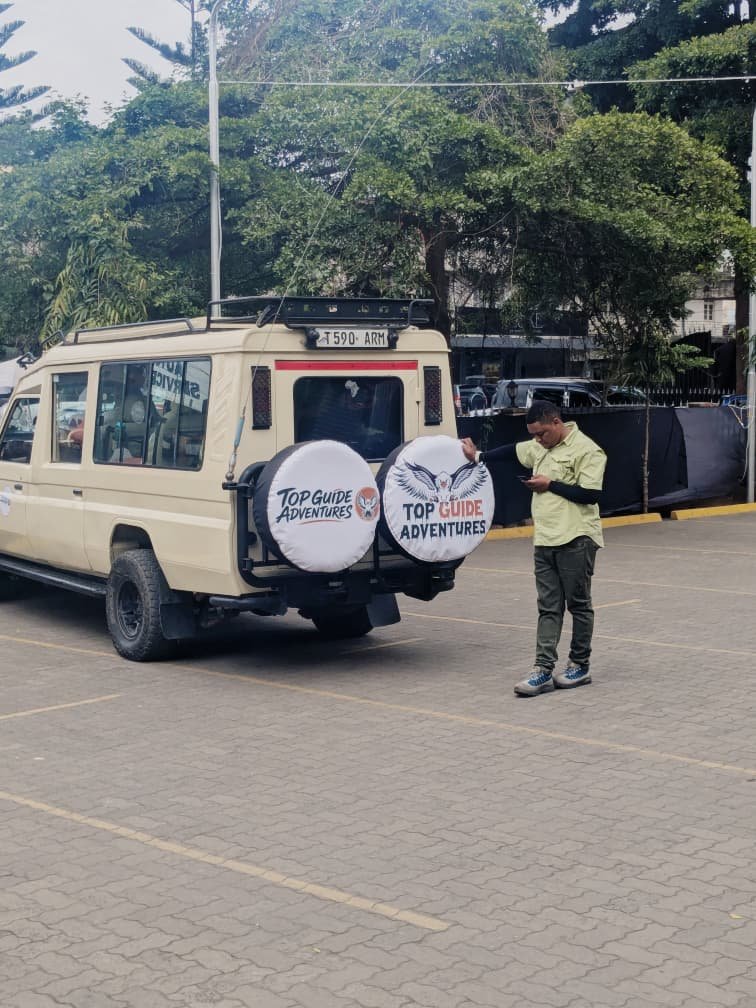

March is a fascinating month to visit Tanzania for a safari. As the short rains (Vuli) typically taper off, the landscape transforms into a lush, green paradise, and the air becomes fresh and clean. This often means fewer tourists than in the dry peak seasons, leading to a more intimate wildlife experience. For those planning their 2026 or 2027 adventure, understanding the specific weather patterns, the best parks to visit, and the types of tour packages available is key to an unforgettable trip.
March Weather in Tanzania: What to Expect
The weather in Tanzania during March is characterized by the tail end of the short rainy season (Vuli) and the transition towards the dry season. While it’s not entirely rain-free, the downpours are typically shorter and less intense than in preceding months like November and December. You can expect warm temperatures across the country, with averages ranging from 20°C to 30°C (68°F to 86°F) depending on the region and altitude.
Northern Circuit (Serengeti, Ngorongoro, Tarangire, Lake Manyara): Expect warm days and cooler evenings. While some localized showers are possible, they usually don’t disrupt game drives for long. The landscape will be vibrantly green, offering beautiful photographic opportunities. Visibility can sometimes be affected by dust after rain, but the general conditions remain excellent for wildlife spotting.
Southern Circuit (Selous/Nyerere, Ruaha): March falls within the rainy season for southern Tanzania. This means higher humidity and a greater chance of rain, which can sometimes make certain areas less accessible. However, the rains bring life to the landscape, and the wildlife is often concentrated around water sources, making for dramatic sightings. The lush vegetation can make spotting some animals more challenging, but it’s a great time for birdwatchers.
Eastern Tanzania (Saadani): Coastal areas like Saadani National Park experience warm, humid weather with a possibility of rain showers. The combination of bush and beach makes it an appealing destination, and the rain at this time can rejuvenate the coastal vegetation.
Trade-offs: The main trade-off for visiting in March is the potential for rain, which could occasionally impact game drive schedules. However, the benefits of fewer crowds and lush scenery often outweigh this for many travelers. For those sensitive to humidity or who prefer guaranteed dry conditions, delaying a safari until the main dry season (June-October) might be preferable.
Wildlife Viewing Opportunities in March
March is a fantastic month for wildlife viewing, particularly in the northern circuit. The receding rains mean that migratory herds, especially wildebeest and zebras, are often found in the southern Serengeti and the Ngorongoro Conservation Area. This is a crucial time as the wildebeest calving season usually occurs from late February to March. Witnessing thousands of newborns taking their first steps is a truly spectacular sight, attracting predators like lions, cheetahs, and hyenas. This makes the southern Serengeti and Ndutu area particularly dynamic for predator-prey interactions.
Big Cats: The Serengeti is renowned for its large populations of lions, cheetahs, and leopards. The greener landscape can sometimes make them harder to spot than in the dry season, but their activity around the calving herds in the south compensates for this. The Ngorongoro Crater, with its dense wildlife population, offers consistent sightings of lions, hyenas, and jackals year-round, and March is no exception.
Birdlife: As resident and migratory birds are abundant, March is a prime month for ornithology enthusiasts. The landscape is alive with avian activity, and the breeding plumage of many species is at its most vibrant.
Other Wildlife: Elephants, giraffes, buffaloes, and various antelopes are present across all major parks. While some animals might disperse as grasses start to dry in certain areas, the availability of water from recent rains keeps most wildlife accessible.
Comparison: Compared to the peak dry season (July-October), March offers a different, yet equally compelling, wildlife experience. While the dry season concentrates animals around limited water sources, March’s calving season and greener landscapes provide unique viewing opportunities, especially for the Great Migration’s dramatic events in the south.
Best National Parks for a March Safari
While Tanzania boasts numerous incredible parks, certain ones truly shine in March. For most visitors, the Northern Circuit remains the top choice due to the spectacular events of the Great Migration and the concentration of wildlife.
Northern Circuit Highlights for March
- Serengeti National Park (especially Southern and Central areas): This is the epicenter of the wildebeest calving season. Expect vast herds in the Seronera Valley and south towards the Ndutu plains. Predator activity is high. For 2026 and 2027, this remains a prime location for witnessing this natural spectacle.
- Ngorongoro Conservation Area: The crater floor is a wildlife haven year-round, and March is no exception. Its rich biodiversity means you can see the Big Five (lion, leopard, elephant, rhino, buffalo) in a single day. The surrounding highlands are also lush and beautiful.
- Tarangire National Park: While known for its large elephant herds during the dry season, Tarangire is also beautiful in March. The park is lush, and game viewing is still good, though elephants might be more dispersed than in drier months.
- Lake Manyara National Park: Famous for its tree-climbing lions and large baboon troops, Lake Manyara offers excellent birdwatching and diverse scenery. The lake itself attracts a variety of waterbirds.
Southern Circuit Considerations: While the south experiences more rain in March, it can be rewarding for those seeking fewer crowds and a wilder experience. Parks like Nyerere National Park (formerly Selous) and Ruaha National Park are vast and offer unique ecosystems. If you choose the south in March, be prepared for potential rain delays, but the rewards can be immense, especially for those interested in elephants, wild dogs, and a less-trodden path. This might suit more adventurous travelers looking for a different perspective on Tanzanian wildlife in 2026-2027.
Eastern Tanzania for Variety: For a unique blend of wildlife and coast, Saadani National Park is an option. It’s one of the few places in East Africa where you can see wildlife on the beach. March can bring rain, but the park remains accessible and offers a different safari experience, especially when combined with a beach holiday.
Choosing Your March Safari Package
When booking a Tanzania safari for March 2026-2027, the type of package you choose will significantly impact your experience and budget. Top Guide Adventures offers a range of options tailored to different traveler preferences.
Safari Accommodation Styles
- Budget Camping Safaris: These offer the most in-depth and adventurous experience, staying in public or special campsites within or near national parks. They are the most affordable option, ideal for budget-conscious travelers or those seeking a raw connection with nature. Expect shared facilities and tents. Top Guide Adventures specializes in comfortable camping setups, ensuring safety and a good experience even on a budget.
- Mid-Range Lodge Safaris: This involves staying in comfortable lodges or tented camps that offer private rooms with en-suite bathrooms, dining areas, and often swimming pools. It strikes a balance between comfort and adventure, suitable for families and couples looking for a bit more luxury without the highest price tag.
- Luxury Safari Packages: For ultimate comfort and exclusivity, luxury safaris feature high-end lodges and tented camps with premium amenities, gourmet dining, and personalized service. Many luxury options include private charter flights for smooth transfers between parks, minimizing travel time. This is perfect for honeymooners or those celebrating special occasions. Private luxury Tanzania safari tours are a popular choice here.
Private vs. Small Group Safaris
- Private Safaris: You have a dedicated vehicle and guide for your group only. This offers maximum flexibility in terms of timing, pace, and route. It’s ideal for couples, families, or friends seeking a personalized experience. Tanzania private safari packages can be customized to your interests, whether it’s photography or specific wildlife encounters.
- Small Group Safaris: These are typically scheduled departures where you join other travelers in a shared vehicle and guide. They are more budget-friendly than private tours and offer a social aspect. Tanzania small group wildlife safari tours are a great way to experience the magic of Tanzania without breaking the bank. Check group departure dates for 2026-2027.
When selecting a package for March 2026-2027, consider your priorities: budget, comfort level, and desire for flexibility. Many packages can be combined, for instance, a Northern Circuit safari followed by a beach holiday in Zanzibar, offering a diverse East African experience.
Planning Your 2026-2027 March Safari
Effective planning is crucial for a successful safari, especially when targeting a specific month like March. Here are key considerations for your 2026 or 2027 trip:
Essential Planning Steps:
- Book in Advance: While March is not peak season, popular lodges and camps, especially in the Serengeti and Ngorongoro, can still fill up. Booking 6-12 months ahead is recommended for the best availability and choice, particularly for 2026-2027.
- Visa Requirements: Ensure you have the necessary visa for Tanzania. This can often be obtained online in advance or upon arrival at the airport. Check the latest requirements from the Tanzanian Immigration Department.
- Vaccinations and Health: Consult your doctor or a travel clinic about recommended vaccinations and malaria precautions for Tanzania. The CDC or WHO are good resources.
- Travel Insurance: Comprehensive travel insurance is essential, covering medical emergencies, trip cancellations, and lost baggage.
- Packing Essentials: Pack light, neutral-colored clothing, a good camera, binoculars, sunscreen, insect repellent, a hat, and comfortable walking shoes. For March, pack layers as mornings and evenings can be cooler. A lightweight waterproof jacket is also advisable.
- Park Fees: Understand that park fees are a significant part of safari costs. These are typically included in package prices but are good to be aware of.
- Connectivity: While some lodges offer Wi-Fi, it can be intermittent. Consider purchasing a local SIM card if you need reliable internet access.
What to Confirm Before Booking:
- Inclusions and Exclusions: Clarify what your tour package covers (accommodation, meals, park fees, guide, vehicle, activities) and what is extra (drinks, tips, personal expenses, optional activities).
- Vehicle Type: Ensure you understand the type of safari vehicle you will be using (e.g., 4×4 Land Cruiser is standard for game viewing).
- Guide Experience: Ask about the qualifications and experience of your guide. Local knowledge is invaluable for spotting wildlife and understanding animal behavior.
- Accommodation Details: Confirm the specific lodges or campsites booked.
- Emergency Procedures: For treks like Kilimanjaro (which often accompany safaris), confirm emergency oxygen and pulse oximeter availability. Top Guide Adventures prioritizes safety with licensed guides and necessary equipment.
Booking Your March Safari with Top Guide Adventures
Choosing the right tour operator is paramount for a smooth and memorable safari experience. At Top Guide Adventures, we pride ourselves on providing expert local coordination and personalized service for your Tanzania safari in March 2026-2027.
We understand the nuances of traveling in March. Our team of local experts based in Moshi/Arusha can help you navigate the best parks and tailor an itinerary that maximizes your wildlife viewing opportunities while accounting for the weather. Whether you’re seeking a budget camping safari, a comfortable lodge experience, or a private luxury adventure, we have options to suit every traveler.
We can help you plan safaris that include iconic destinations like the Serengeti and Ngorongoro, or explore less-visited gems. If you’re considering combining your safari with a climb of Mount Kilimanjaro or Mount Meru, our experienced guides and practical advice on acclimatization will be invaluable. We also offer packages that combine wildlife safaris with relaxing holidays in Zanzibar, providing a complete East African adventure.
To start planning your Tanzania safari in March 2026-2027, or to get a personalized quote, please reach out to us. We’ll discuss your interests, budget, and desired pace to craft the perfect itinerary. You can contact us via:
- WhatsApp: +255 616 946 642
- Email: topguideadventures@gmail.com
Let Top Guide Adventures be your expert guide to the wonders of Tanzania in March.
Frequently Asked Questions About March Safaris
Q1: Is March a good month for a Tanzania safari?
A1: Yes, March is a good month for a Tanzania safari. The short rains are typically ending, leading to lush landscapes and fewer crowds. It’s also the wildebeest calving season in the Serengeti, offering excellent predator-prey viewing opportunities.
Q2: What is the weather like in Tanzania in March?
A2: March is generally warm with average temperatures between 20°C and 30°C (68°F to 86°F). While there’s a chance of short, localized rain showers as the season concludes, it’s usually not disruptive to safari activities. The landscape is beautifully green.
Q3: Where is the best place to go on safari in Tanzania in March?
A3: The Serengeti National Park, particularly the southern regions and Ndutu plains, is exceptional in March due to the wildebeest calving season. The Ngorongoro Crater also offers consistent and excellent wildlife viewing year-round.
Q4: Will I see the Great Migration in March?
A4: Yes, in March, the Great Migration herds, primarily wildebeest and zebras, are typically concentrated in the southern Serengeti and the Ngorongoro Conservation Area (Ndutu area) for the calving season. This is a prime time to witness large numbers of animals and the associated predator activity.
Q5: Are March safaris more expensive?
A5: March is generally considered a shoulder season, meaning prices are often lower than during the peak dry season (June-October). This makes it a more budget-friendly time to travel for many.
Q6: What should I pack for a March safari?
A6: Pack light, neutral-colored clothing, layers for cooler mornings/evenings, a waterproof jacket, comfortable shoes, a hat, sunscreen, insect repellent, binoculars, and a camera. A lightweight fleece or sweater is also advisable.
Check Availability for Tanzania Safari In March: Weather, Wildlife, And Tour Packages For 2026-2027
Ready to compare dates, prices, and the best option for your group? Send the package name and travel month so the team can reply with a clear quote, availability, and what is included.

Tanzania Classic Wildlife Safaris: Serengeti, Ngorongoro, Tarangire & Manyara
start an unforgettable Tanzania classic wildlife safari covering the iconic parks of Serengeti, Ngorongoro Crater, Tarangire, and Lake Manyara. These tours are designed to showcase the best...
View package details
Great Serengeti Migration Safaris In Tanzania: Best Routes, Seasons &
Discover the magic of the Great Serengeti Migration with Top Guide Adventures. This guide covers the best routes, optimal seasons for wildlife viewing, and essential planning tips for your...
View package detailsAfrica Tours & Travel, All Safari Booking In Tanzania 2026-2027
Africa Tours & Travel, All Safari Booking in Tanzania is explained with current 2026-2027 planning, price, itinerary and booking information.
View package detailsBiggest Animals Ever Discovered: African Wildlife, Ocean Giants, And Safari
Discover the planet's most massive creatures, including the giants of African savannas and the leviathans of the deep sea. Learn about their habitats, characteristics, and the awe they...
View package detailsBackground Remover Free: Enhancing Safari, Wildlife, And Travel Photography
This guide explores the utility of free background removal tools for photographers specializing in safari, wildlife, and travel imagery. It covers how these tools can enhance subject...
View package detailsThe Most Beautiful Animals In World: A Wildlife Photography And Safari
Exploring the planet's most visually stunning creatures offers a unique lens through which to appreciate biodiversity. This guide focuses on animals celebrated for their aesthetic...
View package detailsTop 10 Deadliest Snakes Worldwide – African Wildlife Destinations And Safari
Top 10 Deadliest Snakes Worldwide – African Snakes, Wildlife Destinations and Safari Safety is explained with current 2026-2027 planning, price, itinerary.
View package detailsBiggest Animals Ever Discovered: A Look At Giant Wildlife And Marine Giants
Discover the awe-inspiring scale of the largest animals to have ever inhabited Earth. This guide explores the biggest land mammals and the truly immense creatures of the ocean.
View package detailsMost Dangerous Animals In The World – Safari Wildlife, Habitats And Safety
Most Dangerous Animals in the World – Safari Wildlife, Habitats and Safety Around Wild Animals is explained with current 2026-2027 planning, price, itinerary.
View package detailsThe Strongest Animals On Planet: Powerful Wildlife To Observe 2026-2027
Exploring the sheer physical power of the animal kingdom reveals creatures that command respect through their might. This guide focuses on the strongest animals on the planet, highlighting...
View package details
2 Day Tanzania Safari – Tarangire, Ngorongoro And Short Packages 2026-2027
2 Day Tanzania Safari – Tarangire, Ngorongoro and Short Safari Packages is explained with current 2026-2027 planning, price, itinerary and booking.
View package details
Serengeti Safari From Mwanza: Best Route For Western Tanzania & 2026-2027
Discover the optimal routes for a Serengeti safari starting from Mwanza, focusing on the unique experiences offered by Western Tanzania and the Western Serengeti. This guide provides...
View package detailsNo closely related package is available yet for this topic.



