
A Tanzania safari for photographers is meticulously designed to offer ample time and the best vantage points for capturing high-quality images of wildlife and landscapes, typically spanning 7 to 14 days across iconic parks like the Serengeti, Ngorongoro Crater, and Tarangire. These specialized tours often utilize modified 4×4 safari vehicles with pop-up roofs or open sides for unobstructed shooting, prioritize early morning and late afternoon light, and are led by guides trained to anticipate animal behavior and positioning for photographers. Planning for 2026-2027 involves booking in advance to secure prime dates, especially during the Great Migration, and selecting a tour operator experienced in photographic logistics.
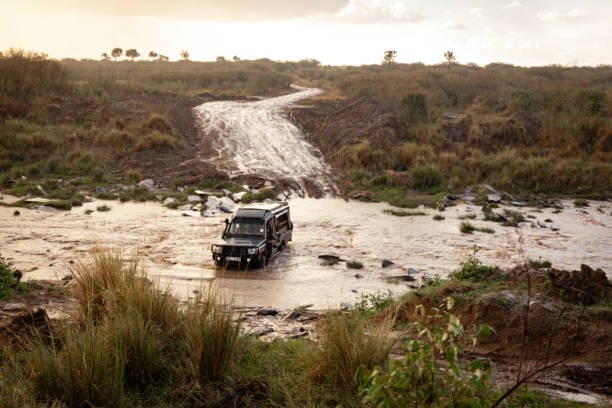
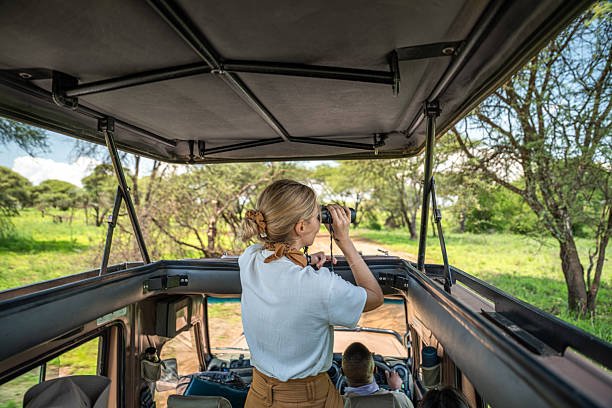
This guide focuses on what makes a Tanzania safari exceptional for photographers, from choosing the right parks and timing to essential gear and understanding the logistical nuances that TOP GUIDE ADVENTURES, as your local Arusha-based experts for 2026-2027, can expertly manage.
Why Tanzania is a Premier Destination for Photographers
Tanzania offers a photographic canvas unlike any other. Its vast, protected wilderness areas are teeming with iconic African wildlife, from the Big Five to incredible birdlife and the dramatic spectacle of the Great Migration. The sheer density and diversity of animals, combined with the stunning backdrops of acacia-dotted plains, volcanic craters, and ancient kopjes, provide endless opportunities for compelling shots. For photographers, Tanzania means capturing raw, untamed nature in its most authentic form. The parks are managed to ensure healthy wildlife populations, and experienced local operators understand how to position vehicles for optimal viewing and shooting without disturbing the animals.
Unlike some destinations where wildlife is more elusive or confined, Tanzania’s parks offer a high probability of close encounters. This is crucial for photographers who need to work with available light and often desire intimate portraits or action shots. The commitment to conservation means that the landscapes themselves are also pristine, offering beautiful foregrounds and backgrounds for your wildlife subjects. Whether you’re after a lion pride on the hunt, a leopard draped over a tree branch, or a sweeping panorama of the Serengeti during the migration, Tanzania delivers.
Top Parks for Unrivaled Wildlife Photography Opportunities
Selecting the right parks is paramount for a successful photography safari. Each park offers unique subjects and photographic challenges. TOP GUIDE ADVENTURES specializes in crafting itineraries that maximize your photographic potential by focusing on these prime locations:
Serengeti National Park
The undisputed jewel for wildlife photography, the Serengeti is famous for its vast plains, dramatic predator-prey interactions, and, of course, the Great Migration. Photographers can capture immense herds of wildebeest and zebras, lions, cheetahs, leopards, elephants, giraffes, and a plethora of bird species. The open landscapes offer panoramic shots, while the denser acacia woodlands can provide more intimate settings. The sheer scale of the migration, with hundreds of thousands of animals, is a photographer’s dream, especially during river crossings.
Ngorongoro Conservation Area (including the Crater)
The Ngorongoro Crater is a UNESCO World Heritage Site and a natural amphitheater teeming with wildlife. Its dense concentration of animals, including the rare black rhino, lions, hyenas, hippos, and flamingos, within a relatively compact area, makes it incredibly photogenic. The dramatic caldera rim offers stunning viewpoints, and the crater floor provides exceptional opportunities for close-up shots of a wide variety of species. The photographic challenge here is managing the crowds and respecting the limited access times, which experienced guides navigate expertly.
Tarangire National Park
Known for its large elephant herds, especially during the dry season (June to October), Tarangire also boasts iconic baobab trees that create striking silhouettes against the sky. It’s an excellent location for capturing elephants in dramatic landscapes, as well as lions, leopards, giraffes, and diverse birdlife. The park’s varied terrain, from swamps to woodlands, offers different photographic moods and compositions. Tarangire is often a highlight for photographers seeking powerful elephant imagery.
Lake Manyara National Park
While smaller, Lake Manyara offers unique photographic opportunities, particularly for its tree-climbing lions, large troops of baboons, and abundant birdlife, including flamingos. The park’s groundwater forest provides a lush contrast to the drier plains, and the alkaline lake itself is a focal point. It’s a great spot for macro photography of insects and birds, and for capturing the interaction of animals within a distinct ecosystem.
Katavi National Park
For photographers seeking a truly wild and remote experience, Katavi is unparalleled. It’s one of Tanzania’s largest parks but receives very few visitors, offering an exclusive photographic adventure. Katavi is renowned for its huge herds of buffalo and elephants, large hippo and crocodile populations in its seasonal lakes, and the chance to see predators like lions and leopards in a pristine, untouched environment. It’s ideal for those who want to capture wilderness without the crowds, offering a raw and authentic feel. This remote park provides a different photographic perspective than the northern circuit.
Gombe Stream National Park
If primates are your primary photographic interest, Gombe Stream is the place. Famous for Jane Goodall’s chimpanzee research, this park offers unparalleled opportunities to photograph chimpanzees, as well as other primates like baboons and colobus monkeys. The dense rainforest environment presents unique photographic challenges and rewards, with opportunities for intimate portraits and behavioral shots. Gombe offers a different visual style, focusing on forest dwellers.
Optimal Timing: Capturing the Great Migration and Seasonal Wonders
The timing of your safari significantly impacts photographic opportunities, especially concerning the Great Migration and seasonal wildlife movements. For photographers, understanding these patterns is key to being in the right place at the right time.
The Great Migration
The annual movement of over 1.5 million wildebeest and zebras across the Serengeti ecosystem is a spectacle that photographers flock to witness. The migration’s location changes throughout the year:
- December to March: The herds are typically in the southern Serengeti and Ngorongoro Conservation Area, calving season. This is ideal for capturing young animals and predator activity.
- April to May: The herds begin their northward movement, often gathering in the central and western Serengeti. This period can see large numbers but fewer dramatic river crossings.
- June to July: The migration reaches the Grumeti River in the western Serengeti, presenting opportunities for dramatic river crossings. This is a prime time for action photography.
- August to October: The herds cross the Mara River in the northern Serengeti, a highly sought-after photographic event. This is often considered the most dramatic phase of the migration.
- November: The herds begin to move south again, often in lighter rains, heading back towards the southern plains.
Booking a safari for 2026 or 2027 during the peak migration months (July-October for river crossings, or January-March for calving) requires early planning. TOP GUIDE ADVENTURES can help you pinpoint the best locations based on the latest migration predictions.
Dry Season vs. Wet Season
Beyond the migration, the dry and wet seasons offer distinct photographic advantages:
- Dry Season (June to October): Wildlife congregates around permanent water sources, making them easier to spot and photograph. Landscapes are often golden and dramatic. Tarangire, in particular, is exceptional during this time due to its river and swamps attracting large herds. This is also generally considered the best time for overall wildlife viewing in most parks.
- Wet Season (November to May): The landscape is lush and green, offering beautiful backdrops. This is the birthing season for many species, providing opportunities to photograph young animals. Birdlife is often at its most vibrant with migratory birds present. While animals may be more dispersed, the photographic conditions can be stunning, especially for landscapes and intimate portraits in greener settings.
For a comprehensive Tanzania safari during the dry season, you’re likely to see more concentrated wildlife. The wet season, however, offers unique photographic beauty and fewer crowds.
Vehicle and Equipment: Essential gear for your Tanzania Photography Safari
To make the most of your photographic opportunities, consider the vehicle and your gear carefully. TOP GUIDE ADVENTURES understands the needs of photographers and can arrange specific vehicle modifications.
Specialized Safari Vehicles
Standard safari vehicles have pop-up roofs, which are good, but for serious photographers, custom-modified vehicles are ideal. These often feature:
- Lowered sides or open sides: Allowing for a lower shooting angle and greater stability, especially when resting a camera on the vehicle’s edge.
- Beanbag supports: Essential for stabilizing long lenses.
- Swivel seats: Offering a wider range of motion.
- Maximum space: To accommodate camera bags and extra equipment.
When booking your Tanzania safari by 4×4 Land Cruiser with TOP GUIDE ADVENTURES, specify your photographic needs. They can ensure you have a vehicle that enhances your shooting experience.
Camera and Lens Recommendations
While personal preference dictates camera choice, consider the following for wildlife photography in Tanzania:
- Camera Body: A DSLR or mirrorless camera with interchangeable lenses and good low-light performance is recommended.
- Lenses: A versatile telephoto zoom lens (e.g., 100-400mm, 150-600mm) is essential for capturing distant wildlife. A wider lens (e.g., 24-70mm) is useful for landscapes and larger animals up close. A macro lens can be great for insects and smaller details.
- Tripod/Monopod: While bulky, a lightweight travel tripod or monopod can be invaluable for stability, especially in low light. Beanbags are often more practical in a safari vehicle.
- Batteries and Memory Cards: Bring plenty of spares, as charging opportunities can be limited and you’ll be shooting extensively.
- Protective Gear: A rain cover or dust-proof bag is advisable, especially during the wet season or in dusty conditions.
Other Essential Gear
- Binoculars: Crucial for spotting wildlife that you can then photograph.
- Cleaning Kit: Microfiber cloths, lens cleaner, and a blower brush are vital for keeping your gear dust-free.
- Power Bank/Adapter: For charging devices in the vehicle or camp.
- Laptop/Tablet: For backing up photos and reviewing shots.
Photographer’s Note:
Remember that park rules often restrict exiting the vehicle except in designated areas. Your vehicle and guide are your primary shooting platforms. Ensure your gear is accessible but secure. For 2026-2027 trips, consider bringing a remote shutter release for stable shots without camera shake.
The Role of Expert Guides and Tour Operators
A great safari for photographers is as much about the guide as it is about the location and equipment. TOP GUIDE ADVENTURES prides itself on employing guides who are not only knowledgeable about wildlife and ecosystems but also understand photographic principles.
What to Look for in a Photography Guide
- Wildlife Behavior Knowledge: An expert guide can predict animal movements, track elusive species, and position the vehicle for the best light and composition.
- Photographic Awareness: They understand the importance of golden hour, silhouette shots, and patience for the perfect moment. They will often wait longer at sightings for photographers.
- Vehicle Handling: Skilled drivers can maneuver the vehicle to provide clear sightlines and stable shooting positions.
- Logistical Expertise: They manage park entry, timings, and ensure your day runs smoothly, maximizing your time in the field.
TOP GUIDE ADVENTURES guides are trained to communicate effectively with photographers, often asking about desired shots and working collaboratively. This local coordination is what sets an exceptional photography safari apart.
Logistical Support from TOP GUIDE ADVENTURES
As a leading tour operator in Moshi/Arusha, TOP GUIDE ADVENTURES handles all the complexities, allowing you to focus purely on your photography:
- Vehicle Customization: Arranging modified 4x4s specifically suited for photographers.
- Itinerary Planning: Crafting routes that prioritize photographic opportunities and timing.
- Accommodation: Selecting lodges or camps that offer excellent morning/evening light or convenient access to wildlife hotspots.
- Communication: Ensuring constant contact and responsive support throughout your trip.
For your 2026-2027 safari, entrusting the logistics to local experts like TOP GUIDE ADVENTURES means peace of mind and optimized photographic chances. You can reach them directly via WhatsApp +255 616 946 642 or Email topguideadventures@gmail.com.
Planning Your 2026-2027 Photography Safari: Key Decisions
Embarking on a photographic safari in Tanzania for 2026 or 2027 involves several crucial decisions that will shape your experience and the images you bring home.
Duration and Itinerary
A minimum of 7 days is recommended for a focused photography trip, but 10-14 days allows for deeper exploration of one or two parks, or a combination of iconic locations. Consider:
- Northern Circuit Focus: Serengeti, Ngorongoro, Tarangire (ideal for migration, predators, diverse landscapes). This is the most popular and logistically straightforward.
- Western Tanzania: Gombe (chimps) and Mahale (chimps, remote wilderness) for primate specialists. These require flights and are more logistically complex.
- Southern Tanzania: Katavi and Ruaha offer a more remote, wild experience with fewer crowds. These parks often require flights or longer drives.
For a classic Tanzania wildlife safari covering Serengeti, Ngorongoro, and Tarangire, 7-10 days is a good starting point. For dedicated photography, extending this to 14 days allows for more time in each location, especially the Serengeti.
Private vs. Small Group Tours
For photographers, a private safari is almost always the superior choice. It offers maximum flexibility:
- Flexibility: You dictate the pace, stop for as long as you need at sightings, and choose your shooting angles without compromising others.
- Vehicle Access: A private vehicle means it’s yours alone, and the guide’s sole focus is on your photographic needs.
- Customization: You can work with the operator to tailor the itinerary precisely to your photographic goals.
Small group tours, while more budget-friendly (Tanzania Small Group Tours), may require compromise on stopping times and locations to satisfy multiple travelers with different interests. For serious photography, the investment in a private Tanzania safari is highly recommended.
Accommodation Style
Your choice of lodging affects the overall experience and photographic opportunities:
- Luxury Lodges/Tented Camps: Offer comfort, excellent service, and often prime locations with beautiful views or easy access to wildlife. Some may have specific photographic hide opportunities.
- Mid-Range Lodges/Tented Camps: Provide comfortable stays with good amenities, balancing cost and experience.
- Budget Camping: For the adventurous photographer who prioritizes time in the field over creature comforts. Basic tented camps offer a more rustic experience.
TOP GUIDE ADVENTURES offers a range of options from luxury all-inclusive packages to budget camping safaris. For photographers, consider lodges or camps that are strategically located for morning and evening game drives, which are prime shooting times.
Booking and Preparation
For 2026-2027 safaris, especially those timed with the Great Migration, booking at least 6-12 months in advance is crucial. This secures preferred lodges, vehicles, and guides. Ensure your visa is arranged, vaccinations are up-to-date, and you have adequate travel insurance. Discuss your specific photographic needs with your tour operator early in the planning process.
When you’re ready to plan your ultimate Tanzania photography safari for 2026-2027, contact TOP GUIDE ADVENTURES. They provide expert local coordination from arrival, personalized itinerary planning, and ensure all logistical details are handled so you can focus on capturing the magic of Tanzania. Reach out via WhatsApp +255 616 946 642 or Email topguideadventures@gmail.com to start planning your photographic adventure.
Check Availability for Tanzania Safari For Photographers & Wildlife Photography Tours 2026-2027
Ready to compare dates, prices, and the best option for your group? Send the package name and travel month so the team can reply with a clear quote, availability, and what is included.
Background Remover Free: Enhancing Safari, Wildlife, And Travel Photography
This guide explores the utility of free background removal tools for photographers specializing in safari, wildlife, and travel imagery. It covers how these tools can enhance subject...
View package detailsThe Most Beautiful Animals In World: A Wildlife Photography And Safari
Exploring the planet's most visually stunning creatures offers a unique lens through which to appreciate biodiversity. This guide focuses on animals celebrated for their aesthetic...
View package details
Tanzania Classic Wildlife Safaris: Serengeti, Ngorongoro, Tarangire & Manyara
start an unforgettable Tanzania classic wildlife safari covering the iconic parks of Serengeti, Ngorongoro Crater, Tarangire, and Lake Manyara. These tours are designed to showcase the best...
View package details
Great Serengeti Migration Safaris In Tanzania: Best Routes, Seasons &
Discover the magic of the Great Serengeti Migration with Top Guide Adventures. This guide covers the best routes, optimal seasons for wildlife viewing, and essential planning tips for your...
View package detailsAfrica Tours & Travel, All Safari Booking In Tanzania 2026-2027
Africa Tours & Travel, All Safari Booking in Tanzania is explained with current 2026-2027 planning, price, itinerary and booking information.
View package detailsBiggest Animals Ever Discovered: African Wildlife, Ocean Giants, And Safari
Discover the planet's most massive creatures, including the giants of African savannas and the leviathans of the deep sea. Learn about their habitats, characteristics, and the awe they...
View package detailsTop 10 Deadliest Snakes Worldwide – African Wildlife Destinations And Safari
Top 10 Deadliest Snakes Worldwide – African Snakes, Wildlife Destinations and Safari Safety is explained with current 2026-2027 planning, price, itinerary.
View package detailsBiggest Animals Ever Discovered: A Look At Giant Wildlife And Marine Giants
Discover the awe-inspiring scale of the largest animals to have ever inhabited Earth. This guide explores the biggest land mammals and the truly immense creatures of the ocean.
View package detailsMost Dangerous Animals In The World – Safari Wildlife, Habitats And Safety
Most Dangerous Animals in the World – Safari Wildlife, Habitats and Safety Around Wild Animals is explained with current 2026-2027 planning, price, itinerary.
View package detailsThe Strongest Animals On Planet: Powerful Wildlife To Observe 2026-2027
Exploring the sheer physical power of the animal kingdom reveals creatures that command respect through their might. This guide focuses on the strongest animals on the planet, highlighting...
View package details
2 Day Tanzania Safari – Tarangire, Ngorongoro And Short Packages 2026-2027
2 Day Tanzania Safari – Tarangire, Ngorongoro and Short Safari Packages is explained with current 2026-2027 planning, price, itinerary and booking.
View package details
Serengeti Safari From Mwanza: Best Route For Western Tanzania & 2026-2027
Discover the optimal routes for a Serengeti safari starting from Mwanza, focusing on the unique experiences offered by Western Tanzania and the Western Serengeti. This guide provides...
View package detailsNo closely related package is available yet for this topic.



