
Preparing for a Tanzania safari in 2026 or 2027 involves understanding recommended vaccinations and health precautions to ensure a safe and enjoyable trip. Key health considerations include protection against diseases like Yellow Fever, Hepatitis A and B, Typhoid, and ensuring your routine immunizations are up-to-date. Malaria prevention is also paramount, requiring careful planning with antimalarial medication and mosquito bite avoidance. Your primary decision involves consulting a travel health professional well in advance of your departure to get personalized advice based on your health history and itinerary.
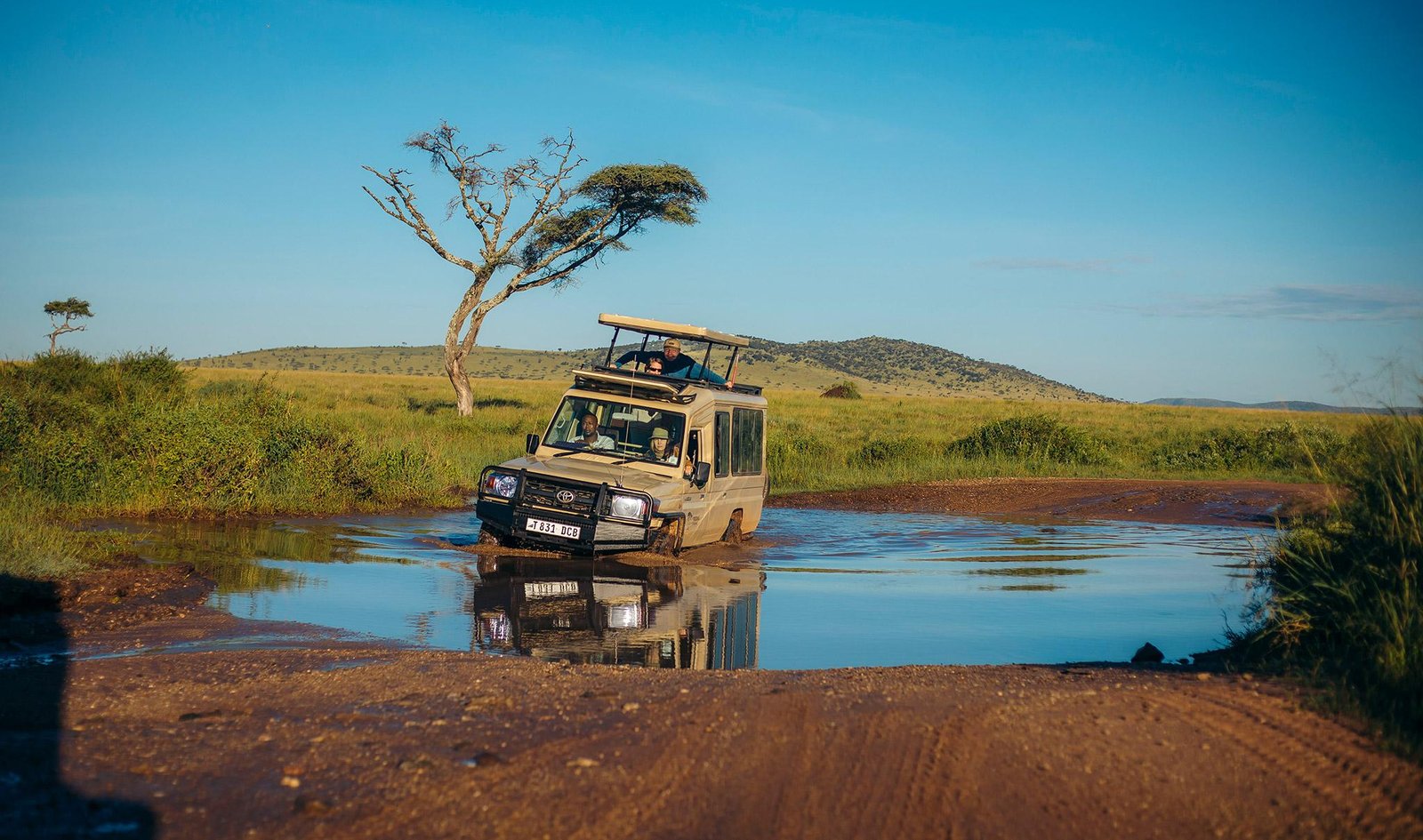
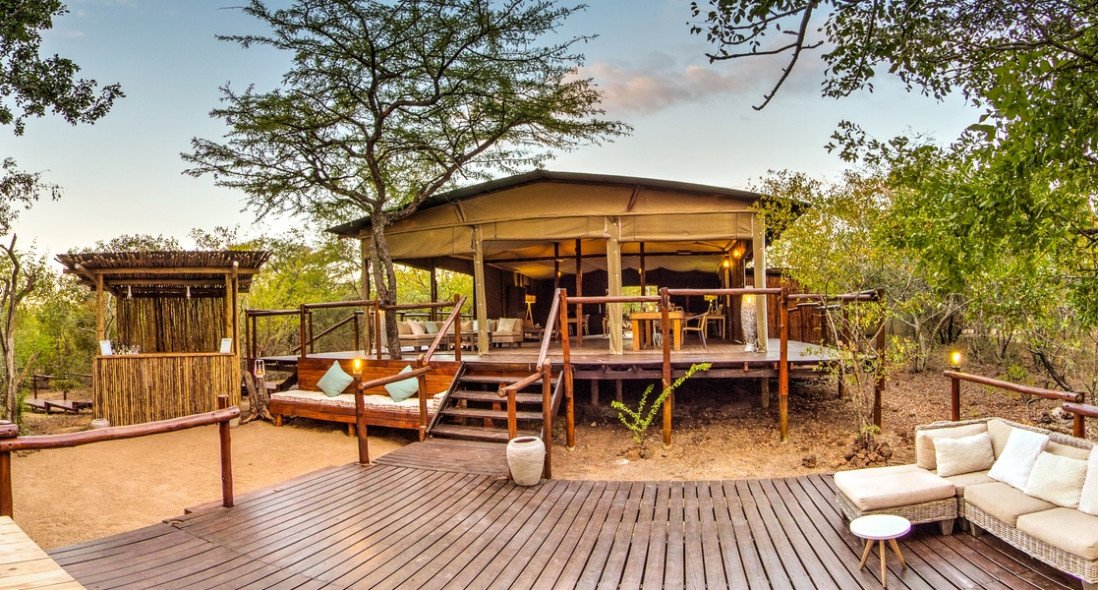
A Tanzania safari is an incredible journey, and ensuring you’re in good health before and during your trip is crucial for a smooth experience. As your local experts at Top Guide Adventures, we want to equip you with the most important health and vaccination information for your 2026-2027 adventure. This guide will walk you through the essential steps, from consulting your doctor to staying healthy on the ground.
Essential Vaccinations for Tanzania Safaris
While the specific vaccination requirements can change, and it’s always best to consult a travel health professional, several immunizations are highly recommended for visitors to Tanzania. These are designed to protect you from diseases prevalent in the region and to ensure you don’t contract or spread illnesses. For your 2026-2027 safari, consider the following:
Routine Vaccinations
Ensure your routine vaccinations are up-to-date. This includes measles-mumps-rubella (MMR), diphtheria-tetanus-pertussis, varicella (chickenpox), and polio. These are standard in many countries but crucial to confirm before any international travel.
Yellow Fever
Yellow Fever vaccination is mandatory for entry into Tanzania if you are arriving from a country with a risk of Yellow Fever transmission. Even if you are just transiting through such a country, you may be required to show proof of vaccination. You will receive a vaccination certificate, which you should carry with your passport. The vaccination is typically given at least 10 days before travel and provides lifelong protection.
Hepatitis A and B
Hepatitis A and B are common in many parts of the world, including Tanzania, and can be contracted through contaminated food, water, or blood. Vaccination is highly recommended for all travelers. The Hepatitis A vaccine is usually given as two doses over six months, while Hepatitis B is given as a series of shots over a few months. A combined Hepatitis A and B vaccine is also available.
Typhoid Fever
Typhoid fever is a bacterial infection spread through contaminated food and water. It can cause high fever, headache, and stomach issues. Vaccination is recommended for most travelers, especially those who might eat or drink outside of major hotels and restaurants. There are two types of typhoid vaccines: an oral vaccine (taken over several days) and an injectable vaccine.
Other Recommended Vaccinations
Depending on your activities and health status, your doctor might also recommend vaccines for:
- Rabies: If you plan to engage in activities with animals, such as working with wildlife or caving, or will be in remote areas for an extended period.
- Meningitis (Meningococcal): Recommended for travelers visiting during the dry season, particularly if staying for an extended period or in crowded conditions.
- Influenza (Flu): Especially important if you are traveling during the flu season or have underlying health conditions.
Expert Tip:
Start your vaccination planning at least 4-6 weeks before your safari. Some vaccines require multiple doses spread over weeks or months, and it takes time for immunity to develop. Early consultation with a travel clinic or your doctor is non-negotiable for a safe and healthy trip in 2026-2027.
Malaria Prevention: Staying Protected on Safari
Malaria is a serious concern in many parts of Tanzania, including popular safari destinations like the Serengeti and Ngorongoro Crater. The disease is transmitted by mosquitoes, and while you’re unlikely to encounter them in your lodge or tented camp during the day, they are most active between dusk and dawn. Effective malaria prevention involves a multi-pronged approach:
Antimalarial Medication
Your doctor will prescribe an antimalarial drug based on your destination, duration of stay, and health profile. Common options include:
- Malarone (Atovaquone-Proguanil): Often preferred for its convenience as it’s taken daily starting 1-2 days before travel, during the trip, and for 7 days after returning.
- Doxycycline: A daily antibiotic that also works as an antimalarial. It needs to be taken daily starting 1-2 days before, during, and for 4 weeks after your trip. It can make you sensitive to sunlight, so sunscreen is essential.
- Lariam (Mefloquine): Taken weekly, it can be a good option for longer trips, but some people experience side effects like vivid dreams or mood changes.
It is crucial to take your antimalarial medication exactly as prescribed by your doctor, even if you don’t feel ill. Stopping early can leave you vulnerable.
Mosquito Bite Avoidance
Medication is only part of the solution. Preventing mosquito bites is equally important:
- Repellents: Use insect repellent containing DEET (20-30%) or Picaridin on exposed skin, especially during dawn and dusk.
- Clothing: Wear long-sleeved shirts and long trousers, particularly in the evenings. Light-colored clothing is often recommended as it’s less attractive to mosquitoes.
- Nets: Most accommodations in safari areas provide mosquito nets over beds. Ensure they are properly tucked in and have no holes.
- Aerosols/Incense: Many lodges and camps provide mosquito coils or aerosols for use in rooms.
Malaria Prevention Checklist:
- Consult your doctor about antimalarial medication at least 4-6 weeks before travel.
- Obtain your prescription and purchase medication before departing.
- Follow dosage instructions precisely.
- Pack effective insect repellent (DEET or Picaridin).
- Pack long sleeves and trousers for evenings.
- Check mosquito nets in your accommodation.
Other Health Concerns and Precautions
Beyond vaccinations and malaria, several other health aspects are important for a Tanzania safari.
Food and Water Safety
Tap water in Tanzania is generally not safe to drink for tourists. Always drink bottled or purified water. Be cautious with ice in drinks, and avoid raw or undercooked food. Stick to well-cooked meals and fruits that you can peel yourself. This is particularly important when exploring local markets or eating outside established tourist facilities.
Sun Protection
The Tanzanian sun can be intense, especially on the open plains of the Serengeti or during a Kilimanjaro climb. Always wear sunscreen with a high SPF, a wide-brimmed hat, and sunglasses. Stay hydrated by drinking plenty of water.
Altitude Sickness
While most safari activities take place at lower altitudes, some areas, like the Ngorongoro Crater rim or if you’re combining your safari with a trek up Mount Kilimanjaro or Mount Meru, can involve significant altitude. Symptoms include headache, nausea, and dizziness. Acclimatization is key for treks. For safaris, ensure you’re well-rested and avoid alcohol if experiencing mild symptoms.
Traveler’s Diarrhea
This is a common ailment for travelers. To minimize the risk:
- Follow food and water safety guidelines strictly.
- Carry a small first-aid kit with medication for diarrhea (e.g., Imodium).
- Stay hydrated.
- If symptoms are severe or persistent, seek medical attention.
Medical Facilities
While major towns have hospitals and clinics, medical facilities in remote safari areas can be basic. It’s essential to have comprehensive travel insurance that covers medical evacuation. Your tour operator, like Top Guide Adventures, will have protocols for handling medical emergencies, often involving communication with local clinics or arranging transport.
When to See Your Doctor and Plan Ahead
The ideal time to start your health preparations for a Tanzania safari in 2026-2027 is 4-6 weeks before your departure date. This lead time is crucial for several reasons:
- Vaccination Schedules: Some vaccines require multiple doses or a waiting period for immunity to develop.
- Antimalarial Prescription: Getting your prescription and starting medication requires time.
- Consultation: You’ll have ample time to discuss your itinerary, any pre-existing conditions, and receive tailored advice.
- Health Check-up: It’s a good opportunity for a general health check-up.
What to Discuss with Your Doctor:
- Your travel dates and itinerary (mentioning specific locations like Serengeti, Zanzibar, Kilimanjaro, etc.).
- Any pre-existing medical conditions you have.
- Any medications you are currently taking.
- Your vaccination history.
- Your travel style (e.g., luxury lodges vs. camping, remote trekking).
Expert Advice from Top Guide Adventures:
We understand that planning a safari can be complex. While we are not medical professionals, we can advise on the typical health considerations for the regions we operate in. For example, if you’re planning a Tanzania safari and Zanzibar holiday, the health advice for the mainland will differ slightly from Zanzibar, though malaria precautions remain important for both. Always prioritize professional medical advice for your specific needs for 2026-2027 travel.
The Importance of Travel Insurance
Comprehensive travel insurance is not just recommended; it’s essential for any safari trip to Tanzania. It provides a crucial safety net for unexpected events.
What to Look For in Travel Insurance:
- Medical Expenses Coverage: Ensure it covers hospitalization and treatment costs.
- Medical Evacuation: This is vital. If you become seriously ill or injured in a remote area, you’ll need coverage for transport to a suitable medical facility, possibly even back to your home country.
- Trip Cancellation and Interruption: Covers losses if you have to cancel or cut short your trip due to illness or other covered reasons.
- Lost or Stolen Baggage: Provides reimbursement for essential items if your luggage is lost or stolen.
Always read the policy details carefully to understand what is covered and what exclusions apply. For adventure activities like safaris, ensure that any specific activities you plan are included in the policy.
Booking Your Tanzania Safari with Confidence
Choosing the right tour operator is a significant step in ensuring a safe and well-organized safari. At Top Guide Adventures, we prioritize your well-being and provide comprehensive support to make your 2026-2027 safari experience unforgettable and secure.
We can assist you in planning an itinerary that aligns with your health preparations. For instance, if you’re considering a family safari, we’ll ensure accommodations and activities are suitable for all ages, and we can provide guidance on what to pack for health and comfort. For those interested in more remote adventures like a Katavi National Park safari or a Mahale Mountains safari, we emphasize the importance of consulting your doctor about specific health risks and preparedness.
When you’re ready to plan your dream safari for 2026 or 2027, reach out to us. We’ll help you navigate the details, from crafting the perfect itinerary to understanding what to expect on the ground. Let us handle the logistics so you can focus on enjoying the incredible wildlife and landscapes of Tanzania. Contact us via WhatsApp at +255 616 946 642 or email us at topguideadventures@gmail.com to start planning your adventure.
Check Availability for Tanzania Safari Vaccinations And Health Travel Guide 2026-2027
Ready to compare dates, prices, and the best option for your group? Send the package name and travel month so the team can reply with a clear quote, availability, and what is included.
Africa Tours & Travel, All Safari Booking In Tanzania 2026-2027
Africa Tours & Travel, All Safari Booking in Tanzania is explained with current 2026-2027 planning, price, itinerary and booking information.
View package details
2 Day Tanzania Safari – Tarangire, Ngorongoro And Short Packages 2026-2027
2 Day Tanzania Safari – Tarangire, Ngorongoro and Short Safari Packages is explained with current 2026-2027 planning, price, itinerary and booking.
View package details
Serengeti Safari From Mwanza: Best Route For Western Tanzania & 2026-2027
Discover the optimal routes for a Serengeti safari starting from Mwanza, focusing on the unique experiences offered by Western Tanzania and the Western Serengeti. This guide provides...
View package details
Tanzania Classic Wildlife Safaris: Serengeti, Ngorongoro, Tarangire & Manyara
start an unforgettable Tanzania classic wildlife safari covering the iconic parks of Serengeti, Ngorongoro Crater, Tarangire, and Lake Manyara. These tours are designed to showcase the best...
View package details
Great Serengeti Migration Safaris In Tanzania: Best Routes, Seasons &
Discover the magic of the Great Serengeti Migration with Top Guide Adventures. This guide covers the best routes, optimal seasons for wildlife viewing, and essential planning tips for your...
View package details
Best 5 Day Private Safari Tour From Mwanza: Serengeti & Western Tanzania
start an unforgettable 5-day private safari adventure starting from Mwanza, Tanzania. This expertly crafted itinerary blends the iconic wildlife viewing of the Serengeti with the distinct...
View package details
Rubondo Island National Park Prices In Tanzania – Safari Fees, Chimpanzee
Understanding Rubondo Island National Park prices is key to planning your Tanzanian adventure. Costs vary based on accommodation, activities like chimpanzee trekking, and safari duration...
View package detailsTop Car Brands Known For Reliability – Best Vehicles Road Trips, Safari
Top Car Brands Known for Reliability – Best Vehicles for Road Trips, Safari and Adventure Travel is explained with current 2026-2027 planning, price.
View package detailsMost Beautiful Countries In The World: Safari, Nature, And Adventure Travel
This guide explores the most beautiful countries globally, focusing on destinations that offer unparalleled opportunities for safari, nature immersion, and adventurous pursuits. From the...
View package detailsThe Worlds Richest Billionaires: Their Preferred Luxury Travel Destinations
This article delves into the travel habits and preferred destinations of the world's wealthiest individuals, examining their affinity for private islands, exclusive safari adventures, and...
View package detailsBiggest Animals Ever Discovered: African Wildlife, Ocean Giants, And Safari
Discover the planet's most massive creatures, including the giants of African savannas and the leviathans of the deep sea. Learn about their habitats, characteristics, and the awe they...
View package detailsBackground Remover Free: Enhancing Safari, Wildlife, And Travel Photography
This guide explores the utility of free background removal tools for photographers specializing in safari, wildlife, and travel imagery. It covers how these tools can enhance subject...
View package detailsNo closely related package is available yet for this topic.



