
Yes, a Tanzania safari is absolutely worth it for first-time visitors in 2026-2027, offering an unparalleled and iconic wildlife experience that defines the essence of an African adventure. It provides a profound connection with nature, incredible photographic opportunities, and a chance to witness the continent’s most spectacular animal migrations and diverse ecosystems, making the investment in time and resources highly rewarding.

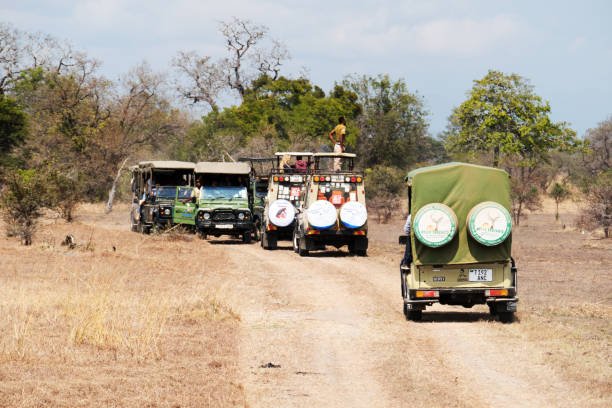
Planning your first safari to Tanzania is an exciting prospect, and understanding what makes it so special, and indeed, worth the journey, is key. This East African gem consistently ranks among the top safari destinations globally, and for good reason. It’s a land of vast, untamed landscapes, teeming with wildlife, and offering a raw, authentic encounter with the natural world. Whether you dream of witnessing the Great Migration, spotting the Big Five, or simply immersing yourself in the impressive scenery, Tanzania delivers an unforgettable experience.
Why Tanzania Safari is Worth It for First-Time Visitors
Tanzania offers a safari experience that is both comprehensive and deeply impactful, making it an exceptional choice for those venturing into the wild for the first time. The sheer density and diversity of wildlife are staggering. Iconic parks like the Serengeti are synonymous with the Great Migration, where millions of wildebeest, zebras, and gazelles traverse the plains in search of greener pastures. Witnessing this natural phenomenon is a truly awe-inspiring event that few places on Earth can replicate. Beyond the migration, Tanzania boasts a remarkable concentration of predators, increasing your chances of seeing lions, leopards, cheetahs, and the elusive wild dogs.
The landscapes themselves are varied and dramatic. From the endless golden grasslands of the Serengeti to the unique, collapsed caldera of the Ngorongoro Crater – often called the “eighth wonder of the world” – and the acacia-dotted plains of Tarangire, each park offers a distinct visual and ecological experience. The Ngorongoro Crater, in particular, is a compact ecosystem that allows for incredible game viewing within a relatively small area, making it ideal for first-time visitors who want to maximize their sightings without long travel times between game drives.
Furthermore, Tanzania’s commitment to conservation is evident. The national parks are well-managed, and the safari operations, when chosen wisely, adhere to high standards of responsible tourism. This ensures that your visit contributes positively to the preservation of these precious habitats and the wildlife they support. The infrastructure, including lodges and tented camps, ranges from comfortable and rustic to ultra-luxurious, catering to different preferences and budgets, all while aiming to provide an authentic connection to the wilderness.
For first-time visitors, the ease of access to these prime wildlife areas from hubs like Arusha, combined with the variety of safari styles available, makes Tanzania a comprehensive and fulfilling destination. You can experience the thrill of game drives, learn from knowledgeable guides, and create memories that last a lifetime. The sheer scale and raw beauty of a Tanzanian safari are simply unmatched for those seeking the quintessential African wildlife encounter.
Comparing Tanzania Safari vs. Other Destinations
When considering a first safari, potential visitors often weigh Tanzania against other popular African destinations like Kenya, Botswana, or South Africa. Each offers a unique appeal, but Tanzania often stands out for specific reasons, especially for first-timers.
Tanzania’s Strengths for First-Timers:
- The Great Migration: Unmatched in scale, this is a primary draw for many. While Kenya’s Masai Mara also hosts a part of it, Tanzania’s Serengeti offers the full continental spectacle.
- Ngorongoro Crater: The unique geography of the crater provides exceptional game density and viewing opportunities, making it a highlight that is difficult to match elsewhere. It’s often described as a ‘must-see’ for first-timers.
- Variety of Ecosystems: From the vast Serengeti plains to the baobab-studded landscapes of Tarangire and the lush forests of Gombe (for chimpanzees), Tanzania offers diverse environments.
- Northern Circuit Accessibility: The popular Northern Circuit (Serengeti, Ngorongoro, Tarangire, Lake Manyara) is well-connected and can be explored efficiently, ideal for shorter trips.
- Authenticity: Many feel Tanzania offers a more raw, less commercialized safari experience compared to some other regions.
Considerations Compared to Other Destinations:
- Botswana: Often considered more exclusive and luxurious, with higher price points, focusing on low-impact tourism and pristine wilderness. It’s exceptional but might be beyond the budget for many first-time visitors looking for value.
- Kenya: Shares the Great Migration with Tanzania (Masai Mara) and offers excellent wildlife viewing. It can sometimes be more budget-friendly and has a slightly different feel, with its own iconic parks like Amboseli for elephant sightings with Kilimanjaro backdrops.
- South Africa: Offers a wide range of safari experiences, including self-drive options and private reserves. Kruger National Park is world-renowned, and private reserves often guarantee Big Five sightings. However, some areas can feel more developed or less wild than Tanzania’s vast expanses.
For a first-time visitor seeking the quintessential African safari with iconic wildlife events and impressive landscapes, Tanzania’s Northern Circuit provides an outstanding balance of accessibility, wildlife density, and dramatic scenery. It’s the classic safari dream brought to life.
Essential Tanzania National Parks for First-Timers
While Tanzania boasts numerous national parks, a select few form the backbone of the quintessential safari experience, particularly for those visiting for the first time in 2026-2027. These parks are chosen for their exceptional wildlife populations, diverse landscapes, and relative ease of access within a well-trodden tourist circuit.
The Northern Circuit Gems:
- Serengeti National Park: This is the undisputed star. Its name, derived from the Maasai word for “endless plains,” perfectly describes its vastness. The Serengeti is crucial for witnessing the Great Migration, a constant cycle of movement. Even outside migration season, resident wildlife is abundant, offering incredible predator-prey interactions and diverse habitats that support a huge array of animals. For first-timers, it offers the iconic safari vista and wildlife density they’ve dreamed of. Choosing the right area within the Serengeti depends on the time of year for migration viewing.
- Ngorongoro Conservation Area (including the Crater): This is a UNESCO World Heritage Site and a true marvel. The Ngorongoro Crater, a massive volcanic caldera, is home to an astonishing concentration of wildlife, including all of the Big Five (lion, leopard, elephant, rhino, buffalo) within its ~260 square km floor. The dense population means game viewing is exceptional and often very close. It’s a must-visit for its unique environment and guaranteed sightings.
- Tarangire National Park: Known for its large elephant herds, particularly during the dry season (July to October) when they congregate around the Tarangire River. The park also features iconic baobab trees and a diverse bird population. It offers a slightly different landscape and feel compared to the Serengeti, with more woodlands and swamps, and is an excellent addition to any itinerary.
- Lake Manyara National Park: Famous for its tree-climbing lions, although sightings are not guaranteed. This park offers a compact and beautiful environment with a diverse range of habitats, including groundwater forests, savannah, and the lake itself, which attracts large flocks of flamingos. It’s often visited as a day trip or a one-night stop, providing a good introduction to Tanzania’s wildlife and diverse ecosystems.
While these parks form the core of most first-time itineraries, options like Arusha National Park (known for its Mount Meru views and colobus monkeys) can be a great start or end point, especially for those combining a safari with a Kilimanjaro or Meru trek. For those with more time or specific interests, parks like Ruaha or Selous (Nyerere National Park) offer a wilder, more remote experience, but the Northern Circuit is generally the most recommended starting point for first-time visitors due to its accessibility and unparalleled wildlife viewing.
Planning Your First Tanzania Safari: Key Considerations for 2026-2027
A successful first safari in Tanzania hinges on thoughtful planning. Understanding the nuances of timing, duration, and accommodation will ensure you get the most out of your adventure in 2026-2027. As a local expert, Top Guide Adventures emphasizes that a little foresight goes a long way.
Timing and Best Time to Visit:
- Dry Season (June to October): This is peak season, characterized by clear skies, pleasant temperatures, and excellent wildlife viewing as animals gather around water sources. It’s also when the Great Migration is typically in the northern Serengeti. Expect higher prices and more crowds.
- Wet Season (November to May): This is the low season. The landscape turns lush green, and it’s ideal for birdwatching. The southern Serengeti experiences the calving season of the Great Migration from January to March. While there can be rain showers, they often don’t last all day, and you’ll encounter fewer tourists and potentially lower prices.
- Specific Migration Viewing: For the river crossings, aim for July to October in the northern Serengeti. For the calving season, focus on the southern Serengeti from January to March. Consulting a detailed monthly guide is crucial for migration timing.
Safari Duration:
- Minimum: A 5-day safari is the absolute minimum to get a taste, typically covering Lake Manyara, Tarangire, and Ngorongoro.
- Recommended for First-Timers: A 7-10 day safari is ideal. This allows for ample time in the Serengeti, Ngorongoro, and at least one other park like Tarangire, providing a richer, less rushed experience. A 7-day itinerary is a popular choice for a balanced experience.
- Extended Safaris: 14 days or more allow for exploring more remote parks or combining safari with other activities like Zanzibar or Kilimanjaro treks.
Accommodation Styles:
- Tented Camps: Offer a more in-depth experience, often with canvas walls and en-suite bathrooms. They range from luxury to mid-range and provide a close-to-nature feel.
- Lodges: More permanent structures, often with more amenities like swimming pools, restaurants, and bars. They offer comfort and convenience.
- Budget Options: Some operators offer camping safaris where you sleep in tents at designated campsites, which significantly reduces costs.
When booking for 2026 or 2027, it’s advisable to book at least 6-12 months in advance, especially for peak season travel, to secure preferred accommodations and ensure availability. Early planning also allows for better customization of your itinerary to align with specific wildlife interests or desired pace.
Budgeting Your Tanzania Safari: Cost Expectations for 2026-2027
Understanding the cost of a Tanzania safari is crucial for first-time visitors planning for 2026-2027. Safari prices can vary significantly based on several factors, but here’s a breakdown of what influences the cost and general expectations.
Factors Influencing Safari Costs:
- Duration: Longer safaris naturally cost more.
- Accommodation Level: Luxury lodges and high-end tented camps are significantly more expensive than mid-range or budget camping options.
- Type of Safari: Private safaris are more expensive per person than group joining safaris.
- Park Fees: These are fixed per person per day and are a substantial part of the overall cost.
- Vehicle and Guide: The quality and exclusivity of your safari vehicle and guide.
- Season: Peak season (dry season) generally commands higher prices than the low season (wet season).
For first-time visitors in 2026-2027, a rough estimate for a mid-range safari, including park fees, accommodation, a private vehicle, and a guide, typically falls between $300 to $500 USD per person per day. This can be higher for luxury options or lower for budget camping tours. For example, a 7-day mid-range safari might cost between $2,100 and $3,500 USD per person.
What’s typically included in a mid-range safari package:
- Accommodation (lodges or tented camps)
- All park entrance fees
- A professional English-speaking safari guide
- A 4×4 safari vehicle with a pop-up roof for game viewing
- Meals (full board: breakfast, lunch, dinner)
- Bottled water during game drives
- Airport transfers
What’s typically excluded:
- International flights
- Visa fees
- Travel insurance
- Gratuities for guides and staff
- Personal expenses (souvenirs, drinks, laundry)
- Optional activities (e.g., hot air balloon rides)
Group joining safaris can offer a more affordable alternative, with prices sometimes starting from $200-$300 USD per person per day. These tours have set departure dates and itineraries, and you share the vehicle and costs with other travelers. Check group departure tables for availability in 2026-2027. For detailed pricing and personalized quotes, it is always best to contact tour operators directly.
Booking Your Tanzania Safari with an Expert Local Operator
Choosing the right tour operator is paramount for a successful and stress-free first-time safari in Tanzania. As a local expert based in Moshi, Top Guide Adventures understands the intricacies of planning these journeys and can significantly enhance your experience. Working with a reputable local company offers distinct advantages for your 2026-2027 adventure.
Why Choose a Local Operator like Top Guide Adventures?
- Local Knowledge & Expertise: We have firsthand knowledge of the parks, wildlife patterns, best times to visit specific areas, and the most reliable lodges and camps. This local insight is invaluable for crafting the perfect itinerary.
- Personalized Service: We pride ourselves on tailoring safaris to individual needs and preferences, ensuring your trip is exactly as you envision it. From accommodation choices to specific wildlife interests, we customize every detail.
- Cost-Effectiveness: Local operators often have better rates with local suppliers (lodges, guides, vehicles) than international agencies, meaning you can get more value for your money. We are transparent about our pricing, with no hidden fees.
- Responsive Support: We provide direct communication and support from the moment you inquire until after your safari concludes. This includes practical advice on packing, visas, and health, as well as on-the-ground assistance during your trip.
- Commitment to Quality: We ensure our guides are licensed, experienced, and passionate about sharing Tanzania’s natural heritage. Our vehicles are well-maintained for safety and comfort, and we are committed to responsible tourism practices.
When you contact Top Guide Adventures, be ready to share your desired travel dates for 2026 or 2027, your approximate budget, the number of travelers, and any specific interests you have (e.g., birdwatching, photography, specific animals). This information helps us create a tailored proposal. We offer a range of safaris, from group joining tours for budget-conscious travelers to exclusive private safaris for a more intimate experience. Get in touch with us today via email at topguideadventures@gmail.com or WhatsApp at +255 616 946 642 to start planning your unforgettable Tanzanian safari.
Check Availability for Is Tanzania Safari Worth It For First Time Visitors? Your Expert Guide
Ready to compare dates, prices, and the best option for your group? Send the package name and travel month so the team can reply with a clear quote, availability, and what is included.
Africa Tours & Travel, All Safari Booking In Tanzania 2026-2027
Africa Tours & Travel, All Safari Booking in Tanzania is explained with current 2026-2027 planning, price, itinerary and booking information.
View package details
2 Day Tanzania Safari – Tarangire, Ngorongoro And Short Packages 2026-2027
2 Day Tanzania Safari – Tarangire, Ngorongoro and Short Safari Packages is explained with current 2026-2027 planning, price, itinerary and booking.
View package details
Serengeti Safari From Mwanza: Best Route For Western Tanzania & 2026-2027
Discover the optimal routes for a Serengeti safari starting from Mwanza, focusing on the unique experiences offered by Western Tanzania and the Western Serengeti. This guide provides...
View package details
Tanzania Classic Wildlife Safaris: Serengeti, Ngorongoro, Tarangire & Manyara
start an unforgettable Tanzania classic wildlife safari covering the iconic parks of Serengeti, Ngorongoro Crater, Tarangire, and Lake Manyara. These tours are designed to showcase the best...
View package details
Great Serengeti Migration Safaris In Tanzania: Best Routes, Seasons &
Discover the magic of the Great Serengeti Migration with Top Guide Adventures. This guide covers the best routes, optimal seasons for wildlife viewing, and essential planning tips for your...
View package details
Best 5 Day Private Safari Tour From Mwanza: Serengeti & Western Tanzania
start an unforgettable 5-day private safari adventure starting from Mwanza, Tanzania. This expertly crafted itinerary blends the iconic wildlife viewing of the Serengeti with the distinct...
View package details
Rubondo Island National Park Prices In Tanzania – Safari Fees, Chimpanzee
Understanding Rubondo Island National Park prices is key to planning your Tanzanian adventure. Costs vary based on accommodation, activities like chimpanzee trekking, and safari duration...
View package detailsTop Car Brands Known For Reliability – Best Vehicles Road Trips, Safari
Top Car Brands Known for Reliability – Best Vehicles for Road Trips, Safari and Adventure Travel is explained with current 2026-2027 planning, price.
View package detailsMost Beautiful Countries In The World: Safari, Nature, And Adventure Travel
This guide explores the most beautiful countries globally, focusing on destinations that offer unparalleled opportunities for safari, nature immersion, and adventurous pursuits. From the...
View package detailsThe Worlds Richest Billionaires: Their Preferred Luxury Travel Destinations
This article delves into the travel habits and preferred destinations of the world's wealthiest individuals, examining their affinity for private islands, exclusive safari adventures, and...
View package detailsBiggest Animals Ever Discovered: African Wildlife, Ocean Giants, And Safari
Discover the planet's most massive creatures, including the giants of African savannas and the leviathans of the deep sea. Learn about their habitats, characteristics, and the awe they...
View package detailsBackground Remover Free: Enhancing Safari, Wildlife, And Travel Photography
This guide explores the utility of free background removal tools for photographers specializing in safari, wildlife, and travel imagery. It covers how these tools can enhance subject...
View package detailsNo closely related package is available yet for this topic.



