
The cost of a solo safari in Tanzania for 2026-2027 typically ranges from $200 to $800+ per day per person, heavily depending on the duration, accommodation style, national parks visited, and whether you opt for a group joining tour or a private experience. For a solo traveler, the primary cost factor is often the single supplement, which can increase prices significantly if not managed through group tours or carefully selected lodges.
Understanding Solo Safari Costs in Tanzania
Embarking on a solo safari in Tanzania is an incredible adventure, offering unparalleled wildlife encounters and impressive landscapes. However, for many solo travelers, the perceived cost can be a significant consideration. Unlike traveling with a companion where costs like accommodation and vehicle hire can be shared, a solo traveler often bears the full expense. This can lead to what’s known as a ‘single supplement’ fee, particularly in lodges and on private tours. Top Guide Adventures understands these nuances and aims to provide transparent pricing and options that cater to independent travelers looking for an authentic Tanzanian experience in 2026-2027.
The core of a Tanzania solo safari cost revolves around park entry fees, accommodation, vehicle and guide hire, and meals. While a shared safari might distribute the vehicle and guide costs among several people, a solo traveler will typically cover these entirely if opting for a private setup. However, the beauty of Tanzania’s safari offerings means there are strategies to manage these costs, primarily through joining group tours or selecting specific types of accommodations. For instance, joining a group joining safari is one of the most effective ways to reduce per-day expenses as you share the safari vehicle and guide costs with other travelers.
Key Factors Influencing Your Tanzania Solo Safari Budget
Several elements directly impact the final price tag of your solo Tanzanian adventure. Understanding these will help you tailor your trip to your budget and expectations for 2026-2027.
Duration of Your Safari
The longer your safari, the higher the overall cost, naturally. However, the per-day cost can sometimes decrease with longer itineraries as operators might offer slight discounts for extended bookings. A short 3-day safari will be significantly less expensive than a 10-day expedition, but the per-day rate for a longer trip might be more economical. Consider how much time you have and what you realistically want to experience.
Accommodation Choices
This is one of the biggest differentiators in safari pricing. Your choices range from budget-friendly campsites and basic tented camps to mid-range lodges and luxury tented suites or hotels. For solo travelers, campsites are the most economical, often including basic amenities and meals. Mid-range lodges offer more comfort with en-suite bathrooms and dining areas. Luxury options provide premium services, exquisite dining, and often private verandas with stunning views, but come at a significantly higher price point, especially when factoring in the single supplement. For instance, staying in a luxury lodge solo will incur a higher per-person cost than sharing a room in a mid-range lodge, but a well-chosen solo tent at a campsite offers excellent value.
National Parks and Wildlife Areas
Different national parks and conservation areas in Tanzania have varying entry fees and popularity, which can affect overall costs. Famous parks like the Serengeti National Park and Ngorongoro Conservation Area have higher daily park fees compared to lesser-known reserves. Visiting multiple parks over a longer period naturally increases the total cost due to cumulative entry fees. For example, a safari focused solely on the northern circuit’s Serengeti and Ngorongoro will generally be more expensive than one exploring southern parks like Ruaha or Selous (Nyerere National Park), though the latter offer a more remote and less crowded experience.
Transportation and Logistics
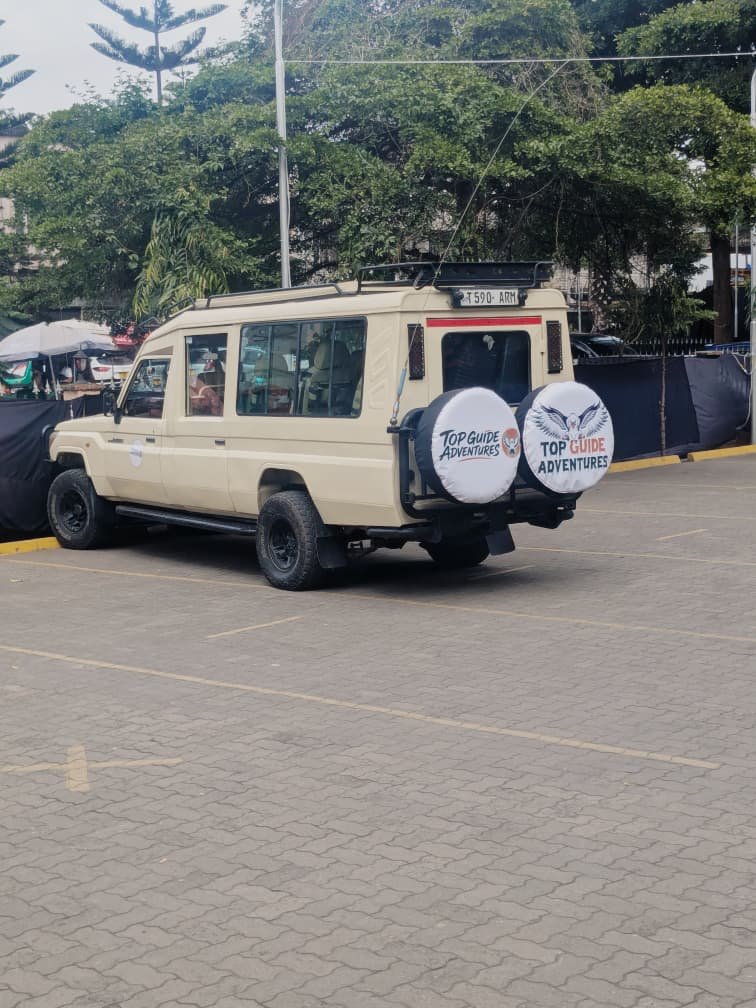
The type of vehicle used and the distance covered are significant cost drivers. Most standard safaris utilize sturdy 4×4 Land Cruisers, which are essential for navigating diverse terrains. If you opt for a fly-in safari, costs will increase dramatically due to the expense of small aircraft charters. For solo travelers, the cost of a private vehicle and guide is substantial. This is where joining a group safari becomes particularly cost-effective, as the vehicle and guide expenses are divided among multiple individuals. Ensure your chosen operator like Top Guide Adventures uses well-maintained vehicles equipped for safari conditions.
Group Joining vs. Private Safari
This is arguably the most critical decision for a solo traveler aiming to manage costs. A group joining safari is specifically designed for individuals or small groups who wish to share the costs of a safari vehicle and guide. You’ll be paired with other travelers on set itineraries, often departing on specific dates. This significantly reduces the daily rate compared to a private safari. Conversely, a private safari offers maximum flexibility, customization, and exclusivity. You have your own vehicle, guide, and a tailored itinerary. While offering unparalleled freedom, it comes at a premium, especially for a solo traveler who bears the entire vehicle and guide cost. For budget-conscious solo travelers, group joining tours, such as those offered on specific dates for Tanzania group departures, are the most practical choice.
Average Cost Breakdown for 2026-2027
To provide a clearer picture, here’s a general breakdown of what you might expect to pay per day for a solo traveler in Tanzania during the 2026-2027 season. These are estimates and can vary based on the factors mentioned above.
Estimated Daily Costs Per Person (Solo Traveler)
- Budget/Camping Safaris: $150 – $250 per day. This usually includes camping fees, park entry, basic meals, and a share of a group vehicle/guide costs.
- Mid-Range Lodge Safaris: $300 – $500 per day. This covers park fees, mid-range lodge accommodation (often with a single supplement factored in), meals, and a share of a private vehicle/guide costs if joining a small group tour, or the full cost if private.
- Luxury Safaris: $500 – $800+ per day. This includes high-end lodges or tented camps, premium services, all meals, park fees, and a private vehicle/guide. The single supplement can be substantial here.
Note: These figures often exclude international flights, visas, tips, personal insurance, and souvenirs. A Tanzania safari cost for solo travelers can be significantly higher if booking a fully private experience without joining a group.
What is Typically Included in Your Solo Safari Package?
When you book a safari package, especially with a reputable operator like Top Guide Adventures, several key components are usually covered. Understanding these inclusions helps you compare different offers and budget effectively for your 2026-2027 trip.
Common Inclusions:
- Accommodation: Nights spent in campsites, lodges, or tented camps as per your chosen itinerary. For solo travelers, this might be a single tent or a single room (which may incur a single supplement).
- Meals: Typically, all meals (breakfast, lunch, dinner) are included during the safari portion of your trip, often starting with lunch on day 1 and ending with lunch or breakfast on the final day. Water is usually provided in the safari vehicle.
- Safari Vehicle & Guide: A 4×4 safari vehicle (Land Cruiser or similar) with a professional, experienced guide. For group tours, this vehicle is shared; for private tours, it’s exclusively yours.
- Park Entrance Fees: Entry fees to all national parks and conservation areas visited during your itinerary. These are a significant portion of the safari cost.
- Game Drives: Unlimited game drives within the parks, allowing you to see wildlife.
- Transfers: Airport transfers upon arrival and departure, and transfers between your accommodation and the starting point of the safari if applicable.
- Crater Fees: If visiting the Ngorongoro Crater, the associated fees are usually included.
Important Consideration for Solo Travelers: Always confirm how accommodation for solo travelers is handled. Is it a single tent, a single room with a supplement, or are you sharing a larger tent with other solo travelers of the same gender in a camping safari? Clarifying this with your operator, like Top Guide Adventures, is essential.
Potential Hidden Costs and Extras to Consider
Beyond the core package price, there are several additional expenses that solo travelers should budget for in 2026-2027. Being aware of these helps avoid surprises and ensures you have sufficient funds for your entire journey.
Additional Expenses to Budget For:
- International Flights: Flights to and from Kilimanjaro International Airport (JRO) or other arrival points are not typically included in safari packages.
- Visa Fees: Depending on your nationality, you will need a Tanzanian visa. These can be obtained online or on arrival.
- Travel Insurance: Comprehensive travel and medical insurance is crucial and usually mandatory. Ensure it covers safari activities and potential medical emergencies.
- Gratuities (Tips): Tipping guides, cooks, and camp staff is customary and highly appreciated. Budget around $20-$30 per day per traveler for your guide, and smaller amounts for camp staff.
- Drinks and Alcohol: While water is often provided, other beverages like sodas, beer, and wine are usually extra costs.
- Personal Expenses: Souvenirs, laundry services, and any personal items you might need.
- Optional Activities: Some safaris might offer optional activities like hot air balloon rides (Serengeti), cultural village visits, or guided walks, which come with additional charges.
- Single Supplement: As mentioned, if you book a private safari or stay in lodges that charge per room, a single supplement may apply, significantly increasing the per-person cost. This is where Tanzania safari for solo travelers group joining options shine.
Maximizing Value for Solo Travelers
While solo travel can sometimes be more expensive, there are smart ways to maximize value and ensure you get the most out of your Tanzania safari experience in 2026-2027 without breaking the bank. Top Guide Adventures offers insights into making your budget work harder.
Choose Group Joining Safaris: This is the most impactful way to reduce costs. By joining a group joining safari, you share the vehicle and guide expenses, making it far more affordable than a private tour. These tours often run on fixed schedules, so flexibility with dates might be necessary.
Consider Camping Safaris: For the adventurous solo traveler, camping safaris offer an authentic connection with nature at a lower price point. You’ll sleep in comfortable tents, often with basic facilities, and enjoy communal meals, which can be a great way to meet fellow travelers. This is a popular option for those looking for Tanzania low-cost safari packages.
Travel During the Green Season: The ‘green season’ or low season (typically March-May, and sometimes November) offers lower prices for accommodation and sometimes even park fees. While wildlife viewing might be slightly different, it’s still spectacular, and the landscapes are lush and beautiful. Check out Tanzania Safari in April Green Season and Prices 2026-2027 for more.
Focus on Key Parks: While seeing every park is tempting, focusing your itinerary on 2-3 key parks like the Serengeti and Ngorongoro can be more cost-effective than trying to cover the entire country. This allows for deeper exploration of each area.
Book in Advance: Booking your safari well in advance, especially for popular seasons in 2026-2027, can sometimes secure better rates and ensure availability, particularly for group tours. It also gives you more time to save and plan.
Planning and Booking Your Solo Safari
Planning a solo safari requires careful consideration to ensure a smooth and enjoyable experience. When you’re ready to book your 2026-2027 Tanzanian adventure, Top Guide Adventures is here to assist.
1. Research and Itinerary: Decide on the duration, parks you wish to visit, and your preferred accommodation style. Consider if you’re open to joining a group or prefer a private experience. For solo travelers, exploring options like Solo Tanzania Safari: Serengeti and Ngorongoro Adventure Planning 2026-2027 can be a great starting point.
2. Get Quotes: Reach out to reputable tour operators like Top Guide Adventures. Provide them with your preferred dates, duration, number of travelers (1), and any specific interests. This will allow them to provide a detailed quote tailored to your needs.
3. Understand Inclusions and Exclusions: Carefully review what each quote includes and excludes. Pay close attention to how single supplements are handled, what meals are provided, and what park fees are covered. This is where comparing offers becomes crucial.
4. Book with Confidence: Once you’ve chosen an operator, confirm the booking details, payment schedule, and cancellation policies. For any inquiries or to start planning your personalized solo safari, don’t hesitate to contact Top Guide Adventures. You can reach us via WhatsApp at +255 616 946 642 or email at topguideadventures@gmail.com. We are experts in crafting unforgettable Tanzanian journeys for solo travelers in 2026-2027 and beyond.
Check Availability for Tanzania Solo Safari Cost And Prices For 2026-2027
Ready to compare dates, prices, and the best option for your group? Send the package name and travel month so the team can reply with a clear quote, availability, and what is included.

How Much Does A Hadzabe Tribe Tour Cost? Lake Eyasi Prices And Cultural
Planning a trip to interact with the Hadzabe people? This guide breaks down the typical costs for Hadzabe tribe tours around Lake Eyasi, detailing what influences prices, what’s usually...
View package details
Rubondo Island National Park Prices In Tanzania – Safari Fees, Chimpanzee
Understanding Rubondo Island National Park prices is key to planning your Tanzanian adventure. Costs vary based on accommodation, activities like chimpanzee trekking, and safari duration...
View package detailsAfrica Tours & Travel, All Safari Booking In Tanzania 2026-2027
Africa Tours & Travel, All Safari Booking in Tanzania is explained with current 2026-2027 planning, price, itinerary and booking information.
View package details
2 Day Tanzania Safari – Tarangire, Ngorongoro And Short Packages 2026-2027
2 Day Tanzania Safari – Tarangire, Ngorongoro and Short Safari Packages is explained with current 2026-2027 planning, price, itinerary and booking.
View package details
Serengeti Safari From Mwanza: Best Route For Western Tanzania & 2026-2027
Discover the optimal routes for a Serengeti safari starting from Mwanza, focusing on the unique experiences offered by Western Tanzania and the Western Serengeti. This guide provides...
View package details
Tanzania Classic Wildlife Safaris: Serengeti, Ngorongoro, Tarangire & Manyara
start an unforgettable Tanzania classic wildlife safari covering the iconic parks of Serengeti, Ngorongoro Crater, Tarangire, and Lake Manyara. These tours are designed to showcase the best...
View package detailsGreat Serengeti Migration Safaris In Tanzania: Best Routes, Seasons &
Discover the magic of the Great Serengeti Migration with Top Guide Adventures. This guide covers the best routes, optimal seasons for wildlife viewing, and essential planning tips for your...
View package details
Best 5 Day Private Safari Tour From Mwanza: Serengeti & Western Tanzania
start an unforgettable 5-day private safari adventure starting from Mwanza, Tanzania. This expertly crafted itinerary blends the iconic wildlife viewing of the Serengeti with the distinct...
View package detailsHadzabe Tribe Visit Cost, Hunting, Food, History And Location – Lake Eyasi
Hadzabe Tribe Visit Cost, Hunting, Food, History and Location – Lake Eyasi Cultural Safari is explained with current 2026-2027 planning, price, itinerary and.
View package detailsTop Car Brands Known For Reliability – Best Vehicles Road Trips, Safari
Top Car Brands Known for Reliability – Best Vehicles for Road Trips, Safari and Adventure Travel is explained with current 2026-2027 planning, price.
View package detailsMost Beautiful Countries In The World: Safari, Nature, And Adventure Travel
This guide explores the most beautiful countries globally, focusing on destinations that offer unparalleled opportunities for safari, nature immersion, and adventurous pursuits. From the...
View package detailsThe Worlds Richest Billionaires: Their Preferred Luxury Travel Destinations
This article delves into the travel habits and preferred destinations of the world's wealthiest individuals, examining their affinity for private islands, exclusive safari adventures, and...
View package detailsNo closely related package is available yet for this topic.



