
A Tanzania trekking tour offers unparalleled opportunities to conquer Africa’s highest peaks, primarily Mount Kilimanjaro and Mount Meru, and explore the country’s stunning diverse landscapes through various hiking adventures.
Choosing a Tanzania trekking tour for 2026-2027 means selecting the right mountain and route, understanding the physical demands, and preparing for an expedition that balances challenge with impressive rewards. Key decisions involve the duration, route difficulty, and the level of support required, with options ranging from multi-day treks to shorter, guided hikes.
Conquering Mount Kilimanjaro
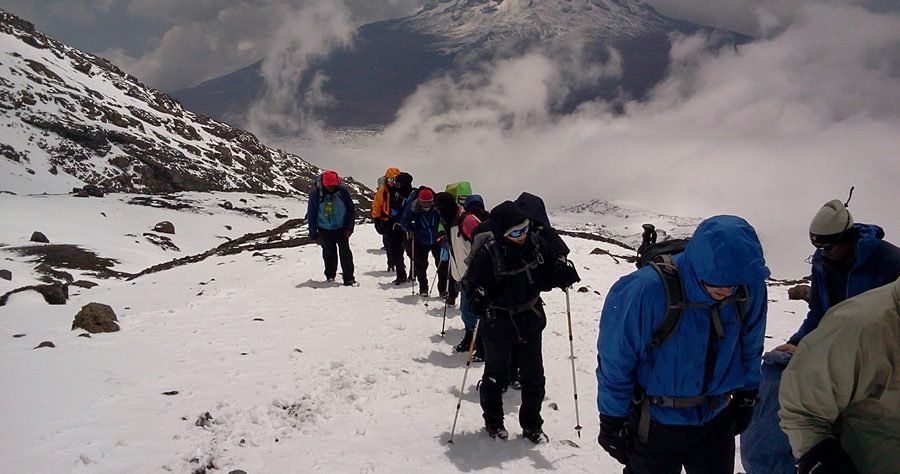
Mount Kilimanjaro, the Roof of Africa at 5,895 meters (19,341 feet), is the ultimate goal for many trekkers. It’s a dormant volcano with three distinct cones: Shira, Kibo, and Mawenzi. Kibo, the highest, features the Uhuru Peak summit, the ultimate destination. Unlike other major peaks, Kilimanjaro doesn’t require technical climbing skills, making it accessible to hikers with good physical fitness and proper acclimatization. The journey to the summit is a test of endurance, mental fortitude, and respect for the mountain’s altitude and changing environments.
The ascent typically takes between 5 to 9 days, depending on the chosen route. Each day presents a unique landscape, from lush rainforests at the base to alpine deserts and the stark, frozen arctic zone near the summit. The success rate for reaching Uhuru Peak is significantly influenced by the chosen route’s acclimatization profile and the trekker’s preparation. For those planning a Kilimanjaro trek in 2026-2027, understanding these routes is the first crucial step.
The Challenge of Mount Meru
Often considered a ‘warm-up’ for Kilimanjaro, Mount Meru stands at 4,566 meters (14,980 feet) and offers a more challenging and rugged trekking experience. Located within Arusha National Park, Meru is known for its dramatic scenery, including sheer cliffs, dense forests, and spectacular views of Kilimanjaro. Its relative proximity to Arusha makes it a popular choice for those with less time or seeking a less crowded mountain experience.
A typical Mount Meru trek lasts 3 to 4 days. The ascent is steeper and more physically demanding than some Kilimanjaro routes, especially the final push to Socialist Peak. However, its lower altitude means acclimatization is generally less of a concern compared to Kilimanjaro. The park’s abundant wildlife, including buffalo, giraffes, and various antelope species, adds an element of safari to the trek, making the Mount Meru View Safari Tour a unique combination of hiking and wildlife viewing.
Beyond the Peaks: Tanzania’s Hiking Adventures
While Kilimanjaro and Meru dominate the trekking scene, Tanzania boasts other incredible hiking destinations that offer unique geological features, rich biodiversity, and cultural immersion. These adventures cater to a broader range of fitness levels and interests, from moderate day hikes to multi-day expeditions.
- Uluguru Mountains: Near Morogoro, these mountains offer dense forests, waterfalls, and a chance to interact with local communities. The 7 Day Uluguru Mountains Hiking Holiday provides a deep look at this lush ecosystem.
- Udzungwa Mountains National Park: Known for its pristine rainforests and unique biodiversity, including endemic species of plants and animals. The 6 Day Udzungwa Mountains National Park Hiking Safari is ideal for nature lovers.
- Lake Ngozi: Located in the Southern Highlands near Mbeya, this crater lake offers stunning views and a serene trekking experience. A 7 Day Lake Ngozi Southern Tanzania Hiking Holiday can be arranged.
- Ol Doinyo Lengai: The ‘Mountain of God’ is an active volcano with a unique soda lava flow, offering a challenging and visually striking climb, often combined with visits to the Ngorongoro Conservation Area. The Ol Doinyo Lengai Climb and Mountain Trek Tanzania is for the truly adventurous.
- Isimila Stone Age Site: While not a traditional mountain trek, this area near Iringa offers unique geological formations and historical significance, explored through guided walks. A 6 Day Isimila Stone Age Site and Southern Tanzania Tour can be tailored.
These destinations provide excellent alternatives or additions to the main peak climbs, showcasing the diverse natural beauty of Tanzania. For those interested in specific regions, exploring Morogoro Tanzania Tours: Safari And Hiking Packages or Mbeya Tanzania Tours Hiking And Holiday Packages can reveal more tailored options.
Choosing Your Trekking Route and Duration
Selecting the right route is paramount for a successful and enjoyable trek, particularly for Kilimanjaro. Each route has a different acclimatization profile, scenery, and level of difficulty. For 2026-2027, popular Kilimanjaro routes include:
- Marangu Route (Coca-Cola Route): The oldest and most popular, known for its hut accommodation. It’s the shortest but has a steeper ascent and a lower success rate due to poor acclimatization. (5-6 days)
- Machame Route (Whiskey Route): A scenic and popular route with a good acclimatization profile, offering excellent “climb high, sleep low” opportunities. It involves camping. (6-7 days)
- Lemosho Route: Considered one of the most beautiful and best routes for acclimatization, starting in the west and offering diverse scenery. (7-8 days)
- Shira Route: Similar to Lemosho but starts at a higher altitude. (7-8 days)
- Rongai Route: The only route approaching from the north, offering a different perspective and often drier conditions. (6-7 days)
- Northern Circuit: The longest route, offering the best acclimatization and highest success rates, circumnavigating the mountain. (9-10 days)
For Mount Meru, the standard 4-day itinerary is most common, offering a balanced experience of the mountain’s challenges and beauty. The duration of your trek directly impacts acclimatization, cost, and the overall experience. Longer routes generally offer better acclimatization and a higher chance of summit success.
When planning for 2026-2027 Tanzania Holiday Packages: Safari, Zanzibar & Kilimanjaro Adventures, consider how a trek fits into your overall trip. For example, a Tanzania Safari And Kilimanjaro Swahili Searches might involve combining a trek with wildlife viewing.
Maximizing Your Success: Acclimatization and Preparation
Altitude sickness (Acute Mountain Sickness – AMS) is the primary concern on any high-altitude trek. Proper acclimatization is non-negotiable for summit success and safety. This involves ascending gradually, allowing your body time to adjust to lower oxygen levels. Key strategies include:
- Choose a longer route: Routes like the Northern Circuit or Lemosho for Kilimanjaro offer better acclimatization schedules.
- Ascend slowly: Follow the principle of “pole pole” (slowly, slowly) on the mountain.
- Hydration: Drink plenty of water (3-4 liters per day) to help your body adjust.
- Avoid alcohol and caffeine: These can contribute to dehydration and hinder acclimatization.
- Listen to your body: Report any symptoms of AMS (headache, nausea, dizziness) to your guide immediately.
Physical preparation is also crucial. While you don’t need to be an elite athlete, a good level of cardiovascular fitness is essential. Focus on endurance training, including hiking with a backpack, uphill walking, and activities that strengthen your legs and core. For those considering a Tanzania Trekking Tour in 2026-2027, beginning training at least 2-3 months in advance is recommended.
Understanding Terrain, Difficulty, and Accommodation
The terrain on Kilimanjaro and Mount Meru varies dramatically. Treks begin in lush rainforests, transitioning through moorlands and alpine deserts to the barren, rocky, and often icy summit zones. Expect steep ascents, descents on scree slopes, and uneven paths. The final ascent to Kilimanjaro’s summit is typically done in the dark, navigating rocky terrain and scree under headlamp.
Accommodation on the mountain differs by route:
- Huts: The Marangu route is the only one with dormitory-style huts. These offer basic shelter and amenities.
- Camping: All other Kilimanjaro routes and Mount Meru use tented camps. You’ll be provided with sturdy tents, and a mess tent is usually available for dining.
Your camping setup is managed by a dedicated crew, ensuring you have a comfortable base each night. Campsites are often situated in scenic locations, providing stunning views as you wake up or as the sun sets. The quality of your trekking experience is highly dependent on the operator’s ability to manage these logistics smoothly, from setting up camp to preparing meals.
Safety First: Support Systems and Emergency Preparedness
Safety is the top priority for any reputable trekking operator. For your 2026-2027 trek, ensure your tour provider offers comprehensive safety measures:
- Experienced Guides: Licensed guides trained in wilderness first aid and altitude sickness management are essential.
- Health Checks: Daily monitoring of your vital signs, including using a pulse oximeter to check blood oxygen levels.
- Emergency Oxygen: Portable oxygen systems are carried for immediate use in case of severe altitude sickness.
- Emergency Evacuation: Operators should have protocols for emergency evacuation, often involving park rangers and dedicated rescue teams.
- Communication: Satellite phones or other communication devices are usually carried by guides for emergencies.
TOP GUIDE ADVENTURES prioritizes safety by providing licensed mountain guides, daily health checks with a pulse oximeter, and emergency oxygen for all their treks. This level of support is critical for a safe and successful climb. Knowing that your operator has robust emergency plans in place provides significant peace of mind, especially when undertaking a challenging journey like a Tanzania Trekking Tour.
Essential Gear for Your Tanzania Trek
Proper gear is vital for comfort and safety. Layering is key to managing temperature changes. Here’s a breakdown of essential items:
- Clothing: Moisture-wicking base layers, insulating mid-layers (fleece, down jacket), waterproof and windproof outer shell (jacket and trousers), warm hat, gloves, and thermal socks.
- Footwear: Broken-in, waterproof hiking boots are essential. Camp shoes or trainers for evenings are also recommended.
- Sleeping Bag: A warm sleeping bag rated for sub-zero temperatures (e.g., -10°C to -20°C or 0°F to -4°F).
- Backpack: A comfortable daypack (25-35 liters) for daily essentials and a large duffel bag (typically 15kg limit) for your main gear, carried by porters.
- Trekking Poles: Highly recommended for stability and reducing strain on knees during ascents and descents.
- Headlamp: With extra batteries, crucial for early morning summit attempts.
- Sun Protection: High SPF sunscreen, sunglasses, and a wide-brimmed hat.
- Water Bottles/Hydration Reservoir: At least 2-3 liters capacity.
- Personal Items: First-aid kit, toiletries, hand sanitizer, camera, power bank.
Your operator will provide a detailed packing list. For example, Top Guide Adventures typically advises on the 15 kg duffel allowance for porters, ensuring you pack efficiently.
When to Trek: Seasonality and Weather
Tanzania experiences distinct seasons, and the best time for trekking depends on your preference for weather conditions.
- Dry Seasons (June to October and December to February): These are the most popular times to trek. Skies are generally clear, offering excellent visibility and stable weather. However, these periods are also colder, especially at higher altitudes, and can be busier.
- Rainy Seasons (March to May and November): These months bring rain, which can make trails muddy and slippery, and reduce visibility. However, they are less crowded and may offer lower prices. The longer rains (March-May) are generally heavier.
For summit success, the dry seasons are generally preferred. Planning your Kilimanjaro or Mount Meru trek for 2026 or 2027 during these windows will maximize your chances of clear views and favorable trekking conditions. Even in the dry season, expect significant temperature drops, especially at night and on summit day.
Understanding Trekking Tour Costs for 2026-2027
The cost of a Tanzania trekking tour, particularly for Kilimanjaro, can vary significantly based on the route, duration, operator, and level of service. Generally, prices range from $1,500 to $4,000+ per person for Kilimanjaro, and slightly less for Mount Meru.
Key factors influencing cost include:
- Route Length: Longer routes with better acclimatization profiles are typically more expensive due to more days on the mountain and increased crew costs.
- Operator Quality: Reputable operators who pay fair wages, use quality equipment, and provide robust safety measures will often cost more but offer a superior and safer experience.
- Group Size: Group treks are generally more economical than private treks.
- Inclusions: What’s included in the price is crucial. Standard inclusions typically cover park fees, crew wages, food, accommodation before/after the trek (sometimes), and equipment.
Typical Inclusions for a Kilimanjaro Trek:
- Park entrance fees
- Camping fees
- Rescue fees
- Licensed guides and support crew (cooks, porters)
- All meals on the mountain
- Tents and cooking equipment
- Pre/post-trek accommodation (often in a hotel in Moshi/Arusha)
- Ground transportation to/from the mountain
- Emergency oxygen and pulse oximeter
Common Exclusions:
- Flights to Tanzania
- Visa fees
- Travel insurance (mandatory)
- Tips for guides and crew
- Personal gear rental (e.g., sleeping bags, jackets)
- Lunches and dinners in town
- Beverages other than water on the mountain
For 2026-2027 Kilimanjaro group departures, it’s wise to compare detailed itineraries and inclusions. Be wary of extremely low prices, as they may indicate compromises on safety, crew welfare, or equipment quality. TOP GUIDE ADVENTURES offers transparent pricing and detailed inclusions for treks, ensuring you know exactly what to expect.
Booking Your Tanzania Trekking Tour
Booking your Tanzania trekking tour is an exciting step. It’s recommended to book well in advance, especially if you are targeting specific dates in the popular 2026-2027 seasons or joining a group departure. TOP GUIDE ADVENTURES provides personalized planning and booking support.
To get started, consider the following:
- Choose your mountain and route: Based on your fitness, time, and desired experience.
- Select your dates: Consider the best trekking seasons.
- Request a quote: Provide your preferred dates, route, number of people, and any specific requirements.
- Confirm inclusions and exclusions: Ensure you understand what the price covers.
- Review the operator’s terms and conditions: Pay attention to payment schedules, cancellation policies, and visa/insurance requirements.
For a smooth booking experience for your Tanzania Trekking Tour in 2026-2027, reach out to the experts at TOP GUIDE ADVENTURES. They offer local coordination from arrival, practical advice, and responsive support. You can contact them via Email topguideadventures@gmail.com or WhatsApp +255 616 946 642 to discuss your dream adventure and receive a tailored itinerary and quote.
Whether you’re aiming for the summit of Kilimanjaro, the dramatic caldera of Mount Meru, or exploring other hiking trails, a well-planned trek in Tanzania promises an unforgettable journey.
“,
“faq_schema”: []
}
“`
Check Availability for Tanzania Trekking Tour – Kilimanjaro, Mount Meru And Hiking Adventures
Ready to compare dates, prices, and the best option for your group? Send the package name and travel month so the team can reply with a clear quote, availability, and what is included.

Lake Jipe Fishing Experience: Bird Watching & Kilimanjaro Region Day Trip
Discover the serene beauty of Lake Jipe with a unique day trip focused on fishing, bird watching, and the impressive Kilimanjaro Region landscape. This experience offers a peaceful escape...
View package details
Best Affordable Hotel In Arusha – Budget Accommodation Before Safari And
Best Affordable Hotel in Arusha – Budget Accommodation Before Safari and Kilimanjaro is explained with current 2026-2027 planning, price, itinerary and.
View package detailsMost Beautiful Mountains In The World: Premier Hiking And Trekking
This comprehensive guide explores the world's most stunning mountain ranges, focusing on their appeal for hikers and trekkers. It details iconic peaks, diverse terrains, and the unique...
View package detailsSahara Desert Expedition Journeys: Camel Trekking, Camps, And Adventure Tours
Discover the allure of Sahara Desert expedition journeys, from the iconic camel trek to in-depth desert camp stays and the spirit of adventure that defines these unique experiences.
View package details
Rubondo Island National Park Prices In Tanzania – Safari Fees, Chimpanzee
Understanding Rubondo Island National Park prices is key to planning your Tanzanian adventure. Costs vary based on accommodation, activities like chimpanzee trekking, and safari duration...
View package detailsNo closely related package is available yet for this topic.



