
A Tsavo and Amboseli safari offers a classic East African wildlife experience, renowned for its massive elephant herds in Amboseli and the vast, red-hued landscapes of Tsavo teeming with diverse game, all set against the impressive backdrop of Mount Kilimanjaro. Planning this combined safari involves choosing between different park focuses, durations, and accommodation styles to best suit your interests, whether you prioritize elephant encounters, predator sightings, or the iconic Kilimanjaro vistas, with 2026-2027 offering excellent opportunities to witness these natural wonders.
Why Combine Tsavo and Amboseli?
Combining Tsavo and Amboseli National Parks on a single safari offers a compelling contrast and a richer wildlife experience than visiting either park in isolation. Amboseli, Kenya’s second-largest national park, is world-famous for its large elephant populations and stunning, unobstructed views of Mount Kilimanjaro, Africa’s highest peak, across the border in Tanzania. Tsavo, on the other hand, is a colossal park, split into Tsavo East and Tsavo West, each with its own distinct character. Tsavo East is known for its vast, open plains and the iconic red elephants, while Tsavo West offers more varied terrain, including volcanic hills, lava flows, and the crystal-clear Mzima Springs, providing a different yet equally rewarding safari adventure.
For travelers looking to experience the quintessential African safari with a focus on elephants and dramatic landscapes, this combination is hard to beat. It provides a fantastic introduction to Kenya’s diverse ecosystems and abundant wildlife. The proximity of these parks makes them logistically feasible to combine, often forming the backbone of many classic Kenyan safari itineraries. Whether you’re planning for 2026 or 2027, this safari route promises incredible photographic opportunities and unforgettable wildlife encounters.
Comparing Tsavo and Amboseli: Unique Attractions
Understanding the individual strengths of each park is key to planning an itinerary that maximizes your interests. Both parks are part of the larger Tsavo-Amboseli ecosystem, but they offer distinct experiences:
- Amboseli National Park:
- Elephant Herds: It’s the place to see hundreds, sometimes thousands, of elephants, often in large family groups. The open plains make them easily visible.
- Kilimanjaro Views: The star attraction is undoubtedly the majestic Mount Kilimanjaro, providing a impressive backdrop, especially during early mornings and late afternoons.
- Birdlife: Amboseli is a birdwatcher’s paradise, with over 400 species recorded.
- Maasai Culture: The park is surrounded by Maasai communities, offering opportunities to learn about their traditions.
- Tsavo East National Park:
- Red Elephants: Famous for its large herds of elephants that dust themselves in the park’s distinctive red soil, creating a visually striking spectacle.
- Vast Plains: The landscape is characterized by vast, dry plains, acacia thickets, and the Yatta Plateau, one of the world’s longest lava flows.
- Predators: Good chances of spotting lions, cheetahs, and leopards, often found near water sources or along the Aruba Dam.
- Scale: It’s one of the largest national parks in Kenya, offering a sense of true wilderness and remoteness.
- Tsavo West National Park:
- Dramatic Landscapes: Features volcanic hills, lava flows (like the Shetani Lava Flow), and rocky outcrops, offering a more rugged and scenic environment.
- Mzima Springs: A natural wonder where you can see hippos, crocodiles, and a variety of fish from an underwater observation chamber.
- Wildlife Diversity: Home to a good range of wildlife, including lions, leopards, cheetahs, elephants, and a growing rhino population in its sanctuary.
- Game Drives: Offers excellent game drives through diverse habitats, often leading to stunning viewpoints.
Choosing which parts of Tsavo to focus on, or whether to include both Tsavo East and West, depends on your time and interests. Many itineraries focus on Amboseli and one section of Tsavo, typically Tsavo East for its elephants and vastness, or Tsavo West for its scenic beauty and Mzima Springs. For a more comprehensive experience, a safari covering all three areas is ideal.
What Wildlife to Expect
The primary draw for most visitors to Tsavo and Amboseli is the incredible wildlife. While the parks share many species, their densities and visibility can vary:
- Elephants: Amboseli is the undisputed champion for elephant sightings. You’ll likely see large herds, including calves, interacting and moving across the plains. Tsavo’s elephants are also plentiful and known for their distinctive red hue.
- Big Cats: Lions are present in both parks, with Tsavo East and West offering good chances, especially during dawn and dusk game drives. Cheetahs are more common on the open plains of Tsavo East and in certain areas of Amboseli. Leopards are elusive but can be found in the thicker bush and rocky areas of Tsavo West.
- Other Mammals: Expect to see a wide array of herbivores, including zebras, wildebeest, giraffes (Masai giraffe in Tsavo, Reticulated giraffe in Amboseli), buffaloes, impalas, gazelles, dik-diks, warthogs, and various antelopes.
- Rhinos: Tsavo West National Park has a dedicated rhino sanctuary, offering a chance to see these endangered animals. Amboseli has a smaller rhino population.
- Birds: Both parks are havens for birdwatchers, with species like ostriches, secretary birds, various raptors, and water birds (especially around waterholes and springs).
The key to successful wildlife viewing is often patience and the expertise of your guide. Early morning and late afternoon game drives are generally the most productive times, as animals are most active during the cooler parts of the day.
The Kilimanjaro Factor: Best Viewing Spots
Mount Kilimanjaro’s imposing presence is a significant draw, particularly for photographers and those seeking iconic safari backdrops. While the mountain itself is in Tanzania, its snow-capped peaks are most spectacularly visible from Kenya, primarily from Amboseli National Park.
- Amboseli National Park: This is the prime location for Kilimanjaro views. The best vantage points are from the open plains, particularly in the western and northern parts of the park. Early morning, just after sunrise, often provides the clearest, most dramatic views as the mountain is bathed in golden light and the air is crisp. Late afternoon light can also be stunning. Look for viewpoints near Observation Hill or along the main routes where the vegetation is less dense.
- Tsavo National Parks: While Kilimanjaro is much further from Tsavo, on exceptionally clear days, you might catch a distant glimpse of its peaks from the northern reaches of Tsavo West. However, it’s not a primary reason to visit Tsavo, and you shouldn’t rely on seeing it from here.
When planning your safari, consider spending at least two full days in Amboseli to maximize your chances of clear Kilimanjaro views, as clouds can often obscure the mountain, especially during the midday heat or the rainy seasons. The iconic shots of elephants with Kilimanjaro in the background are typically captured in Amboseli.
Crafting Your Tsavo and Amboseli Safari Itinerary
The duration and focus of your safari will determine the itinerary. Here are common approaches for combining Tsavo and Amboseli, suitable for 2026-2027 travel:
- 3-Day Amboseli & Tsavo East Safari: A popular short option. Day 1: Drive from Nairobi to Amboseli, afternoon game drive. Day 2: Morning game drive in Amboseli, then drive to Tsavo East for an afternoon game drive. Day 3: Morning game drive in Tsavo East, then drive back to Nairobi. This gives a taste of both parks but can feel rushed.
- 4-Day Amboseli & Tsavo East Safari: Offers more time in each park. Day 1: Nairobi to Amboseli, afternoon game drive. Day 2: Full day in Amboseli. Day 3: Morning in Amboseli, drive to Tsavo East, afternoon game drive. Day 4: Morning game drive in Tsavo East, return to Nairobi. This allows for more in-depth exploration.
- 5-Day Amboseli, Tsavo East & West Safari: A more comprehensive option. Day 1: Nairobi to Amboseli, afternoon game drive. Day 2: Full day Amboseli. Day 3: Morning in Amboseli, drive to Tsavo West, afternoon game drive and visit Mzima Springs. Day 4: Full day Tsavo West, including rhino sanctuary. Day 5: Morning game drive in Tsavo West, then drive back to Nairobi. This provides a well-rounded experience of the diverse landscapes and wildlife.
- Longer Safaris (6+ Days): These can include more time in each park, visits to specific areas within Tsavo West, or combine these parks with others like the Maasai Mara for a more extensive Kenyan safari. For instance, a 7-day itinerary might dedicate 2 full days to Amboseli, 2 full days to Tsavo East, and 2 full days to Tsavo West.
Key Decision Point: The main choice is how much time you want to dedicate to each park and whether to include both Tsavo East and West. A shorter trip is possible but means less time for wildlife viewing and relaxation. For a truly in-depth experience, aim for at least 4-5 days.
Consider starting your safari from Nairobi, as it’s the main international gateway for most Kenyan safaris. Some itineraries may also start or end in Mombasa, particularly if you are combining this with a beach holiday.
When to Go: Seasons and Wildlife Viewing
Kenya offers excellent safari opportunities year-round, but the best time for a Tsavo and Amboseli safari depends on your priorities:
- Dry Seasons (June to October and December to February): These are generally considered the prime safari months. Wildlife congregates around permanent water sources, making them easier to spot. The vegetation is sparser, improving visibility. Amboseli’s Kilimanjaro views are often clearest during these periods. However, these are also peak tourist seasons, meaning higher prices and more crowded parks.
- Green Seasons (March to May and November): These months bring the “long” and “short” rains, respectively. The landscape becomes lush and beautiful, and birdlife is abundant. Prices are typically lower, and there are fewer tourists. Wildlife viewing can still be excellent, though animals may disperse further due to abundant water. The rains can sometimes make certain roads challenging for vehicles.
For Amboseli’s Kilimanjaro Views: The dry months, especially January-February and June-October, offer the highest probability of clear, unobstructed views of Mount Kilimanjaro. Early mornings are usually best.
For Wildlife Activity: While animals are present year-round, the dry seasons concentrate them near water, making sightings more predictable. The green seasons can be fantastic for birdwatching and photography with the vibrant landscapes.
When booking for 2026-2027, consider these seasonal variations. For peak wildlife and views, aim for the dry seasons. For a more budget-friendly and less crowded experience, consider the shoulder months or the green seasons.
Where to Stay: Lodges and Camps
Accommodation options in Tsavo and Amboseli range from rustic tented camps to comfortable lodges, catering to various budgets and preferences. The choice of accommodation significantly impacts your safari experience.
- Amboseli:
- Lodges: Offer more amenities, including swimming pools, restaurants, and en-suite bathrooms. Many are situated with prime views of Kilimanjaro. Examples include lodges managed by major safari operators.
- Tented Camps: Provide a more intimate, closer-to-nature experience. These can range from basic canvas tents with shared facilities to luxurious “glamping” options with private bathrooms and verandas.
- Tsavo East:
- Lodges/Tented Camps: Options are fewer than in Amboseli and often located near waterholes or along riverbeds. They provide a rustic yet comfortable base for exploring the vast park. Some camps offer elevated platforms for night viewing.
- Tsavo West:
- Lodges/Tented Camps: Similar to Tsavo East, with options often built into the landscape or overlooking scenic areas. Some lodges offer unique features like underground viewing hides near water sources.
Traveler Tip: If seeing elephants with Kilimanjaro is a priority, choose accommodation in Amboseli that offers clear views or is strategically located for morning and evening game drives that capture this iconic scene. For a more in-depth wilderness feel, consider a tented camp.
When discussing your safari plans for 2026 or 2027, be clear about your preferred accommodation style and budget. This will help your tour operator select the best options for you.
Planning Your Safari: Logistics and Considerations
Successfully planning a Tsavo and Amboseli safari involves several practical considerations:
- Getting There: Most safaris start from Nairobi. You can choose between road transfers (private vehicles or shared shuttles) or a short internal flight to airstrips within the parks. Road travel offers more flexibility for game drives en route and is generally more cost-effective. Flights save time but add to the overall cost.
- Park Fees: National park entry fees are mandatory and are usually charged per person, per day. These are set by the Kenya Wildlife Service (KWS) and are subject to change. Ensure your tour operator clearly states whether these are included in your safari package.
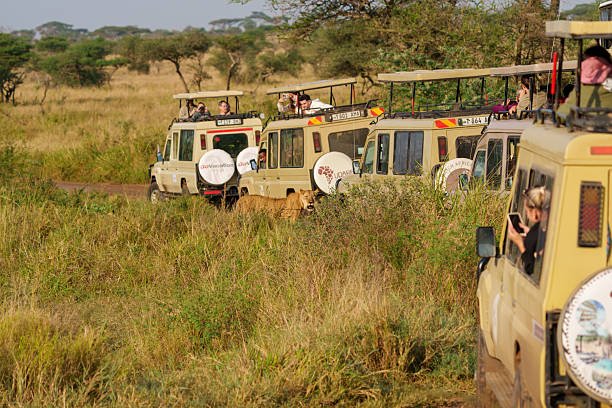
- Vehicle Choice: A 4×4 safari vehicle is essential for navigating the sometimes challenging terrain, especially in Tsavo. Ensure your vehicle has pop-up roofs for optimal game viewing and photography.
- Guides: An experienced, knowledgeable local guide is invaluable. They know the parks, animal behavior, and the best locations for sightings. For a combined Tsavo and Amboseli safari, a guide familiar with both parks is ideal.
- Packing: Pack light, neutral-colored clothing. Essentials include sunscreen, insect repellent, a wide-brimmed hat, sunglasses, comfortable walking shoes (for lodge areas), a camera with extra batteries and memory cards, and binoculars. A light jacket or fleece is recommended for cooler mornings and evenings.
- Health and Safety: Consult your doctor about necessary vaccinations and malaria precautions. Most lodges and camps have basic first-aid kits, and reputable operators will carry comprehensive medical kits and have emergency evacuation plans in place.
Budgeting: Safari costs vary based on accommodation level, duration, vehicle type (private vs. shared), and inclusions. A 3-day Amboseli and Tsavo East safari for 2026-2027 could range from approximately $500 to $1500+ per person, depending on these factors. Always clarify what is included (park fees, accommodation, meals, game drives, guide, vehicle) and what is not (flights, tips, drinks, personal expenses).
Booking Your 2026-2027 Tsavo and Amboseli Safari
When you’re ready to book your unforgettable Tsavo and Amboseli safari for 2026 or 2027, partnering with an experienced local tour operator like Top Guide Adventures is highly recommended. We specialize in crafting personalized safari experiences that cater to your specific interests and budget.
To get started, consider these steps:
- Define Your Priorities: Are you most interested in elephants, big cats, birdlife, photography, or the Kilimanjaro views? How many days do you have? What’s your budget?
- Contact Us: Reach out to our team via WhatsApp at +255 616 946 642 or email us at topguideadventures@gmail.com. Provide details about your desired travel dates, the number of travelers, your preferred accommodation style, and any specific interests.
- Receive a Custom Itinerary and Quote: Based on your input, we will design a tailored safari itinerary and provide a detailed quote outlining all inclusions and exclusions. We can discuss options for different durations, such as a classic Amboseli and Tsavo safari, or specific park combinations like 3-day Tsavo safaris.
- Confirm and Book: Once you are happy with the itinerary and quote, we will guide you through the booking process, including deposit payments and final arrangements. We pride ourselves on transparent pricing and responsive support.
Choosing Top Guide Adventures means benefiting from local expertise, ensuring a smooth and memorable safari experience. We handle all the logistics, from airport transfers to park permits and accommodation bookings, allowing you to focus on enjoying the incredible wildlife and landscapes of Tsavo and Amboseli during your 2026-2027 adventure.
Important Considerations for 2026-2027 Bookings:
Booking in advance is highly recommended, especially for peak seasons in 2026 and 2027, to secure preferred accommodation and ensure availability. We also advise reviewing our terms and conditions and refund policy for clarity on booking terms.
“,
“faq_schema”: [
{
“question”: “What is the best time of year for a Tsavo and Amboseli safari in 2026-2027?”,
“answer”: “The best time for a Tsavo and Amboseli safari in 2026-2027 is during the dry seasons, from June to October and December to February. These periods offer excellent wildlife viewing as animals gather around water sources, and Amboseli typically provides the clearest views of Mount Kilimanjaro. However, the shoulder months (November, March-May) can offer fewer crowds and lower prices, with good wildlife viewing and lush landscapes.”
},
{
“question”: “How many days are recommended for a combined Tsavo and Amboseli safari?”,
“answer”: “For a combined Tsavo and Amboseli safari, a minimum of 4 days is recommended to get a good experience of both parks, including travel time. A 5-day itinerary is ideal, allowing for more in-depth exploration of Amboseli, Tsavo East, and Tsavo West. Longer safaris of 6 days or more will provide a more comprehensive and relaxed experience.”
},
{
“question”: “What are the main wildlife attractions in Tsavo and Amboseli?”,
“answer”: “Amboseli is most famous for its large elephant herds and iconic views of Mount Kilimanjaro. Tsavo East is known for its ‘red elephants’ and vast plains, while Tsavo West offers dramatic volcanic landscapes, Mzima Springs, and a rhino sanctuary. Both parks host a wide variety of other wildlife, including lions, cheetahs, leopards, zebras, wildebeest, and numerous antelope species.”
},
{
“question”: “How can I book a Tsavo and Amboseli safari with Top Guide Adventures for 2026-2027?”,
“answer”: “You can book your 2026-2027 Tsavo and Amboseli safari by contacting Top Guide Adventures directly. Reach out via WhatsApp at +255 616 946 642 or email topguideadventures@gmail.com. Provide your preferred travel dates, number of travelers, and any specific interests, and our team will create a custom itinerary and quote for you.”
},
{
“question”: “What is the typical cost of a Tsavo and Amboseli safari?”,
“answer”: “The cost of a Tsavo and Amboseli safari varies significantly based on accommodation level (budget, mid-range, luxury), duration, and whether it’s a private or group tour. A 3-day safari typically ranges from $500 to $1500+ per person. It’s best to request a personalized quote from Top Guide Adventures for accurate pricing for your specific 2026-2027 travel plans.”
}
]
}
“`
Check Availability for Tsavo And Amboseli Safari – Elephants, Wildlife & Kilimanjaro 2026-2027
Ready to compare dates, prices, and the best option for your group? Send the package name and travel month so the team can reply with a clear quote, availability, and what is included.

Best Affordable Hotel In Arusha – Budget Accommodation Before Safari And
Best Affordable Hotel in Arusha – Budget Accommodation Before Safari and Kilimanjaro is explained with current 2026-2027 planning, price, itinerary and.
View package details
Lake Jipe Fishing Experience: Bird Watching & Kilimanjaro Region Day Trip
Discover the serene beauty of Lake Jipe with a unique day trip focused on fishing, bird watching, and the impressive Kilimanjaro Region landscape. This experience offers a peaceful escape...
View package details
Rubondo Island National Park Prices In Tanzania – Safari Fees, Chimpanzee
Understanding Rubondo Island National Park prices is key to planning your Tanzanian adventure. Costs vary based on accommodation, activities like chimpanzee trekking, and safari duration...
View package detailsBiggest Animals Ever Discovered: African Wildlife, Ocean Giants, And Safari
Discover the planet's most massive creatures, including the giants of African savannas and the leviathans of the deep sea. Learn about their habitats, characteristics, and the awe they...
View package detailsBackground Remover Free: Enhancing Safari, Wildlife, And Travel Photography
This guide explores the utility of free background removal tools for photographers specializing in safari, wildlife, and travel imagery. It covers how these tools can enhance subject...
View package detailsThe Most Beautiful Animals In World: A Wildlife Photography And Safari
Exploring the planet's most visually stunning creatures offers a unique lens through which to appreciate biodiversity. This guide focuses on animals celebrated for their aesthetic...
View package detailsTop 10 Deadliest Snakes Worldwide – African Wildlife Destinations And Safari
Top 10 Deadliest Snakes Worldwide – African Snakes, Wildlife Destinations and Safari Safety is explained with current 2026-2027 planning, price, itinerary.
View package detailsBiggest Animals Ever Discovered: A Look At Giant Wildlife And Marine Giants
Discover the awe-inspiring scale of the largest animals to have ever inhabited Earth. This guide explores the biggest land mammals and the truly immense creatures of the ocean.
View package detailsMost Dangerous Animals In The World – Safari Wildlife, Habitats And Safety
Most Dangerous Animals in the World – Safari Wildlife, Habitats and Safety Around Wild Animals is explained with current 2026-2027 planning, price, itinerary.
View package detailsThe Strongest Animals On Planet: Powerful Wildlife To Observe 2026-2027
Exploring the sheer physical power of the animal kingdom reveals creatures that command respect through their might. This guide focuses on the strongest animals on the planet, highlighting...
View package details
Tanzania Classic Wildlife Safaris: Serengeti, Ngorongoro, Tarangire & Manyara
start an unforgettable Tanzania classic wildlife safari covering the iconic parks of Serengeti, Ngorongoro Crater, Tarangire, and Lake Manyara. These tours are designed to showcase the best...
View package details
Arusha Day Trips: Wildlife, Waterfalls, Culture, Coffee & Safari Experiences
Arusha day trips offer a fantastic way to experience Tanzania's diverse attractions without committing to longer safaris. From thrilling wildlife encounters in Arusha National Park to the...
View package detailsNo closely related package is available yet for this topic.



