
A utalii wa wanyamapori Tanzania safari to Serengeti, Ngorongoro, and Tarangire offers an unparalleled wildlife viewing experience across three of East Africa’s most iconic and diverse national parks, typically lasting between 3 to 8 days for a comprehensive exploration. These destinations are renowned for their vast plains, abundant predators, unique geological formations like the Ngorongoro Crater, and significant elephant populations in Tarangire, making them a must-visit for any wildlife enthusiast planning a trip for 2026 or 2027.
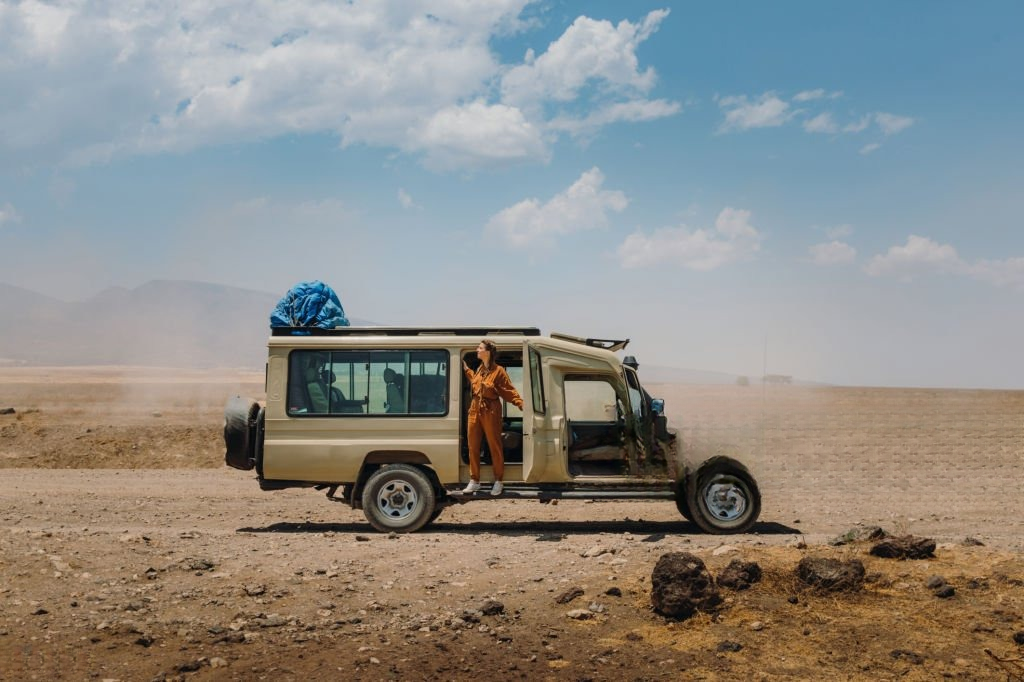

Planning a Tanzanian safari that combines the legendary Serengeti, the impressive Ngorongoro Crater, and the elephant-filled Tarangire National Park is a journey into the heart of East Africa’s most spectacular wildlife theatre. These three parks form the cornerstone of the Northern Circuit, offering distinct yet complementary ecosystems that promise incredible animal sightings year-round. Whether you’re dreaming of witnessing the Great Migration, spotting the Big Five in a single day, or marveling at massive elephant herds, this combination delivers. As you consider your adventure for 2026-2027, understanding the nuances of each park, the best times to visit, and how to structure your itinerary is key to a truly unforgettable experience.
Why Combine Serengeti, Ngorongoro, and Tarangire?
Combining Serengeti, Ngorongoro, and Tarangire on a single safari is the quintessential Northern Circuit experience for a reason. Each park offers a unique ecosystem and a distinct set of wildlife viewing opportunities, ensuring variety and depth to your adventure. It’s the most efficient way to witness Tanzania’s incredible biodiversity, from the vast savannahs of the Serengeti to the unique caldera of Ngorongoro and the baobab-studded landscapes of Tarangire.
Serengeti National Park is synonymous with the Great Migration, an awe-inspiring spectacle of millions of wildebeest, zebras, and gazelles. Its endless plains are home to a high density of predators, including lions, cheetahs, and leopards, making it a prime location for classic safari encounters. For those interested in the migration, planning your 2026-2027 trip around its movements is crucial.
Ngorongoro Crater, a UNESCO World Heritage Site, is a collapsed volcano caldera that hosts an astonishing concentration of wildlife within its relatively small confines. It’s one of the few places where you have an excellent chance of seeing the Big Five (lion, leopard, elephant, rhino, and buffalo) in a single day, thanks to its year-round water sources and diverse habitats. The unique topography also offers dramatic landscapes and a sense of exclusivity.
Tarangire National Park is most famous for its massive elephant herds, particularly during the dry season when they congregate around the Tarangire River. The park’s landscape is dotted with ancient baobab trees, adding a prehistoric charm to the scenery. It’s also a fantastic spot for birdwatching and offers a more intimate safari experience compared to the busier Serengeti.
Together, these parks provide a well-rounded safari that caters to different interests, whether you’re a keen photographer, a dedicated birder, or simply seeking to experience Africa’s iconic wildlife in its natural habitat. This combination is a popular choice for travelers planning their 2026-2027 safaris, offering a high probability of fulfilling their wildlife dreams.
Crafting Your Perfect Tanzania Safari Itinerary (2026-2027)
The beauty of a Serengeti, Ngorongoro, and Tarangire safari lies in its flexibility. Most itineraries are structured to maximize wildlife viewing while minimizing travel time between parks. Common durations range from 3 days (a quick taste) to 8 days (a more in-depth exploration). Here’s a look at typical structures and what to expect:
Classic 5-Day Tanzania Safari: Serengeti, Ngorongoro & Tarangire
This is a popular choice for many travelers, offering a good balance of time in each park.
- Day 1: Arrive in Arusha, Transfer to Tarangire. Begin your safari with a drive to Tarangire National Park, known for its large elephant herds and baobab trees. Enjoy an afternoon game drive. Overnight near Tarangire.
- Day 2: Tarangire to Serengeti. Morning game drive in Tarangire before heading to the vast plains of the Serengeti. The journey itself is scenic, with opportunities for spotting wildlife en route. Arrive in Serengeti for an afternoon game drive. Overnight in Serengeti.
- Day 3: Full Day Serengeti. Explore the Serengeti, focusing on areas known for predator sightings or the Great Migration (depending on the season). Enjoy a full day of game drives. Overnight in Serengeti.
- Day 4: Serengeti to Ngorongoro. Morning game drive in Serengeti, perhaps visiting Olduvai Gorge en route to the Ngorongoro Conservation Area. Descend into the crater for an afternoon game drive. Overnight on the crater rim or nearby.
- Day 5: Ngorongoro to Arusha. Enjoy a final morning game drive in Ngorongoro Crater or a visit to a Maasai village before returning to Arusha for your onward journey.
This 5-day itinerary provides a fantastic introduction to Tanzania’s wildlife highlights. For those with more time, extending your stay in the Serengeti or adding Lake Manyara (known for its tree-climbing lions) is a great option.
Extended 6-Day or 8-Day Tanzania Safari
Adding extra days allows for deeper exploration, particularly in the Serengeti, or the inclusion of additional activities.
- 6-Day: Typically involves an extra full day in the Serengeti for more in-depth game drives, or an additional day exploring the Ngorongoro Conservation Area, perhaps visiting local communities.
- 8-Day: Often includes dedicated days for specific areas within the Serengeti (e.g., Central, Northern, or Western Serengeti depending on migration patterns), a full day dedicated to the Ngorongoro Crater, and potentially a visit to Lake Manyara National Park. This longer duration is ideal for photographers and those who wish to experience the parks at a more relaxed pace.
For those seeking a comprehensive experience, consider the 8 Day Tanzania Safari Serengeti Ngorongoro And Tarangire 2026-2027, which allows ample time to soak in the atmosphere and maximize wildlife encounters.
Decision Point: When choosing your itinerary length, consider your budget, available time, and how much you want to experience each environment. A 5-day trip is a solid introduction, while 6-8 days offer a more profound experience. For those on a tighter schedule, a 3 Day Tanzania Safari: Serengeti, Ngorongoro & Tarangire Adventure is possible, though it will be fast-paced.
Serengeti National Park: The Endless Plains and the Great Migration
The Serengeti, meaning ‘endless plains’ in the Maasai language, is Tanzania’s oldest and most famous national park, a UNESCO World Heritage Site, and the stage for one of the planet’s most spectacular natural phenomena: the Great Migration. Spanning over 14,750 square kilometers, its sheer scale is impressive.
The Great Migration
The movement of over 1.5 million wildebeest, 250,000 zebras, and thousands of other herbivores is a year-round event, dictated by rainfall and the availability of fresh grazing. While the exact timing can vary slightly each year, the general pattern is well-established:
- December-March: The calving season in the southern Serengeti and Ngorongoro Conservation Area. Thousands of newborn wildebeest and zebras arrive, making it a prime time for predator sightings as lions and hyenas capitalize on the vulnerable young.
- April-May: The “long rains” period. The herds begin their northward trek, moving towards the western Serengeti. This is the low season, meaning fewer crowds and lower prices, but some lodges may close, and game drives can be challenging due to muddy roads.
- June-July: The herds reach the Grumeti River in the western Serengeti, often leading to dramatic river crossings. This is a highly sought-after time for photographers.
- August-October: The herds move north towards the Mara River, crossing into Kenya’s Masai Mara or staying within the northern Serengeti. These Mara River crossings are legendary and exceptionally exciting, though unpredictable.
- November: The short rains signal the herds’ return southwards, back towards the central and southern Serengeti.
Planning your 2026-2027 safari with knowledge of the migration’s location is crucial for witnessing this event. Your tour operator can advise on the best areas to stay based on the time of year.
Wildlife Beyond the Migration
Even outside of peak migration periods, the Serengeti is a wildlife paradise. Its central region, particularly around Seronera, is known for its resident populations of lions, leopards, and cheetahs year-round. You’ll find vast herds of buffalo, gazelles, impalas, and a variety of smaller game. Birdlife is also exceptional, with over 500 species recorded.
Serengeti Logistics
Accommodation in the Serengeti ranges from luxury tented camps and lodges to more mobile camps that follow the migration. For 2026-2027, booking well in advance is recommended, especially for prime migration viewing seasons. Travel within the Serengeti is typically by 4×4 safari vehicle, with game drives lasting several hours each day.
Consideration: While the migration is a major draw, the Serengeti’s resident wildlife ensures incredible sightings regardless of the season. For those prioritizing predator sightings, the central Serengeti (Seronera) is often a good bet year-round. If witnessing river crossings is your goal, plan for June-September.
Ngorongoro Crater: A Wildlife Haven in a Volcanic Caldera
The Ngorongoro Crater, part of the larger Ngorongoro Conservation Area (NCA), is a geographical marvel and a wildlife sanctuary. This UNESCO World Heritage Site is the world’s largest intact volcanic caldera, measuring approximately 19 kilometers in diameter and covering 260 square kilometers. Its steep walls create a natural enclosure, leading to an incredibly dense and diverse animal population.
Unrivaled Wildlife Density
Within the crater floor, you’ll find a unique ecosystem supporting over 25,000 large animals. The combination of grasslands, swamps, forests, and a permanent lake provides habitats for a remarkable array of species. The Ngorongoro Crater is one of the best places in Tanzania to spot the endangered black rhino, which is often seen grazing on the crater floor. Other common sightings include lions, hyenas, jackals, elephants (though fewer than in Tarangire), buffalo, hippos, and numerous antelopes like Thomson’s gazelles, Grant’s gazelles, and hartebeest. Birdlife is also prolific, with flamingos often seen on the lake.
The Crater Experience
Safaris within the Ngorongoro Crater are conducted in 4×4 vehicles. Due to conservation efforts, visitor numbers and time spent on the crater floor are regulated. Typically, you’ll spend about 6 hours on the crater floor, allowing ample time for game viewing and a picnic lunch. The views from the crater rim, where many lodges and camps are situated, are simply spectacular.
Ngorongoro Logistics and Conservation
The NCA is managed differently from national parks. It allows for human habitation, with Maasai communities living alongside wildlife. This means you might see Maasai herders with their cattle, adding a cultural dimension to the landscape. Accommodation options include lodges and tented camps on the crater rim, offering stunning views, or options slightly further afield in the NCA. For 2026-2027, booking accommodation, especially on the rim, is highly recommended due to its popularity.
Key Consideration: The Ngorongoro Crater offers a concentrated wildlife experience that is hard to match. While the Serengeti offers vastness and the thrill of migration, Ngorongoro provides a condensed, high-density viewing opportunity. It’s often included as a highlight towards the end of a Northern Circuit safari, easily accessible from Arusha.
Tarangire National Park: Land of Giants and Baobabs
Tarangire National Park, often the first or last stop on a Northern Circuit safari, is a jewel known for its massive baobab trees and large elephant populations. Covering 2,850 square kilometers, it offers a different landscape and wildlife viewing experience compared to the Serengeti and Ngorongoro.
Elephants and Baobabs
Tarangire is famous for its huge herds of elephants, which can number in the hundreds, especially during the dry season (June to October). These elephants are often seen interacting with the park’s iconic baobab trees, some of which are thousands of years old and are a photographer’s delight. The park is also home to a variety of other wildlife, including lions, leopards, cheetahs, giraffes, zebras, wildebeest, and a rich diversity of birdlife, making it a birding hotspot with over 550 species recorded.
Tarangire River and Dry Season Attraction
The Tarangire River is the park’s lifeblood, providing a reliable water source that attracts wildlife during the dry season. This concentration of animals along the river makes for excellent game viewing. The landscape is characterized by rolling hills, acacia woodlands, and the striking silhouettes of baobab trees.
Tarangire Logistics and Experience
Tarangire is easily accessible from Arusha, making it a convenient starting point for a safari. Accommodation options include lodges and tented camps both inside and just outside the park boundaries. Its relatively smaller size and less intense visitor traffic compared to the Serengeti can offer a more tranquil safari experience, particularly outside the peak dry season.
Value Proposition: Tarangire provides a superb introduction to Tanzanian wildlife, especially for elephant enthusiasts and bird watchers. Its unique landscape and concentrated wildlife make it a highly rewarding park to visit, often exceeding expectations.
When to Go: Seasonal Highlights for 2026-2027
Tanzania offers fantastic wildlife viewing year-round, but the best time to visit depends on your priorities, particularly if witnessing the Great Migration is a key goal for your 2026-2027 safari.
- Dry Season (June – October): This is considered the peak season. The weather is pleasant with clear skies and less humidity. Wildlife congregates around permanent water sources like the Tarangire River and the Serengeti’s rivers, making them easier to spot. This is the prime time for witnessing the Serengeti’s dramatic river crossings (August-October). However, it’s also the busiest and most expensive time.
- Green Season (November – May): This period is characterized by rainfall, though it’s typically not continuous. The landscape is lush and green, offering stunning photographic opportunities. This is the calving season in the southern Serengeti (December-March), making it ideal for viewing predators and newborn animals. It’s also the low season, meaning fewer tourists and potentially lower prices. Birdwatching is exceptional during this time.
Specifics for 2026-2027:
- Great Migration: For wildebeest and zebra river crossings in the northern Serengeti, aim for August to October 2026 or 2027. For the calving season and predator action in the southern Serengeti, target December 2026 to March 2027.
- Elephants in Tarangire: The largest elephant herds are typically seen during the dry season, June to October 2026 and 2027.
- Ngorongoro Crater: Wildlife is present year-round, making it a reliable destination any time.
- Birding: The green season (November-May) offers the best birding opportunities, with migratory birds also present.
Traveler Tip: If you’re looking for a balance of good wildlife viewing, fewer crowds, and potentially better prices for your 2026-2027 safari, consider the shoulder months of May, June, or November.
Choosing Your Accommodation: From Luxury Lodges to Tented Camps
Your choice of accommodation significantly impacts your safari experience, offering different levels of comfort, immersion, and proximity to wildlife. For a Serengeti, Ngorongoro, and Tarangire safari in 2026-2027, you’ll find a range of options:
Luxury Lodges
These are permanent structures offering high-end amenities, often with swimming pools, fine dining, and spacious rooms with en-suite bathrooms. They provide a comfortable and convenient base after a day of game drives. Examples include lodges on the Ngorongoro crater rim or within the Serengeti.
Tented Camps (Permanent & Semi-Permanent)
Experience the romance of safari in comfortable canvas tents. These camps offer en-suite bathrooms, comfortable beds, and often a central dining and lounge area. Permanent camps are fixed, while semi-permanent or mobile camps move with the Great Migration, offering prime locations in the Serengeti at different times of the year.
Budget-Friendly Options
For those on a tighter budget, there are more basic lodges and campsites available. These often involve shared facilities or simpler accommodations, providing a more rustic experience without compromising on the safari adventure itself. Tanzania Budget Safari: Cheap Group Joining Serengeti & Ngorongoro Tours 2026-2027 can be a great way to see these parks affordably.
Factors to Consider:
- Location: Lodges inside the parks or on the crater rim offer the most convenience and the best views.
- Style: Do you prefer the luxury of a lodge or the in-depth feel of a tented camp?
- Budget: Accommodation is a significant part of the safari cost. Your choice will greatly influence the overall price.
- Exclusivity: Mobile camps following the migration offer a unique, intimate experience but can be more expensive.
TOP GUIDE ADVENTURES can help you select the perfect accommodation to match your preferences and budget for your 2026-2027 safari.
Essential Planning: Logistics, Costs, and Booking Your 2026-2027 Adventure
Planning a Tanzanian safari involves several key considerations to ensure a smooth and enjoyable experience. Understanding these elements will help you make informed decisions for your 2026-2027 trip.
Safari Duration and Pace
As discussed, itineraries typically range from 3 to 8 days. A shorter trip (3-4 days) will be fast-paced and cover the highlights. Longer trips (5-8 days) allow for more relaxed game drives, deeper exploration of each park, and the possibility of adding cultural experiences or other nearby attractions.
Transportation and Vehicles
Standard safari vehicles are 4×4 Land Cruisers or Land Rovers, equipped with pop-up roofs for excellent game viewing and photography. Most operators provide a dedicated driver-guide for your entire safari. For group joining tours, you’ll share a vehicle with other travelers. Group Joining Serengeti Ngorongoro And Tarangire Safari offers a more budget-friendly option.
Cost and Budget Considerations for 2026-2027
Safari costs in Tanzania can vary significantly based on accommodation level, duration, group size, and season. A general estimate for a mid-range 5-day Serengeti, Ngorongoro, and Tarangire safari for 2026-2027 typically ranges from $1,800 to $3,000 per person, excluding international flights. This usually includes:
- Park entry fees
- Accommodation
- All meals during the safari
- 4×4 safari vehicle and driver-guide
- Crater service fee (for Ngorongoro)
- Airport transfers
Exclusions often include:
- International flights
- Visa fees
- Travel insurance
- Tips for guides and staff
- Drinks and personal expenses
- Optional activities (e.g., hot air balloon safari)
For the most accurate pricing, it’s best to request a personalized quote. Tanzania Mid-Range Safari: Serengeti & Ngorongoro Lodge Packages 2026-2027 can give you an idea of what to expect.
Booking Windows and Deposits
For popular seasons in 2026-2027, especially during the dry season and migration periods, booking 6-12 months in advance is highly recommended. Most operators require a deposit (typically 20-30%) to secure your booking, with the balance due closer to your departure date. Check the terms and conditions for specific payment schedules.
Travel Insurance and Health
Comprehensive travel insurance is essential and usually mandatory for safari bookings. It should cover medical emergencies, trip cancellation, and lost luggage. Consult your doctor regarding necessary vaccinations and malaria prophylaxis well in advance of your trip.
Packing Essentials
Pack light, neutral-colored clothing (khaki, beige, green). Essential items include:
- Lightweight long-sleeved shirts and trousers
- Fleece or warm jacket for cool evenings/mornings
- Comfortable walking shoes
- Sun hat, sunglasses, and high SPF sunscreen
- Insect repellent
- Camera with extra batteries and memory cards
- Binoculars
- Personal first-aid kit
- Reusable water bottle
Most safari vehicles have a strict luggage limit, usually 15 kg per person in a soft duffel bag. Check this detail with your operator.
Booking Your Tanzania Safari with Top Guide Adventures
Choosing the right tour operator is crucial for a smooth and memorable safari experience. TOP GUIDE ADVENTURES, based in Moshi/Arusha, are experts in organizing Northern Circuit safaris, including the Serengeti, Ngorongoro, and Tarangire. They offer personalized service and local expertise to ensure your 2026-2027 adventure is everything you dream of.
Why Choose TOP GUIDE ADVENTURES?
- Local Expertise: As a local operator, we have in-depth knowledge of the parks, wildlife patterns, and best times to visit for optimal sightings.
- Customized Itineraries: We tailor safaris to your interests, budget, and preferred travel style, whether you’re looking for a private custom tour or joining a group.
- Experienced Guides: Our licensed guides are passionate about wildlife and dedicated to providing an enriching and safe safari experience.
- Responsive Support: From your initial inquiry to your departure, we provide practical advice and responsive booking support.
- Safety First: For mountain treks, we provide emergency oxygen and pulse oximeters, and our safari guides are trained in safety protocols.
Ready to Plan Your 2026-2027 Tanzania Safari?
To get started on planning your dream utalii wa wanyamapori Tanzania safari to Serengeti, Ngorongoro, and Tarangire, contact us today. Please provide us with your preferred travel dates, duration, number of travelers, and any specific interests you have (e.g., photography, birding, migration focus). This information will help us craft the perfect itinerary for you.
You can reach us via:
- WhatsApp: +255 616 946 642
- Email: topguideadventures@gmail.com
Let TOP GUIDE ADVENTURES be your partner in creating an unforgettable wildlife adventure in Tanzania for 2026-2027. We look forward to helping you explore these incredible destinations!
“,
“faq_schema”: []
}
“`
Check Availability for Utalii Wa Wanyamapori Tanzania Serengeti Ngorongoro Na Tarangire 2026-2027
Ready to compare dates, prices, and the best option for your group? Send the package name and travel month so the team can reply with a clear quote, availability, and what is included.

Tanzania Classic Wildlife Safaris: Serengeti, Ngorongoro, Tarangire & Manyara
start an unforgettable Tanzania classic wildlife safari covering the iconic parks of Serengeti, Ngorongoro Crater, Tarangire, and Lake Manyara. These tours are designed to showcase the best...
View package details
2 Day Tanzania Safari – Tarangire, Ngorongoro And Short Packages 2026-2027
2 Day Tanzania Safari – Tarangire, Ngorongoro and Short Safari Packages is explained with current 2026-2027 planning, price, itinerary and booking.
View package details
Serengeti Safari From Mwanza: Best Route For Western Tanzania & 2026-2027
Discover the optimal routes for a Serengeti safari starting from Mwanza, focusing on the unique experiences offered by Western Tanzania and the Western Serengeti. This guide provides...
View package details
Great Serengeti Migration Safaris In Tanzania: Best Routes, Seasons &
Discover the magic of the Great Serengeti Migration with Top Guide Adventures. This guide covers the best routes, optimal seasons for wildlife viewing, and essential planning tips for your...
View package details
Best 5 Day Private Safari Tour From Mwanza: Serengeti & Western Tanzania
start an unforgettable 5-day private safari adventure starting from Mwanza, Tanzania. This expertly crafted itinerary blends the iconic wildlife viewing of the Serengeti with the distinct...
View package details
How To Visit Southern Serengeti For Calving Season – Ndutu Safari, Timing And
Visiting the Southern Serengeti during the calving season in Ndutu offers an unparalleled wildlife spectacle. This guide details the optimal timing, essential logistics, and what to...
View package detailsAfrica Tours & Travel, All Safari Booking In Tanzania 2026-2027
Africa Tours & Travel, All Safari Booking in Tanzania is explained with current 2026-2027 planning, price, itinerary and booking information.
View package details
Migration Wildlife Hotspots – Best Places To See The Great In Tanzania
Witnessing the Great Migration in Tanzania is a bucket-list safari experience. This natural phenomenon sees millions of wildebeest, zebras, and antelopes traverse the plains in search of...
View package details
Rubondo Island National Park Prices In Tanzania – Safari Fees, Chimpanzee
Understanding Rubondo Island National Park prices is key to planning your Tanzanian adventure. Costs vary based on accommodation, activities like chimpanzee trekking, and safari duration...
View package details
Airport Security Rules In Tanzania: Luggage, Electronics & Travel Essentials
Understand Tanzania's airport security rules for luggage, electronics, and general travel requirements to ensure a smooth entry for your 2026-2027 safari or Zanzibar trip.
View package detailsTop Car Brands Known For Reliability – Best Vehicles Road Trips, Safari
Top Car Brands Known for Reliability – Best Vehicles for Road Trips, Safari and Adventure Travel is explained with current 2026-2027 planning, price.
View package detailsMost Beautiful Countries In The World: Safari, Nature, And Adventure Travel
This guide explores the most beautiful countries globally, focusing on destinations that offer unparalleled opportunities for safari, nature immersion, and adventurous pursuits. From the...
View package detailsNo closely related package is available yet for this topic.



