
A 3-day Serengeti National Park and Ngorongoro Crater safari is a whirlwind adventure designed to give you a concentrated taste of Tanzania’s most iconic wildlife destinations. This compact itinerary typically starts and ends in Arusha, focusing on maximizing game viewing opportunities within these two legendary parks over a short period, making it ideal for travelers with tight schedules who want to witness the Big Five and the impressive landscapes of East Africa. The primary decision for travelers is choosing the right operator and accommodation style to suit their budget and desired experience for this fast-paced journey in 2026-2027.
Trip Snapshot: 3 Day Serengeti & Ngorongoro Safari
This 3-day safari package is a popular choice for its efficiency, packing the highlights of two of Africa’s most celebrated wildlife sanctuaries into a short timeframe. It’s designed for travelers who might be combining it with other East African adventures, such as climbing Kilimanjaro or visiting Zanzibar, or for those with limited vacation days. The pace is brisk, requiring early starts and full days of game drives to cover the vast distances and diverse ecosystems. You’ll typically experience a full day in the Serengeti, followed by a day exploring the Ngorongoro Crater, with travel days at either end. This itinerary is perfect for spotting the Big Five (lion, leopard, elephant, rhino, buffalo) and witnessing the incredible density of wildlife that Tanzania is famous for. For 2026-2027, this remains a top-tier short safari option.
Your 3-Day Safari Itinerary: Serengeti & Ngorongoro
This itinerary is a common structure, though specific timings and routes can be adjusted by your tour operator. The key is maximizing your time on game drives.
Day 1: Arusha to Serengeti National Park
Your adventure begins early in Arusha, typically with a pickup from your hotel or Kilimanjaro International Airport (JRO). You’ll drive towards the Serengeti, often stopping at the Ngorongoro Conservation Area boundary for a brief pause or to pick up park permits. The drive into the Serengeti itself is part of the experience, as you’ll begin spotting wildlife even as you travel towards your accommodation. Depending on your arrival time and lodge location, you’ll start your first game drive en route to your camp or lodge. The Serengeti is vast, and game viewing is often excellent right from the start, with opportunities to see large herds of wildebeest and zebra (depending on the season), lions, cheetahs, elephants, and giraffes.
Traveler Choice: Some itineraries might include a brief stop at Mto wa Mbu village for a cultural glimpse, or a visit to a Maasai boma, though for a 3-day trip, these add significant time and might be skipped to maximize wildlife viewing. The choice is yours – prioritize culture or wildlife density.
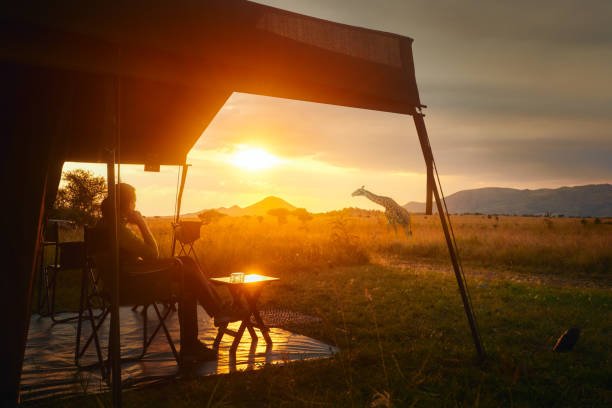
Accommodation: You’ll spend the night in a lodge or tented camp within the Serengeti, offering a true wilderness immersion. Options range from budget-friendly campsites to luxurious tented camps.
Day 2: Serengeti National Park to Ngorongoro Crater
You’ll wake up for an early morning game drive in the Serengeti, the best time to catch predators in action or witness the sunrise over the plains. After breakfast, you’ll have a final game drive as you exit the park, heading towards the Ngorongoro Conservation Area. The drive is scenic, transitioning from the open plains to the highlands. You’ll descend into the Ngorongoro Crater for an unforgettable afternoon of game viewing. The crater floor is a UNESCO World Heritage Site and boasts an incredibly high density of wildlife, including the elusive black rhino, which are often seen here. You’re almost guaranteed to see the Big Five within this compact ecosystem. The sheer number of animals – from lions and hyenas to hippos and flamingos – is astonishing. Your game drive will conclude in the late afternoon, and you’ll ascend the crater rim to your accommodation for the night.
Traveler Choice: Some tours might offer a guided walk along the crater rim in the morning before descending, or a visit to a Maasai village on the crater highlands. These are optional add-ons that require careful time management to fit within the 3-day schedule.
Accommodation: Overnight stay in a lodge or tented camp situated on the rim of the Ngorongoro Crater, offering spectacular views.
Day 3: Ngorongoro Crater to Arusha
After breakfast, depending on your flight schedule, you might have a final brief game drive en route out of the Ngorongoro Conservation Area or head directly back to Arusha. The drive back to Arusha takes approximately 3-4 hours. You’ll be transferred to your hotel or to Kilimanjaro International Airport (JRO) for your onward journey. If you have a late flight, you could potentially visit the Shanga community project or the Tanzanite Museum in Arusha for some last-minute souvenir shopping or cultural insight.
Traveler Choice: Some travelers opt to spend a final night in Arusha to relax or explore the town before departing. This is an option to discuss with your tour operator.
Key Logistics: Accommodation, Meals, and Transfers
Understanding the operational side of a short safari is crucial for managing expectations. Top Guide Adventures prioritizes practical planning to ensure you get the most out of your 3 days.
Accommodation Styles
For a 3-day safari, the choice of accommodation significantly impacts the experience and cost. You’ll typically find three main categories:
- Budget Camping: This involves staying in public or special campsites within the parks. You’ll sleep in tents and use shared bathroom facilities. It’s the most affordable option and offers a very close-to-nature experience. Meals are prepared by a camp chef.
- Mid-Range Lodges/Tented Camps: These offer more comfort with en-suite bathrooms, proper beds, and often dining rooms and lounges. They provide a good balance of comfort and proximity to wildlife. Many are permanent tented camps that feel very authentic.
- Luxury Lodges/Tented Camps: These are high-end establishments offering premium amenities, fine dining, private verandas, and exceptional service. They are the most expensive but provide an unparalleled comfort and exclusive experience.
For a 3-day trip, staying inside the park or on the crater rim is highly recommended to maximize game viewing time. Driving from outside the park each day would consume too much valuable safari time.
Meals on Safari
Meals are typically provided as part of your safari package. This usually includes:
- Breakfast: Served at your lodge or camp.
- Lunch: Often a packed lunch (picnic) enjoyed in a scenic spot within the park, especially on game drive days. This saves time and allows for continuous wildlife viewing.
- Dinner: Served at your lodge or camp.
Dietary Requirements: It’s essential to inform your tour operator, like Top Guide Adventures, about any dietary restrictions or allergies well in advance (e.g., vegetarian, vegan, gluten-free, allergies). They are experienced in catering to these needs.
Transfers and Transportation
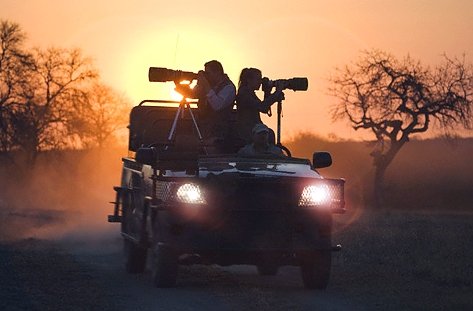
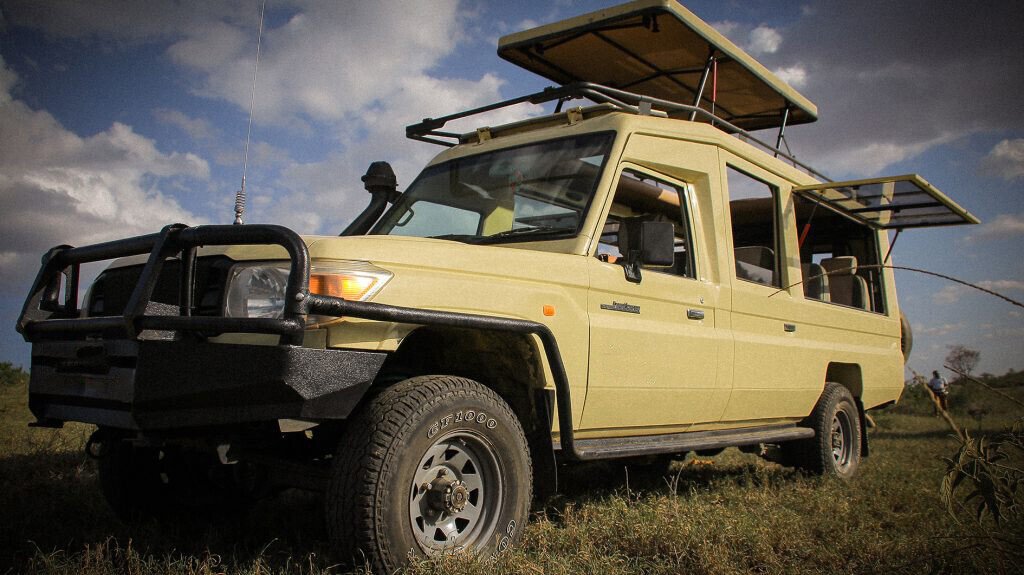
Your safari will be conducted in a custom-built 4×4 safari vehicle (usually a Land Cruiser or Land Rover) with a pop-up roof for excellent game viewing and photography. These vehicles are equipped for off-road conditions. The price typically includes:
- Airport or hotel pickup in Arusha.
- All park entrance fees and conservation fees.
- Transportation between parks and to/from Arusha.
- A professional, English-speaking safari guide.
Note on internal flights: For a 3-day trip, flying directly into a Serengeti airstrip from Arusha (or other hubs like Zanzibar) is an option, saving considerable driving time. However, this significantly increases the cost. For most 3-day itineraries, road transfers are standard.
What’s Included and What’s Not
Understanding what’s covered in your safari package is vital for budgeting and avoiding surprises. While inclusions can vary slightly between operators, here’s a general guide for a 3-day Serengeti and Ngorongoro safari from Top Guide Adventures:
Typical Inclusions:
- Park Fees: All entrance fees for Serengeti National Park and Ngorongoro Conservation Area.
- Accommodation: 2 nights’ accommodation as per your chosen lodge/camp category.
- Meals: All meals (breakfast, lunch, dinner) as specified in the itinerary.
- Game Drives: Daily game drives in a 4×4 safari vehicle with a pop-up roof.
- Vehicle & Guide: Use of a 4×4 safari vehicle and an experienced English-speaking driver-guide.
- Water: Bottled drinking water provided in the vehicle during game drives.
- Transfers: Airport or hotel transfers in Arusha at the start and end of the safari.
- Crater Service Fee: Included for Ngorongoro Crater descent.
Typical Exclusions:
- International Flights: Flights to and from Kilimanjaro International Airport (JRO).
- Visa Fees: Tanzania visa costs.
- Travel Insurance: Comprehensive travel and medical insurance.
- Gratuities: Tips for your safari guide and any lodge staff.
- Beverages: Alcoholic drinks, sodas, and other beverages not specified.
- Personal Expenses: Souvenirs, laundry, and other personal items.
- Optional Activities: Hot air balloon safaris (highly recommended but costly), guided walks (if not included), cultural visits.
- Vaccinations & Medications: Costs associated with any required health precautions.
Crucial Confirmation: Always ask for a detailed list of inclusions and exclusions from your chosen operator. For instance, clarify if drinks are included, if park fees are subject to change for 2026-2027, and what the policy is for optional activities.
Understanding the Cost and Booking Your Safari
The cost of a 3-day Serengeti and Ngorongoro safari can vary significantly based on several factors. Top Guide Adventures offers flexible options to suit different budgets.
Factors Influencing Price:
- Accommodation Level: Budget camping is the most economical, followed by mid-range lodges, and then luxury lodges. This is the biggest cost driver.
- Vehicle Type: While most operators use 4×4 Land Cruisers, some might use slightly older or smaller vehicles for budget options.
- Group Size: Group joining safaris are significantly cheaper per person than private safaris. For a 3-day trip, private safaris are often preferred for flexibility.
- Season: Peak season (June-October and December-February) is generally more expensive than the low season (March-May, excluding Easter).
- Inclusions: Packages that include more activities or higher-end services will cost more.
Price Ranges (Estimate for 2026-2027):
It’s challenging to give exact figures without a specific quote, but generally:
- Budget (Camping): Expect approximately $650 – $900 per person.
- Mid-Range (Lodges/Tented Camps): Expect approximately $900 – $1,400 per person.
- Luxury (High-End Lodges): Expect approximately $1,500 – $2,500+ per person.
These are rough estimates for a private 3-day safari. Group joining safaris (if available for this short duration) can reduce costs further. For the most accurate pricing for your 2026-2027 travel dates, it’s best to get a personalized quote.
Booking Your Safari with Top Guide Adventures:
To book your 3-day Serengeti and Ngorongoro safari, or to get a detailed quote, it’s best to contact us directly. We can tailor the itinerary to your preferences and budget.
What to send us:
- Your preferred travel dates for 2026 or 2027.
- The number of people traveling.
- Your preferred accommodation style (budget, mid-range, luxury).
- Any specific interests or requests.
Next Steps: Reach out via WhatsApp (+255 616 946 642) or email us at topguideadventures@gmail.com. We’ll respond promptly to discuss your dream safari and provide a personalized itinerary and quote. Booking in advance is recommended, especially for peak seasons in 2026-2027.
When to Go: Timing Your 3-Day Safari
While Tanzania offers incredible wildlife viewing year-round, certain times are better suited for specific experiences, and this is crucial for a short 3-day trip.
- The Great Migration: If witnessing the Great Migration is a priority, timing is everything. The exact location of the millions of wildebeest and zebras varies throughout the year. Generally, the Serengeti plains are best for calving season (January-March), the western corridor for river crossings (May-July), and the northern Serengeti for larger river crossings (July-October). For a 3-day trip, you’ll likely be in a region where resident wildlife is abundant, regardless of migration patterns.
- Dry Season (June to October): This is the most popular time. Weather is pleasant, with less rain and humidity. Wildlife congregates around water sources, making them easier to spot. However, it’s also peak season, meaning higher prices and more crowds.
- Wet Season (November to May): This period sees lush green landscapes and fewer tourists. The short rains occur in November and December, followed by the long rains from March to May. While game viewing is still excellent, rain can sometimes disrupt game drives. The calving season in January-March is spectacular, with abundant predators.
For a 3-day safari: Given the short duration, any time of year can be rewarding. However, if you are aiming for a specific migration event, a longer trip might be necessary to position yourself correctly. For general Big Five viewing and a high density of animals, the dry season is often preferred for its ease of spotting. Consider the 2026-2027 season when planning your ideal timing.
Essential Preparation and Packing Tips
While a 3-day safari is short, proper preparation ensures comfort and maximizes your enjoyment. Top Guide Adventures provides guidance to help you pack smart.
What to Pack:
- Clothing: Lightweight, neutral-colored clothing (khaki, beige, green, brown). Avoid bright colors. Pack layers as mornings and evenings can be cool, especially on the crater rim. Include T-shirts, long-sleeved shirts, trousers/shorts, and a warm fleece or jacket.
- Footwear: Comfortable walking shoes or hiking boots (though extensive walking isn’t part of this itinerary, they are useful for around camps), and sandals or flip-flops for relaxing.
- Sun Protection: A wide-brimmed hat, sunglasses, and high SPF sunscreen are essential. The African sun is intense.
- Insect Repellent: Especially important for evenings and in areas prone to mosquitoes.
- Camera & Binoculars: Bring extra batteries, memory cards, and a zoom lens for your camera. Binoculars are invaluable for spotting distant wildlife.
- Personal Items: A small backpack for day trips, personal toiletries, any prescription medications, and a basic first-aid kit.
- Documents: Passport, visa (if required), flight details, and a copy of your safari booking confirmation.
Important Considerations:
- Luggage Allowance: If flying internally (not standard for 3-day road trips), soft-sided duffel bags are preferred, typically with a weight limit of 15 kg per person. Hard suitcases can be problematic. For road safaris, while less strict, a duffel is still more practical for vehicle storage.
- Health Precautions: Consult your doctor about recommended vaccinations and malaria prophylaxis. Yellow fever vaccination may be required if arriving from certain countries.
- Money: Carry some US Dollars (newer bills, 2009 or later) for tips and personal expenses. Credit cards are accepted at most lodges but not always for small purchases or tips. ATMs are available in Arusha.
- Power Adapters: Tanzania uses Type D sockets (230V). Bring a universal adapter if needed.
Frequently Asked Questions
Q1: Is a 3-day safari enough to see the Big Five?
Yes, it is possible, especially with a well-planned itinerary that includes both the Serengeti and the Ngorongoro Crater. The Ngorongoro Crater, in particular, has a very high concentration of animals, making Big Five sightings more probable within a shorter timeframe. However, wildlife sightings are never guaranteed.
Q2: What is the difference between Serengeti and Ngorongoro Crater?
The Serengeti is a vast ecosystem known for its endless plains and the Great Migration, offering a classic savanna safari experience. The Ngorongoro Crater is a large volcanic caldera, a collapsed volcano, offering a unique, contained ecosystem with a high density of wildlife, including rhinos, and dramatic scenery.
Q3: Can I do a 3-day safari from Zanzibar?
Yes, it’s possible, but it requires flying. You would typically fly from Zanzibar to a Serengeti airstrip or Arusha, and then potentially fly out of the Serengeti to Arusha for your return flight to Zanzibar. This significantly increases the cost and reduces your time on the ground, making a road safari from Arusha more common for this duration. For longer trips from Zanzibar, consider Tanzania Safari From Zanzibar To Serengeti National Park 2026-2027.
Q4: Is it better to do Serengeti or Ngorongoro for a short trip?
For a 3-day trip, combining both is the most efficient way to experience the highlights of both. If you had to choose only one, the Serengeti offers a broader savanna experience and the chance to see the migration (seasonally), while the Ngorongoro Crater offers unparalleled density and a higher chance of seeing rhinos in a dramatic setting. Most 3-day itineraries aim to include both.
Q5: What are the accommodation options for a 3-day safari?
You can choose from budget public campsites, mid-range lodges and tented camps, or luxury lodges. For such a short trip, staying inside or very near the parks is recommended to maximize game drive time. Top Guide Adventures can help you select the best fit for your budget and comfort level for 2026-2027.
Q6: What if I want a private safari versus a group safari?
A private safari offers maximum flexibility in terms of timing and route within the park, and you’ll have your own dedicated guide and vehicle. Group joining safaris are more budget-friendly as costs are shared, but you’ll travel with other people and have less control over the schedule. For a 3-day trip, private safaris are often preferred for efficiency. You can explore Tanzania Group Joining Safari: Daily Serengeti, Ngorongoro & Tarangire options for longer durations or if budget is the primary concern.
A 3-day Serengeti National Park and Ngorongoro Crater safari offers an incredible, albeit brief, immersion into Tanzania’s unparalleled wildlife. It’s a testament
Check Availability for 3 Day Serengeti National Park And Ngorongoro Crater Safari 2026-2027
Ready to compare dates, prices, and the best option for your group? Send the package name and travel month so the team can reply with a clear quote, availability, and what is included.

Tanzania Classic Wildlife Safaris: Serengeti, Ngorongoro, Tarangire & Manyara
start an unforgettable Tanzania classic wildlife safari covering the iconic parks of Serengeti, Ngorongoro Crater, Tarangire, and Lake Manyara. These tours are designed to showcase the best...
View package details
2 Day Tanzania Safari – Tarangire, Ngorongoro And Short Packages 2026-2027
2 Day Tanzania Safari – Tarangire, Ngorongoro and Short Safari Packages is explained with current 2026-2027 planning, price, itinerary and booking.
View package details
Serengeti Safari From Mwanza: Best Route For Western Tanzania & 2026-2027
Discover the optimal routes for a Serengeti safari starting from Mwanza, focusing on the unique experiences offered by Western Tanzania and the Western Serengeti. This guide provides...
View package details
Great Serengeti Migration Safaris In Tanzania: Best Routes, Seasons &
Discover the magic of the Great Serengeti Migration with Top Guide Adventures. This guide covers the best routes, optimal seasons for wildlife viewing, and essential planning tips for your...
View package details
How To Visit Southern Serengeti For Calving Season – Ndutu Safari, Timing And
Visiting the Southern Serengeti during the calving season in Ndutu offers an unparalleled wildlife spectacle. This guide details the optimal timing, essential logistics, and what to...
View package details
Best 5 Day Private Safari Tour From Mwanza: Serengeti & Western Tanzania
start an unforgettable 5-day private safari adventure starting from Mwanza, Tanzania. This expertly crafted itinerary blends the iconic wildlife viewing of the Serengeti with the distinct...
View package details
Rubondo Island National Park Prices In Tanzania – Safari Fees, Chimpanzee
Understanding Rubondo Island National Park prices is key to planning your Tanzanian adventure. Costs vary based on accommodation, activities like chimpanzee trekking, and safari duration...
View package detailsAfrica Tours & Travel, All Safari Booking In Tanzania 2026-2027
Africa Tours & Travel, All Safari Booking in Tanzania is explained with current 2026-2027 planning, price, itinerary and booking information.
View package detailsTop Car Brands Known For Reliability – Best Vehicles Road Trips, Safari
Top Car Brands Known for Reliability – Best Vehicles for Road Trips, Safari and Adventure Travel is explained with current 2026-2027 planning, price.
View package detailsMost Beautiful Countries In The World: Safari, Nature, And Adventure Travel
This guide explores the most beautiful countries globally, focusing on destinations that offer unparalleled opportunities for safari, nature immersion, and adventurous pursuits. From the...
View package detailsThe Worlds Richest Billionaires: Their Preferred Luxury Travel Destinations
This article delves into the travel habits and preferred destinations of the world's wealthiest individuals, examining their affinity for private islands, exclusive safari adventures, and...
View package detailsBiggest Animals Ever Discovered: African Wildlife, Ocean Giants, And Safari
Discover the planet's most massive creatures, including the giants of African savannas and the leviathans of the deep sea. Learn about their habitats, characteristics, and the awe they...
View package detailsNo closely related package is available yet for this topic.



