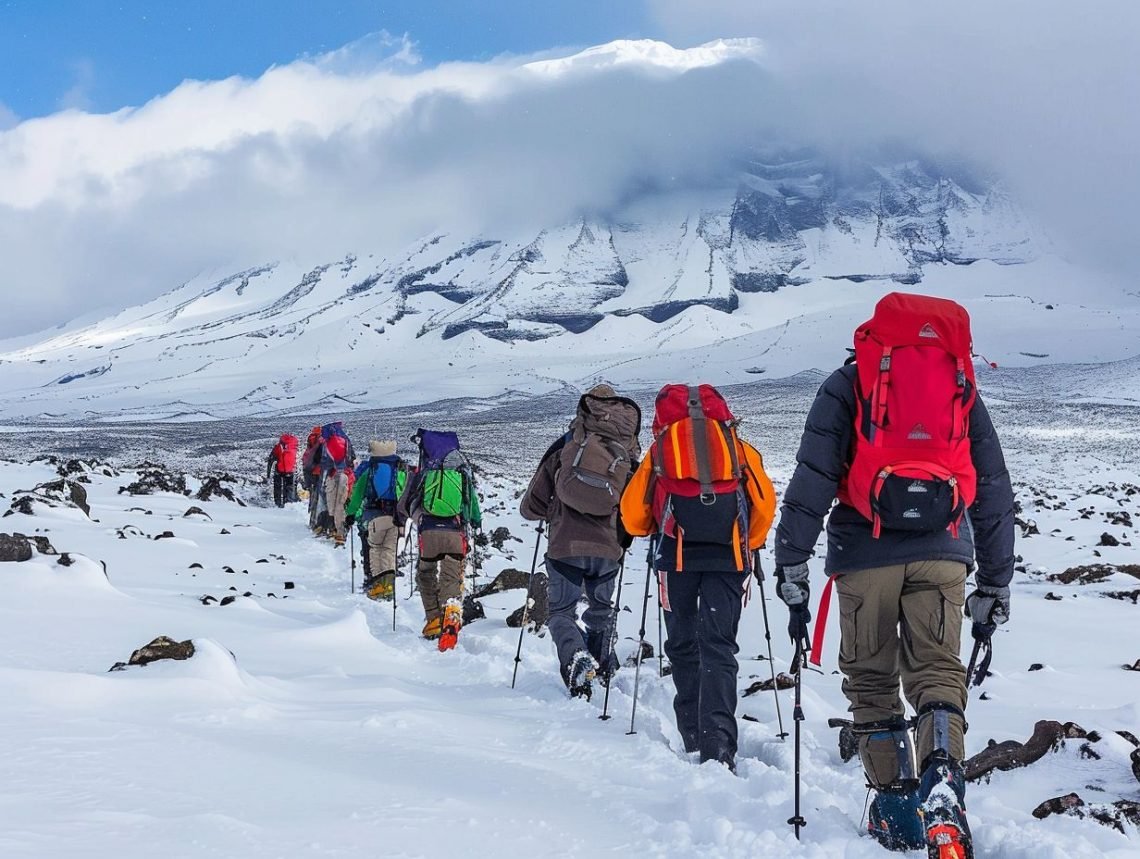
The 7 Days Machame Kilimanjaro Trekking Tour – 4–10 December 2026 is a seven-day high-acclimatization camping expedition departing from Moshi that follows Mount Kilimanjaro’s southwestern ridgelines to Uhuru Peak (5,895 m / 19,341 ft). Beginning at Machame Gate (1,800 m) on 4 December and descending through Mweka Gate on 10 December, this itinerary incorporates a crucial extra day at Karanga Camp (3,995 m) to secure an optimal climb-high, sleep-low profile before summit night. The 4–10 December window sits directly in the seasonal transition out of the short rains, offering uncrowded trails, dust-free volcanic paths, and clearing skies before the heavy holiday peak of late December. Ground packages for this 7-day route typically range from $1,850 to $2,650 per person depending on group size, airport transfer arrangements, and pre-climb hotel categories.
Why the 4–10 December 2026 Window Matters on Mount Kilimanjaro
Choosing when to step onto Kilimanjaro requires balancing weather reliability against trail density. Many hikers default to the dry winter months of July through September or the bustling Christmas-to-New-Year rush. However, scheduling the 7 Days Machame Kilimanjaro Trekking Tour – 4–10 December 2026 captures a distinct operational sweet spot that experienced mountain guides look for throughout the 2026–2027 trekking cycles.
East Africa’s short rains (known locally as the Vuli) run from late October through November, tapering off during the opening week of December. By 4 December, the heavy, persistent afternoon downpours give way to crisp, dry mornings, lingering low-altitude cloud banks that keep forest temperatures temperate, and clear night skies above the cloud layer at 3,500 meters. The volcanic scree on the upper slopes, notoriously loose and dusty during bone-dry August expeditions, remains settled by light residual moisture, providing firmer footing across the switchbacks between Barafu Camp and Stella Point.
Trail traffic during early December is among the lowest recorded for any favorable climbing window. While late December witnesses crowded tent sites at Barranco and long lines snaking up the Barranco Wall, embarking on 4 December 2026 gives your crew prime campsite selections, unhindered hiking pace, and quiet dining shelters. For climbers comparing departure dates, reviewing the Machame route Kilimanjaro group departures dates provides clear perspective on how crowd numbers spike dramatically after 15 December.
Another strategic factor for the 4–10 December trek is its alignment with extended holiday planning. Completing your descent on 10 December leaves ample room to decompress in Moshi before coordinating regional safari extensions or beach holidays. A substantial number of trekkers question whether they can join a safari after finishing a Kilimanjaro climb; wrapping up on 10 December allows you to transition smoothly into the Serengeti or Ngorongoro Crater right as dry-season wildlife viewing improves, well ahead of holiday flight surcharges.
Route Profile, Cost Structure, and What Your Investment Covers
Trekking the Machame Route over seven days is not a budget shortcut; it is a serious logistical operation requiring a coordinated team of mountain professionals. Pricing for the 7 Days Machame Kilimanjaro Trekking Tour – 4–10 December 2026 varies based on the level of logistics requested, group size, and whether you join an open team or book a dedicated private trek.
Standard 7-Day Machame Price Ranges for 2026–2027:
- Group Joining (4–10 trekkers): $1,850 to $2,150 per person
- Private Trek (2–3 trekkers): $2,200 to $2,450 per person
- Solo Private Trek: $2,550 to $2,750
Note: Variations in total cost depend on Moshi hotel classifications before and after the climb, airport transfer choices from Kilimanjaro International Airport (JRO), and optional inclusions such as private portable chemical toilets.
Understanding what goes into this pricing structure prevents unsafe compromises. Mount Kilimanjaro operates under strict regulations enforced by the Tanzania National Parks Authority (TANAPA). Park preservation fees, camping fees, rescue fees, and guide/porter conservation entrance tariffs consume more than $1,100 to $1,250 of every climber’s booking fee before food, transport, or staff compensation are accounted for.
| Cost Factor | What Is Included | Why It Matters for Your Safety |
|---|---|---|
| Park & Conservation Fees | TANAPA entry, 6 nights camping, mountain rescue levy, value-added tax (18%). | Guarantees legal entry, certified trail upkeep, and access to national park ranger rescue teams. |
| Mountain Safety Equipment | Emergency medical oxygen cylinders, digital pulse oximeters, specialized first aid kits. | Essential for daily monitoring of arterial oxygen saturation (SpO2) and rapid intervention if AMS progresses. |
| Mountain Crew Compensation | Licensed head guides, assistant guides, camp cooks, and dedicated porter crews. | Ethical fair-wage compensation directly prevents porter exploitation and ensures alert, focused support. |
| Sanitation & Camp Comfort | Heavy-duty 4-season geodesic mountain tents, dining tent, tables, chairs, portable chemical toilet (private setups). | Keeps climbers warm, dry, and protected from camp-level pathogens that disrupt digestive health at altitude. |
| Catering & Hydration | Three hot cooked meals daily, high-calorie trail snacks, boiled and filtered drinking water. | Maintains a 3,500–4,500 daily calorie intake required to sustain core temperature and muscle recovery. |
When assessing tour operators for your 2026 departure, extremely cheap offers under $1,600 should raise immediate red flags. Low quotes often correlate with inadequate food rations, cut-rate safety equipment, missing pulse oximeters, and severe underpayment or overload of porters. TOP GUIDE ADVENTURES manages climbs according to ethical porter welfare standards, maintaining strict 20 kg porter pack ceilings (including their personal cold-weather gear), high guide-to-client ratios (1:2 on summit night), and consistent medical checkups twice daily.
The Acclimatization Advantage: 7-Day vs 6-Day Machame
The Machame Route has earned a global reputation as the “Whiskey Route” because it demands more physical resilience than the older, gentler Marangu (“Coca-Cola”) trail. However, many climbers mistakenly compress Machame into a 6-day itinerary to save time or cash. For the 4–10 December 2026 departure, opting for the full 7-day variation significantly elevates your odds of standing on Uhuru Peak without severe Acute Mountain Sickness (AMS).
The critical difference between the 6-day and 7-day Machame profiles is the split between Barranco Camp (3,960 m) and the summit staging post at Barafu Camp (4,640 m). In a 6-day itinerary, trekkers must scramble up the 257-meter Barranco Wall immediately after breakfast, hike across the undulating valleys to Karanga for lunch, and then immediately push uphill to Barafu Camp on the same afternoon. That results in an exhausting 8- to 10-hour day immediately preceding the midnight summit push, leaving your body depleted right when it requires peak glycogen stores and cellular recovery.
By contrast, the 7 Days Machame Kilimanjaro Trekking Tour introduces an intentional overnight halt at Karanga Camp (3,995 m) on Day 5 (8 December 2026). This delivers several non-negotiable physiological benefits:
- Short Trekking Duration on Day 5: The hike from Barranco to Karanga spans only 3.5 to 4.5 hours. You negotiate the vertical rock steps of the Barranco Wall early in the morning when your mind is fresh, reaching Karanga in time for a hot lunch, personal hygiene, and a prolonged afternoon rest.
- Secondary Acclimatization Walk: During the late afternoon at Karanga, guides lead a non-strenuous 45-minute stroll up the scree slopes toward Barafu before returning to camp for dinner. This executes the proven “climb high, sleep low” altitude adaptation protocol without exhausting muscle reserves.
- Preservation of Sleep Architecture: At 4,000 meters, sleep disruption caused by periodic Cheyne-Stokes breathing is common. An extra night spent hovering near this altitude stabilizes blood gas exchange, allowing your kidneys to excrete bicarbonate efficiently and normalize blood pH before you sleep at Barafu (4,640 m).
- Stress Reduction for Summit Night: Moving from Karanga to Barafu on Day 6 takes only 3 to 4 hours. You pull into base camp by noon, finish an early dinner by 17:30, and secure 4 to 5 hours of rest before the headlamp-lit push begins at 23:30.
Trekking statistics collected across decades confirm that 7-day Machame climbs achieve summit success rates upwards of 85% to 89%, whereas 6-day attempts fall closer to 65% to 70%. For an ambition that involves significant travel logistics, taking seven days is the single most effective investment in your safety and summit outcome.
Early December Weather Realities: Rain, Snow, and Temperature Swings
Climbers packing for 4–10 December 2026 must prepare for distinct microclimates across five ecological zones. Kilimanjaro creates its own localized weather patterns, and the early December transition window features specific environmental challenges that every team member must understand before stepping onto the mountain.
The lower montane forest between Machame Gate and Machame Camp receives the tail end of seasonal moisture. Expect humid conditions, damp soils, and sections of slick forest clay on Day 1. Quality waterproof trekking boots with deep Vibram-style lugs and breathable gaiters are essential here; lightweight trail runners without waterproof membranes often soak through before you ever reach camp.
Once you break through the canopy into the heath and moorland zones above 3,000 meters on 5 December, the weather dynamics invert. Mornings are typically brilliant, crisp, and sun-drenched, offering striking views of the jagged Shira Cathedral and Kibo’s western glaciated breach. By 13:00 or 14:00, thermal air currents drag moisture up from the southern plains, generating dense fog banks and occasional short, sharp showers. By nightfall, radiative cooling drops camp temperatures sharply. At Shira Camp and Barranco Camp, nighttime lows regularly dip between -2°C and 4°C (28°F to 39°F).
At high alpine elevations (Lava Tower, Karanga, and Barafu), precipitation falls as light graupel or powdery snow rather than liquid rain. This is not necessarily an impediment; a light blanket of fresh snow stabilizes the upper scree ridges above 5,000 meters, making the ascent past Stella Point less powdery underfoot. However, wind chill on the crater rim can push apparent temperatures down to -15°C or -20°C (5°F to -4°F) during the pre-dawn hours of 9 December 2026. A modular layering system featuring heavyweight merino wool base layers, a wind-blocking softshell, a thick 800-fill down jacket, and insulated mittens is non-negotiable.
Day-by-Day Progression: Rain Forest to Shira Plateau (Days 1–3)
The opening three days of your 7 Days Machame Kilimanjaro Trekking Tour – 4–10 December 2026 transition your body from northern Tanzania’s fertile cultivation belt into the ancient volcanic plateau of Shira.
Day 1 (4 December 2026): Moshi to Machame Gate (1,800 m) to Machame Camp (3,010 m)
- Distance: ~11 km / 6.8 miles
- Hiking Time: 5–7 hours
- Elevation Gain: 1,210 meters
- Habitat: Montane Rain Forest
The journey begins with an early morning briefing in Moshi, where lead guides inspect passport copies, check entry permits, and conduct a final inventory of personal cold-weather clothing. A 50-minute private drive winds through vibrant Chagga villages, banana groves, and coffee farms to reach Machame Gate on the mountain’s southern boundary.
While your head guide finalizes paperwork with TANAPA rangers and porters weigh duffels against national park limits, you step onto the wide trail beneath towering camphorwoods, figs, and podocarpus trees draped in old man’s beard moss. The lower track climbs steadily along a ridgeline separating two deep river valleys. In early December, blue monkeys and black-and-white colobus monkeys are frequently seen crashing through the high canopy to escape mist banks. The path narrows into twisting root ladders and wet stone steps before leveling off at Machame Camp, positioned right at the timberline. Upon arrival, your tents are already pitched, warm washing water is provided, and the cook prepares the first three-course dinner inside the mess tent.
Day 2 (5 December 2026): Machame Camp (3,010 m) to Shira Cave Camp (3,845 m)
- Distance: ~5 km / 3.1 miles
- Hiking Time: 4–6 hours
- Elevation Gain: 835 meters
- Habitat: Heath and Moorland
Day 2 leaves the damp forest canopy behind within forty minutes of departure. The trail angles sharply uphill, ascending a rocky spur that requires hands-on balance over rough basalt shelves. Giant heather trees (Erica arborea) dominate the hillsides, gradually giving way to silvery proteas and yellow-flowered helichrysums as you gain altitude.
Pacing on this morning shifts into the rhythm known throughout East Africa as pole, pole (slowly, slowly). Guides actively regulate stride cadence to maintain your aerobic threshold, preventing lactic acid buildup. By midday, you clear the ridge and emerge onto the eastern edge of the Shira Plateau—one of Kilimanjaro’s three distinct volcanic calderas, formed when an ancient cone collapsed hundreds of thousands of years ago. The terrain flattens significantly as you traverse toward Shira Cave Camp. Looking westward at sunset, Mount Meru rises like a standalone pyramid above the sea of clouds below.
Check Availability for 7 Days Machame Kilimanjaro Trekking Tour – 4–10 December 2026-2027
Ready to compare dates, prices, and the best option for your group? Send the package name and travel month so the team can reply with a clear quote, availability, and what is included.
8 Days Machame Route Kilimanjaro Trekking – 15–22 December 2026-2027
8 Days Machame Route Kilimanjaro Trekking – 15–22 December 2026 is explained with current 2026-2027 planning, price, itinerary and booking information.
View package details
7 Days Machame Kilimanjaro New Year Climb – 27 December – 2 January 2026-2027
7 Days Machame Kilimanjaro New Year Climb – 27 December 2026 – 2 January 2027 is explained with current 2026-2027 planning, price, itinerary and booking.
View package details
8 Days Machame Kilimanjaro Full Moon Climb – 18–25 December 2026-2027
8 Days Machame Kilimanjaro Full Moon Climb – 18–25 December 2026 is explained with current 2026-2027 planning, price, itinerary and booking information.
View package details
8 Days Lemosho Kilimanjaro Trekking Package – 4–11 December 2026-2027
8 Days Lemosho Kilimanjaro Trekking Package – 4–11 December 2026 is explained with current 2026-2027 planning, price, itinerary and booking information.
View package details
7 Days Machame Kilimanjaro Group Climb – 9–15 December 2026-2027
A detailed guide to the 7-day Machame Route Kilimanjaro group climb in December 2026, covering itinerary, preparation, and what to expect.
View package details7 Days Machame Kilimanjaro Christmas Holiday Trek – 25–31 December 2026-2027
7 Days Machame Kilimanjaro Christmas Holiday Trek – 25–31 December 2026 is explained with current 2026-2027 planning, price, itinerary and booking.
View package details7 Days Machame Route Kilimanjaro Christmas Trek – 20–26 December 2026-2027
7 Days Machame Route Kilimanjaro Christmas Trek – 20–26 December 2026 is explained with current 2026-2027 planning, price, itinerary and booking information.
View package details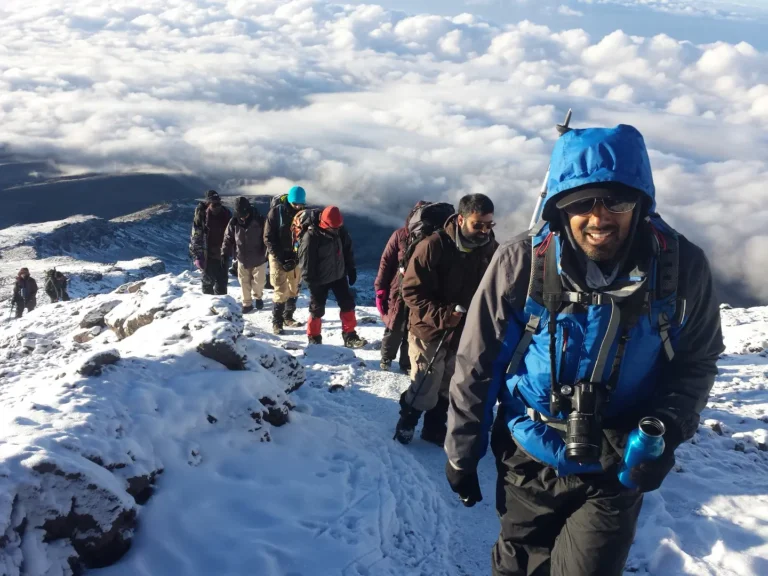
7 Days Machame Kilimanjaro Trek – 12–18 December 2026-2027
7 Days Machame Kilimanjaro Trek – 12–18 December 2026 is explained with current 2026-2027 planning, price, itinerary and booking information.
View package details8 Days Lemosho Route Kilimanjaro Group Departure – 12–19 December 2026-2027
A detailed guide to the 8-day Lemosho Route Kilimanjaro group climb departing 12–19 December 2026, covering route details, daily itinerary, acclimatization strategy, and what to expect.
View package details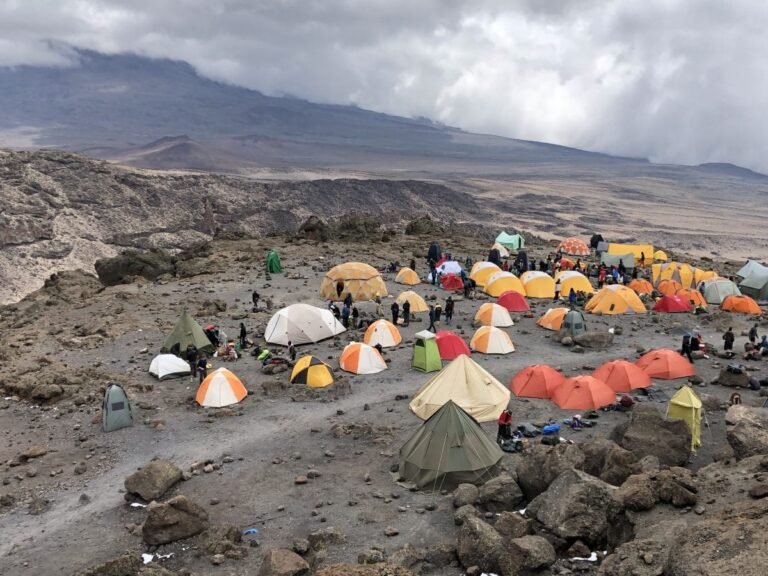
7 Days Lemosho Route Kilimanjaro Group Climb – 3–9 December 2026-2027
7 Days Lemosho Route Kilimanjaro Group Climb – 3–9 December 2026 is explained with current 2026-2027 planning, price, itinerary and booking information.
View package details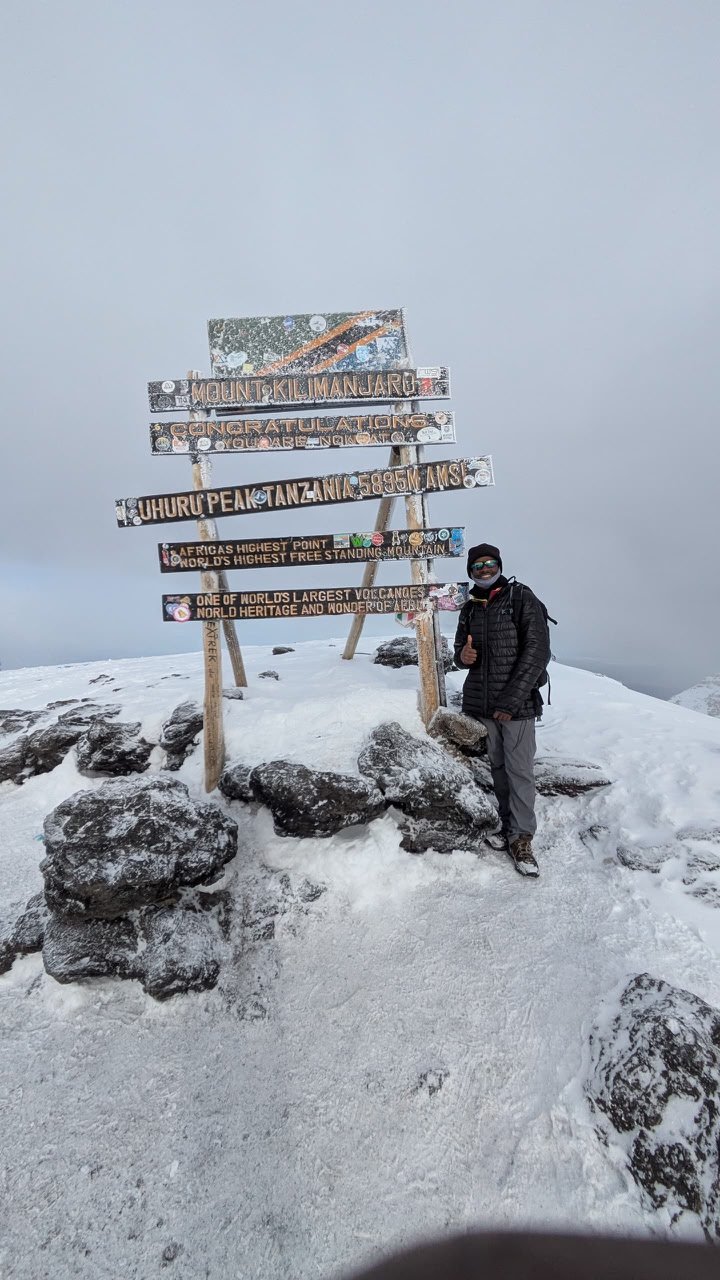
8 Days Lemosho Kilimanjaro Full Moon Group Trek – 18–25 December 2026-2027
An 8-day group trek on Kilimanjaro's scenic Lemosho Route timed for the December 2026 full moon period, with summit day on Christmas morning.
View package details8 Days Lemosho Kilimanjaro Christmas Trek – 24–31 December 2026-2027
8 Days Lemosho Kilimanjaro Christmas Trek – 24–31 December 2026 is explained with current 2026-2027 planning, price, itinerary and booking information.
View package detailsNo closely related package is available yet for this topic.

Our Guest Reviews, Currently Feedback from Clients in 2026
Reviews from different sources, including Google Business, Tripadvisor, other platforms, and social media.