
Tanzania safari packages with Serengeti and Ngorongoro Crater are multi-day northern circuit itineraries that link Tanzania’s vast predator plains with the world’s largest unbroken volcanic caldera, typically lasting between 3 to 7 days and starting by road or flight from Arusha or Moshi. For 2026-2027, practical pricing ranges from $750 to $1,350 per person for budget camping joining tours, $1,800 to $3,200 per person for comfortable mid-range lodge packages, and $3,800 to over $7,500 per person for private luxury fly-in circuits. The fundamental operational decision you must make is whether to prioritize the long driving circuit via Tarangire and Lake Manyara or take a bush flight directly into Seronera or Kogatende to eliminate 16 hours of rough gravel transit.

Why Serengeti and Ngorongoro Form the Core of Tanzania Safaris
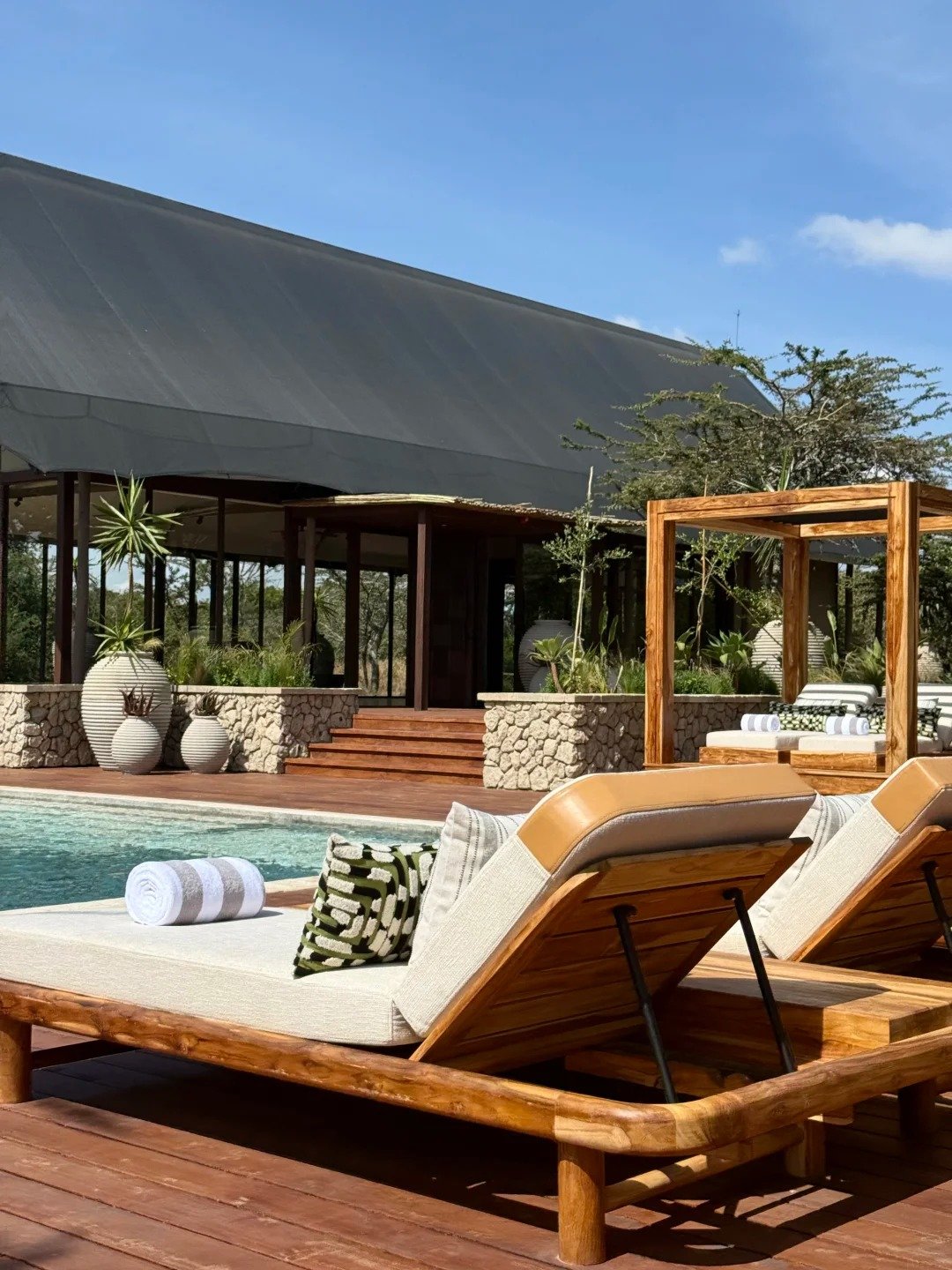
Every northern Tanzania wildlife package is built around a single geographic reality: the continuous ecological membrane shared between the southern plains of the Serengeti and the high-altitude volcanic rim of the Ngorongoro Conservation Area. While visitors often view them as distinct tourist parks, they belong to the wider 30,000-square-kilometer Serengeti-Mara ecosystem. Pairing them within a single itinerary provides an unmatched ecological contrast. One day you are tracking cheetahs across endless open grasslands at 1,500 meters altitude; the next morning you are descending 600 meters through dense montane cloud forest to reach a self-contained caldera floor that shelters roughly 25,000 large mammals.
This pairing solves the ultimate safari goal: achieving reliable sightings of Africa’s iconic megafauna in natural habitats within a reasonable driving radius. Tanzania wildlife safari itineraries deliver high predator densities across the central Seronera Valley alongside the highest crater-floor density of black rhinos left in East Africa. Because the two reserves border one another, travel between them does not require backtracking through commercial cities or wasting days in commercial airport lounges. You simply transition through the Naabi Hill gate, changing habitats in a matter of hours.
However, travelers frequently miscalculate the sheer scale of this terrain. Serengeti National Park alone covers 14,763 square kilometers, an area larger than Connecticut. Moving from the central savannah up to the crater rim involves long hours on corrugated dirt roads, varying permit regulations administered by separate authorities, and sharp microclimate changes. To build a successful Tanzania safari package, you must understand how transit times, vehicle limits, and concession rules interact rather than simply picking camp names from a glossy brochure.
Cost Blueprint: Serengeti and Ngorongoro Safari Packages (2026-2027 Rates)
Safari pricing across northern Tanzania is not arbitrarily inflated by local operators; it is anchored to substantial, non-negotiable statutory conservation fees charged per 24-hour cycle by the Tanzania National Parks Authority (TANAPA) and the Ngorongoro Conservation Area Authority (NCAA). Understanding how these institutional fees aggregate prevents travelers from falling for cut-rate offers that either cut corners on game drive hours or place accommodations hours away from the wildlife gates.
For 2026-2027, statutory park entrance fees run at $82.60 per adult per 24 hours for Serengeti National Park (incorporating VAT) during high season, alongside a $70.80 per adult public campsite fee or an $82.60 special campsite/concession fee for lodge guests inside park boundaries. When entering the Ngorongoro Conservation Area, an entry fee of $70.80 per adult applies simply to traverse the territory, while descending onto the actual caldera floor incurs an additional crater service permit of $295 per vehicle per descent. These operational costs explain why a private safari vehicle and professional guide cost what they do, irrespective of your luxury level.
Realistic Pricing Tiers for 2026-2027 Circuit Departures
| Travel Tier | Style & Accommodation | Estimated Cost (Per Person) | Ideal Group / Traveler Profile |
|---|---|---|---|
| Budget Camping (Group Joining) | Shared 4×4, dome tents pitched in public campsites (Seronera, Simba), safari cook preparing meals. | $200 – $275 / day ($800 – $1,100 for 4 days) |
Solo backpackers, students, flexible travelers comfortable with shared public ablutions and active trail dust. |
| Mid-Range Tented Lodge (Private) | Private custom Land Cruiser, permanent canvas tented lodges with en-suite flush toilets and hot showers. | $400 – $650 / day ($1,600 – $2,600 for 4 days) |
Couples, families, small friend groups seeking private control over game-drive schedules and reliable comfort. |
| Upper Mid-Range / Semi-Luxury | Private vehicle, boutique migration camps in prime sectors, high-end rim lodges or private valley villas. | $700 – $1,100 / day ($2,800 – $4,400 for 4 days) |
Travelers balancing in-depth bush intimacy with fine dining, generator/solar electricity, and elevated guiding standards. |
| Ultra-Luxury (Fly-In) | Scheduled or chartered flights, open-sided modified 4x4s stationed at high-end concessions (Singita, &Beyond). | $1,300 – $2,200+ / day ($5,200 – $9,000+ for 4 days) |
Honeymooners, executives, luxury safari enthusiasts prioritizing minimal transit fatigue and exclusive wilderness concessions. |
Travelers assessing a 3-day Serengeti and Ngorongoro safari cost must note whether the final quotation includes the $295 Ngorongoro crater basin vehicle permit and mandatory concession fees, or leaves them as surprises upon arrival. At TOP GUIDE ADVENTURES, operating out of Arusha and Moshi, quotes for 2026 and 2027 are calculated as fully bundled packages including transit, guide fees, 4×4 usage, all entry concessions, and emergency support.
Road Transit vs Bush Flights: Evaluating the Northern Circuit Logistics
One of the earliest strategic decisions when booking a Tanzania safari package combining these two destinations is choosing between an overland road safari or a fly-in bush flight arrangement. Neither format is universally superior; each carries clear practical trade-offs regarding physical comfort, luggage allowances, visual pacing, and financial investment.
The Overland Driving Circuit: The Classic Safari Route
An overland circuit starts with your guide collecting you from Arusha or Moshi in a customized 4×4 Toyota Land Cruiser featuring a pop-up roof hatch, heavy-duty suspension, dual spare tires, an onboard mini-fridge, and charging inverters. You depart westward via tarmac through Makuyuni toward Mto wa Mbu before climbing the steep Rift Valley escarpment into the agricultural highlands of Karatu.
From Karatu, the tarmac ends completely. You pass through the Loduare Gate of the Ngorongoro Conservation Area onto packed volcanic gravel. The road climbs through dense, cool rainforest to trace the crater rim before descending the western spine past Olduvai Gorge toward Naabi Hill Gate—the entry portal to the Serengeti plains. This rough gravel stretch is known locally as the “African massage.” During dry periods (July to October), it creates thick dust clouds requiring window closures or bandanas; during heavy rain (April and May), it can turn into slick, deeply rutted mud demanding expert 4×4 maneuvering.
- Total overland driving time: Expect 7 to 9 hours of continuous travel from Arusha to central Serengeti (Seronera), with game viewing beginning only once you clear Naabi Hill.
- Luggage flexibility: Overland vehicles handle standard soft-sided luggage without strict per-passenger airline scales, making this ideal for families carrying extra equipment.
- Cost efficiency: Spreading the cost of vehicle, driver-guide, and fuel across 2 to 6 passengers creates substantial savings compared to multiple domestic flight tickets.
Fly-In Bush Flight Logistics: Maximizing Time on Ground
A fly-in safari replaces the grueling Arusha-to-Serengeti road journey with a 45-to-60-minute scheduled bush flight aboard a Cessna Grand Caravan operated by carriers such as Coastal Aviation, Auric Air, or Flightlink. Flights depart daily from Arusha Airport (ARK) or Kilimanjaro International Airport (JRO), landing directly on bush airstrips inside the park like Seronera (SEU), Kogatende (KGT) in the north, or Ndutu (NMY) in the south.
Upon touchdown, a resident camp guide or your private safari guide meets you with a vehicle stationed at the strip, meaning your game drive begins within five minutes of stepping off the aircraft stairs. After spending several days across the Serengeti plains, your guide drives you back east through the Ngorongoro Conservation Area, allowing you to experience the dramatic drive down into the crater without having had to endure the westbound overland trek.
Critical Bush Flight Luggage Limitation: Bush flights enforce a strict 15 kg (33 lbs) baggage limit per passenger, which must be packed inside soft-sided duffel bags without rigid frames or wheels to allow manual packing into the plane’s underbelly pods. If you plan to connect directly to an extended beach stay via a Tanzania safari from Zanzibar, excess hard suitcases should be safely stored with our Arusha operations base rather than taken onto the bush carrier.
Choosing between driving and flying comes down to fatigue tolerance versus budget. For trips of 4 days or less, flying one-way into the Serengeti and driving back via Ngorongoro preserves precious safari hours that would otherwise be lost to windshield time on transit gravel.
Aligning Your Serengeti Region with the Ngorongoro Descent by Month
A critical mistake travelers make when researching Serengeti & Ngorongoro safari packages is assuming the Serengeti is uniform throughout the year. The Great Wildebeest Migration is a fluid, 12-month cycle covering hundreds of miles. Booking a camp in the wrong sector of the park during a given season can leave you facing 4-hour daily transit drives just to reach the concentrations of animals. Conversely, the Ngorongoro Crater floor supports resident populations that remain stable inside the caldera year-round, meaning seasonal adjustments apply primarily to how you structure your time in the Serengeti.
January to March: Southern Serengeti (Ndutu) & Calving Season
During these early months of 2026 and 2027, the migration herds settle across the short-grass plains spanning the southern border of the Serengeti and the Ndutu area of northwestern Ngorongoro. Over an intense three-week window in February, roughly 8,000 wildebeest calves are born every single day. This explosion of young life attracts the highest concentration of apex predators on earth: large lion prides, cheetah coalitions hunting across flat terrain, and spotted hyenas operating in daylight packs.
Because the Ndutu region falls within the Ngorongoro Conservation Area rather than TANAPA park borders, guides are permitted to track vehicles off-road to follow hunting predators—an activity strictly prohibited in the central and northern Serengeti. Pairing Ndutu with a descent down the nearby Ngorongoro Crater is straightforward, as the two zones sit just two hours apart by road.
April to May: The Long Rains & The Green Season
April and May bring consistent, heavy afternoon showers to northern Tanzania. While popular perception views this as an unfavorable travel period, it represents exceptional value for experienced travelers. Crowds drop significantly, leading lodges reduce rates by 30% to 50%, and the dry, dusty plains turn emerald green. The herds begin moving northwest toward the Western Corridor and the Grumeti River.
Ngorongoro Crater during May is exceptionally lush, filled with yellow fever-tree blossoms and flamingos flocking to Lake Magadi. The main trade-off is road conditions: black cotton soil can immobilize standard vehicles, requiring heavy reliance on high-clearance 4x4s driven by veteran guides who know how to manage deep mud ruts.
June to July: The Western Corridor & Grumeti River Crossings
As the plains dry out, the herds funnel into the Western Corridor along the Grumeti River. Here, animals gather before attempting risky river crossings past giant Nile crocodiles. When planning a package for June or early July, choose camps positioned near Kirawira, Musabi, or the central Seronera corridor to minimize transit delays.
August to October: The Northern Serengeti & Mara River Crossings
This is peak dry season across East Africa, celebrated for dramatic river crossings at the Mara River along the northern border with Kenya’s Maasai Mara. Wildebeest and zebras throw themselves down steep dirt banks into swirling waters filled with crocodiles and big cats waiting on the opposite shoreline. However, the northern Serengeti (Kogatende) sits a rigorous 8 to 10-hour drive from Ngorongoro Crater.
If you are booking a high-season 2026 or 2027 safari package focused on the Mara River crossings and the Ngorongoro Crater, we strongly advise a mixed fly-drive structure. Driving from Arusha all the way to Kogatende by road takes two brutal travel days; flying directly from Arusha to Kogatende, spending three nights along the river, and then driving south to Ngorongoro prevents exhaustion.
November to December: The Short Rains & Central Seronera Transition
Brief, refreshing rain showers trigger the herds to return southward through the Lobo area and central Seronera plains. Central Serengeti remains an exceptional, wildlife-dense base throughout these months, featuring healthy resident leopard populations around the Seronera Valley kopjes. Combining Central Serengeti with the Ngorongoro Crater during November and December offers manageable drive times, balanced pricing, and moderate vehicle traffic at river crossings.
Standard Itinerary Blueprints: 3, 4, 5, and 7-Day Comparisons
Choosing the correct trip duration shapes the day-to-day reality of your safari. Packages that compress too many parks into too few days leave travelers trapped behind vehicle glass, tracking mileage targets instead of watching wildlife behavior. Below is an honest breakdown of how varying day counts operate on the ground.
The 3-Day Express Package: Fast Pace, High Intensity
A 3-day Serengeti and Ngorongoro safari from Moshi or Arusha is the shortest functional circuit that includes both iconic destinations. It is designed primarily for travelers with limited time, such as hikers adding a safari after climbing Mount Kilimanjaro or business travelers passing through Tanzania.
Check Availability for Tanzania Safari Packages With Serengeti And Ngorongoro Crater 2026-2027
Ready to compare dates, prices, and the best option for your group? Send the package name and travel month so the team can reply with a clear quote, availability, and what is included.

Tanzania Safari Packages Including Serengeti Tarangire And Ngorongoro
Tanzania Safari Packages Including Serengeti Tarangire and Ngorongoro is explained with current 2026-2027 planning, price, itinerary and booking information.
View package details
How Much Does A 3 Day Serengeti And Ngorongoro Safari Cost? 2026-2027
How Much Does a 3 Day Serengeti and Ngorongoro Safari Cost? is explained with current 2026-2027 planning, price, itinerary and booking information.
View package details
Tanzania Safari Tours For With Affordable Lodge Options 2026-2027
A practical booking blueprint for Tanzania safari tours in 2027 featuring comfortable, budget-conscious lodges across the Serengeti, Ngorongoro, and Tarangire.
View package details
Tanzania Safari Packages For Elderly Travelers With Comfortable Lodges ()
A comprehensive practical planning guide for senior and elderly travelers seeking comfortable, slow-paced Tanzania wildlife safaris paired with step-free, high-comfort lodges across...
View package details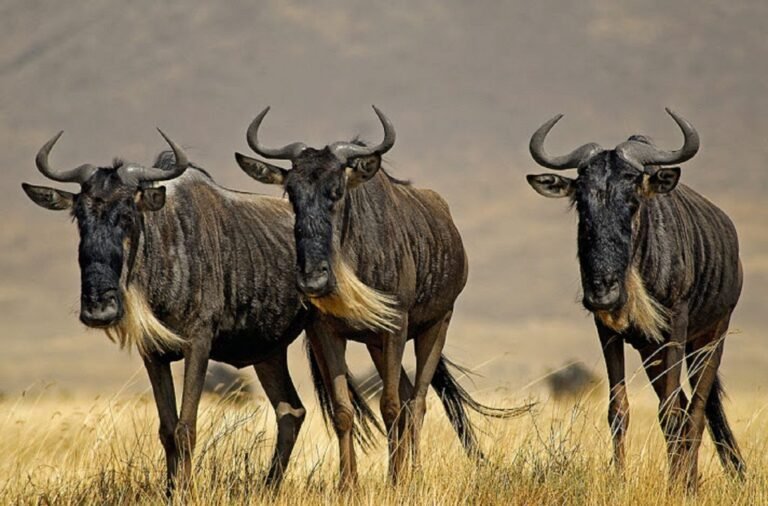
Can Solo Travelers Join A 3 Day Serengeti Safari? 2026-2027
Can Solo Travelers Join a 3 Day Serengeti Safari? is explained with current 2026-2027 planning, price, itinerary and booking information.
View package details
Are There Any Serengeti Safari Groups I Can Join This Month? 2026-2027
Are There Any Serengeti Safari Groups I Can Join This Month? is explained with current 2026-2027 planning, price, itinerary and booking information.
View package details
What Are The Hidden Costs Of A Serengeti Safari? 2026-2027
What Are the Hidden Costs of a Serengeti Safari? is explained with current 2026-2027 planning, price, itinerary and booking information.
View package details
Best Tanzania Safari Tour Packages For International Travelers ( Planning
A comprehensive comparison of the best Tanzania safari tour packages for international travelers heading to East Africa in 2026-2027, covering logistics, package types, realistic budgets...
View package detailsBest Tanzania Safari Packages For And 2028 2026-2027
Best Tanzania Safari Packages for 2027 and 2028 is explained with current 2026-2027 planning, price, itinerary and booking information.
View package detailsTanzania Safari Group Joining Departures In February 2026-2027
Tanzania Safari Group Joining Departures in February 2027 is explained with current 2026-2027 planning, price, itinerary and booking information.
View package details
Tanzania Safari Tours For Solo Travelers In December 2026-2027
Tanzania Safari Tours for Solo Travelers in December 2026 is explained with current 2026-2027 planning, price, itinerary and booking information.
View package detailsHow Do I Join A Tanzania Safari Group From Arusha? 2026-2027
How Do I Join a Tanzania Safari Group from Arusha? is explained with current 2026-2027 planning, price, itinerary and booking information.
View package detailsNo closely related package is available yet for this topic.

Our Guest Reviews, Currently Feedback from Clients in 2026
Reviews from different sources, including Google Business, Tripadvisor, other platforms, and social media.



