
Tanzania safari group joining departures in February 2027 are pre-scheduled, small-group bush expeditions where solo travelers, couples, and small private parties book individual seats in a shared custom 4×4 safari Land Cruiser (maximum 6 to 7 passengers with guaranteed window access) to split operational costs across Northern Circuit parks. In February 2027, these shared itineraries focus squarely on the Great Migration wildebeest calving season across the Southern Serengeti and Ndutu plains, combined with game drives in Ngorongoro Crater and Tarangire National Park. Standard shared trips run between 3 and 7 days, departing directly from Arusha or Moshi. Rates range from $220 to $290 per person per day for basic shared camping to $380 to $650 per person per day for mid-range shared tented camps. Because February coincides with peak predator activity and heavy international demand for southern migration access, reserving your seat 6 to 10 months ahead is essential to secure permit windows and vetted accommodation.
February 2027 Northern Circuit Dynamics: Calving Season and Weather Patterns
Planning a safari for February requires an understanding of regional microclimates and cyclical wildlife movements. February falls inside Tanzania’s brief dry interlude between the short rains of November–December and the long rains that typically begin in late March. For travelers joining a shared Land Cruiser, this month offers some of the most dynamic game viewing in East Africa, centered almost entirely on the Southern Serengeti ecosystem and the contiguous Ndutu conservation zone.
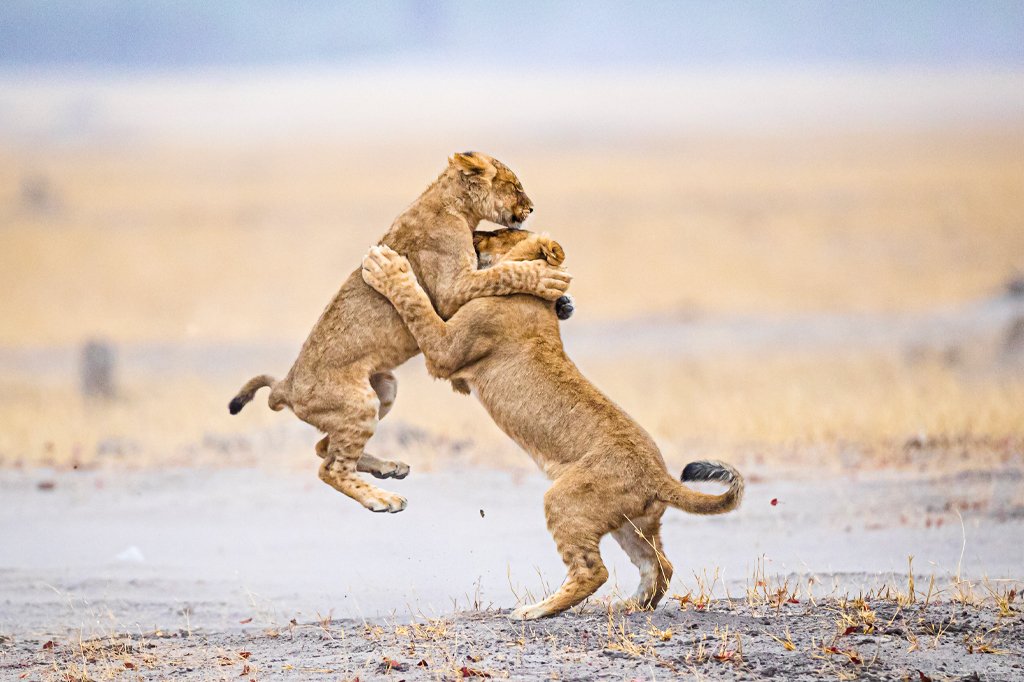
During this window, roughly 1.5 to 2 million wildebeest, accompanied by hundreds of thousands of zebras and gazelles, carpet the nutrient-rich, short-grass volcanic plains stretching from the southern boundary of Serengeti National Park into the western margins of the Ngorongoro Conservation Area. This is the synchronized calving season. Over a three-to-four-week period, an estimated 8,000 wildebeest calves are dropped every single day. The sudden availability of vulnerable prey draws dense concentrations of apex predators, specifically resident lion prides, cheetah coalitions hunting in the open scrub, leopards in the acacia drainage lines, and spotted hyenas operating in competitive clans.
From a logistics standpoint, February is not a static viewing month. Weather systems fluctuate. While February is predominantly warm and sunny, afternoon convectional rain showers can occur without warning. When precipitation strikes the southern plains, the underlying soils—often fine volcanic ash known locally as black cotton soil—turn into slick, greasy mud. Group vehicles need experienced driver-guides who understand how to handle mechanical differentials and navigate water-logged drainage tracks without becoming bogged down.
Field Reality for February 2027: Because herds shift rapidly in response to localized rainfall, a rigid group itinerary can backfire. Operators running quality daily group joining departures must retain the operational flexibility to adjust morning drive sectors between the official national park border and the NCAA Ndutu coordinates based on real-time ranger and radio reports.
The ecological conditions also shape animal behavior throughout the day. Morning temperatures in the plains hover around 15°C to 17°C (59°F to 63°F), warming quickly to midday highs near 28°C to 30°C (82°F to 86°F). Because midday heat drives big cats into the shade of umbrella acacias or rocky kopjes, group departures must leave camp at first light—typically 06:00 AM—to catch active hunts, calving events, and territorial disputes before the sun reaches its zenith.
How Group Joining Departures Function in Tanzania: Vehicle Mechanics and Seat Allocations
A group joining safari is fundamentally a cost-pooling arrangement. A custom 4×4 safari vehicle, licensed driver-guide, fuel reserves, transit permits, and park entry tickets represent substantial fixed operational overheads. On a private safari, one or two people shoulder that entire bill. By booking one of the scheduled Tanzania safari group departures, solo travelers, couples, or pairs of friends split those shared transit and vehicle costs equally among all occupants.
However, operational execution varies widely across Arusha-based operators. Understanding the vehicle mechanics and group composition rules protects you from substandard operators who overfill vehicles to squeeze margins.
The 6-Passenger vs. 7-Passenger Rule
Standard custom safari Land Cruisers in Northern Tanzania feature extended chassis fitted with either three rows of passenger seats behind the driver (seating six passengers) or three rows plus an extra middle seat (seating up to seven or eight). High-standard operators uphold a strict policy: every passenger must have a guaranteed window seat and direct access to the pop-up roof hatch.
- 6-Passenger Extended Cabins: Three rows of two individual bucket seats, separated by a central aisle. Every single guest has their own dedicated window, armrest, charging socket, and unobstructed sightline through the elevated pop-up roof.
- 7-Passenger Configurations: These include a center fold-down jump seat in the middle row. If an operator sells seven seats on a group joining departure, one traveler ends up stuck in that middle seat without direct window photography access. You should verify in your pre-booking voucher that the departure operates on a guaranteed-window basis.
For more detail on vehicle allocations, review our guide on how many people share a vehicle on a Tanzania group safari.
Social Dynamics and Guiding Cadence
Group departures unite travelers from diverse international backgrounds, age brackets, and photographic experience levels. On a February shared expedition, that social mix requires mutual flexibility. Some travelers wish to sit quietly watching a single leopard on a sausage tree branch for two hours; others want to keep driving to tally as many animal species as possible before sunset.
The professional guide plays a critical diplomatic role here. Licensed Tanzania National Parks (TANAPA) driver-guides manage expectations by establishing daily game-drive schedules based on group consensus and prevailing animal movements, ensuring fair rotations of seats so every passenger experiences different viewing angles throughout the itinerary.
Pricing Architecture: 2026-2027 Shared Safari Rates and Hidden Fees
Tanzania is widely recognized as one of the more expensive safari destinations in Africa, largely due to conservation fees established by the government to curb over-tourism and protect wilderness ecosystems. Joining a scheduled group is the single most practical way to lower individual expenditure without sacrificing park time.
When budgeting for Tanzania safari group joining departures in February 2027, travelers should evaluate pricing through two distinct tiers: basic public campsite safaris and mid-range tented lodge safaris. February sits within the peak migration high-season rate tier across all park systems and accommodation providers.
February 2027 Shared Safari Price Baselines:
- Basic Camping Group Departure: $220 – $290 per person / day (includes dome tents, shared park bathroom facilities, safari cook, food, park fees, vehicle, guide).
- Mid-Range Tented Lodge Group Departure: $380 – $650 per person / day (includes permanent or seasonal canvas tented lodges, private en-suite bathrooms, hot showers, prepared dining).
- Single Room / Tent Supplement: $45 – $120 per night (applies only if a solo traveler insists on a private tent/room instead of pairing with a same-sex group member).
The table below outlines the structural cost components and operational differences between group-joining travel styles for a standard 5-day February itinerary:
| Cost Factor | Shared Budget Camping (5 Days) | Shared Mid-Range Lodge (5 Days) | Private Safari Comparison (2 Pax) |
|---|---|---|---|
| Typical Per Person Total | $1,150 – $1,450 | $1,950 – $3,100 | $2,800 – $4,600+ |
| Sleeping Arrangements | 2-person dome tents pitched in public TANAPA campsites | En-suite permanent canvas camps or lodges | Client choice (lodge, luxury, or tented camp) |
| Sanitary Facilities | Shared campsite ablution blocks (solar/gravity showers) | Private flush toilet and hot running water inside tent | Private en-suite facilities |
| Catering Setup | Dedicated safari cook travelling in the vehicle; fresh camp cooking | Lodge chef; buffet breakfasts, hot multi-course dinners | Lodge chef or dedicated private bush cook |
| In-Park Transit Fees | Fully split among 5 to 7 passengers | Fully split among 5 to 7 passengers | Split exclusively between 2 passengers |
| Vehicle Exclusivity | Shared Land Cruiser with up to 6 companions | Shared Land Cruiser with up to 6 companions | Private vehicle, private schedule, custom route |
To see how private expeditions contrast with group economics, examine our detailed analysis on private vs group joining safari cost comparisons or read our breakdown of how much you can save by joining a group safari in Tanzania.
Check Availability for Tanzania Safari Group Joining Departures In February 2026-2027
Ready to compare dates, prices, and the best option for your group? Send the package name and travel month so the team can reply with a clear quote, availability, and what is included.

Tanzania Safari Group Joining Departures In January 2026-2027
Tanzania Safari Group Joining Departures in January 2027 is explained with current 2026-2027 planning, price, itinerary and booking information.
View package detailsTanzania Safari Group Joining Tours For Couples And Friends 2026-2027
Tanzania Safari Group Joining Tours for Couples and Friends is explained with current 2026-2027 planning, price, itinerary and booking information.
View package details
How Much Can I Save By Joining A Group Safari In Tanzania? 2026-2027
How Much Can I Save by Joining a Group Safari in Tanzania? is explained with current 2026-2027 planning, price, itinerary and booking information.
View package details
Tanzania Group Joining Safari Tours With Airport Pickup 2026-2027
Tanzania Group Joining Safari Tours with Airport Pickup is explained with current 2026-2027 planning, price, itinerary and booking information.
View package details
Tanzania Safari Group Departures With Shared Camping Accommodation 2026-2027
A comprehensive operational guide to Tanzania safari group departures featuring shared public campsite accommodation across the Northern Circuit for 2026-2027.
View package details
Where Can I Find Tanzania Safari Group Joining Tours With Fixed Dates?
Where Can I Find Tanzania Safari Group Joining Tours with Fixed Dates? is explained with current 2026-2027 planning, price, itinerary and booking information.
View package details
Private Vs Group Joining Tanzania Safari Cost Comparison 2026-2027
Private vs Group Joining Tanzania Safari Cost Comparison is explained with current 2026-2027 planning, price, itinerary and booking information.
View package details
How Do I Join A Tanzania Safari Group From Arusha? 2026-2027
How Do I Join a Tanzania Safari Group from Arusha? is explained with current 2026-2027 planning, price, itinerary and booking information.
View package details
How Many People Share A Vehicle On A Tanzania Group Safari? Guide 2026-2027
A comprehensive operational breakdown of vehicle capacity, passenger seating arrangements, window seat guarantees, and luggage space on Tanzania group joining safaris for 2026 and 2027.
View package details
What Is The Cheapest Way To Book A Tanzania Safari? Guide 2026-2027
Discover how booking directly with local operators in Arusha or Moshi, joining group departures, and opting for public campsites slashes Tanzania safari costs by up to 50% for 2026-2027.
View package details
Can I Join A Safari Group From Moshi Instead Of Arusha? 2026-2027
Can I Join a Safari Group from Moshi Instead of Arusha? is explained with current 2026-2027 planning, price, itinerary and booking information.
View package details
Tanzania Safari Packages For Solo Travelers Without Expensive Single
A comprehensive practical guide to booking Tanzania safari packages for solo travelers without paying punitive single supplements, covering group departures, room-share models, private...
View package detailsNo closely related package is available yet for this topic.

Our Guest Reviews, Currently Feedback from Clients in 2026
Reviews from different sources, including Google Business, Tripadvisor, other platforms, and social media.



