
A Tanzania safari cost breakdown including park fees and accommodation typically ranges from $200 to $350 per person per day for basic camping or group-joining safaris, $400 to $750 per person per day for comfortable mid-range tented lodges, and $850 to upwards of $2,000 per person per day for premier luxury itineraries planned for 2026-2027. Mandatory statutory government fees—comprising Tanzania National Parks Authority (TANAPA) entry tariffs ($59–$82.60 per adult per 24 hours), concession charges ($35.40–$70.80 per night inside park boundaries), and the Ngorongoro Crater service fee ($295 per vehicle per descent)—account for roughly 30% to 50% of the entire tour bill before a single night in a lodge or mile in an 4×4 safari Land Cruiser is calculated. The total price you pay is fundamentally driven by your choice between private or shared travel, accommodation tier, seasonal timing, and the exact parks on your circuit.
Planning a safari in northern or southern Tanzania often feels opaque when travelers first start gathering quotes. You might receive one proposal for $1,600 for five days and another for $5,500 for the exact same route. Understanding where your money actually goes requires lifting the lid on statutory government overheads, regional hospitality models, and the logistical mechanics of running heavy off-road vehicles hundreds of miles across rugged wilderness terrain. For trips planned into 2026 and 2027, having this line-item clarity protects you from hidden add-ons upon arrival and helps you allocate your budget where it actually transforms your field experience.
The Anatomy of a Safari Invoice: Four Fundamental Cost Pillars
Every commercial safari quotation across the East African wilderness is built around four discrete cost categories. If you strip away operator markups, administrative buffers, and marketing costs, these pillars determine 95% of what gets billed to your credit card or wire transfer.
- Statutory Government Tariffs: Park entrance fees, wildlife conservation fees, 18% Value Added Tax (VAT), concession/camping fees, and vehicle entry fees. These are non-negotiable and fixed by government bodies such as TANAPA and the Ngorongoro Conservation Area Authority (NCAA).
- Accommodation and Meals (Full Board): The nightly contract rate for your rooms, whether at basic municipal public campgrounds, mobile semi-permanent tented camps, permanent stone lodges, or exclusive private game reserves.
- Vehicle, Fuel, and Operational Crew: The daily maintenance, commercial insurance, unlimited mileage fuel, and professional daily wage for a licensed safari driver-guide in a customized, pop-up roof 4×4 Land Cruiser.
- Intra-Circuit Logistics and Domestic Aviation: Airport pickups, transfers from town bases like Arusha or Moshi, and optional bush flights via airstrips like Seronera or Kogatende to eliminate exhausting road days.
When travelers review Tanzania safari tours with accommodation and park fees included, confusion usually arises because some low-cost quotes secretly omit the mandatory 18% VAT or exclude overnight concession fees, presenting artificially low rates that lead to steep payment requests upon entry gates. Looking through these components piece by piece eliminates surprises.
Statutory Park Fees: TANAPA, NCAA, and Concession Tariffs Explained
Unlike many wildlife reserves around the world that charge a nominal per-car entry gate ticket, Tanzania uses conservation tariffs as its primary mechanism for funding wildlife protection, anti-poaching units, and road infrastructure. These fees are set on a strict 24-hour cycle per non-East African adult, and all statutory fees are legally subject to an additional 18% national VAT.
If you enter the Serengeti at 2:00 PM on Tuesday, your fee expires at 1:59 PM on Wednesday. If your guide crosses the gate at 2:30 PM due to a slow wildlife encounter, an entirely new 24-hour cycle fee is billed to the tour operator’s electronic smart card system. This is why safari itineraries are timed with surgical precision by experienced outfitters.
Conservation Entry Fees (Per 24-Hour Cycle)
For adults (non-residents aged 16 and over), standard park fees for peak season travel throughout 2026-2027 reflect the following breakdown:
- Serengeti National Park: $70 base fee + 18% VAT = $82.60 per adult per 24 hours (drops to $60 + VAT = $70.80 during the low season from mid-March to mid-May).
- Ngorongoro Conservation Area: $70 base fee + 18% VAT = $82.60 per adult per 24 hours year-round.
- Tarangire National Park & Lake Manyara National Park: $50 base fee + 18% VAT = $59.00 per adult per 24 hours (drops to $45 + VAT = $53.10 during low season).
- Arusha National Park: $50 base fee + 18% VAT = $59.00 per adult per 24 hours.
The Concession Fee: The Park’s “Invisible” Accommodation Tax
One of the most widely misunderstood items in a Tanzania safari cost breakdown including park fees and accommodation is the concession fee. Many travelers assume that because they have paid for their park entry ticket and paid for their hotel room, their access is covered. However, if your chosen lodge or tented camp is physically located inside the boundary of a national park or conservation area, the government levies an additional overnight concession fee for every night spent there.
For Serengeti National Park, this statutory concession fee stands at $59.00 to $70.80 per adult per night depending on seasonal classifications. For Ngorongoro Conservation Area, staying at rim lodges or interior tented camps carries a concession rate of $70.80 per adult per night. If you spend three nights at a lodge inside the central Serengeti, you are paying over $210 per person in concession taxes alone, completely separate from the room rate and separate from daily park entrance tickets.
Staying outside park gates—such as in Karatu for Ngorongoro or in the Mto wa Mbu area for Manyara—avoids the overnight concession fee, which is a primary reason why operators offering best value Tanzania safari holidays with full board accommodation often base guests in Karatu instead of right on the crater rim.
Accommodation Cost Profiles: From Public Campsites to Premier Tented Suites
Accommodation represents the widest swing variable on any safari quote. Two travelers following an identical route through Tarangire, Ngorongoro, and the Serengeti can see their bills vary by $4,000 simply based on where they sleep. Unlike standard city hotels, safari properties in Tanzania operate in extreme wilderness environments where power must be generated via solar-inverter systems, water must be trucked or bore-drilled, and all fresh food provisions must be hauled hundreds of miles from regional hubs.
Tier 1: Basic Public Camping ($30 to $50 per person per night, excluding camp staff)
Public camping utilizes designated communal grounds maintained by park authorities (such as Seronera Public Campsite or Simba Campsite at Ngorongoro). Guests sleep in canvas dome tents pitched on shared grass clearings with central, communal ablution blocks featuring flush toilets and cold-to-lukewarm showers. The price itself seems exceptionally cheap, but it requires hiring a dedicated safari cook, transporting kitchen gear, folding tables, and mattresses, which adds vehicle weight and operational crew costs.
This tier best fits adventurous, younger travelers, students, or back-to-basics wilderness enthusiasts. If you are comparing this travel mode, check out the operational structure of Tanzania safari group departures with shared camping accommodation to see how sharing crew overhead brings down per-person rates.
Tier 2: Mid-Range Tented Lodges and Small Safari Camps ($180 to $350 per person sharing per night)
Mid-range camps strike the balance chosen by roughly 65% of international safari guests. These properties feature large walk-in canvas tents built over elevated wooden or concrete platforms, equipped with proper wooden beds, quality linens, electricity charging ports, and private en-suite bathrooms with running hot water (often supplied via solar heating or traditional bucket-shower systems).
Meals are multi-course sit-down affairs prepared by professional lodge chefs, served in an open-sided mess tent or central dining pavilion. Properties in this bracket provide genuine comfort without excessive ostentation. When evaluating mid-range itineraries, reviewing Tanzania mid-range safari lodge packages and prices for 2026-2027 reveals how choosing solid mid-tier operators keeps total trip costs predictable.
Tier 3: Upper Mid-Range and Standard Luxury ($400 to $750 per person sharing per night)
In this category, camps are typically smaller, hosting between 8 to 15 guest tents, ensuring intimacy, personal attention, and quieter dining spaces. You will find higher-spec furniture, expansive private verandas overlooking watering holes or migration routes, complimentary daily laundry services, and curated wine and drink programs included in the room rate. Guides in these camps maintain closer communication with field researchers and run more responsive morning and evening game-drive operations.
Tier 4: Premier Luxury Lodges and Permanent Sanctuaries ($1,000 to $2,500+ per person per night)
Properties in this rarefied bracket—such as properties managed by Singita, &Beyond, Nomad, or Asilia—redefine wilderness comfort. Expect private plunge pools, personal butlers, bespoke fine dining, spa facilities, in-room bathtubs with panoramic views, and exclusive traverse rights across massive private conservancies where no other tour vehicles are allowed to enter. For travelers investigating top-end arrangements, our breakdown on how much a luxury Tanzania safari costs per night provides line-by-line analyses of these high-end lodge invoices.
Transport and Logistics: The Real Daily Cost of a Custom 4×4 Safari Vehicle
The workhorse of any successful northern Tanzania wildlife expedition is the modified 4×4 Toyota Land Cruiser. These are not standard street SUVs; they are heavy-duty, stretched commercial vehicles outfitted with heavy-suspension packages, double spare tires, high-lift jacks, dual fuel tanks, pop-up viewing roofs, in-vehicle charging points, and dedicated mini-refrigerators for cold drinking water.
Running a compliant, well-maintained safari vehicle in Tanzania is an expensive enterprise. A reliable operator budgets between $250 and $350 per day to put a commercial Land Cruiser on the trail, which includes:
- Unlimited Daily Fuel: Game driving across the Serengeti often demands 150 to 250 kilometers of driving per day through deep dust, washboard tracks, or slick black-cotton mud in low gear, consuming substantial diesel.
- Professional Driver-Guide Daily Retainer: A highly skilled, licensed guide knowledgeable in animal behavior, ornithology, and off-road mechanical repair.
- Commercial Operating Licenses and Insurance: Mandatory TALA (Tourism Agency Licensing Act) registrations, regional cross-border commercial transport covers, and comprehensive passenger liability.
- Vehicle Park Entrance Tariffs: TANAPA levies a daily vehicle entrance tariff ranging from approximately $23.60 to $41.30 per vehicle per day depending on tare weight.
Understanding this fixed vehicle overhead reveals why solo safari travel is disproportionately expensive, and why booking as a couple or small family dramatically lowers the per-person total. If a vehicle costs $300 per day to operate, a solo traveler bears all $300 alone, while a couple splits it at $150 per person, and a family of four absorbs just $75 per person. For a deeper look at this exact financial dynamic, read our guide on how much extra a private safari vehicle costs in Tanzania and the breakdown of whether safari prices are calculated per person or per vehicle.
2026-2027 Benchmark Daily Rates Across Common Travel Styles
To help you visualize how statutory park fees, lodging tiers, and transport logistics combine in an actual quote, the table below demonstrates the average all-inclusive daily cost expectations for high-season travel across the Northern Safari Circuit for 2026-2027.
Check Availability for Tanzania Safari Cost Breakdown Including Park Fees And Accommodation…
Ready to compare dates, prices, and the best option for your group? Send the package name and travel month so the team can reply with a clear quote, availability, and what is included.
Tanzania Safari Tours With Accommodation And Park Fees 2026-2027
Tanzania Safari Tours with Accommodation and Park Fees is explained with current 2026-2027 planning, price, itinerary and booking information.
View package details
Tanzania Safari Packages Including Serengeti Tarangire And Ngorongoro
Tanzania Safari Packages Including Serengeti Tarangire and Ngorongoro is explained with current 2026-2027 planning, price, itinerary and booking information.
View package details
Explore Tanzania National Parks With Guided Safari Tour Packages 2026-2027
Explore Tanzania National Parks with Guided Safari Tour Packages is explained with current 2026-2027 planning, price, itinerary and booking information.
View package details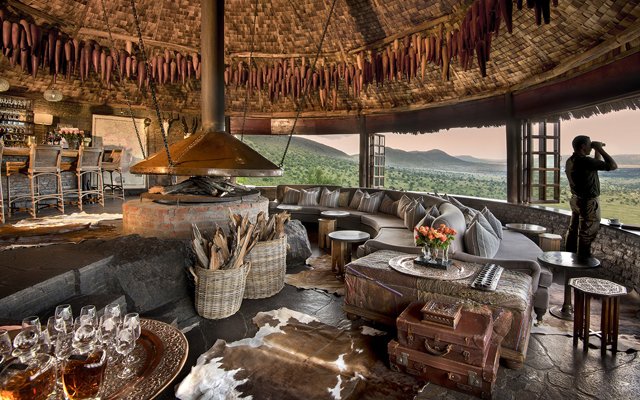
Tanzania Safari Packages With Luxury And Budget Accommodation 2026-2027
Tanzania Safari Packages with Luxury and Budget Accommodation is explained with current 2026-2027 planning, price, itinerary and booking information.
View package details
Best Value Tanzania Safari Holidays With Full Board Accommodation 2026-2027
Best Value Tanzania Safari Holidays with Full Board Accommodation is explained with current 2026-2027 planning, price, itinerary and booking information.
View package details
Tanzania Safari Group Departures With Shared Camping Accommodation 2026-2027
A comprehensive operational guide to Tanzania safari group departures featuring shared public campsite accommodation across the Northern Circuit for 2026-2027.
View package details
How Much Does A Luxury Tanzania Safari Cost Per Night? 2026-2027
How Much Does a Luxury Tanzania Safari Cost Per Night? is explained with current 2026-2027 planning, price, itinerary and booking information.
View package details
How Much Does A Tanzania Safari Cost For A Family Of Four? 2026-2027
How Much Does a Tanzania Safari Cost for a Family of Four? is explained with current 2026-2027 planning, price, itinerary and booking information.
View package details
How Much Extra Does A Private Safari Vehicle Cost In Tanzania? 2026-2027
How Much Extra Does a Private Safari Vehicle Cost in Tanzania? is explained with current 2026-2027 planning, price, itinerary and booking information.
View package details
Private Vs Group Joining Tanzania Safari Cost Comparison 2026-2027
Private vs Group Joining Tanzania Safari Cost Comparison is explained with current 2026-2027 planning, price, itinerary and booking information.
View package details
How Much Does A 5 Day Tanzania Safari Cost For Two People? 2026-2027
How Much Does a 5 Day Tanzania Safari Cost for Two People? is explained with current 2026-2027 planning, price, itinerary and booking information.
View package details
What Is The Average Cost Of A 4 Day Tanzania Safari? 2026-2027
What Is the Average Cost of a 4 Day Tanzania Safari? is explained with current 2026-2027 planning, price, itinerary and booking information.
View package detailsNo closely related package is available yet for this topic.

Our Guest Reviews, Currently Feedback from Clients in 2026
Reviews from different sources, including Google Business, Tripadvisor, other platforms, and social media.



