
Tanzania safari group departures with shared camping accommodation are scheduled, shared-vehicle wildlife tours where individual travelers, couples, or pairs join a pre-set convoy across Northern Circuit parks—primarily Tarangire, Lake Manyara, the Serengeti, and Ngorongoro Crater—overnighting in pitch-up canvas ground tents at public government campsites. In 2026-2027, these departures typically cost between $190 and $250 per person per day, inclusive of park entry conservation fees, a customized 4×4 pop-top Land Cruiser, an English-speaking guide, an expedition cook, dome tents, and all field meals. The core operational decision for travelers is balancing substantial cost savings against rustic, communal park facilities, shared bathroom blocks, and a fixed, non-customizable route itinerary.

How Tanzania Safari Group Departures with Shared Camping Work in Practice
Joining a scheduled group departure fundamentally alters the financial mechanics of an East African safari. In private travel, a single booking carries the fixed operational overheads: daily commercial vehicle fees, driver-guide day rates, fuel surcharges, transit permits, and custom crew allocations. When you step into a Tanzania safari group departure with shared camping accommodation, these collective logistics are divided equally across four to six passengers. This structure brings classic destinations like the Serengeti and Ngorongoro within the reach of budget-conscious adventurers and solo explorers who would otherwise face prohibitive solo-vehicle costs.
Departures typically mobilize out of Moshi or Arusha, which serve as the twin launch pads for the Northern Safari Circuit. For solo travelers comparing booking approaches, evaluating a Tanzania safari for solo travelers with group joining tours reveals an immediate benefit: by agreeing to shared transport and a shared two-person dome tent (or paying a modest single tent supplement), expensive single-room hotel fees disappear entirely.
The flow of a group departure day is defined by early mornings, precise group coordination, and active cooperation. Your team consists of two key professionals: an experienced wildlife guide who navigates the terrain and spots game, and a dedicated safari chef who travels either in the vehicle or ahead on logistics transit to secure campsite allocations, pitch shelters, and prepare fresh hot meals. Understanding this division of labor makes it easier to appreciate why budget camping safaris run like clockwork despite rustic park infrastructures.
2026-2027 Cost Breakdown: Daily Rates, Inclusions, and Hidden Fees
Budgeting accurately for a shared camping expedition requires looking closely at daily line items. Tanzania is not an inherently cheap safari destination due to rigorous conservation fees levied by the Tanzania National Parks Authority (TANAPA) and the Ngorongoro Conservation Area Authority (NCAA). These statutory government charges apply equally whether you sleep in a five-star wilderness suite or a two-person canvas dome pitched at a public campsite.
For the 2026-2027 safari seasons, expect group joining camping rates to anchor firmly between $190 and $250 per person per day. Shorter trips focusing on Tarangire and Lake Manyara sit at the lower end of that bracket, while itineraries driving deep into the central Serengeti (Seronera) or descending into the Ngorongoro Caldera align with the upper boundary due to heavy crater service fees and remote transit fuel costs.
To see how public camping compares directly against mid-range lodge packages and private setups, reviewing the private vs group joining Tanzania safari cost comparison highlights where the true savings materialize. While private safaris scale sharply upward if you are fewer than four guests, group camping maintains an accessible, flat daily entry price.
| Safari Scope & Duration | Typical Cost (USD / Person) | Key National Parks Included | Accommodation Format |
|---|---|---|---|
| 2-Day Short Group Joiner | $380 – $480 | Tarangire & Ngorongoro Crater | Mto wa Mbu / Manyara Public Campsite |
| 3-Day Essential Northern | $570 – $690 | Tarangire, Ngorongoro, Manyara | Public Rim / Mto wa Mbu Campsite |
| 4-Day Classic Explorer | $760 – $920 | Tarangire, Serengeti, Ngorongoro | Seronera Public Camp & Simba Camp |
| 5-Day Serengeti Focus | $950 – $1,200 | Manyara, Central Serengeti, Ngorongoro | Seronera (2 nights), Simba (1 night) |
| 6-Day Deep Circuit | $1,140 – $1,440 | Tarangire, Serengeti (3 nights), Ngorongoro | Seronera, Simba, Karatu Campsites |
Understanding what your booking covers protects you from unexpected expenses on the road. A standard shared camping departure through TOP GUIDE ADVENTURES includes all national park conservation entrance fees, public camping permits, crater descent permits, full board field catering, three liters of bottled drinking water per day, canvas dome camping gear, foam sleeping mattresses, a dedicated cook, and an experienced driver-guide. What falls outside the package are sleeping bags (often rented for $10–$20 for the whole journey if you do not bring your own), crew tips, international or local flights, travel insurance, personal soda or alcoholic drinks, and pre-/post-safari hotel nights in Moshi or Arusha.
The Campsite Reality: Public Tents, Washrooms, and Mess Logistics
The term shared camping often raises practical questions: Where do we sleep? How clean are the washrooms? Who pitches the tents? Demystifying the physical environment helps set comfortable, practical expectations before setting foot in the bush.
Accommodations utilize durable, water-resistant canvas dome ground tents, usually measuring 2.5 by 2.5 meters. These are built to sleep two adults comfortably alongside daypacks. If you are booking as a pair or couple, you are assigned your own tent. Solo travelers either share a twin tent with a same-gender group participant or pay a nominal single supplement (generally $20–$30 per day) to secure a private tent while still sharing the safari vehicle and dining table. Inside, your crew provides dense 3- to 4-inch high-density foam sleeping pads. You supply or rent a seasonal sleeping bag rated down to at least 0°C (32°F), an essential precaution given the brisk nighttime drops on the Ngorongoro Crater rim.
Public campsites—such as Seronera Public Campsites (Pimbi, Dik Dik, Nyani) in the Central Serengeti or Simba Campsite overlooking the Ngorongoro caldera—are managed by government park authorities. They feature communal ablution blocks with sit-down flush toilets and running water. However, travelers should maintain sensible expectations regarding hot water. While several washhouses feature solar heating arrays, heavy usage in peak hours after evening game drives frequently exhausts hot water reserves. Carrying quick-dry microfibre towels, flip-flops for the shower areas, bio-degradable wipes, and headlamps is crucial for navigating these shared utility blocks after dusk.
Meals are served in covered open-air dining pavilions or communal mess shelters designed to protect dinner parties from scavenging marabou storks or baboons. Your safari cook orchestrates balanced, hot meals using gas cookers: warm porridge, eggs, and toast for breakfast; picnic lunch boxes (grilled chicken, boiled eggs, sandwiches, seasonal fruits) during full-day game tracking; and hearty three-course dinners featuring pumpkin soups, beef stews, rice, ugali, and fresh vegetable sautés in the evening. Hydration is supported via high-capacity mineral water jugs; travelers are encouraged to bring reusable insulated flasks to reduce disposable plastic waste throughout the ecosystem.
The 4×4 Safari Cruiser Dynamic: Seating, Luggage, and Group Etiquette
In group-joining adventures, the safari vehicle serves as your roving living room and wildlife observation deck for six to nine hours a day. TOP GUIDE ADVENTURES operates heavy-duty 4×4 Toyota Land Cruisers extended specifically to carry six or seven passenger window seats alongside one co-driver seat. These vehicles feature elevated heavy-gauge suspensions, dual spare tires, high-lift jacks, an onboard dual-battery inverter system for recharging cameras and mobile phones, and a pop-up roof hatch that opens completely to provide 360-degree clear viewing during game tracking.
Because the vehicle carries up to seven travelers, a guide, a safari chef, camping gear, pantry boxes, and personal baggage, space management is governed by strict rules. Soft duffel bags are mandatory; hard-shell suitcases simply cannot wedge efficiently into the designated rear cargo hold beneath the tent gear. Every passenger is held to a practical baggage limit of 15 kilograms (33 lbs), plus a small daily daypack to keep inside the cabin near their seat.
Group harmony relies on shared consideration. Established camp etiquette requires passengers to rotate window seats daily so every guest enjoys alternating perspectives during wildlife encounters. Similarly, mobile phone usage in the vehicle is restricted to photography, keeping ringer volumes silent so the quiet sounds of the savannah remain undisturbed. When large predators or rare black rhinos appear, guests coordinate camera angles and take turns standing on the center seats beneath the pop-up roof, ensuring that every traveler captures memories without obstructing someone else’s view.
Core Itinerary Blueprints: 2-Day to 7-Day Shared Camping Routes
Group departures across Tanzania follow standardized, field-tested circuits designed to minimize non-game transit time while maximizing sightings across key ecological zones. Unlike custom private safaris that meander into off-the-beaten-path concessions, group routes stay centered on primary game tracks to guarantee predictable logistics and reliable campsite access.
1. The Short Circuit: 2-Day to 3-Day Express Options
Ideal for trekkers who have just summitted Mount Kilimanjaro or business travelers on tight schedules, short shared camping circuits run directly from Moshi or Arusha. A popular entry point is the 2-day Tanzania group joining safari with camping, which pairs the elephant-dense swamps of Tarangire National Park with a descent into the Ngorongoro Crater floor. Because travel times between Arusha, Tarangire, and the rim of Ngorongoro remain manageable (2 to 3.5 hours on smooth tarmac before hitting park gates), these short routes provide genuine Big Five tracking opportunities without consuming an entire week.
2. The Golden Standard: 4-Day to 5-Day Serengeti & Ngorongoro Traversal
The four- and five-day group itineraries represent the heart of Tanzania’s budget safari circuit. Departing early from Arusha, the convoy moves past the Great Rift Valley escarpment, climbing up through the Ngorongoro Conservation Area before dropping down into the vast, open short-grass savannah of the Central Serengeti (Seronera Valley). Spending two nights under canvas at public campsites like Nyani or Pimbi allows for comprehensive morning and late-afternoon game drives across the river loops where leopards lounge in sausage trees and resident lion prides hunt along the kopjes.
On day four, the group breaks camp at dawn, undertakes a final en-route game drive across the southern Serengeti plains, and ascends the outer slopes of the Ngorongoro highlands to camp at Simba Campsite. Perched at 2,200 meters above sea level, Simba Camp is famous for its panoramic views over the caldera floor and its chilly alpine evenings where zebra frequently graze openly between the tents. The final morning delivers a 6-hour wildlife safari inside the crater floor before the 4×4 returns to Arusha by early evening.
For those looking to evaluate comprehensive multi-park alternatives and fixed departure calendars, checking the all Tanzania safaris group departures dates schedule helps align personal flight windows with confirmed weekly group tracks for 2026 and 2027.
Weather Realities: Camping across Northern Circuit Seasons
Ground camping brings you intimately close to nature, meaning your daily experience is closely tied to seasonal weather patterns. Understanding the difference between Tanzania’s dry stretches and rain cycles prevents unexpected discomfort and ensures you arrive with the right gear.
The long dry season runs from late June through October. During this window, wildlife viewing reaches peak visibility as grasses thin out and herbivores concentrate along the permanent waters of the Seronera River and Tarangire River. While daytime temperatures hover around a pleasant 25°C to 28°C (77°F–82°F), nighttime temperatures drop quickly once the sun dips below the horizon. At Simba Campsite on the Ngorongoro Crater rim, overnight mercury levels routinely plummet to 5°C to 8°C (41°F–46°F). A high-loft sleeping bag, thermal base layers, and a warm fleece beanie are mandatory gear for these high-altitude camps.
From November through December, the landscape experiences the ‘short rains’—intermittent, short-duration afternoon showers that settle the trail dust and trigger a lush green transformation across the plains. This period marks the arrival of migratory herds returning south toward Ndutu. Meanwhile, the long rainy season spans late March through May. While this period offers dramatic emerald backdrops, fewer crowds, and lower seasonal park traffic, shared ground camping requires durable waterproof gear, seam-sealed tents, and waterproof duffels to handle wet campsite grounds. Regardless of the month, quality rain shells and heavy-duty dust covers for camera equipment remain essential pack items for every northern circuit expedition.
Check Availability for Tanzania Safari Group Departures With Shared Camping Accommodation 2026-2027
Ready to compare dates, prices, and the best option for your group? Send the package name and travel month so the team can reply with a clear quote, availability, and what is included.

Tanzania Safari Group Joining Departures In January 2026-2027
Tanzania Safari Group Joining Departures in January 2027 is explained with current 2026-2027 planning, price, itinerary and booking information.
View package detailsTanzania Safari Group Joining Tours For Couples And Friends 2026-2027
Tanzania Safari Group Joining Tours for Couples and Friends is explained with current 2026-2027 planning, price, itinerary and booking information.
View package details
How Much Can I Save By Joining A Group Safari In Tanzania? 2026-2027
How Much Can I Save by Joining a Group Safari in Tanzania? is explained with current 2026-2027 planning, price, itinerary and booking information.
View package details
Tanzania Group Joining Safari Tours With Airport Pickup 2026-2027
Tanzania Group Joining Safari Tours with Airport Pickup is explained with current 2026-2027 planning, price, itinerary and booking information.
View package details
How Many People Share A Vehicle On A Tanzania Group Safari? Guide 2026-2027
A comprehensive operational breakdown of vehicle capacity, passenger seating arrangements, window seat guarantees, and luggage space on Tanzania group joining safaris for 2026 and 2027.
View package details
Where Can I Find Tanzania Safari Group Joining Tours With Fixed Dates?
Where Can I Find Tanzania Safari Group Joining Tours with Fixed Dates? is explained with current 2026-2027 planning, price, itinerary and booking information.
View package details
Private Vs Group Joining Tanzania Safari Cost Comparison 2026-2027
Private vs Group Joining Tanzania Safari Cost Comparison is explained with current 2026-2027 planning, price, itinerary and booking information.
View package details
Tanzania Safari Packages With Luxury And Budget Accommodation 2026-2027
Tanzania Safari Packages with Luxury and Budget Accommodation is explained with current 2026-2027 planning, price, itinerary and booking information.
View package details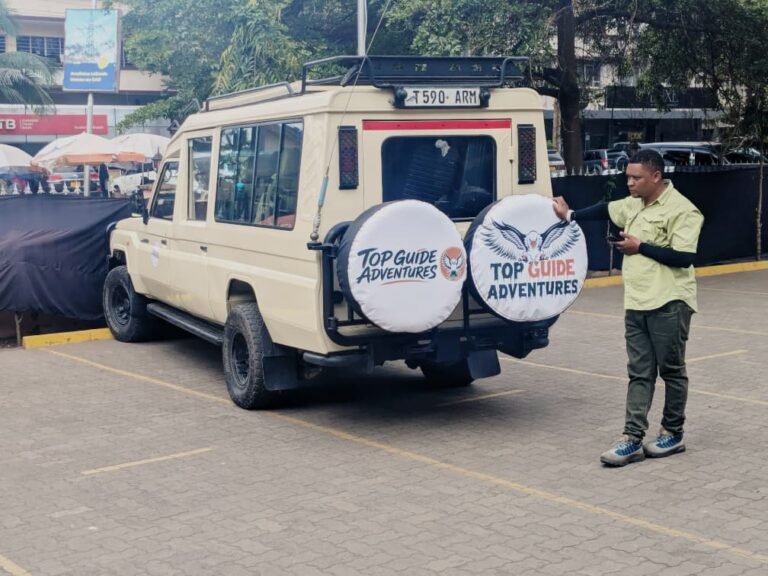
Affordable Tanzania Wildlife Safari Holidays For Small Groups 2026-2027
Affordable Tanzania Wildlife Safari Holidays for Small Groups is explained with current 2026-2027 planning, price, itinerary and booking information.
View package details
Can I Join A Safari Group From Moshi Instead Of Arusha? 2026-2027
Can I Join a Safari Group from Moshi Instead of Arusha? is explained with current 2026-2027 planning, price, itinerary and booking information.
View package details
Tanzania Safari Packages For Solo Travelers Without Expensive Single
A comprehensive practical guide to booking Tanzania safari packages for solo travelers without paying punitive single supplements, covering group departures, room-share models, private...
View package details
Can I Join A Safari Group Without Sharing A Hotel Room? 2026-2027
Can I Join a Safari Group Without Sharing a Hotel Room? is explained with current 2026-2027 planning, price, itinerary and booking information.
View package detailsNo closely related package is available yet for this topic.

Our Guest Reviews, Currently Feedback from Clients in 2026
Reviews from different sources, including Google Business, Tripadvisor, other platforms, and social media.



