
The cheapest safari to book while staying in Zanzibar is a 1-day fly-in safari to Mikumi National Park, which typically costs between $380 and $480 per person for the 2026-2027 travel seasons. This package covers round-trip domestic bush flights between Abeid Amani Karume International Airport (ZNZ) and Mikumi, park entry fees managed by Tanzania National Parks (TANAPA), open-sided 4×4 game drives, a bush lunch, and driver-guide fees. The primary decision travelers face is whether to prioritize the lowest absolute dollar cost via a fast 1-day Mikumi hop or spend slightly more on an overnight excursion to Nyerere National Park (Selous) to avoid midday flight fatigue.
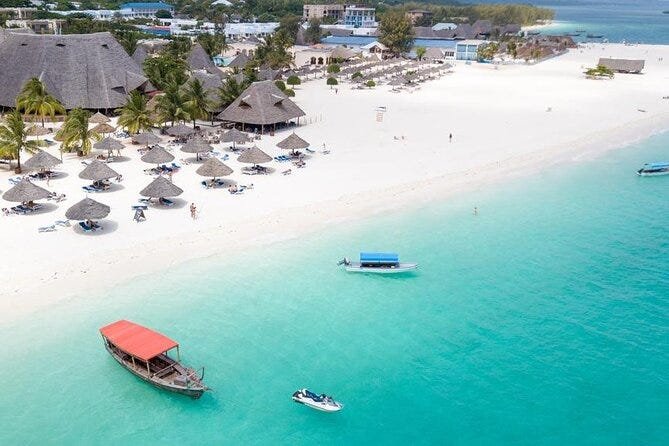
Quick Verdict & Cost Breakdown: The Cheapest Safaris from Zanzibar
Booking a wilderness expedition from an Indian Ocean beach resort involves logistical considerations unique to island departures. When calculating expenses, flight logistics dominate the base invoice. Zanzibar sits approximately 35 nautical miles off the Tanzanian mainland, meaning every safari itinerary requires either commercial air transfers or maritime crossings coupled with overland driving.
For travelers analyzing itineraries for 2026 and 2027, packages organize naturally into three realistic entry-level tiers. The single-day bush flight to Mikumi stands firmly as the lowest-cost option, followed closely by shared 2-day excursions into Nyerere National Park, while iconic northern destinations such as the Serengeti or Ngorongoro Crater occupy a significantly higher budget bracket due to flight hours and high conservation levies.
Estimated Safari Rates Departing from Zanzibar (2026-2027)
| Safari Itinerary | Target Destination | Logistical Format | Estimated Cost (USD per Person) | Key Trade-Off |
|---|---|---|---|---|
| 1-Day Fly-In Safari | Mikumi National Park | Round-trip flights (ZNZ-Mikumi-ZNZ) + Full-day game drive | $380 – $480 | No overnight stay; tight turnaround with dawn departure and dusk return. |
| 2-Day / 1-Night Fly-In | Mikumi National Park | Round-trip flights + 1 night mid-range banda/camp + 2 game drives | $590 – $750 | Moderate cost increase; delivers early-morning wildlife viewing. |
| 2-Day / 1-Night Fly-In | Nyerere National Park (Selous) | Round-trip flights + Boat safari + Game drive + Camp overnight | $640 – $820 | Slightly pricier than Mikumi; includes riverboat excursions on the Rufiji. |
| 3-Day / 2-Night Overland | Mikumi via Dar es Salaam | Public ferry to Dar + 6-hour highway drive each way + Lodging | $420 – $550 | Lowest mechanical cost per day, but loses 12+ daylight hours to congested highways. |
| 2-Day / 1-Night Northern Fly-In | Tarangire & Ngorongoro | Flight to Arusha/Kilimanjaro + 4×4 transit + Crater floor fee | $1,050 – $1,350 | Premium tier; high park admission fees and longer cross-country flights. |
When assessing these price brackets, understand that flight charter seats operate under fixed overhead costs. Operators purchase wholesale bulk seats on shared passenger routes handled by regional coastal carriers such as Auric Air, Coastal Aviation, or Unity Air. Consequently, the bottom price floor for a 1-day Mikumi fly-in rarely drops below $380 per person, even during off-peak rainy shoulder months. Travelers coming across offers below $320 are almost certainly viewing incomplete quotes that exclude mandatory conservation permits, landing fees, or transfers from distant beach hubs like Nungwi or Paje.
To explore how these excursions compare with multi-day wildlife holidays, you can read our breakdown on how much a 2-day safari from Zanzibar costs, or review overall Mainland pricing variables in our guide on the cheapest way to book a Tanzania safari.
Why Mikumi National Park Remains the Absolute Cheapest Island Safari
Mikumi National Park is widely recognized by regional operators as the primary gateway for budget-conscious holidaymakers based in Stone Town, Kendwa, Kiwengwa, or Jambiani. The park’s geographical orientation and administrative framework directly reduce overall visitor expenses in ways that northern parks simply cannot match.
1. Minimal Flight Time and High Flight Frequency
The straight-line flight corridor from Abeid Amani Karume International Airport (ZNZ) directly to the Kikoboga Airstrip inside Mikumi requires approximately 45 to 60 minutes in a light turboprop aircraft (such as a Cessna Grand Caravan or Dash-8). This short distance translates to lower aviation fuel expenditures compared to flights heading to Arusha (90 minutes) or Seronera in Central Serengeti (over 2 hours). High tourist volume on this route ensures multiple daily flights, keeping seat tariffs stable and competitive throughout 2026-2027.
2. Affordable Protected-Area Tariffs
Entry fees administered by TANAPA vary significantly depending on ecological designation. Mikumi classifies as a Southern Circuit conservation zone, featuring lower daily park entry fees ($30 to $35 plus VAT per adult non-resident) compared to the Serengeti ($70 to $80 plus VAT) or the Ngorongoro Conservation Area, which levies an additional $295 vehicle descent fee per visit. By concentrating on Mikumi, operators bypass heavy statutory surcharges, passing those savings directly down to your final invoice.
What a Standard 1-Day Mikumi Safari Package Includes
- Return Coastal Flights: Early morning departure from Zanzibar (07:00–07:30) arriving Kikoboga airstrip (08:15–08:30); late afternoon return departure (16:00–16:30).
- Open-Sided 4×4 Land Cruiser Game Drives: Shared or private vehicle with an elevating pop-up photographic roof hatch and window seats.
- Statutory TANAPA Park Permits: All entry, environmental management, and airstrip transit concession charges.
- Field Luncheon & Hydration: Hot safari lunch or packed lunch box served at a designated wilderness picnic site, along with bottled mineral water throughout the day.
- Professional Driver-Guide: An English-fluent local naturalist specializing in animal tracking and savannah ecology.
For visitors holding strict deadlines who want to check off a wild African safari without sacrificing their beach holiday, a 1-day Tanzania safari tour from Zanzibar with flights provides an efficient, budget-friendly route. The expansive Mkata Floodplain within Mikumi often draws comparisons to the Serengeti landscape, hosting high densities of buffalo, giraffes, zebras, lions, elephants, wildebeests, and over 400 cataloged bird species.
Ferry vs Flight: Evaluating the Dar es Salaam Budget Road Route
Travelers seeking the lowest possible raw cost frequently ask whether they can cut expenses by taking the high-speed passenger ferry from Stone Town to Dar es Salaam, and then traveling by road into Mikumi National Park. While this route does reduce overall upfront costs on paper, the physical demands and scheduling trade-offs make it impractical for most itineraries.
The Mechanical Logistics of the Overland Route
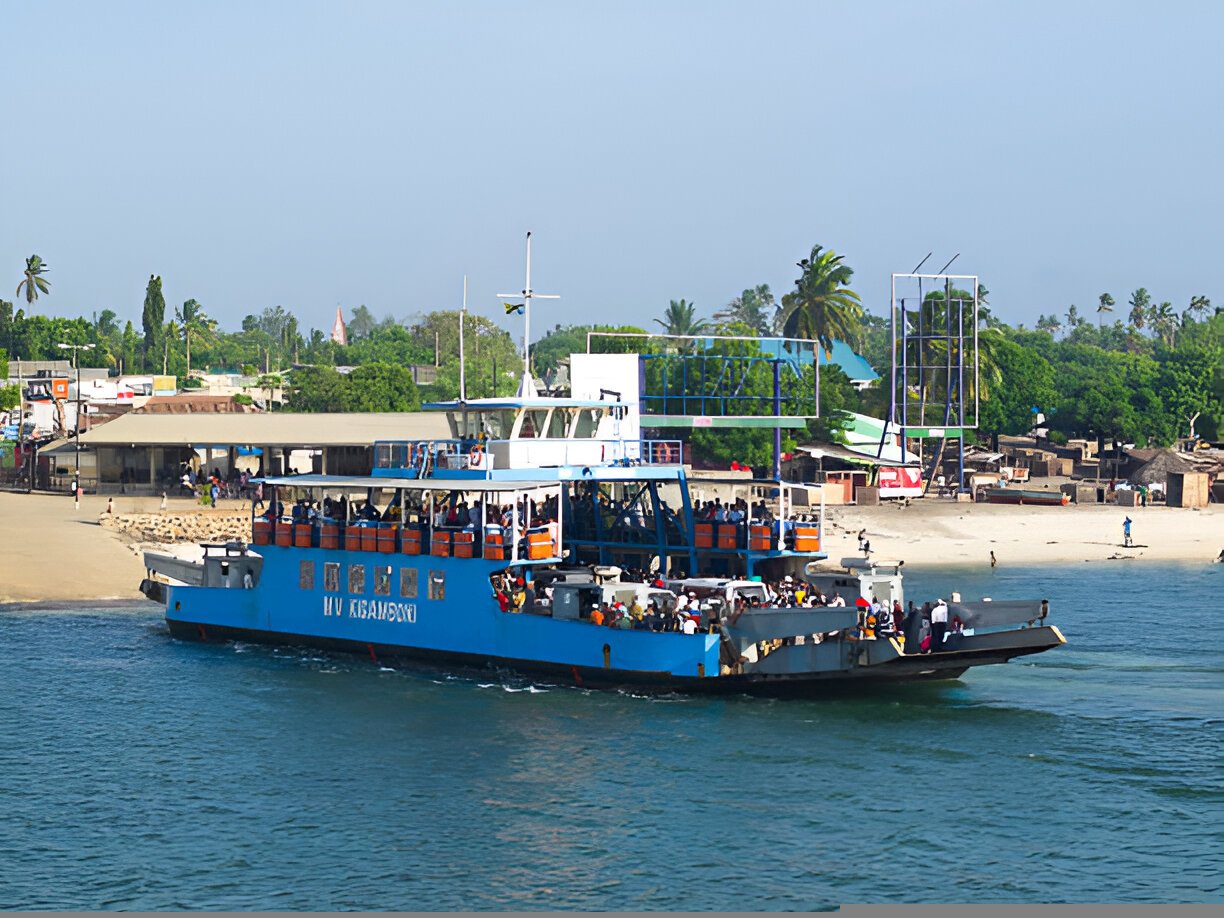
The ferry between Zanzibar Port and Dar es Salaam takes roughly 100 to 120 minutes each way, costing around $35 for economy passage. From the port terminal in Dar es Salaam, reaching Mikumi requires navigating the congested Morogoro highway (A7). Under typical traffic conditions, driving the 300-kilometer stretch between Dar es Salaam and the Mikumi park gate takes between 5.5 and 7 hours each way.
Practical Reality Check: Attempting a single-day safari using the ferry-and-road sequence is physically impossible. The timeline demands a minimum 3-day / 2-night itinerary just to secure 5 to 6 hours of quality game viewing. Day 1 is lost entirely to ferry transit and inland highway traffic; Day 2 provides your safari game drive; Day 3 involves another grueling 6-hour return drive to Dar es Salaam followed by the late ferry back to Zanzibar.
When you tally two nights of budget guesthouse accommodations, meals, ferry tickets, private ground vehicle hire, fuel surcharges, and highway tolls, the total trip cost for two people often hovers between $420 and $550 per person. When weighed against a $380 to $480 1-day direct bush flight, the overland option saves little to no money while consuming two full days of your beach holiday in highway traffic. Consequently, our team at Top Guide Adventures recommends the road route only to extended backpackers already planning to travel deeper into southern Tanzania without returning to the island.
For those interested in exploring whether a single-day mainland escape without hotel reservations fits their schedule, check our guide on whether you can book a safari from Zanzibar without staying overnight on the mainland.
Nyerere (Selous) vs. Mikumi: Comparing Budget-Tier Experiences
When tourists want more than a one-day dash into Mikumi, the primary budget alternative is Nyerere National Park (formerly the Selous Game Reserve). Nyerere represents the vastest protected national park in Tanzania, cut by the wide waters of the Rufiji River.
Both destinations share the same southern conservation cost structures, but the on-the-ground experience, vehicle styles, and activity options differ substantially.
The Real Differences for Budget Travelers
- Activity Diversity: Mikumi safaris focus almost entirely on standard vehicular game drives across savannah plains. Nyerere introduces varied terrain where budget packages regularly feature boat safaris along the Rufiji River, offering close-up sightings of pods of hippos, massive Nile crocodiles, and rich riverine bird colonies that cannot be replicated from an automobile seat.
- Accommodation Options: Outside Mikumi’s gate along the highway, budget accommodations consist largely of simple, utilitarian roadside motels and modest safari camps. Nyerere boasts an array of authentic safari tented camps set right along the riverbanks, offering an atmospheric wilderness ambiance even within mid-tier budget brackets.
- Traveler Density: Mikumi sees heavy volumes of day-trippers visiting its central road loops between 10:00 and 14:00. Nyerere’s massive wilderness distributes vehicles across broader tracts, delivering a quieter, less congested bush atmosphere.
For visitors weighing an overnight excursion, spending an additional $100 to $150 per person over Mikumi rates to take a Zanzibar to Nyerere National Park fly-in safari package often yields far greater travel value. You gain authentic riverboat safaris, quiet evening campfires, and morning walking tours led by armed game rangers.
Hidden Costs That Inflate Cheap Zanzibar Safari Quotes
When searching for the lowest price on a Zanzibar safari, quotes can sometimes appear deceptively affordable at first glance. Independent street brokers operating on beaches in Stone Town, Nungwi, or Kendwa frequently quote bare-bones prices that exclude critical travel legs. Before confirming any booking for 2026 or 2027, always verify these line items in writing.
Critical Quotation Verification Checklist
- Hotel Island Transfers: Abeid Amani Karume Airport sits in southern Zanzibar near Stone Town. If your beach resort is located along northern beaches (Nungwi, Kendwa) or east coast strips (Matemwe, Paje, Jambiani), private taxi transfers run between $40 and $70 each way. Confirm whether your safari agency bundles island road transfers into the package.
- Value Added Tax (18% VAT): Statutory park and flight fees across mainland Tanzania are subject to national VAT. Unreliable brokers often quote baseline figures, only adding 18% VAT right as you finalize payment.
- Luggage Weight Penalties: Domestic bush flights servicing Kikoboga and Mtemere airstrips enforce strict limits of 15 kg (33 lbs) per passenger, typically requiring soft-sided duffel bags. Bringing heavy hard-shell rolling luggage can trigger excess baggage fees ($3 to $5 per extra kilo) or force you to leave bags behind in airport storage lockers ($10 to $20/day).
- Beverages and Sundries: Standard budget safari packages cover bottled mineral drinking water in the 4×4 Land Cruiser. Sodas, beers, wines, and barista coffees at lunch lodges are out-of-pocket expenses payable in cash (USD or Tanzanian Shillings).
- Driver-Guide Gratuities: Tipping represents an established professional norm across East Africa. While discretionary, a standard guideline for your driver-guide ranges from $15 to $25 per vehicle per day, shared among passengers.
For a detailed, itemized analysis of potential travel expenses across mainland reserves, consult our overview of hidden costs on Tanzanian safaris, or read our outline of what is included in an all-inclusive safari package.
Best Months in 2026-2027 to Secure Lowest Safari Rates from Zanzibar
Seasonal weather conditions across mainland Tanzania directly dictate dynamic lodging prices, airline seat availability, and ground game-viewing quality. Aligning your Zanzibar beach getaway with seasonal rate reductions can find genuine savings on your safari extension.
1. The Low Season Shoulder Months (March to May)
Tanzania’s long rains fall between late March and mid-May. During this wet window, regional tourist traffic drops sharply. Lodges and tented camps throughout Mikumi and Nyerere reduce their room tariffs by 20% to 40% to sustain basic operations. Coastal flight carriers occasionally offer discounted charter seats or companion seat specials. While downpours can turn secondary dirt tracks muddy and tall savannah grasses make predator spotting trickier, this period delivers the lowest total costs of the year.
2. The Short Rains Window (November to Mid-December)
November brings short, intermittent convective rains that rarely disrupt daily game drives. This shoulder window sits squarely between the bustling high summer season (July–October) and the busy Christmas–New Year rush. Lodges maintain reasonable shoulder-season pricing, air corridors remain open, and parks are vibrant and green, offering exceptional bird watching alongside resident mammals.
Check Availability for What Is The Cheapest Safari To Book While Staying In Zanzibar? 2026-2027
Ready to compare dates, prices, and the best option for your group? Send the package name and travel month so the team can reply with a clear quote, availability, and what is included.
Can I Book A Safari From Zanzibar Without Staying Overnight On The Mainland?
Can I Book a Safari from Zanzibar Without Staying Overnight on the Mainland? is explained with current 2026-2027 planning, price, itinerary and booking.
View package details
Can I Book A Last-Minute Safari From Zanzibar? 2026-2027
Can I Book a Last-Minute Safari from Zanzibar? is explained with current 2026-2027 planning, price, itinerary and booking information.
View package details
Safari Tours From Zanzibar With Hotel Pickup And Return Flights 2026-2027
Safari Tours from Zanzibar with Hotel Pickup and Return Flights is explained with current 2026-2027 planning, price, itinerary and booking information.
View package details
Can I Visit Ngorongoro Crater On A Safari From Zanzibar? 2026-2027
Can I Visit Ngorongoro Crater on a Safari from Zanzibar? is explained with current 2026-2027 planning, price, itinerary and booking information.
View package detailsZanzibar To Nyerere National Park Fly-In Safari Packages 2026-2027
Zanzibar to Nyerere National Park Fly-In Safari Packages is explained with current 2026-2027 planning, price, itinerary and booking information.
View package details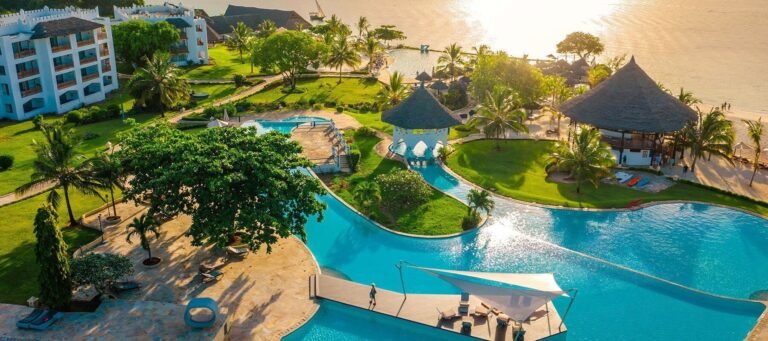
4 Day Tanzania Safari From Zanzibar With Luxury Accommodation 2026-2027
4 Day Tanzania Safari from Zanzibar with Luxury Accommodation is explained with current 2026-2027 planning, price, itinerary and booking information.
View package details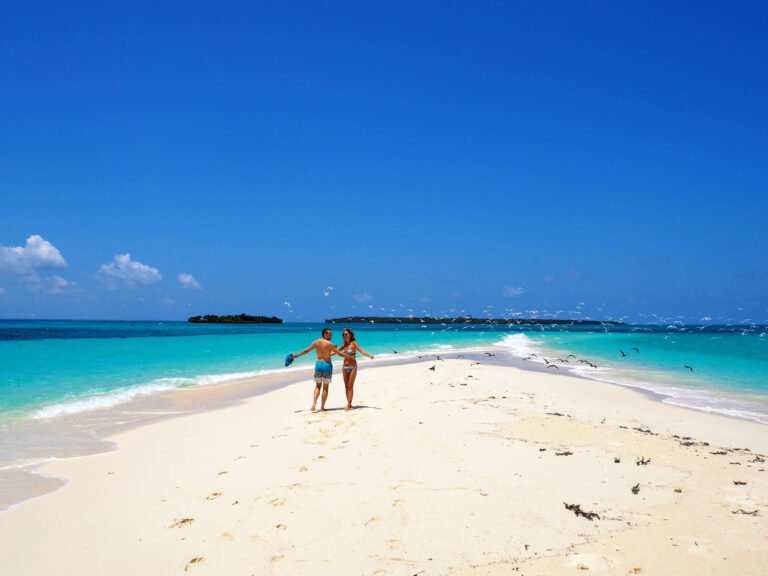
3 Day Serengeti Safari From Zanzibar With Return Flights 2026-2027
3 Day Serengeti Safari from Zanzibar with Return Flights is explained with current 2026-2027 planning, price, itinerary and booking information.
View package detailsHow Much Does A 2 Day Safari From Zanzibar Cost? 2026-2027
How Much Does a 2 Day Safari from Zanzibar Cost? is explained with current 2026-2027 planning, price, itinerary and booking information.
View package detailsBest 1 Day Tanzania Safari Tours From Zanzibar With Flights 2026-2027
Best 1 Day Tanzania Safari Tours from Zanzibar with Flights is explained with current 2026-2027 planning, price, itinerary and booking information.
View package detailsCan I Visit Serengeti National Park On A Safari From Zanzibar? 2026-2027
Can I Visit Serengeti National Park on a Safari from Zanzibar? is explained with current 2026-2027 planning, price, itinerary and booking information.
View package details
Is A Day Trip From Zanzibar To Mikumi National Park Worth It? 2026-2027
Is a Day Trip from Zanzibar to Mikumi National Park Worth It? is explained with current 2026-2027 planning, price, itinerary and booking information.
View package details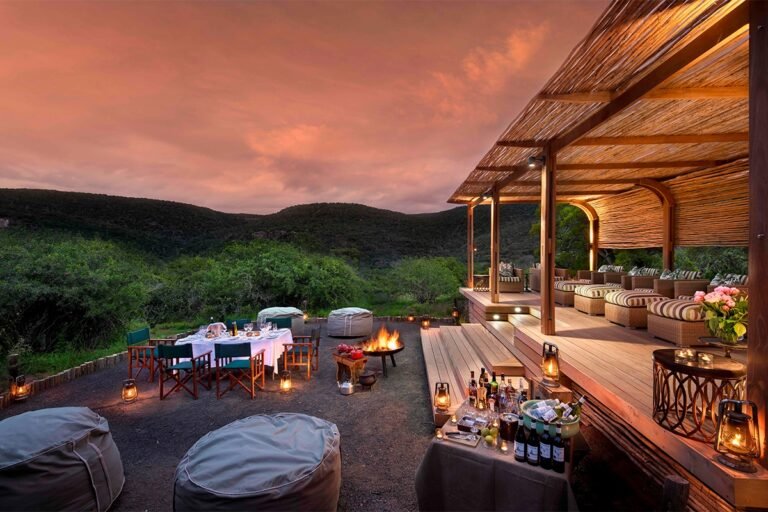
What Is The Cheapest Way To Book A Tanzania Safari? Guide 2026-2027
Discover how booking directly with local operators in Arusha or Moshi, joining group departures, and opting for public campsites slashes Tanzania safari costs by up to 50% for 2026-2027.
View package detailsNo closely related package is available yet for this topic.

Our Guest Reviews, Currently Feedback from Clients in 2026
Reviews from different sources, including Google Business, Tripadvisor, other platforms, and social media.



