
Yes, you can book a safari from Zanzibar without staying overnight on the mainland. Known commercially as a fly-in day trip safari, this arrangement operates via direct morning flights from Abeid Amani Karume International Airport (ZNZ) into bush airstrips inside southern Tanzania national parks—most notably Mikumi National Park and Nyerere National Park (formerly Selous)—followed by a full-day guided game drive in an open 4×4 vehicle and a scheduled return flight to Zanzibar before sunset. For the 2026-2027 travel seasons, all-inclusive day trip prices typically range between $380 and $550 per person, covering round-trip bush flights, national park conservation fees, private or shared open-sided game viewers, packed bush lunches, and airport pickups.
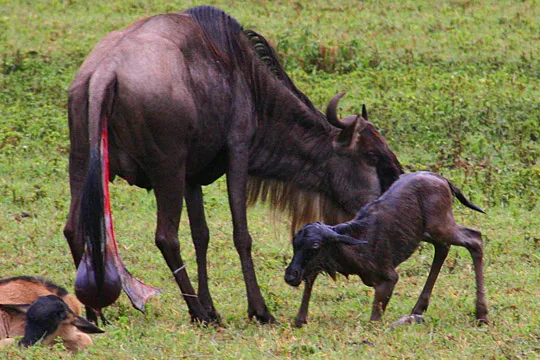

The Mechanics: How a Mainland Day Safari from Zanzibar Works
Many island holidaymakers assume that stepping foot on the Tanzanian safari circuit demands shifting heavy luggage, checking out of beachfront resorts in Nungwi, Kendwa, or Paje, and reserving mainland safari lodges. That is an unnecessary expense if your primary objective is seeing large African wildlife without breaking the continuity of your beach holiday.
A same-day mainland excursion eliminates overnight lodging logistics entirely. Instead of long highway transfers or domestic airline layovers in Dar es Salaam, these safaris rely on regional aviation operators utilizing light aircraft—typically Cessna Grand Caravan 208Bs or similar turboprops. These aircraft depart Zanzibar between 06:00 and 07:30, flying directly over the Indian Ocean channel and the coastal plains to touch down directly on packed-dirt airstrips situated inside park boundaries within 45 to 60 minutes.
Upon touching down on the bush strip, your professional safari driver-guide from Top Guide Adventures meets you directly at the runway with a custom-modified, pop-up roof 4×4 safari cruiser. You clear your park registration seamlessly because reputable operators prepay electronic park concession and entry fees to the Tanzania National Parks Authority (TANAPA) prior to client arrival. From the airstrip apron, your game drive begins immediately.
After five to six hours of intensive wildlife tracking, photography, and an open-air picnic lunch inside designated park resting sites, your guide returns you to the airstrip between 15:30 and 16:15. Your return flight lands in Zanzibar between 16:45 and 17:30, allowing you to return to your island hotel in time for an evening dinner by the water.
Aviation Realities: Because these flights land inside wildlife reserves, bush airstrips do not have terminal buildings, tarmac runways, or instrument landing systems. Flights operate entirely under Visual Flight Rules (VFR), which is why departure times back to Zanzibar are strictly scheduled in the late afternoon before tropical twilight reduces visibility.
Park Comparison: Mikumi vs. Nyerere vs. Saadani Without an Overnight
When planning a zero-overnight excursion from Zanzibar, destination choice is dictated by flight distance, game density within an hour of the airstrip, and seasonal weather patterns. Not every northern or southern park is logistically viable for a single day. The Serengeti and Ngorongoro Crater, for instance, are impractical for a standard day trip due to longer flight times, crater descent fees, and significant transit delays. For an immediate day excursion, southern Tanzania offers three main candidates.
1. Mikumi National Park: The Most Reliable Wildlife Day Trip
Mikumi is the undisputed leader for same-day safaris from Zanzibar. The flight from Abeid Amani Karume International Airport to Kikoboga Airstrip takes roughly 50 minutes. The central feature of Mikumi is the Mkata River Floodplain, an open horizon frequently compared to the Serengeti due to wide grasslands dotted with tamarind and acacia trees.
Because visibility across the Mkata plains is open, wildlife spotting begins minutes after leaving Kikoboga airstrip. Mikumi hosts dense concentrations of buffalo, impala, plains zebras, giraffes, wildebeests, and large elephant herds. Lions are routinely spotted along the access roads or resting on low termite mounds, while the park’s two artificial hippo pools located close to the main gate guarantee close-range sightings of hippos and Nile crocodiles. If you want maximum animal volume in limited daylight hours, Mikumi provides the most predictable return on your investment.
2. Nyerere National Park (Selous): The Vast Wilderness Experience
Nyerere National Park (formerly the northern portion of the Selous Game Reserve) lies roughly 45 minutes southwest of Zanzibar by air. Landing at airstrips such as Mtemere or Matambwe introduces you to a wildly different landscape than Mikumi. Nyerere is defined by the Rufiji River system, interconnected oxbow lakes, borassus palms, and dense miombo woodland.
While wildlife can be more dispersed due to thicker bush cover, Nyerere holds distinct advantages: exceptional birdlife, significant populations of African wild dogs (lycaon pictus), enormous pods of hippos, and abundant apex predators. A day trip here feels raw, remote, and untamed. However, because tracks wind through woodland terrain, you may spend more time navigating between sightings compared to the open flat plains of Mikumi.
3. Saadani National Park: The Coastal Alternative
Saadani is unique because it directly borders the Indian Ocean mainland coast, located just a 15-minute hop across the Zanzibar Channel. In theory, it seems like the ideal option. In operational practice for 2026-2027, Saadani is rarely our primary recommendation for travelers seeking classical African big game viewing.
The thick coastal scrub and tall grasses make spotting big cats challenging, and wildlife densities do not match those of Mikumi or Nyerere. Saadani is wonderful for travelers who prioritize seeing elephants wandering coastal beaches or river boat excursions on the Wami River, but if checking off traditional savanna wildlife in five hours is your goal, Mikumi and Nyerere are superior options.
| Destination | Flight Time (From ZNZ) | Primary Landscapes | Wildlife Highlights | Best Suited For |
|---|---|---|---|---|
| Mikumi National Park | ~50 minutes | Open floodplains, acacia savanna, flat horizons | Elephants, lions, zebras, giraffes, buffaloes, hippos | First-timers wanting dense, open-plains wildlife encounters |
| Nyerere National Park | ~45 minutes | Rufiji river channels, oxbow lakes, miombo woodland | Wild dogs, massive hippo pods, crocodiles, diverse birds | Travelers who appreciate riverine scenery and raw wilderness |
| Saadani National Park | ~15–20 minutes | Coastal forest, beach interface, mangrove estuaries | Colobus monkeys, waterbucks, elephants, marine life | Short-flight enthusiasts focusing on unusual coastal ecosystems |
Hour-by-Hour Timeline: What Your Day Actually Looks Like
Precision execution is the backbone of a zero-overnight mainland safari. Because you are matching domestic regional flight departures with strict daylight game viewing windows, the operational cadence must run without friction. Below is the standard timeline executed for our private and small-group guests booking through Tanzania Safari From Zanzibar fly-in programs.
Operational Day Plan: Zanzibar to Mikumi Direct
- 04:30 – 05:30: Resort Transfer: A private driver collects you from your accommodation anywhere on Zanzibar Island (Stone Town, Kendwa, Nungwi, Kiwengwa, or Paje) and transfers you directly to the domestic terminal at Abeid Amani Karume International Airport (ZNZ).
- 06:00 – 06:30: Bush Flight Check-in: You complete straightforward regional terminal security and check-in procedures with scheduled bush flight carriers such as Auric Air, Safari Air Link, or Unity Air. Hand luggage only is required; large bags stay at your Zanzibar resort.
- 07:00 – 07:15: Takeoff: The light aircraft departs Zanzibar, crossing over the coastline, passing Dar es Salaam airspace, and continuing inland over the Uluguru Mountain range.
- 08:05 – 08:15: Airstrip Arrival: Touchdown at Kikoboga Airstrip inside Mikumi National Park. Your licensed naturalist guide from Top Guide Adventures meets you alongside your designated 4×4 safari vehicle.
- 08:30 – 12:30: Morning Game Tracking: Immediate morning game drive through the Mkata Floodplain during the cooler hours when predators and large herbivore herds are actively grazing or hunting.
- 12:30 – 13:30: Bush Picnic Lunch: Break for a hot or packed lunch at an authorized wildlife viewing site, such as the Mikumi Hippo Pools or a designated shade banda overlooking the open plains.
- 13:30 – 15:15: Afternoon Game Loop: Afternoon tracking focusing on shifting wildlife corridors, birdlife, and peripheral watering holes.
- 15:30: Return to Airstrip: Final check-in at the bush runway alongside your aircraft crew.
- 16:00 – 16:15: Return Flight: Direct flight back to Zanzibar Island.
- 17:15 – 17:30: Arrival in Zanzibar: Landing back at ZNZ airport, followed by your return private road transfer back to your beach resort for dinner.
Cost Breakdown and Inclusions for 2026–2027 Day Safaris
Understanding the pricing structure of a day trip helps explain why these tours carry premium value relative to their short duration. Unlike overland budget safaris where fuel and vehicle amortisation dominate costs, fly-in day excursions are heavily driven by domestic aviation seats and mandatory park entry fees established by the government.
For the 2026 and 2027 travel periods, travelers should anticipate an all-inclusive standard rate ranging between $380 and $550 per person depending on whether the 4×4 vehicle on the mainland is shared with other fly-in passengers or reserved privately, as well as seasonal variations across high and green seasons.
Transparent Component Breakdown of Day Trip Costs
- Aviation Costs (~$220–$320 per person): Round-trip seats on scheduled coastal light aircraft between Zanzibar and Kikoboga or Mtemere airstrips, including domestic departure taxes and aviation safety surcharges.
- TANAPA Conservation Fees (~$35–$60 per adult): Non-negotiable government conservation and entry levies required per 24-hour cycle (even when utilizing only 6 hours) inside national parks.
- 4×4 Safari Vehicle Allocation (~$150–$250 per vehicle split across guests): Specialized custom Toyota Land Cruiser fitted with pop-up photography roof hatches, inverter charging plugs, radio communications, and high-clearance suspension, driven by an experienced local guide.
- Zanzibar Ground Transfers (~$40–$80 per vehicle round-trip): Road logistics between your specific island hotel and ZNZ domestic terminal.
- Meals and Mineral Water (~$15–$25 per person): Bush picnic lunch boxes and bottled drinking water throughout the vehicle transit.
When contrasting this with taking a multi-day safari, consider that you are eliminating the mainland safari lodge cost—which commonly ranges from $150 to $450 per person per night—while also avoiding paying for an unoccupied night at your luxury Zanzibar beach resort. If you have already prepaid an expensive all-inclusive package at a beach property in Kendwa or Matemwe, vacating it for two nights to go on a distant mainland safari represents a clear financial redundancy.
For couples, honeymooners, and families comparing these logistical models, our detailed analysis on Tanzania Safari Cost and Package Comparisons provides exact cross-regional price realities.
The Practical Trade-Offs: What You Gain and What You Sacrifice
While the ability to see wild elephants and lions before returning to your beach villa for a cocktail is remarkable, intellectual honesty demands evaluating what you leave behind when avoiding an overnight mainland stay. A day trip is an exercise in prioritization.
What You Gain
- Zero Packing Hassles: You do not need to pack your large rolling luggage, pack your toiletries, check out of your Zanzibar hotel, or handle mainland hotel check-in desks. You travel with a small daypack holding your camera, passport, sunscreen, and sunglasses.
- Cost Protection on Beach Stays: You maintain continuous residency at your island hotel without double-paying for accommodations in two different geographic regions on the same night.
- Maximum Time Efficiency: You spend essentially zero hours stuck in industrial highway traffic outside Dar es Salaam. Your transit time is almost entirely scenic low-altitude aviation over the Indian Ocean coral reefs and Tanzanian hinterland.
- Immediate Satisfaction: You fulfill the dream of an authentic African safari within an intense, action-packed 12-hour window.
Check Availability for Can I Book A Safari From Zanzibar Without Staying Overnight On The Mainland?
Ready to compare dates, prices, and the best option for your group? Send the package name and travel month so the team can reply with a clear quote, availability, and what is included.
Are Tanzania Safari Prices Cheaper When Booking With Local Operators? Price
A detailed pricing breakdown analyzing why booking direct with Arusha-based Tanzanian safari operators cuts out international commissions, how real ground operating costs work, and what...
View package details
Can I Book A Tanzania Safari With An English-Speaking Private Guide? 2026-2027
Can I Book a Tanzania Safari with an English-Speaking Private Guide? is explained with current 2026-2027 planning, price, itinerary and booking information.
View package details
Can I Book A Private Tanzania Safari For Just Two People? 2026-2027
Can I Book a Private Tanzania Safari for Just Two People? is explained with current 2026-2027 planning, price, itinerary and booking information.
View package details
Tanzania Safari Packages For Solo Travelers Without Expensive Single
A comprehensive practical guide to booking Tanzania safari packages for solo travelers without paying punitive single supplements, covering group departures, room-share models, private...
View package detailsCan I Join A Safari Group Without Sharing A Hotel Room? 2026-2027
Can I Join a Safari Group Without Sharing a Hotel Room? is explained with current 2026-2027 planning, price, itinerary and booking information.
View package detailsTop Rated Tanzania Safari Tours And Travel Packages 2026-2027
Top Rated Tanzania Safari Tours and Travel Packages is explained with current 2026-2027 planning, price, itinerary and booking information.
View package details
Tanzania Safari Holiday Packages For Couples And Families 2026-2027
Tanzania Safari Holiday Packages for Couples and Families is explained with current 2026-2027 planning, price, itinerary and booking information.
View package details
Best Tanzania Safari Tours With All Inclusive Packages 2026-2027
Best Tanzania Safari Tours with All Inclusive Packages is explained with current 2026-2027 planning, price, itinerary and booking information.
View package details
Tanzania Safari Packages With Serengeti And Ngorongoro Crater 2026-2027
Tanzania Safari Packages with Serengeti and Ngorongoro Crater is explained with current 2026-2027 planning, price, itinerary and booking information.
View package details
Affordable Tanzania Safari Packages With Local Tour Operators 2026-2027
Affordable Tanzania Safari Packages with Local Tour Operators is explained with current 2026-2027 planning, price, itinerary and booking information.
View package details
Tanzania Safari Tours And Holiday Packages With Prices 2026-2027
Tanzania Safari Tours and Holiday Packages with Prices is explained with current 2026-2027 planning, price, itinerary and booking information.
View package details
Tanzania Safari Group Joining Departures In January 2026-2027
Tanzania Safari Group Joining Departures in January 2027 is explained with current 2026-2027 planning, price, itinerary and booking information.
View package detailsNo closely related package is available yet for this topic.

Our Guest Reviews, Currently Feedback from Clients in 2026
Reviews from different sources, including Google Business, Tripadvisor, other platforms, and social media.



