
Yes, you can visit Serengeti National Park directly on a safari from Zanzibar by booking a scheduled fly-in safari departing from Abeid Amani Karume International Airport (ZNZ) straight into one of the Serengeti bush airstrips, or by connecting through Arusha Airport (ARK). Flight times range from 1 hour 45 minutes to 2 hours 45 minutes on regional carriers like Coastal Aviation or Auric Air, eliminating the grueling 10-hour overland drive from the coast. While ambitious operators offer single-day fly-in excursions, a sensible safari requires a minimum of 2 to 3 nights inside the park, with all-inclusive 2026-2027 packages typically ranging between $1,150 and $3,400 per person depending on accommodation tier, seasonal aircraft routing, and whether your game drives operate on a private or shared basis.

The Direct Answer: How Zanzibar to Serengeti Flights Actually Work
The geographic distance between the spice island of Zanzibar and the endless plains of the Serengeti spans roughly 650 kilometers across mainland Tanzania. Many travelers assume they must take a ferry to Dar es Salaam and start an exhausting overland road journey through Morogoro, Dodoma, and Arusha. In real-world travel planning, this road itinerary is entirely impractical for holidaymakers, as it consumes at least two full days of driving each way just to reach the park entrance gate.
Instead, the modern link between Zanzibar and the Serengeti relies entirely on aviation. Commercial bush flights utilize rugged, highly dependable turboprop aircraft—primarily the Cessna Grand Caravan 208B and the Pilatus PC-12. These aircraft depart daily from Zanzibar’s terminal (ZNZ) starting around 07:30 to 08:00 each morning. Depending on passenger manifests, weather conditions, and seasonal routing, these flights either run non-stop directly to central Serengeti airstrips or operate like a local air-transit bus, making brief 10-to-15-minute intermediate touchdowns at Kilimanjaro International Airport (JRO), Arusha Airport (ARK), or Manyara (LKY) to drop off and pick up safari-goers.
When you touch down on a packed-earth runway in the middle of the African wilderness, your safari begins the moment your foot leaves the aircraft step. A professional driver-guide from Top Guide Adventures meets you right beside the airstrip in a custom-built 4×4 safari Land Cruiser equipped with pop-up photographic roofs, an onboard inverter for camera charging, and a cooler box stocked with cold drinking water. From that exact second, your transfer to your chosen safari camp operates as an active, in-depth game drive through prime predator territory.
Local Flight Connection Tip for 2026-2027: Always book your island-to-bush flights on a through-ticket managed directly by your safari operator. During peak migration months (July to October and January to March), regional airlines frequently adjust runway rotations due to afternoon crosswinds or localized rain squalls. When your flights and ground logistics are booked under a single coordinated reservation, our Moshi/Arusha operations team monitors runway reassignments in real time and re-routes your safari vehicle to meet your adjusted airstrip without lost game-viewing hours.
For travelers organizing comprehensive itineraries, exploring our dedicated Tanzania safari from Zanzibar fly-in options provides a transparent overview of how bush aviation interconnects with mainland national park regulations governed by the Tanzania National Parks Authority (TANAPA).
Can You Do a Serengeti Day Trip from Zanzibar? The Honest Reality
One of the most frequent inquiries submitted to our team is whether an ambitious traveler can fly from Zanzibar to the Serengeti at dawn, complete a full day of game viewing, and fly back to their Stone Town or Nungwi beach resort in time for dinner. While this itinerary is technically sold by some automated booking portals, practical field experience reveals critical flaws in this concept.
If you attempt to evaluate booking a safari from Zanzibar without staying overnight on the mainland, you must understand the severe operational limitations that govern bush aviation in East Africa:
- Daylight Aviation Restrictions: Bush airstrips across the Serengeti lack runway illumination, radar guidance, and instrument landing systems. Civil aviation laws enforced by the Tanzania Civil Aviation Authority (TCAA) dictate that small commercial aircraft must depart the wilderness by 16:00 to 16:30 at the absolute latest to ensure safe landing before sunset.
- Compressed Field Time: A typical morning departure leaves Zanzibar around 08:00, landing at an airstrip like Seronera around 10:30 or 11:00 after mid-route passenger drops. To catch a 16:00 return flight, you must be back at the runway by 15:15 for security screening and passenger manifest checks. This leaves you with barely four hours inside the reserve.
- Prohibitive Park and Landing Fees: The Serengeti entry fee for non-East African citizens is substantial (roughly $82.60 per adult per 24 hours including VAT), plus landing fees, concession fees, and airport departure taxes. Paying these non-negotiable government levies for a rushed four-hour excursion represents exceptionally poor financial value.
- Distress and Exhaustion: Waking up at 05:00 at a remote beach hotel in Kendwa or Paje, navigating morning airport security, flying three hours, sitting in a dusty vehicle during the hottest midday hours when big cats typically sleep under acacia shade, and immediately boarding another small aircraft results in physical exhaustion rather than wildlife appreciation.
If you genuinely possess only a single free day and refuse to sleep on the mainland, professional operators will consistently steer you toward southern circuit reserves such as Nyerere National Park (formerly Selous) or Mikumi National Park. These reserves sit significantly closer to the Indian Ocean coastline, demanding flight durations of only 35 to 50 minutes each way and unlocking over seven hours of pristine safari time. However, if your heart is set on witnessing the iconic endless plains, golden lion prides, and the Great Wildebeest Migration of the Serengeti, committing to an overnight stay is essential.
Zanzibar to Serengeti Bush Airstrips: Matching Runways to Wildlife
The Serengeti is immense, covering roughly 14,763 square kilometers of untamed savanna. It is not served by a single centralized international airport, but rather by a network of regional gravel and tarmac airstrips managed to disperse tourist traffic and minimize ecological impact. Selecting the correct airstrip when flying out of Zanzibar is arguably the single most important technical decision of your safari planning.
Booking your flight to the wrong airstrip can strand you hundreds of kilometers away from the resident wildlife herds or your luxury tented camp, resulting in four to six hours of bone-jarring driving over corrugated tracks instead of leisurely wildlife observation. Below is a detailed breakdown of the primary airstrips utilized for Zanzibar fly-in safaris during the 2026-2027 seasons:
| Airstrip Name | Serengeti Region | Best Months to Use | Primary Wildlife Highlights | Approx Flight Time from ZNZ |
|---|---|---|---|---|
| Seronera (SEU) | Central Serengeti | Year-Round (Jan–Dec) | Resident big cats (leopards, lions, cheetahs), Seronera River valley, Hippo pools | 1h 45m – 2h 30m |
| Kogatende (KOT) | Northern Serengeti | July – October | Mara River crossings, dramatic Nile crocodile encounters, massive wildebeest columns | 2h 15m – 3h 00m |
| Ndutu (NDT) | Southern Serengeti / NCAA | Late December – March | Calving season, thousands of synchronized births, intense predator interactions | 1h 40m – 2h 15m |
| Grumeti / Fort Ikoma | Western Corridor | Late May – July | Grumeti River crossings, giant Nile crocodiles, dense colobus monkey canopies | 2h 00m – 2h 45m |
| Lobo (LOB) | North-Eastern Serengeti | October – November | Second-phase migration return, secluded granite kopjes, wild dog packs | 2h 10m – 2h 50m |
To understand the tactical choice between these runways, consider the migratory calendar. If you are booking a safari departing Zanzibar in August 2026, landing at Seronera requires an exhausting five-hour northbound transit drive just to reach the Mara River where the wildebeest herds congregate. By contrast, routing your flight directly from Zanzibar into Kogatende Airstrip places you within twenty minutes of the riverbanks where dramatic crossings take place daily.
Conversely, if your island getaway falls in February 2027, flying into Kogatende would leave you in an empty northern landscape, as the herds have moved hundreds of kilometers south to the open nutrient-rich short grass plains. During this window, your flight must touch down at Ndutu Airstrip (situated on the border between the southern Serengeti and the Ngorongoro Conservation Area), placing you directly beside the synchronized calving grounds where roughly 8,000 wildebeest calves are born daily.
For independent travelers wishing to balance their trip with budget considerations, examining how much you can save joining a group safari in Tanzania can help you decide between shared airstrip departures or chartered aircraft arrangements.
Cost Breakdown: Zanzibar to Serengeti Safari Pricing for 2026-2027
A fly-in safari from Zanzibar directly into the Serengeti carries distinct cost components that set it apart from standard mainland driving safaris originating in Arusha. When planning your 2026-2027 travel budget, you must account for specialized bush aviation tickets, mandatory TANAPA conservation fees, vehicle positioning, and concession bed night taxes.
Typical 2026-2027 Price Structure for Zanzibar-Serengeti Fly-In Safaris (Per Person):
- Return Flights (ZNZ – Serengeti Airstrips – ZNZ): Expect between $550 and $980 per person for standard return scheduled seats on Cessna Grand Caravans. High-season northern routes (Kogatende) sit at the upper end of this pricing spectrum.
- Park Conservation Fees: Non-resident adult entry fees mandated by TANAPA currently equal $82.60 per person per 24 hours during peak season (July–March) and $70.80 during green low season (April–June).
- Special Campsite / Concession Fees: Staying inside a tented camp or luxury lodge within park boundaries incurs a nightly government concession fee ranging from $59.00 to $70.80 per adult per night.
- Safari Vehicle and Private Guide Hire: Dedicated open-sided or pop-up 4×4 Land Cruisers stationed permanently in the Serengeti command between $280 and $400 per vehicle per day, which includes fuel, unlimited game drives, and guide allowances.
- Accommodation Tiers: Mid-range canvas tented camps generally run from $200 to $450 per person per night full board, while five-star ultra-luxury experiential lodges run from $850 to upwards of $2,500 per night.
To assist with your financial planning, reviewing our transparent guide on Tanzania safari cost breakdown including park fees and accommodation will provide clarity on where every dollar goes, ensuring zero hidden surprises upon arrival at the bush runways.
Solo travelers should pay close attention to vehicle charter economics. When booking a private safari, single adventurers absorb the full daily vehicle fee alone. However, booking through our solo traveler group-joining Serengeti safaris allows individuals to retain personal hotel rooms while sharing the vehicle and flight overhead with fellow explorers.
Aviation Realities: The 15kg Duffel Bag Rule and Aircraft Types
One of the most critical logistical hurdles for travelers heading from a lengthy beach holiday in Zanzibar to the bush is aircraft baggage compliance. Bush flights landing on unpaved backcountry strips are bound by uncompromising aeronautical weight and balance equations governed strictly by international flight safety protocols.
Every passenger boarding a scheduled flight on operators such as Coastal Aviation, Auric Air, or Flightlink is allocated a strict baggage allowance of 15 kilograms (33 pounds) total, inclusive of personal hand luggage and camera bags. Most importantly, your baggage must be packed in a completely soft-sided duffel bag without rigid internal or external metal frames, hard plastic shells, or protruding pull handles with wheels.
Why Rigid Suitcases Are Rejected at Zanzibar Airport:
- Baggage Pod Geometry: Small bush planes like the Cessna 208B store luggage in narrow external belly pods beneath the fuselage. Hard Samsonite-style rolling suitcases cannot be compressed or maneuvered around internal structural bulkheads.
- Safety Weight Margins: High ambient temperatures in Zanzibar reduce air density, demanding exact aircraft gross weight adherence for safe takeoff performance on hot coastal runways.
- Camera Gear Accounting: Professional camera lenses, heavy DSLR bodies, and battery packs count directly toward your total 15kg threshold. They cannot be excused as free ancillary personal items.
What should you do with your large hard-shell suitcases, beach swimwear, snorkeling fins, and formal resort attire while you fly to the savanna? Top Guide Adventures provides practical, secure solutions. If you plan to return to the same Zanzibar resort following your Serengeti adventure, the resort front desk will securely hold your excess luggage in their bonded luggage storage room free of charge. If your safari concludes on the mainland with an international flight out of Kilimanjaro International Airport (JRO), our airport operations team can securely transfer your surplus luggage from Zanzibar to Kilimanjaro ahead of time, ensuring it greets you upon your final departure.
Check Availability for Can I Visit Serengeti National Park On A Safari From Zanzibar? 2026-2027
Ready to compare dates, prices, and the best option for your group? Send the package name and travel month so the team can reply with a clear quote, availability, and what is included.
3 Day Serengeti Safari From Zanzibar With Return Flights 2026-2027
3 Day Serengeti Safari from Zanzibar with Return Flights is explained with current 2026-2027 planning, price, itinerary and booking information.
View package details
Zanzibar To Nyerere National Park Fly-In Safari Packages 2026-2027
Zanzibar to Nyerere National Park Fly-In Safari Packages is explained with current 2026-2027 planning, price, itinerary and booking information.
View package detailsCan I Visit Ngorongoro Crater On A Safari From Zanzibar? 2026-2027
Can I Visit Ngorongoro Crater on a Safari from Zanzibar? is explained with current 2026-2027 planning, price, itinerary and booking information.
View package details
4 Day Tanzania Safari From Zanzibar With Luxury Accommodation 2026-2027
4 Day Tanzania Safari from Zanzibar with Luxury Accommodation is explained with current 2026-2027 planning, price, itinerary and booking information.
View package detailsHow Much Does A 2 Day Safari From Zanzibar Cost? 2026-2027
How Much Does a 2 Day Safari from Zanzibar Cost? is explained with current 2026-2027 planning, price, itinerary and booking information.
View package details
Best 1 Day Tanzania Safari Tours From Zanzibar With Flights 2026-2027
Best 1 Day Tanzania Safari Tours from Zanzibar with Flights is explained with current 2026-2027 planning, price, itinerary and booking information.
View package details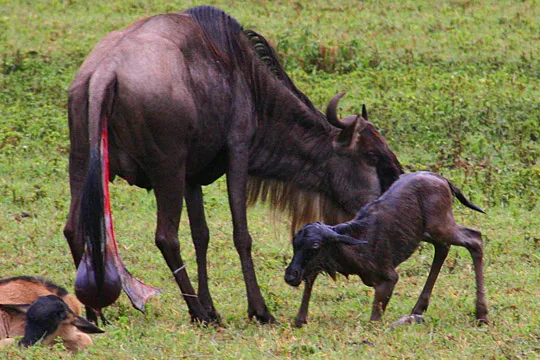
Can I Book A Safari From Zanzibar Without Staying Overnight On The Mainland?
Can I Book a Safari from Zanzibar Without Staying Overnight on the Mainland? is explained with current 2026-2027 planning, price, itinerary and booking.
View package details
Is A Day Trip From Zanzibar To Mikumi National Park Worth It? 2026-2027
Is a Day Trip from Zanzibar to Mikumi National Park Worth It? is explained with current 2026-2027 planning, price, itinerary and booking information.
View package details
Tanzania Safari Packages Including Serengeti Tarangire And Ngorongoro
Tanzania Safari Packages Including Serengeti Tarangire and Ngorongoro is explained with current 2026-2027 planning, price, itinerary and booking information.
View package details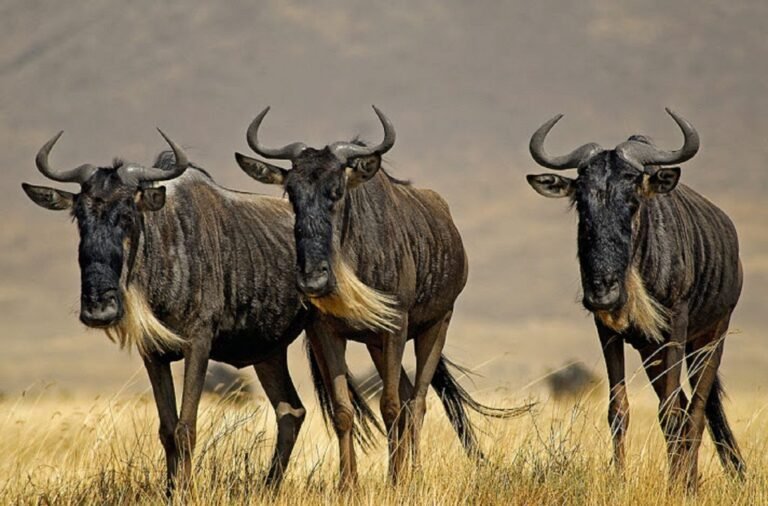
Can Solo Travelers Join A 3 Day Serengeti Safari? 2026-2027
Can Solo Travelers Join a 3 Day Serengeti Safari? is explained with current 2026-2027 planning, price, itinerary and booking information.
View package detailsTanzania Safari Packages With Serengeti And Ngorongoro Crater 2026-2027
Tanzania Safari Packages with Serengeti and Ngorongoro Crater is explained with current 2026-2027 planning, price, itinerary and booking information.
View package details
Are There Any Serengeti Safari Groups I Can Join This Month? 2026-2027
Are There Any Serengeti Safari Groups I Can Join This Month? is explained with current 2026-2027 planning, price, itinerary and booking information.
View package detailsNo closely related package is available yet for this topic.

Our Guest Reviews, Currently Feedback from Clients in 2026
Reviews from different sources, including Google Business, Tripadvisor, other platforms, and social media.



