
Yes, you can fly directly from Zanzibar (ZNZ) to Serengeti National Park. Daily scheduled bush flights depart Zanzibar’s Abeid Amani Karume International Airport each morning, landing directly on remote dirt airstrips inside the Serengeti in roughly 2 to 3 hours. A one-way ticket in 2026-2027 typically costs between $380 and $650 per person, depending on the season and your final destination airstrip. The most critical decision is not finding an airline, but matching your arrival airstrip—such as Seronera in the central valley, Kogatende along the northern Mara River, or Ndutu in the south—to where the Great Migration herds and your booked safari camp are located on that specific travel date.

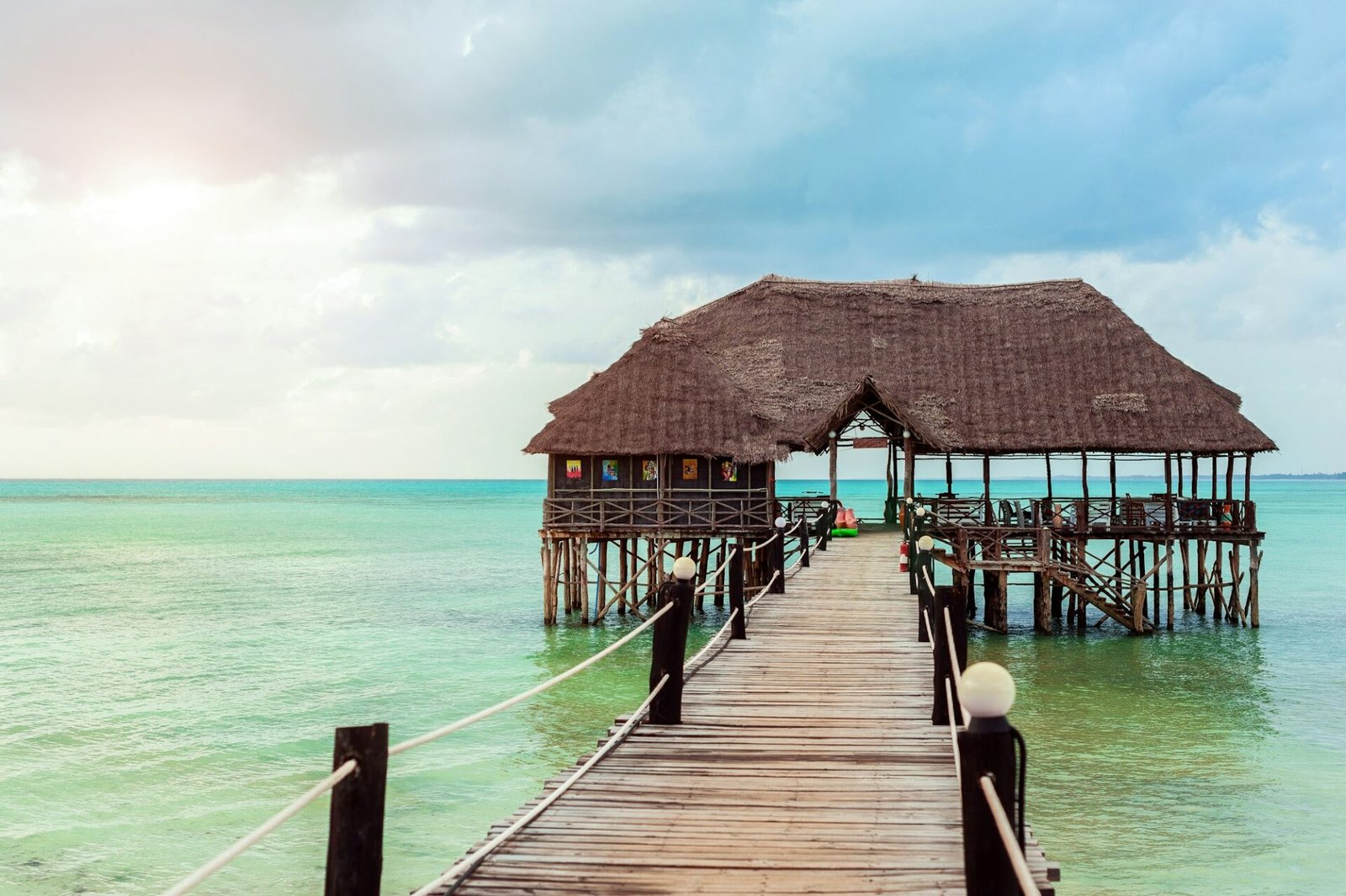
The Short Answer: How Flights from Zanzibar to the Serengeti Actually Work
Many travelers assume they must first ferry or take a commercial flight to Dar es Salaam, transfer to Arusha or Kilimanjaro International Airport (JRO), spend an overnight in town, and then drive eight hours on bumpy roads to reach the Serengeti. Fortunately, that grueling routing is completely unnecessary. Tanzania’s bush aviation sector connects the Indian Ocean coast directly to the northern wildlife reserves through high-frequency safari flights.
Airlines such as Coastal Aviation, Auric Air, Regional Air, and Flightlink operate daily scheduled services designed explicitly for safari-goers. These flights depart from Zanzibar’s domestic terminal (Terminal 2 or Terminal 3, depending on the carrier) aboard rugged, dependable bushcraft—most commonly the Cessna 208B Grand Caravan (seating 9 to 13 passengers) or twin-engine commuter aircraft like the Beechcraft 1900 and Bombardier Dash 8 on higher-density sectors.
When you book a 3 Day Serengeti Safari From Zanzibar With Return Flights, you take off over the turquoise waters of the Zanzibar Channel, soar above mainland coastal plains, sweep past Mount Meru or the volcanic walls of the Great Rift Valley, and descend onto a graded dirt strip right in the middle of grazing zebras and gazelles. You are literally stepping out of the cabin and into an active game drive before midday.
For serious trip planners organizing their calendars for 2026 and 2027, understanding this operational model is essential. The aircraft act like airborne shuttle buses across the national park network. While the flight code counts as a direct journey on your booking confirmation, the plane might touch down briefly at a midway stop to drop off or pick up passengers heading to other safari areas.
Direct vs Non-Stop: What to Expect During the Journey
In aviation terminology, there is a clear difference between a “non-stop” flight and a “direct” flight. Confusing the two is one of the most common surprises for first-time visitors to East Africa:
- Non-Stop Flights: The plane leaves Zanzibar (ZNZ) and flies straight into your chosen Serengeti airstrip without touching the ground anywhere else. These are rarer, typically operated during peak safari months (July through October) or when private charters are chartered through specialized operators like TOP GUIDE ADVENTURES. Flight time is approximately 1 hour 45 minutes to 2 hours 10 minutes.
- Direct Flights (With Operational Touch-Downs): The overwhelming majority of daily scheduled passenger flights fall into this category. You remain on the same aircraft under one ticket, but the flight may stop for 10 to 20 minutes at Arusha Airport (ARK), Kilimanjaro (JRO), or Lake Manyara (LKY) to drop off guests, pick up northbound passengers, or clear air traffic regulations. You do not collect baggage or switch aircraft during these hops; you simply wait in your seat or step out onto the apron while bags are sorted. Total journey time runs between 2 hours 30 minutes and 3 hours 15 minutes.
- Connecting Flights: Occasionally, particularly during shoulder or low-season travel in April, May, or November, carriers consolidate traffic. You might fly from Zanzibar to Arusha, disembark for 45 minutes while the airline arranges passengers by geographic sectors, and board a second Cessna Grand Caravan bound for your specific airstrip.
None of these configurations require leaving the secure airfield area or losing a day of vacation. Even with a midway hopper stop, flying beats the combined 12-to-15-hour overland journey by car and ferry. If you are assessing whether Can I Visit Serengeti National Park On A Safari From Zanzibar?, direct aviation is the single operational bridge that makes shorter 2-day, 3-day, or 4-day itineraries viable without exhausting yourself.
Serengeti Bush Airstrips: Why You Must Never Just Book “The Serengeti”
The single greatest operational mistake travelers make when trying to book flights from Zanzibar on third-party aggregators or budget flight websites is typing “Serengeti” into a search box and selecting the first code that appears. Serengeti National Park covers nearly 15,000 square kilometers (5,700 square miles). It does not have one central airport; it has nine active, licensed bush airstrips scattered from the southern short-grass plains up to the Kenyan border.
If your luxury tented camp is situated in the Kogatende area near the Mara River in the far north, but you accidentally purchase a flight ticket into Seronera in the center, you will land and face an exhausting, 5-to-6-hour rough overland transfer across park tracks to reach your room. That mistake burns half a day of precious game viewing and adds hefty transfer fuel fees. Booking your fly-in itinerary through a licensed local safari company like TOP GUIDE ADVENTURES prevents this mismatch, because we align the flight reservation with the camp’s operational base.
Major Serengeti Airstrips Linked to Zanzibar:
- Seronera Airstrip (Code: SEU) – Central Serengeti: The busiest airstrip in the park. Excellent year-round resident wildlife, prime territory for big cats (lions, leopards, cheetahs), and the primary landing spot for central lodges and camps. Daily direct morning flights operate here 365 days a year.
- Kogatende Airstrip (Code: KOG) – Northern Serengeti: The epicenter of the iconic Mara River crossings during the Great Migration. Ideal for travel between July and mid-October. Flying direct here from Zanzibar takes you straight to the dramatic spectacle of wildebeest plunging through crocodile-infested waters.
- Lamai Airstrip (Code: LMY) – North-West Serengeti: Situated on the northern bank of the Mara River, serving high-end luxury lodges and fly-camps perched on the Lamai Wedge. Convenient alternative to Kogatende.
- Ndutu Airstrip (Code: NDT) – Southern Serengeti / Ngorongoro Border: The calving grounds of the Great Migration. Essential for travelers visiting between January and March, when 8,000 wildebeest calves are born daily on the fertile volcanic plains.
- Grumeti Airstrip (Code: GTZ) & Fort Ikoma: Servicing the Western Corridor, key for the river crossings of the Grumeti River around May, June, and early July.
- Kusini Airstrip: Remote southern sector, favored by niche safari camps tucked among granite kopjes away from crowded vehicle trails.
- Lobo Airstrip: Located in the north-eastern pocket between Seronera and Kogatende, great for open savannah landscapes and dramatic rock outcroppings.
The following overview breaks down the practical routing parameters across the primary Serengeti airstrips for travelers planning ahead for the 2026-2027 safari seasons:
| Airstrip & Code | Park Sector | Peak Travel Window (2026-2027) | Avg Flight Duration from ZNZ | Primary Wildlife Focus |
|---|---|---|---|---|
| Seronera (SEU) | Central Serengeti Valley | Year-Round (Best Big Cats) | 2h 00m – 2h 45m | Resident lions, leopards, cheetahs, Seronera river network |
| Kogatende (KOG) | Northern Serengeti (Mara River) | July – October | 2h 30m – 3h 15m | River crossings, mega-herds, massive Nile crocodiles |
| Ndutu (NDT) | Southern Conservation Boundary | January – March | 2h 15m – 2h 50m | Wildebeest calving season, predator action, short-grass plains |
| Grumeti (GTZ) | Western Corridor | May – July | 2h 20m – 2h 55m | Grumeti River migration movement, colobus monkeys, topis |
| Lamai (LMY) | Lamai Wedge / North Bank | July – October | 2h 30m – 3h 15m | Exclusive Mara River access, pristine rolling hills, kopjes |
Remaining Active Airstrips Serving the Serengeti Ecosystem
Beyond Seronera, Kogatende, Lamai, and Ndutu, several additional airstrips support direct flights from Zanzibar, each catering to specific sub-regions and seasonal lodge concentrations:
- Grumeti Airstrip (Code: GTZ) – Western Corridor: Caters to travelers tracking the Great Migration through the Western Corridor between late May and early July, as herds cross the Grumeti River. This strip also provides convenient access to exclusive private concessions bordering the park.
- Fort Ikoma Airstrip: Located near the northern boundary outside the park gate, primarily serving rustic camps, tented retreats, and private reserves that offer night game drives and walking safaris not permitted within the national park proper.
- Sasakwa Airstrip: A private, paved airstrip managed within the Singita Grumeti reserve, accepting direct charters and select executive scheduled flights from Zanzibar for guests staying in private conservation villas.
- Lobo Airstrip – Eastern Serengeti: Situated in the hilly, boulder-strewn landscape of the north-eastern reserve. It operates reliably year-round and is ideal for travelers heading to the Lobo Valley between October and November as migratory columns head southward toward the short-grass plains.
- Kusini Airstrip – South-Western Serengeti: Serving southern permanent camps located among granite kopjes, this strip is particularly useful for tracking cheetah populations during the green season months from January to April.
Flight Schedules, Departure Times, and Daily Routines
Bush flights between Zanzibar’s Abeid Amani Karume International Airport (ZNZ) and Serengeti airstrips operate strictly under Visual Flight Rules (VFR). Because bush strips lack runway lighting, navigation beacons, and radar towers, planes may only take off and land during daylight hours. This reality establishes a consistent flight timetable across all regional carriers.
The standard morning flight window runs between 07:00 AM and 08:30 AM from Zanzibar. To catch these departures, you must leave beach resorts in Nungwi, Kendwa, Matemwe, or Paje roughly two hours before your scheduled flight. Zanzibar road traffic can be congested around Stone Town, so hotel pickups commonly take place between 04:45 AM and 05:45 AM.
Upon reaching the airport, you pass through standard domestic security before boarding your aircraft. Flight times to the Serengeti typically span two to three hours, meaning you will arrive between 10:00 AM and 11:30 AM. Your assigned guide from TOP GUIDE ADVENTURES will already be parked beside the airstrip in a custom four-wheel-drive safari vehicle, ready to load your luggage and immediately begin your initial game drive en route to your lodge for lunch.
Afternoon return flights depart Serengeti airstrips between 10:30 AM and 11:45 AM, touching down back in Zanzibar between 1:45 PM and 3:30 PM. This schedule ensures you return to the coast with daylight remaining, allowing you to settle back into your beach resort comfortably before dinner.
Airlines Operating Flights from Zanzibar to Serengeti
Tanzania’s domestic bush aviation market is served by specialized carriers with decades of combined experience flying in unpaved savannah environments. When you book a Tanzania Safari From Zanzibar, Serengeti, Ngorongoro, Nyerere & Mikumi Fly-In, your ticket will typically be issued with one of the following reputable airlines:
| Airline | Primary Aircraft Operated | Average One-Way Fare (2026-2027) | Typical Routing Profile | Ideal Traveler Profile |
|---|---|---|---|---|
| Coastal Aviation | Cessna 208B Grand Caravan, Pilatus PC-12 | $420 – $610 | ZNZ – Arusha/Kilimanjaro – Serengeti Airstrips | High-frequency network, daily guaranteed seats, broad lodge connectivity |
| Auric Air | Cessna 208B Grand Caravan EX, Dash 8 | $400 – $630 | ZNZ – direct or via Manyara/Arusha – Serengeti | Punctual schedule, excellent coverage across northern and western strips |
| Flightlink | ATR 72, Cessna Grand Caravan | $380 – $560 | ZNZ – Arusha hub – bush transfer flight | Budget-conscious travelers willing to make an organized 30-minute layover |
| Regional Air | Cessna Grand Caravan, Twin Otter | $410 – $590 | ZNZ – Kilimanjaro/Arusha – Serengeti | Strong alliances with international long-haul carriers and safari operators |
Each carrier adheres to stringent maintenance schedules enforced by the Tanzania Civil Aviation Authority (TCAA) and international aviation bodies. Single-engine turboprops like the Cessna Grand Caravan EX are purpose-built for short takeoff and landing (STOL) capabilities on uneven earth surfaces, providing safe and agile handling in bush conditions.
Strict Luggage Rules: Soft Bags and Weight Limits Explained
The single greatest logistical hurdle for travelers flying directly from a Zanzibar beach stay to the Serengeti is luggage. Bush aircraft cannot accommodate large, rigid Samsonite suitcases or hard-shell wheeled bags. The cargo pods underneath the fuselage have narrow, irregular openings, and luggage must be manually packed tightly together like puzzle pieces.
- Weight Cap: The maximum allowable weight limit across all scheduled domestic carriers is strictly 15 kilograms (33 pounds) per person, inclusive of carry-on items like camera bags and small backpacks.
- Bag Construction: All luggage must be 100% soft-sided duffel bags without internal rigid frames, wheels, or pull-out metal handles. Bags made of canvas, ballistic nylon, or soft leather are required.
- Dimensional Limits: The standard maximum bag dimension allowed is 24 inches long by 15 inches wide and 12 inches high (60cm x 38cm x 30cm).
If you present a hard-shell suitcase at check-in at Zanzibar Airport, the ground staff will decline to load it into the aircraft hold. Fortunately, there are two straightforward solutions. First, TOP GUIDE ADVENTURES can store your hard-sided ocean luggage securely at our base or arrange for your beach hotel in Zanzibar to hold non-safari items until your return. Second, if you cannot travel light because you are on an extended multi-country trip, you have the option to buy an extra luggage seat (equivalent to paying child or adult seat fare), which grants you an additional 75 kilograms of payload capacity.
Pricing Breakdown: How Much Does the Flight Cost in 2026-2027?
Understanding flight costs requires examining seasonal pricing, destination airstrip premiums, and regulatory landing charges. Airfare from Zanzibar to the Serengeti varies depending on peak versus low travel dates:
| Route Configuration | Low Season (April – May) | Shoulder Season (Nov – Mid-Dec, Jan – March) | Peak Season (July – October, Late Dec) |
|---|---|---|---|
| Zanzibar (ZNZ) to Seronera (SEU) | $380 – $440 | $440 – $510 | $520 – $620 |
| Zanzibar (ZNZ) to Kogatende / Lamai | $420 – $480 | $490 – $570 | $580 – $690 |
| Zanzibar (ZNZ) to Ndutu (NDT) | N/A (Camps Closed) | $460 – $530 | $540 – $640 |
| Roundtrip ZNZ – Serengeti – ZNZ | $750 – $860 | $870 – $1,020 | $1,040 – $1,320 |
To put these numbers into context when calculating your full travel budget, keep in mind that flight fares are only one part of the journey. For an itemized analysis of park conservation levies, vehicle hire, and lodging, consult our companion guide to the Tanzania Safari Cost Breakdown Including Park Fees And Accommodation. Combining direct air tickets into an organized package with TOP GUIDE ADVENTURES helps you secure bundled operator ticket allocations that protect against late-booking price jumps.
The Critical Decision: Matching Your Flight to the Great Migration
When booking a direct flight from Zanzibar, your departure point remains constant, but your arrival target must shift dynamically based on month-by-month wildlife movements. Wildebeest, zebras, and gazelles follow rainfall cycles across 30,000 square kilometers, and landing near their location will save you entire days of rough transit inside the reserve.
January to March: Southern Serengeti & Ndutu
During these months, roughly two million animals congregate on the nutrient-rich, volcanic short-grass plains of Ndutu, straddling the border between southern Serengeti and the Ngorongoro Conservation Area. Over 8,000 wildebeest calves are born each day during peak February drops, attracting immense concentrations of apex predators. For this spectacle, book flights straight into Ndutu Airstrip (NDT) or south Seronera.
April to May: Central Plains & South-Central Corridors
As the long rains set in, herds begin moving north-west toward the Seronera Valley and Moru Kopjes. Resident big cats remain in high density around the Seronera riverbed year-round. Travelers flying in during these shoulder months should target Seronera Airstrip (SEU), which offers reliable flight schedules, dry-weather runway maintenance, and lower seasonal rates.
June to July: Western Corridor & Grumeti River
The migration moves through the Western Corridor, confronting the Grumeti River where large Nile crocodiles lie in wait. To reach this area from Zanzibar without lengthy dirt transfers, book your flight landing at Grumeti (GTZ) or Seronera (SEU), depending on your selected camp base.
July to October: Northern Serengeti & Mara River Crossings
This is the most sought-after safari window of the year. Giant columns of wildebeest and zebra repeatedly plunge across the steep-banked, predator-rich Mara River between northern Tanzania and Kenya’s Maasai Mara. To witness these crossings, fly directly to Kogatende Airstrip (KOG) or Lamai Airstrip (LMY). Booking Seronera during these months instead of Kogatende means an arduous five-hour drive north each way over rugged corrugated tracks, costing you precious game viewing time.
November to December: Eastern Serengeti & Lobo Valley
Triggered by short localized rains, herds track south through eastern Serengeti and Lobo. Lobo Airstrip (LBO) or Seronera Airstrip (SEU) serve as your most practical landing points during this period, putting you within short driving range of the fast-moving migratory herds.
Choosing the Right Itinerary Length: 2, 3, or 4 Days?
Because direct flights shorten mainland travel times down to hours rather than days, travelers can configure their Serengeti fly-in adventures without forfeiting their entire beach holiday. Here is how different safari durations compare:
The 2-Day / 1-Night Fly-In Safari
This lightning itinerary is designed for travelers on tight schedules who prioritize seeing the Serengeti above all else. You depart Zanzibar around 07:30 AM on Day 1, touch down in Seronera mid-morning, and conduct an extensive afternoon game drive until sunset. Following an overnight stay at a tented lodge, you head out for a sunrise morning game drive, eat an early bush lunch, and board an 11:30 AM bush flight back to Zanzibar on Day 2. It is intensive, but feasible when time is scarce.
The 3-Day / 2-Night Fly-In Safari (The Recommended Standard)
The 3 Day Serengeti Safari From Zanzibar With Return Flights is the most popular, balanced option. It provides two full nights in the reserve, allowing one complete undisturbed middle day dedicated entirely to game drives from dawn to dusk. This window allows you to follow predator interactions, observe hunting behavior, and explore varied terrain types without racing back to an airstrip.
The 4-Day / 3-Night Multi-Park Fly-In Combination
With four days, you can fly into the Serengeti, spend two full nights in the reserve, and on Day 3 transfer overland through the high-altitude forests of the Ngorongoro Conservation Area to descend into the volcanic caldera for a private crater tour. Travelers wondering, Can I Visit Ngorongoro Crater On A Safari From Zanzibar?, will find this hybrid structure the most rewarding, as you fly back to Zanzibar from Lake Manyara or Arusha Airport on Day 4 after exploring both UNESCO World Heritage sites.
Booking Logistics: Private Charters vs Scheduled Bush Flights
When organizing flights from Zanzibar to the Serengeti, you will evaluate two distinct booking categories: scheduled commercial bush flights and fully private aircraft charters.
Scheduled Flights
Commercial bush carriers sell seats individually. They operate on fixed timetables, depart daily, and represent the most cost-effective solution for solo travelers, couples, and small families. The primary consideration with scheduled flights is that intermediate stops are standard practice; your aircraft may pause for ten minutes at Arusha or Manyara to drop or collect passengers, although you do not change planes.
Private Air Charters
A private charter gives you exclusive use of the aircraft, whether a Cessna Grand Caravan, twin-engine Beechcraft King Air, or Pilatus PC-12. The advantages are substantial:
- Custom Departure Timetable: You select your takeoff hour from Zanzibar to match your personal morning routine or late international flight arrival.
- Guaranteed Non-Stop Flying: The plane flies directly to your specified bush airstrip without midway drop-offs, cutting flight time to roughly 1 hour and 50 minutes.
- Custom Baggage Allowances: Provided you remain within the aircraft’s structural weight limits, hard suitcases and oversized camera kits can often be accommodated.
- Cost Efficiency for Groups: For private groups or large families of six to ten travelers, hiring an entire private aircraft often works out to a per-person rate that is comparable to purchasing scheduled commercial seats.
If you are coordinating a high-end trip, reviewing options for a Tanzania Luxury Safari: Serengeti Lodges, Ngorongoro & Zanzibar Packages helps you weigh charter flights against top-tier scheduled services.
What Happens on Arrival at a Remote Serengeti Bush Airstrip?
Landing on an unpaved grass or gravel runway in the middle of a world-famous African park can feel unfamiliar if you have only flown through major commercial hubs. Here is the operational sequence upon arrival:
As your pilot descends, local wildlife such as gazelles, baboons, or zebras may linger near the runway edges; pilots perform a standard visual scan of the strip before touching down. After rolling to a halt by the designated parking apron, the aircraft engines cut out, and ground handlers deploy portable stairs.
Airstrip facilities are intentionally basic. You will find an open-air shaded passenger gazebo, well-maintained flush restrooms, and a ranger check-in station where pilot flight logs and park manifests are registered. There are no metal detectors, baggage claim conveyor belts, or currency exchange kiosks.
Your driver-guide from TOP GUIDE ADVENTURES will be waiting on the runway apron holding a sign bearing your names. The guide handles your duffel bags, transfers them into the back of your customized pop-up roof 4×4 Land Cruiser, hands you cold drinking water, and reviews your route plan for the day. Within fifteen minutes of landing, you are seated in your safari vehicle, beginning your first game drive while still within sight of the runway.
Government Taxes, TANAPA Park Fees, and Airstrip Levies Explained
When booking a flight from Zanzibar to the Serengeti, travelers frequently ask why a one-hour-and-forty-minute flight can cost as much as a transcontinental commercial ticket. The answer lies partly in aviation logistics and partly in the statutory fee framework enforced by the Tanzania National Parks Authority (TANAPA) and the Tanzania Civil Aviation Authority (TCAA). Understanding these components prevents unexpected surprises when reviewing safari quotes.
Every commercial passenger aircraft touching down on a national park airstrip incurs mandatory landing and navigation fees based on the aircraft’s maximum takeoff weight (MTOW). Furthermore, passengers are subject to aviation safety fees and domestic departure taxes, which are generally included in your flight ticket price. However, conservation and park entrance fees operate independently from your airfare.
For the 2026-2027 operational cycles, the mandatory government levies and park charges break down as follows:
- Serengeti Conservation Entry Fee (TANAPA): Non-East African adult visitors pay $70 USD per person per 24-hour cycle during the low season (mid-March to mid-May) and $82.60 USD ($70 + 18% VAT) during the peak seasons (July through March). Children aged 5 to 15 pay $23.60 USD ($20 + 18% VAT), while children under 5 enter free.
- Special Campsite and Concession Fees: Staying inside the park incurs an additional concession fee paid directly to TANAPA. For standard seasonal mobile tented camps and permanent lodges, this fee is $70.80 USD per adult per night ($60 + 18% VAT).
- Aviation Safety & Departure Taxes: Domestic departure taxes from Zanzibar’s Abeid Amani Karume International Airport (ZNZ) amount to approximately $11 to $13 USD per passenger, which reputable aviation providers roll straight into the flight invoice.
If you purchase an all-inclusive safari package through TOP GUIDE ADVENTURES, these statutory fees are bundled transparently into the package total. However, if you attempt to purchase unguided flight tickets on your own, you must coordinate entry permits in advance. TANAPA does not accept cash at park gate checkpoints or airstrip offices; all payments must clear through an electronic smart card (TANAPA card) or via a government control number processed by a licensed Tanzanian tour operator. For a full itemization of accommodation and park costs, explore our breakdown of the Tanzania Safari Cost Breakdown Including Park Fees And Accommodation 2026-2027.
The Return Journey: Flying from the Serengeti Back to Zanzibar vs. Kilimanjaro
Planning your exit route requires just as much thought as booking your outbound flight. Most travelers assume they should simply book a round-trip ticket from Zanzibar to Seronera and back. While this works well for travelers continuing their beach holiday on the spice island, it is frequently inefficient if your international flight home departs from mainland Tanzania.
Depending on your international flight itinerary, you have two primary return configurations to evaluate:
Option A: The Round-Trip Return to Zanzibar (ZNZ)
This is the standard choice for visitors who booked a long stay in a coastal resort—such as Nungwi, Kendwa, or Paje—and left their heavy luggage in storage at their beach hotel. Afternoon bush flights depart Serengeti airstrips between 10:15 AM and 11:45 AM, arriving at Zanzibar Airport between 1:45 PM and 3:00 PM (often with a brief stop at Arusha or Lake Manyara). You step off the plane in Zanzibar with plenty of daylight remaining to transfer back to your beach resort in time for dinner.
Option B: Open-Jaw Routing to Kilimanjaro International Airport (JRO)
If Zanzibar was the first half of your holiday and your safari represents the finale, do not fly back to Zanzibar. Instead, book an open-jaw flight that picks you up at your Serengeti airstrip and delivers you directly to Kilimanjaro International Airport (JRO) or Arusha Airport (ARK). Major international carriers—including KLM, Qatar Airways, Ethiopian Airlines, and Turkish Airlines—fly directly out of JRO.
Departing from the Serengeti directly to JRO saves an entire domestic flight sector, lowers your overall carbon footprint, and removes the stress of missing an international connection in Zanzibar. Bush flights heading east to Kilimanjaro usually touch down at JRO between 12:30 PM and 1:30 PM, perfectly aligned with late afternoon and evening long-haul departures to Europe and the Middle East.
| Return Destination | Typical Departure Time | Arrival Time | Average Airfare (2026-2027) | Best Suited For |
|---|---|---|---|---|
| Serengeti to Zanzibar (ZNZ) | 10:30 AM – 11:30 AM | 1:45 PM – 2:45 PM | $380 – $550 per person | Travelers returning to their beach hotel or catching international flights out of ZNZ. |
| Serengeti to Kilimanjaro (JRO) | 10:15 AM – 11:00 AM | 12:15 PM – 1:15 PM | $270 – $390 per person | Travelers flying home internationally via KLM, Qatar Airways, or Ethiopian Airlines. |
| Serengeti to Arusha Airport (ARK) | 10:45 AM – 11:30 AM | 12:00 PM – 12:45 PM | $240 – $340 per person | Travelers continuing overland to Ngorongoro Crater, Tarangire, or Arusha town. |
| Serengeti to Dar es Salaam (DAR) | 10:15 AM – 11:15 AM | 2:00 PM – 3:15 PM | $390 – $580 per person | Travelers with evening long-haul departures from Julius Nyerere International Airport. |
Weather, Flying Conditions, and Small-Aircraft Comfort
Understanding the physical reality of bush flying helps prevent anxiety and sets practical expectations. The aircraft servicing routes between Zanzibar and the Serengeti are unpressurized turboprops operating at cruising altitudes between 8,500 and 11,500 feet above sea level. This allows for extraordinary sightseeing, but it also exposes passengers to changing atmospheric conditions.
Thermal Updrafts over the Great Rift Valley
As the equatorial sun warms the African interior during late morning, heat radiates off the dry savannah plains and the steep western escarpment of the Great Rift Valley. This creates rising convective air currents, often causing moderate turbulence as the aircraft crosses from the coastal basin into the northern volcanic plateau between Arusha and the Ngorongoro Conservation Area.
This turbulence is completely normal and routinely managed by seasoned bush pilots who hold thousands of flight hours navigating East African terrain. However, if you are prone to motion sickness, take preventive motion sickness medication 30 to 45 minutes before takeoff in Zanzibar and request a seat near the wings, where aircraft motion is least pronounced.
Rainy Season Operations (April, May, and November)
During Tanzania’s long rains (April and May) and short rains (November), afternoon weather systems bring heavy convective downpours. Morning flights generally depart under clear coastal skies, but cloud cover can build quickly over northern high-altitude terrain. Bush airstrips such as Seronera and Kogatende are compacted gravel and volcanic murram; while they are engineered for year-round drainage, severe localized downpours occasionally lead to brief holding patterns or tactical diversions.
Airlines maintain strict visual flight rules (VFR) in bush territory. Pilots do not land on remote dirt runways unless cloud ceilings and runway visibility meet unambiguous safety standards. Delays in the rainy months are rarely longer than 30 to 60 minutes, but building a buffer day between your safari return and an international departure is always sound planning.
Serengeti Fly-In vs. Alternative Southern Circuit Reserves from Zanzibar
While the Serengeti holds unmatched worldwide fame for its endless plains and the Great Migration, it is not the only wildlife destination reachable from the archipelago. Travelers with limited time or budgets often weigh whether they should fly to the Serengeti or choose closer national parks located on Tanzania’s southern safari circuit, such as Nyerere National Park (formerly Selous Game Reserve) or Mikumi National Park.
Evaluating this choice depends on your budget, travel time, and specific wildlife priorities:
Flight Time and Accessibility
The flight from Zanzibar to the Serengeti takes roughly 2 to 2.5 hours. By comparison, a bush hop from Zanzibar to Nyerere National Park takes just 35 to 45 minutes, while flights to Mikumi take approximately 50 minutes. If you are debating between regions, review our detailed guide on Zanzibar To Nyerere National Park Fly-In Safari Packages 2026-2027 to see how the shorter flight duration changes itinerary pacing.
Cost Differences
Due to the shorter flight distance, airfare to southern parks is considerably lower. A round-trip flight from Zanzibar to Nyerere or Mikumi typically costs $280 to $380 USD, compared to $760 to $1,100 USD for round-trip airfare to the Serengeti. For short getaways, read our analysis on Is A Day Trip From Zanzibar To Mikumi National Park Worth It? 2026-2027 before deciding whether an overnight flight to the Serengeti is justifiable for your schedule.
Landscape and Wildlife Profiles
The Serengeti offers open rolling short-grass plains, the largest concentration of predatory big cats in Africa, and the sweeping mass movements of 1.5 million blue wildebeest. Nyerere National Park, by contrast, features dramatic riverine woodlands flanking the Rufiji River, where boat safaris allow you to glide past pods of hippos and basking Nile crocodiles—an activity completely unavailable in the arid Serengeti interior.
If you want the quintessential Out of Africa savannah dotted with flat-topped acacia trees and sprawling predator prides, the extra flight time and cost of the Serengeti remain worth every dollar.
Combining Zanzibar, Serengeti, and Ngorongoro Crater on a Fly-In Circuit
One of the most practical ways to experience northern Tanzania from the beach is the classic “Fly-In, Drive-Out” or triangular safari circuit. Rather than flying round-trip strictly to the Serengeti, you can combine the vast savannah of the Serengeti with the impressive volcanic caldera of Ngorongoro Crater without spending days on the highway.
Abeid Amani Karume International (ZNZ) Departure Logistics: Step-by-Step
Departing Zanzibar for the mainland bush is straightforward, but it operates differently from international wide-body flights. Abeid Amani Karume International Airport (ZNZ) handles passenger traffic through distinct terminals, and knowing where to check in prevents unnecessary curb confusion in the morning rush.
Scheduled bush flights operated by carriers like Coastal Aviation, Auric Air, and Flightlink depart primarily from Domestic Terminal 2 (or designated domestic wings adjacent to Terminal 3 depending on carrier re-allocations). The process looks like this:
- Arrival Window: Arrive at ZNZ roughly 60 to 75 minutes prior to scheduled bush departure. Arriving three hours early is unnecessary because small-plane check-in counters open only one hour prior to boarding.
- Baggage Weigh-In: Bush flight check-in desks weigh both your main duffel bag and your small personal daypack together. If the combined weight exceeds 15 kg (or the airline-specific 20 kg threshold), surplus fees kick in immediately, or extra bags are redirected to secure storage facilities at the airport.
- Security Screening: You pass through standard Tanzania Civil Aviation Authority security. Liquids in sensible personal quantities (such as sealed water bottles or sunscreen) are generally permitted on domestic bush hops, unlike strict international carry-on bans, though dangerous goods remain strictly prohibited.
- The Gate Lounge: The domestic departure area is compact. Bush flights announce departures by flight number and destination airstrip code rather than gate gates. Listen closely for calls mentioning Seronera, Kogatende, or Ndutu.
- Boarding Walk: Passengers walk directly onto the tarmac apron to the assigned Cessna Grand Caravan or commuter aircraft. Ground crew escort you directly to the aircraft stairs, where personal hand luggage is often placed into the belly pod right before boarding.
Packing Checklist for Zanzibar-to-Serengeti Bush Flights
Because weight and dimensions are strictly governed on Cessna 208B aircraft, smart packing determines whether you board smoothly or pay for storage back in Stone Town. Below is the tested packing balance for travelers transitioning from a beach resort to a wilderness camp:
| Category | Recommended Items | Bush Plane Restrictions & Tips |
|---|---|---|
| Baggage Type | Soft-sided canvas or nylon duffel without rigid frames or hard plastic wheels | Rigid hard-shell suitcases (e.g., Rimowa, hard Samsonite) cannot be squeezed into Caravan belly pods and are routinely rejected at check-in. |
| Clothing Layering | 2 neutral safari shirts (khaki/tan/olive), 1 lightweight fleece or down jacket, 1 pair zip-off safari pants | Avoid dark blue and solid black clothing, which attract tsetse flies in woodland belts. Early morning open-vehicle game drives are shockingly chilly (10°C to 14°C). |
| Footwear | 1 pair sturdy trail runners or lightweight hiking shoes, 1 pair camp slip-ons | Heavy leather mountaineering boots add needless weight. Trail runners handle sandy airstrips and camp gravel pathways easily. |
| Optics & Electronics | Binoculars (8×42 or 10×42), camera body with telephoto zoom (100-400mm), lightweight power bank | Drones are strictly illegal in Tanzania National Parks without special ministerial defense and TANAPA clearances. Pack camera gear in your soft personal carry-on. |
| Health & Toiletries | DEET insect repellent, broad-spectrum sunscreen, electrolyte tablets, personal prescription meds | Place liquids inside sealed zip-lock bags to safeguard against pressure changes during mid-altitude descents over the Rift Valley. |
Medical, Safety, and Emergency Bush Logistics
Travelers flying into the middle of the Serengeti often ask what happens if a medical emergency arises hundreds of kilometers away from urban hospitals. Aviation infrastructure inside Tanzania incorporates established medevac systems designed around bush airstrips.
Reputable safari packages, including customized Tanzania Luxury Safari: Serengeti Lodges, Ngorongoro & Zanzibar Packages 2026, routinely embed AMREF Flying Doctors Tourist Evacuation Coverage into the ground arrangements. Here is how medical safety operates:
- Emergency Air Evacuation: In the event of acute trauma, severe illness, or medical crises, AMREF operates dedicated air ambulances capable of landing on any functional Serengeti airstrip (daylight hours) to stabilize and airlift patients directly to international-standard hospitals in Nairobi or Dar es Salaam.
- Malaria Considerations: Zanzibar carries relatively low malaria transmission rates in modern resort zones, but the Serengeti is an active malaria ecosystem. Prophylactics (such as Malarone, Doxycycline, or Atovaquone-Proguanil) should be discussed with your physician before departing your home country.
- Yellow Fever Certification: Flying internally between Zanzibar and mainland Tanzania does not require a Yellow Fever vaccination card. However, if you recently arrived from a Yellow Fever-endemic country prior to landing in Zanzibar, border health officials may request proof at mainland entry ports.
- In-Flight First Aid: Bush planes carry certified first-aid kits and emergency locator transmitters (ELTs), and registered pilots undergo recurring bush survival and emergency response training.
Solo Traveler Realities: Joining Serengeti Fly-In Safaris from Zanzibar
Solo travelers often fear that flying directly from the islands to the bush will trigger prohibitive single-supplement fees or require chartering an entire plane. The operational reality is much more accommodating when planned smartly.
Scheduled seat flights operated by Coastal Aviation or Auric Air charge per single passenger seat; you do not subsidize empty seats in the aircraft cabin. The primary cost hurdle for solo travelers lies not in the air ticket, but in the ground vehicle transfer once the plane lands. Booking private 4×4 safari vehicles and private camp guides as a single passenger can double per-day expenses.
The solution is looking into organized small-group vehicle pairings. Solo visitors regularly book scheduled flights and link up with camp-based game drives or join established overland tracks. Reviewing options on Can Solo Travelers Join A 3 Day Serengeti Safari? reveals how shared vehicle seats substantially lower total expenditure. You can also monitor available group departures through Are There Any Serengeti Safari Groups I Can Join This Month? to confirm departure parity with your Zanzibar vacation schedule.
Family Safari Flying Logistics: Bringing Children on Small Bush Aircraft
Traveling with children on small propeller aircraft requires distinct operational forethought compared to standard commercial airliners. If you are coordinating a Tanzania Family Safari: Private Serengeti, Ngorongoro & Zanzibar Packages 2026, keep these fundamental logistical factors in mind:
- Infant and Child Fares: On bush aircraft like the Cessna Caravan, infants under two years old sitting on an adult’s lap typically pay 10% to 20% of the adult fare plus domestic landing taxes. Children aged 2 to 11 generally pay 70% to 80% of the full adult seat fare, as they occupy a full weight-rated passenger seat.
- Sensory and Motion Sensitivity: Bush planes fly at lower altitudes (usually between 8,000 and 11,500 feet), where air pockets over the Gregory Rift Valley can produce mild to moderate thermal turbulence. Pack pediatric motion sickness chewables and non-drowsy remedies in your daypack.
- Noise Levels: Single-engine turboprops are louder in flight than pressurized twin-aisle jets. High-grade noise-cancelling headphones or soft pediatric ear defenders make the two-hour flight vastly more soothing for young children.
- Bathroom Access on Board: Cessna Grand Caravans do not have passenger toilets on board. Ensure children use the terminal facilities at Zanzibar prior to boarding. If your routing includes a mid-flight operational touchdown at Arusha (ARK) or Manyara (LKY), you can accompany your child to the airfield restroom during refueling.
Day Trip vs. Overnight: Is a Zanzibar-to-Serengeti Same-Day Safari Possible?
Day tours from Zanzibar to Mikumi National Park or Selous (Nyerere) are standard practice because flight paths take only 45 to 60 minutes each way. Naturally, many travelers ask if they can pull off the same feat with the Serengeti to save on hotel costs.
While a handful of operators advertise day flights from Zanzibar into Seronera, doing this as a single-day journey is strongly discouraged by experienced guides. Here is the mathematical reality:
- Flight Time Drain: You spend roughly 2.5 to 3 hours flying in each direction (5 to 6 hours total air travel in a single day).
- Compressed Game Viewing: After accounting for morning departure out of Zanzibar at 07:30, landing at 10:30, and returning by 15:30 to satisfy strict visual daylight flying rules back to the coast, you receive barely 4 hours of total game drive time inside the Serengeti.
- Disproportionate Cost: You pay the full two-way bush flight fare ($750 to $1,300), full daily TANAPA concession and vehicle fees ($82.60 per person + $23.60 vehicle fee), yet you miss the early morning and twilight hours when big cats and predators hunt.
If you genuinely cannot spare an overnight mainland stay, explore alternative reserves designed for rapid day travel, such as examining Is A Day Trip From Zanzibar To Mikumi National Park Worth It? or reviewing Can I Book A Safari From Zanzibar Without Staying Overnight On The Mainland?. For the Serengeti, an overnight stay is practically required to justify the flight investment.
Booking Windows and Availability Bottlenecks for 2026-2027
Bush aviation operates under a physical ceiling: a Cessna Grand Caravan seats a maximum of 13 passengers, and airlines only operate a finite number of morning cycles between the coast and the northern parks. During peak travel seasons, seat shortages emerge months in advance.
| Travel Season | Months | Seat Availability Risk | Advance Booking Window |
|---|---|---|---|
| Peak Migration River Crossings | July – October | Extreme (Flights to Kogatende and Lamai book out 6–9 months early) | Book 7 to 10 months ahead, especially for paired lodge packages. |
| Calving Season | January – March | High (Flights to Ndutu and Seronera fill rapidly) | Book 4 to 6 months ahead. |
| Green Season / Low Season | April – May | Low (Flights consolidated; daily options may scale down) | Book 3 to 6 weeks ahead; verify airline schedule reductions. |
| Short Rains / Shoulder | November – Mid-December | Moderate (Stable availability across central Seronera) | Book 2 to 3 months ahead. |
Waiting to book flights upon arrival at your Zanzibar beach resort often forces travelers to compromise on sub-optimal airstrip locations or accept inconvenient multi-stop connections. If you find yourself needing urgent arrangements, verify options on Can I Book A Last-Minute Safari From Zanzibar? before locking down non-refundable beach nights.
Chartering a Private Plane from Zanzibar: When Does It Make Financial Sense?
While scheduled passenger flights are standard, private air charters are widely utilized across Tanzania. For private families, executive groups, or couples celebrating milestones on a Tanzania Honeymoon Safari, Luxury Serengeti, Ngorongoro & Zanzibar Packages 2026, chartering offers major strategic advantages.
A dedicated private charter hires the entire aircraft (typically an executive-configured Cessna 208B Grand Caravan or a twin-engine Pilatus PC-12) exclusively for your travel party. The key advantages include:
- Tailored Departure Times: You do not need to wake up at 05:00 for scheduled 07:30 departures. You determine the wheels-up time that fits your morning breakfast schedule in Zanzibar.
- Point-to-Point Non-Stop Flights: A private charter avoids all intermediary passenger drop-offs at Arusha, Kilimanjaro, or Lake Manyara, flying in an unbroken path straight to your Serengeti camp airstrip.
- Flexible Luggage Capacity: As long as the aircraft remains within total maximum takeoff weight (MTOW) thresholds, private groups can distribute baggage freely among seats or carry professional heavy-lens photography equipment that scheduled flights reject.
The Cost Inflection Point: A private one-way charter for a Cessna Grand Caravan between Zanzibar and Central Serengeti typically runs between $4,200 and $5,800, depending on fuel positioning fees. If you are traveling as a family or group of 6 to 9 passengers, the per-person math balances closely against purchasing 8 premium scheduled tickets ($550 x 8 = $4,400), turning a private charter into a genuinely cost-effective upgrade.
Camera Gear, Electronics, and Drone Regulations on Bush Aircraft
Photographers planning to fly directly from Zanzibar to Serengeti National Park face a unique set of aviation and national park restrictions that differ sharply from international commercial flight standards. When stepping onto a 12-seater Cessna 208B Grand Caravan, your camera backpack is not an anonymous carry-on that slips into an overhead bin; overhead bins do not exist on these aircraft.
Everything brought into the cabin sits either beneath the canvas seat in front of you or gets packed into the aircraft’s external belly pod before boarding. If you carry high-end photography gear, navigating these physical and legal boundaries requires advance planning.
Weight Allowances for Telephoto Lenses and Heavy Bodies
Bush carriers enforce the standard 15 kg (33 lbs) total allowance across both checked luggage and hand items combined. A professional wildlife setup—consisting of two DSLR or mirrorless bodies, a 100-400mm or 600mm f/4 lens, spare batteries, chargers, and a laptop—can easily weigh 10 to 12 kg on its own. This leaves almost no margin for clothing or personal gear.
If you cannot reduce your camera payload, you have two practical choices:
- Purchase an extra freight seat (De-densification seat): Most bush airlines operating between Zanzibar and Seronera or Kogatende allow travelers to buy an additional passenger seat strictly for cargo. This grants an extra 50 kg to 75 kg of baggage allowance, allowing rigid Pelican cases or substantial camera bags to ride securely strapped inside the cabin.
- Coordinate shared gear: If traveling with a companion, distribute non-sensitive gear (chargers, beanbags without filling, hard drives) across softer duffel bags to keep the core optical kit under the weight ceiling.
Lithium-Ion Battery Storage in Cessna Caravans
Aviation authorities in Tanzania strictly forbid lithium-ion spare batteries from entering unpressurized belly luggage pods due to fire hazards. All spare camera batteries, power banks, and device cells must stay inside your personal cabin bag. Keep them organized in fire-retardant battery pouches with terminal contacts taped or capped to prevent short circuits during turbulence.
The Strict Prohibition of Drones in Serengeti National Park
Many travelers flying from beach resorts in Zanzibar innocently pack recreational camera drones in their luggage. Uncrewed Aerial Vehicles (UAVs or drones) are illegal for private use in all Tanzanian national parks, including Serengeti, without dual written authorization from both the Tanzania Civil Aviation Authority (TCAA) and the Ministry of Defence, alongside formal permits from TANAPA. Unpermitted drones discovered at Zanzibar airport security or bush airstrips are confiscated on the spot, and offenders face heavy fines or immediate arrest. Leave personal drones locked in your beach resort storage in Zanzibar; do not board bush flights with them.
Resort Transfers in Zanzibar: Connecting Beach Locations to ZNZ Airport
One of the most overlooked logistical vulnerabilities of the direct flight to the Serengeti is the ground transfer across Zanzibar Island on departure morning. Scheduled safari bush flights routinely leave Abeid Amani Karume International Airport (ZNZ) between 07:30 and 08:30. Because bush carriers close check-in 45 to 60 minutes prior to departure, you must arrive at Terminal 2 or Terminal 3 between 06:30 and 07:15.
Transfer Durations Across Zanzibar Island
Zanzibar’s road network consists largely of single-lane paved roads winding through rural villages with frequent speed bumps, police checkpoints, and slow agricultural traffic. Morning transfers take longer than mid-day trips. Plan your departure timing based on your resort zone:
| Resort Location in Zanzibar | Distance to ZNZ Airport | Typical Morning Transfer Time | Required Hotel Departure Window |
|---|---|---|---|
| Stone Town / Chukwani | 5 – 8 km | 15 – 25 minutes | 06:00 – 06:15 |
| Nungwi / Kendwa (Far North) | 62 – 68 km | 75 – 90 minutes | 04:45 – 05:00 |
| Matemwe / Kiwengwa (Northeast) | 45 – 52 km | 60 – 75 minutes | 05:00 – 05:15 |
| Paje / Jambiani (Southeast) | 50 – 58 km | 60 – 75 minutes | 05:00 – 05:15 |
| Michamvi Peninsula (East Edge) | 65 – 72 km | 80 – 95 minutes | 04:30 – 04:45 |
| Kizimkazi (South Coast) | 58 – 63 km | 60 – 70 minutes | 05:15 – 05:30 |
If staying in northern enclaves like Kendwa or Nungwi, a 07:30 bush flight requires a wake-up call before 04:15. For travelers sensitive to pre-dawn transfers, spending the final evening before your safari at a boutique hotel in historic Stone Town eliminates the anxiety of long highway drives and allows a restful morning before entering the bush.
When Bush Flights Are Diverted or Delayed: Operations on Dirt Runways
While Tanzania’s safari bush aviation network is remarkably reliable, dirt airstrips inside remote ecosystems do not function like paved international airports with radar navigation and automated instrument landing systems (ILS). Bush pilots operate strictly under Visual Flight Rules (VFR), meaning they must be able to see the runway clearly to touch down safely.
Understanding potential operational disruptions helps you maintain realistic expectations when unpredictable African weather or wildlife patterns alter flight timings.
Morning Fog and Low Cloud Ceilings
The Seronera Valley and western airstrips frequently experience low-lying morning mist during transitional weather periods in November, late March, and May. If ground visibility drops below safe visual minimums, aircraft holding over the airstrip will orbit briefly. If the mist fails to clear within 20 to 30 minutes, pilots divert to a nearby clear strip—often Lake Manyara or Arusha—to refuel and await weather clearance. Flights are rarely canceled; delays of one to two hours are the normal operating buffer.
Animals Obstructing the Airstrip
Because Serengeti airstrips are unfenced clearings carved straight out of the wilderness, wildlife regularly congregates on the sun-warmed dirt or grazes along the runway edges. It is standard operating procedure for herds of wildebeest, zebras, giraffes, or even prides of lions to lounge directly on the runway. Before landing, pilots perform a low fly-by to clear the runway, signaling ground wardens or safari guides waiting at the airstrip building to drive along the margins in a 4×4 vehicle to encourage animals toward surrounding woodlands safely.
Saturated Dirt Runways During the Rains
Unpaved runways in black cotton soil zones can turn soft after prolonged, torrential downpours in mid-April or early May. If an airstrip surface becomes waterlogged, the Tanzania Airports Authority temporarily closes that specific runway to prevent small aircraft wheels from sinking into mud. In such scenarios, your flight diverts to the nearest active all-weather gravel strip (such as Seronera or Grumeti), and your safari operator arranges a road vehicle to meet you there and transport you to camp.
Self-Assembled Flights vs. All-Inclusive Safari Packages
Travelers comparing costs frequently wonder if they should purchase flight tickets directly from bush airline websites like Coastal Aviation or Auric Air and arrange accommodation and game drives separately. While self-booking is technically feasible, it introduces hidden administrative expenses, coordination headaches, and financial risks that rarely save money.
When you book an integrated itinerary like the 3 Day Serengeti Safari From Zanzibar With Return Flights 2026-2027 or a comprehensive Zanzibar Safari Tour With All Transfers And Park Fees Included, the operator synchronizes flight manifests, guide pickups, concession passes, and camp logistics under a single liability umbrella.
| Logistical Element | Booking Components Independently | Booking an All-Inclusive Fly-In Package |
|---|---|---|
| Flight Delay Impact | If flight arrives 3 hours late or diverts to a different strip, your guide may leave or charge hefty waiting penalties. | Operator radio-dispatches guide directly to whichever airstrip your aircraft diverts to at zero extra charge. |
| Park & Airstrip Fees | Must be pre-paid via complex electronic TANAPA smart cards; cash is not accepted at park gates. | All entry permits, conservation levies, and landing taxes are pre-validated and fully settled in advance. |
| Vehicle Logistics | Renting an open-top 4×4 safari cruiser inside the Serengeti without accommodation is prohibitively costly ($350+/day). | Custom 4×4 cruiser and dedicated professional driver-guide are matched to your party upon touchdown. |
| Total Trip Cost | Often 15% to 25% higher due to retail flight markups, separate transfer fees, and individual concession rates. | Substantial cost savings achieved through wholesale contracted airfares and negotiated seasonal lodge partnerships. |
For independent price modeling, consult our detailed breakdown on Tanzania Safari Cost Breakdown Including Park Fees And Accommodation to evaluate seasonal variances accurately.
Bush Aviation Environmental Footprint and Fuel Efficiency
Flying across hundreds of kilometers of pristine wilderness naturally prompts questions about environmental stewardship. The bush aviation sector in East Africa is one of the most fuel-conscious flight niches in global aviation due to high remote fueling costs and strict operational standards.
The Efficiency of the Turboprop Platform
The standard workhorse of the Zanzibar-to-Serengeti route is the Cessna 208B Grand Caravan EX, powered by a single Pratt & Whitney PT6A-140 turboprop engine. Unlike older twin-piston aircraft or multi-engine regional jets, modern turboprops burn jet fuel (Jet-A1) with notable thermal efficiency at lower cruise altitudes (9,000 to 11,000 feet). Carrying 10 to 12 passengers on direct park-to-coast paths, per-passenger fuel consumption compares favorably with long-distance overland transfers that require multi-day 4×4 driving with high idle times across degraded roads.
Carbon Offsetting Mechanisms
Leading safari aviation carriers operating out of Zanzibar participate in local Tanzanian forest conservation offset projects. Initiatives such as the Carbon Tanzania REDD+ project protect threatened indigenous dryland forests in the Yaeda Valley and Makame wildlife management zones. Flight levies built into regional ticket pricing directly fund anti-poaching patrols and community land-tenure security for indigenous Hadzabe hunter-gatherers, effectively pairing aviation emissions with tangible wildlife corridor preservation.
Practical Comparison: Serengeti Fly-In vs. Mikumi and Nyerere Flights
Travelers based in Zanzibar often deliberate whether the Serengeti is worth the flight cost compared to southern wildlife reserves that sit geographically closer to the archipelago. If your travel window is narrow, evaluating flight metrics against alternative mainland parks helps clarify your choice:
| Destination from Zanzibar | Average Flight Time | One-Way Flight Fare | Distinctive Wildlife Highlights | Best Travel Window |
|---|---|---|---|---|
| Serengeti National Park | 2 hrs – 2.5 hrs | $380 – $650 | Great Migration, apex predators, endless open short-grass plains, kopje lions. | Year-Round (Optimal June–Oct, Jan–March) |
| Nyerere National Park (Selous) | 40 – 50 mins | $180 – $280 | Rufiji riverboat safaris, African wild dogs, colossal hippo pods, miombo woodland. | June – October (dry riverbanks) |
| Mikumi National Park | 45 – 60 mins | $160 – $240 | Open Mkata floodplains, tree-climbing lions, accessible one-day itineraries. | Year-Round (Affordable short-stay option) |
Check Availability for Can I Fly Directly From Zanzibar To Serengeti National Park? 2026-2027
Ready to compare dates, prices, and the best option for your group? Send the package name and travel month so the team can reply with a clear quote, availability, and what is included.

Can I Visit Serengeti National Park On A Safari From Zanzibar? 2026-2027
Can I Visit Serengeti National Park on a Safari from Zanzibar? is explained with current 2026-2027 planning, price, itinerary and booking information.
View package details
Zanzibar To Serengeti Safari For Couples With Private Accommodation 2026-2027
Zanzibar to Serengeti Safari for Couples with Private Accommodation is explained with current 2026-2027 planning, price, itinerary and booking information.
View package details
3 Day Serengeti Safari From Zanzibar With Return Flights 2026-2027
3 Day Serengeti Safari from Zanzibar with Return Flights is explained with current 2026-2027 planning, price, itinerary and booking information.
View package detailsZanzibar To Nyerere National Park Fly-In Safari Packages 2026-2027
Zanzibar to Nyerere National Park Fly-In Safari Packages is explained with current 2026-2027 planning, price, itinerary and booking information.
View package details
Is A Day Trip From Zanzibar To Mikumi National Park Worth It? 2026-2027
Is a Day Trip from Zanzibar to Mikumi National Park Worth It? is explained with current 2026-2027 planning, price, itinerary and booking information.
View package details
Zanzibar Safari Tours With All Transfers And Park Fees Included 2026-2027
Zanzibar Safari Tours with All Transfers and Park Fees Included is explained with current 2026-2027 planning, price, itinerary and booking information.
View package details
Best Wildlife Safari Add-Ons For Zanzibar Beach Holidays 2026-2027
Best Wildlife Safari Add-Ons for Zanzibar Beach Holidays is explained with current 2026-2027 planning, price, itinerary and booking information.
View package details
Private Nyerere Safari From Zanzibar With Boat Experience 2026-2027
Private Nyerere Safari from Zanzibar with Boat Safari Experience is explained with current 2026-2027 planning, price, itinerary and booking information.
View package details
Two Day Mikumi Safari From Zanzibar With Flights And Accommodation 2026-2027
Two Day Mikumi Safari from Zanzibar with Flights and Accommodation is explained with current 2026-2027 planning, price, itinerary and booking information.
View package detailsHow Many Days Do I Need For A Safari From Zanzibar? 2026-2027
How Many Days Do I Need for a Safari from Zanzibar? is explained with current 2026-2027 planning, price, itinerary and booking information.
View package details
Can I Book A Last-Minute Safari From Zanzibar? 2026-2027
Can I Book a Last-Minute Safari from Zanzibar? is explained with current 2026-2027 planning, price, itinerary and booking information.
View package detailsSafari Tours From Zanzibar With Hotel Pickup And Return Flights 2026-2027
Safari Tours from Zanzibar with Hotel Pickup and Return Flights is explained with current 2026-2027 planning, price, itinerary and booking information.
View package detailsNo closely related package is available yet for this topic.

Our Guest Reviews, Currently Feedback from Clients in 2026
Reviews from different sources, including Google Business, Tripadvisor, other platforms, and social media.



