
A 4 day Tanzania wildlife safari from Moshi with accommodation is an intensive Northern Circuit journey that departs early from Moshi town to explore Tarangire National Park, the central Serengeti (Seronera Valley), and the Ngorongoro Crater floor before returning on Day 4. Standard packages include 3 nights of full-board stay in safari lodges or permanent tented camps, park entry fees, transit permits, a private or small-group 4×4 Land Cruiser with a pop-up roof, and a professional driver-guide. For 2026-2027, mid-range lodge packages generally range between $1,450 and $2,100 per person depending on group size, room occupancy, and travel season, while luxury safari lodge packages range from $2,600 to $4,200+ per person. The primary planning decision you must make is balancing the extensive highway transit time across northern Tanzania with the tier of accommodation you select outside versus inside national park boundaries.
Trip Architecture: How a 4-Day Circuit Works from Moshi
Departing on a multi-day wildlife journey from Moshi introduces distinct logistical considerations compared to starting from Arusha. Moshi sits roughly 80 kilometers east of Arusha, positioned beneath the southern slopes of Mount Kilimanjaro. When embarking on a 4 day Tanzania wildlife safari from Moshi with accommodation, that extra geography adds roughly two hours of paved highway driving on your opening morning. Understanding how transit hours interface with wildlife activity windows is the key to setting realistic expectations and choosing the right itinerary flow for 2026-2027.
A four-day duration is considered the absolute minimum timeline to reach the Serengeti National Park and return safely without resorting to internal bush flights. Because the Serengeti lies beyond the Great Rift Valley escarpment and the Ngorongoro Conservation Area highlands, driving there requires crossing varied terrain: urban tarmac between Moshi and Arusha, smooth highway through Maasai plains, winding paved mountain ascents over the crater rim, and corrugated gravel tracks across the Malanja Depression down to the Naabi Hill gate.
To make this routing viable, the traditional safari circuit follows a proven geographic sequence designed to maximize game viewing hours while managing driver-guide fatigue and TANAPA park gate operational hours (typically 06:00 to 18:00):
- Day 1: Moshi departure to Tarangire National Park for afternoon elephant viewing, followed by an overnight stay in the Karatu agricultural highlands or within the park.
- Day 2: Transit through the Ngorongoro Conservation Area, descending the western escarpment into the expansive central plains of the Serengeti (Seronera), with an evening game drive and overnight stay at a central tented camp.
- Day 3: Dawn game drive in the Serengeti, late-morning transit across the Naabi Hill corridor back into the Ngorongoro Conservation Area, overnighting at a crater-rim lodge or in nearby Karatu.
- Day 4: Early-morning descent into the Ngorongoro Crater floor for intensive Big Five tracking, ascending by midday for the return transit back past Arusha to Moshi town.
Travelers often evaluate whether Lake Manyara National Park should replace Tarangire on Day 1. While Lake Manyara offers scenic groundwater forests and alkaline lake shores, Tarangire consistently provides superior dry-season (June to October) wildlife density. The Tarangire River serves as the sole permanent water source for thousands of migratory mammals, drawing massive breeding herds of African elephants, buffalo, zebra, and associated predators like lions and leopards. Unless you are specifically prioritizing flamingo viewings or specialized birdwatching along the Manyara lakefront, Tarangire remains the recommended opening park for a 4-day itinerary.
Local Operational Note: Departure from Moshi on Day 1 must happen no later than 06:00 to 06:30. Exiting Moshi early allows your safari vehicle to bypass Arusha commuter bottlenecks along the Moshi-Arusha highway (A23), ensuring you arrive at Tarangire’s main gate before mid-morning heat slows down wildlife movement.
2026-2027 Safari Rates, Accommodation Tiers, and Cost Factors
Pricing for a 4-day accommodated safari depends directly on three physical components: statutory park conservation fees, vehicle operating overheads, and the category of lodge or tented camp you choose. A detailed examination of Tanzania safari cost breakdown including park fees and accommodation reveals that statutory entrance fees alone consume a significant baseline percentage of your overall tour investment.
Each adult non-East African resident entering national parks managed by TANAPA and the Ngorongoro Conservation Area Authority (NCAA) incurs mandatory daily fees. For instance, entering the Serengeti costs approximately $70 to $82.60 per person per 24-hour cycle (depending on peak vs. low season, inclusive of 18% VAT). Ngorongoro Crater incurs both a per-person conservation fee of roughly $70.80 and a steep vehicle crater service fee of $295 per descent. Tarangire entry adds another $59 per adult per day. When combined with concession fees for staying inside park boundaries, government fees easily total $450 to $650 per traveler across a 4-day run.
The remaining price differential stems from whether you choose small-group joining departures or private vehicle charters, and the structural quality of the overnight properties.
| Accommodation Tier | Estimated Rate (Per Person, 2 Pax Private) | Estimated Rate (Group Joining, 4-6 Pax) | Room & Property Characteristics | Typical Properties Used |
|---|---|---|---|---|
| Comfort Mid-Range | $1,450 – $1,850 | $1,100 – $1,350 | Solid masonry cottages or walk-in canvas tents with en-suite flush toilets, hot showers, solar power, and buffet dining. Often located outside park gates (e.g., Karatu or Serengeti outskirts). | Country Lodge Karatu, Eileen’s Trees Inn, Osinon Camps, Serengeti Heritage Camp |
| Upper Mid-Range | $1,850 – $2,350 | $1,500 – $1,800 | Inside-the-park permanent tented camps or classic safari lodges. Enhanced bush dinners, prime game corridors, extended solar inverter electricity, panoramic sunset views. | Marera Valley Lodge, Embalakai Authentic Camp, Serengeti Serena Safari Lodge, Kubu Kubu Tented Lodge |
| Luxury & Premium | $2,600 – $4,200+ | Rarely offered as group joining | Exclusive permanent lodges or high-end glamping suites with deep soaking tubs, plunge pools, fine dining wine pairings, and panoramic views over crater rims or open savannahs. | Ngorongoro Crater Lodge, Four Seasons Safari Lodge Serengeti, Lemala Mpingo Ridge, Melia Serengeti |
To understand the mechanics of budgeting, travelers should review whether Tanzania safari prices are per person or vehicle. The costs of the 4×4 custom Land Cruiser, professional driver-guide wages, fuel allowances, and the Ngorongoro vehicle descent permit are fixed operational expenses. Consequently, traveling as a duo carries a higher per-person rate than traveling as a party of four or six who split the vehicle costs across more paying seats.
For solo travelers or couples working with structured holiday funds, checking group joining tour availability with fixed dates provides an accessible path to reduce costs while retaining mid-range lodge accommodation. Top Guide Adventures structures daily and weekly group departures starting from Moshi and Arusha, pairing like-minded adventurers in guaranteed window-seat configurations.
Day-by-Day Field Itinerary: Moshi to Tarangire, Serengeti, and Ngorongoro
Day 1: Moshi to Tarangire National Park (The Elephant Sanctuary)
Your safari begins with a 06:00 pickup from your hotel in Moshi. After loading luggage into the extended safari Land Cruiser and completing a brief departure overview with your lead guide, the drive west takes you along the foot of Mount Meru, skirting the southern outskirts of Arusha before heading southwest along the Great North Road.
The journey to the main gate of Tarangire National Park covers approximately 190 kilometers, requiring around 3.5 to 4 hours depending on morning road conditions. As your driver-guide completes TANAPA park gate clearances, you can stretch your legs and use the facilities at the park gate. Once through the entry barrier, the vehicle’s pop-up roof is raised, marking the immediate start of your game viewing.
Tarangire is characterized by colossal baobab trees (Adansonia digitata) and iconic red-dirt termite mounds that punctuate the landscape. The Tarangire River cuts through the center of the reserve, acting as a lifeline for northern Tanzania’s wildlife. During the dry months, the riverbed fills with dense herds of elephants that use their trunks to dig for subterranean freshwater beneath dry sandbars.
Between 10:30 and 13:00, game drives track through the Lemiyon and Matete zones, searching for resident lion prides that frequently shelter on broad tree branches or beneath acacia thickets during midday hours. A designated picnic site, such as Matete or Silale, provides an elevated lunch vantage point overlooking the river valley, where you can watch zebra, waterbuck, and impala herds cautiously approach the water.
The afternoon drive explores the Silale Swamp or the open plains of the Gursi sector. The swamp functions like a massive sponge, retaining green vegetation long after the rains stop, which draws hundreds of cape buffalo, reedbucks, giraffes, and occasional wild dogs. Birdlife is abundant, with over 550 recorded species including the endemic ashy starling, yellow-collared lovebird, and red-and-yellow barbet.
Around 16:30, you exit Tarangire and travel northwest across the Mto wa Mbu agricultural corridor, climbing up the escarpment into the red-soil hills of Karatu. Arriving at your lodge between 18:00 and 18:30 allows time to freshen up with a hot shower, enjoy dinner in the lodge dining hall, and rest before the long transit into the Serengeti on Day 2.
- Driving Distance: Moshi to Tarangire: ~190 km; Tarangire to Karatu: ~110 km.
- Total Drive Time: Approx. 5.5 to 6.5 hours of transit plus 4 to 5 hours of low-speed game drives.
- Included Meals: Lunch, Dinner.
- Overnight: Karatu highland lodge (e.g., Country Lodge, Marera Valley Lodge, or Bougainvillea Safari Lodge).
Day 2: Karatu across Ngorongoro Highlands into Central Serengeti (Seronera)
An early breakfast is served at 06:30. By 07:15, your vehicle passes the Loduare Gate, entering the Ngorongoro Conservation Area. The road winds through dense, mist-shrouded montane rainforest along the rim of the caldera. If weather permits, a brief stop at the primary Crater Viewpoint offers an expansive panorama of the 600-meter-deep caldera floor below, giving you a preview of your Day 4 descent.
Descending the western outer slope of the highlands, the mountain forest gives way to dry, open acacia woodlands and semi-arid plains. Here you will see traditional bomas belonging to pastoralist Maasai communities, who graze their cattle alongside plains game. The paved road ends at the rim, transitioning into a hard-packed gravel track across the Malanja Depression. Your vehicle continues past Olduvai Gorge, the historic paleoanthropological site excavated by Louis and Mary Leakey.
By late morning, you reach Naabi Hill Gate, the official entry portal into Serengeti National Park. While your guide finalizes the entry formalities, you can take a brief walking path to the top of the Naabi Hill granite kopje for an uninterrupted 360-degree view across the vast, treeless southern plains that stretch into the horizon.
The afternoon becomes an extended game drive as you head into the Seronera Valley within the central Serengeti. This central river basin forms one of the most game-rich habitats in Africa, sustained year-round by the Seronera River. The mix of open savannah, umbrella acacia tortilis stands, and jagged granite outcrops (kopjes) creates ideal territory for big cats.
Your guide will search the branches of sausage trees along the Seronera and Wandamu rivers, where solitary leopards often stash their gazelle kills to keep them away from spotted hyenas. Rocky kopjes such as Maasai Kopjes or Simba Kopjes serve as prime vantage points for resident lion prides tracking herds of blue wildebeest, common zebra, and Thomson’s gazelles. Cheetahs are frequently encountered stalking prey across the adjoining open plains.
You arrive at your central Serengeti tented camp around 17:30 to 18:00. These wilderness camps provide comfortable walk-in canvas rooms on raised wooden or stone bases, complete with private en-suite flush toilets and hot water provided via bucket or eco-solar heating systems. Dinner is enjoyed under open skies or in the central mess tent, with nocturnal sounds like barking zebras and distant lion calls echoing across the savannah.
- Driving Distance: Karatu to Central Serengeti (Seronera): ~160 km to 190 km depending on camp location.
- Total Drive Time: Approx. 4 to 5 hours of rough gravel transit plus 3 to 4 hours of active game driving.
- Included Meals: Breakfast, Picnic Lunch, Bush Dinner.
- Overnight: Central Serengeti tented camp (e.g., Osinon Camps, Serengeti Heritage, or Embalakai Authentic Camp).
Day 3: Seronera Dawn Exploration to Ngorongoro Conservation Rim
Morning game drives offer the best lighting and wildlife activity. Coffee and tea are served at 06:00, followed by a departure at first light when predators are still active from nighttime hunts. Temperatures on the open central plains are brisk at dawn, so a warm fleece or light windbreaker is essential.
The early hours focus on predatory behavior along the river corridors. Lions frequently move along game trails, and spotted hyenas can be observed returning to communal dens after foraging. Hippos, which spend daytime hours submerged in deep water to shield their skin from sunlight, can often be seen walking back from night pastures to the famous Retina Hippo Pool, where up to 200 individuals crowd into the mud-rich waters.
Depending on seasonal wildlife distributions, you may encounter parts of the Great Migration passing through central corridors, particularly from April to June during the northward movement or in November and December on the return south. Outside of migration transit windows, the Seronera region retains dense resident wildlife throughout the year, with waterbucks, giraffes, baboons, and diverse raptors found in high numbers.
Around 10:30, return to camp for a substantial mid-morning brunch, repack your bags into the Land Cruiser, and begin the game drive back toward the southern boundary. As you exit Naabi Hill, game viewing continues along the borderlands between the southern short-grass plains and the Ngorongoro Conservation Area, an area renowned for large concentrations of grazers and hunting cheetahs during the green season (January to March calving season).
By mid-afternoon, the route climbs back up the highland ridges of the Ngorongoro rim. The afternoon air cools significantly as the elevation climbs past 2,200 meters above sea level. Depending on your chosen accommodation tier, you will either check into a lodge perched directly on the crater rim with sweeping views across the caldera or descend the outer slopes into the sheltered microclimate of Karatu.
- Driving Distance: Seronera to Ngorongoro Rim / Karatu: ~140 km to 170 km.
- Total Drive Time: Approx. 3 hours of dawn game drive, followed by 3.5 to 4.5 hours of transit and park tracking.
- Included Meals: Breakfast, Lunch, Dinner.
- Overnight: Ngorongoro Rim Lodge (e.g., Rhino Lodge, Serena) or Karatu Highland Lodge.
Day 4: Ngorongoro Crater Floor Expedition & Return to Moshi
Day 4 requires an early start. Following breakfast at 06:00, your 4×4 joins the descent road down the steep, forested wall of the Ngorongoro Crater. This ancient collapsed caldera forms an intact, unbroken volcanic amphitheater covering over 260 square kilometers, with a sheer 600-meter vertical drop from rim to floor.
Check Availability for 4 Day Tanzania Wildlife Safari From Moshi With Accommodation 2026-2027
Ready to compare dates, prices, and the best option for your group? Send the package name and travel month so the team can reply with a clear quote, availability, and what is included.

Tanzania Safari Packages With Pickup From Moshi Hotels 2026-2027
Tanzania Safari Packages with Pickup from Moshi Hotels is explained with current 2026-2027 planning, price, itinerary and booking information.
View package details
Tanzania Safari Tours From Moshi Ending At Zanzibar Airport 2026-2027
Tanzania Safari Tours from Moshi Ending at Zanzibar Airport is explained with current 2026-2027 planning, price, itinerary and booking information.
View package details
Best 2 Day Tanzania Safari Tours From Moshi With Prices 2026-2027
Best 2 Day Tanzania Safari Tours from Moshi with Prices is explained with current 2026-2027 planning, price, itinerary and booking information.
View package details
4 Day Tanzania Safari From Zanzibar With Luxury Accommodation 2026-2027
4 Day Tanzania Safari from Zanzibar with Luxury Accommodation is explained with current 2026-2027 planning, price, itinerary and booking information.
View package details
Best Ngorongoro Crater Safari Packages From Moshi 2026-2027
Best Ngorongoro Crater Safari Packages from Moshi is explained with current 2026-2027 planning, price, itinerary and booking information.
View package details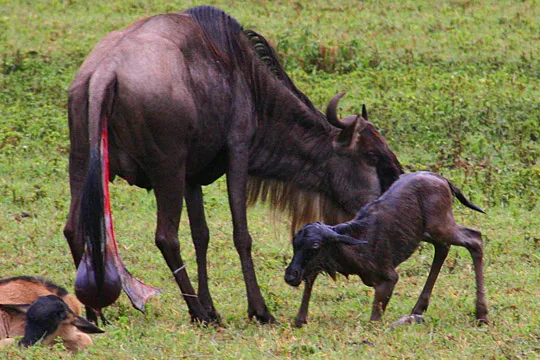
How Much Does A Serengeti Safari From Moshi Cost? 2026-2027
How Much Does a Serengeti Safari from Moshi Cost? is explained with current 2026-2027 planning, price, itinerary and booking information.
View package details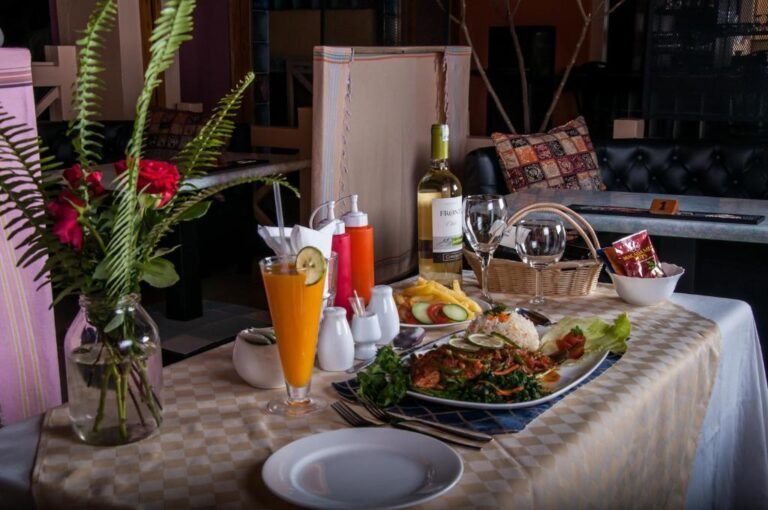
Safari Tours Starting From Arusha, Moshi & Kilimanjaro Airport 2026-2027
Safari Tours Starting from Arusha, Moshi & Kilimanjaro Airport is explained with current 2026-2027 planning, price, itinerary and booking information.
View package details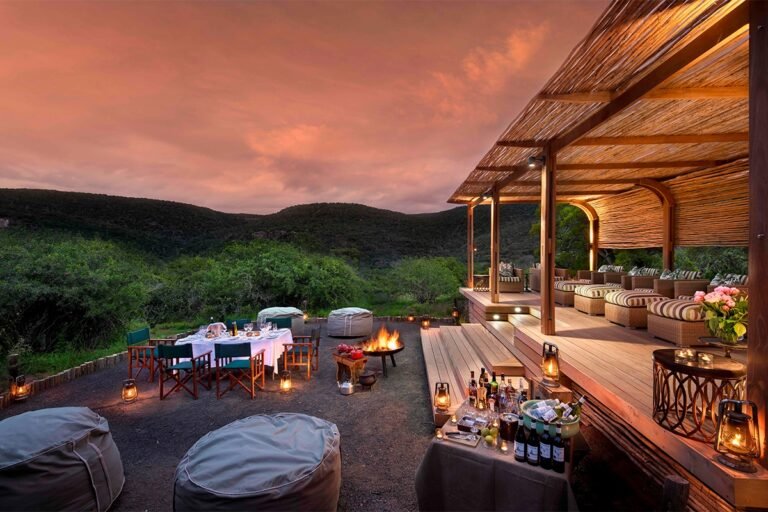
What Is The Cheapest Way To Book A Tanzania Safari? Guide 2026-2027
Discover how booking directly with local operators in Arusha or Moshi, joining group departures, and opting for public campsites slashes Tanzania safari costs by up to 50% for 2026-2027.
View package details
4 Day Southern Serengeti Migration Safari With Tented Accommodation 2026-2027
4 Day Southern Serengeti Migration Safari with Tented Accommodation is explained with current 2026-2027 planning, price, itinerary and booking information.
View package details
Tanzania Great Migration Safari Packages For Wildlife Photographers 2026-2027
Tanzania Great Migration Safari Packages for Wildlife Photographers is explained with current 2026-2027 planning, price, itinerary and booking information.
View package details
Tanzania Safari Cost Breakdown Including Park Fees And Accommodation 2026-2027
Tanzania Safari Cost Breakdown Including Park Fees and Accommodation is explained with current 2026-2027 planning, price, itinerary and booking information.
View package details
Tanzania Wildlife Safari Holidays With Professional English Speaking Guides
Tanzania Wildlife Safari Holidays with Professional English Speaking Guides is explained with current 2026-2027 planning, price, itinerary and booking.
View package detailsNo closely related package is available yet for this topic.

Our Guest Reviews, Currently Feedback from Clients in 2026
Reviews from different sources, including Google Business, Tripadvisor, other platforms, and social media.



