
You can find Tanzania safari group joining tours with fixed dates primarily through established local ground operators based in Arusha and Moshi, specialized scheduled departure platforms, and curated operator departure tables. These tours aggregate solo travelers, couples, and small parties into shared 4×4 safari pop-top Land Cruisers (typically capped at 6 passengers to ensure window seats) along established Northern Circuit routes covering Tarangire, Lake Manyara, the Ngorongoro Crater, and the Serengeti. For 2026-2027 travel, reliable fixed-date departures run on daily frequencies during the peak dry months (June to October and December to March) and twice- or thrice-weekly schedules during low-season windows, with baseline costs averaging $200 to $350 per person per day for basic camping packages and $380 to $650 per person per day for mid-range lodge joiner safaris.


Direct Ground Operators vs. Third-Party Portals: Where Schedules Actually Originate
When searching online for Tanzania safari group joining tours with fixed dates, travelers invariably encounter two distinct sources: international booking portals and local on-the-ground operators. Knowing the operational distinction between them is vital before submitting a deposit, as it dictates who assumes liability for vehicle logistics, driver assignment, park payments, and departure guarantees.
International aggregators and multi-day marketplace websites compile itineraries from dozens of independent companies. While these sites provide consolidated comparison interfaces, they rarely control vehicle operations or schedule enforcement. When you book a seat on a marketplace portal, that booking is dispatched to a ground operator registered with the Tanzania Tourist Board in Arusha or Moshi. If an aggregator’s departure fails to meet minimum participant thresholds, cancellations, itinerary reshuffles, or last-minute subcontracting frequently occur.
By contrast, sourcing departures directly from established local outfits—such as checking a live Tanzania Safari Group Departures Table—puts you in direct communication with the team that owns the fleet, manages the camp supplies, and employs the safari guide. Local operators maintain recurring operational runs because they can merge clients from direct bookings, regional hotel booking desks, and local trekking partners who have just completed climbing Mount Kilimanjaro.
For travelers organizing journeys for 2026-2027, booking with a direct operator clarifies whether a departure is “guaranteed” or “provisional.” A guaranteed departure runs regardless of whether two or six travelers join; a provisional departure hinges on reaching a minimum quorum (often two to four passengers). Direct operators clearly differentiate these statuses because their own rolling equipment and staff schedules depend on them.
Most Common Fixed-Date Safari Itineraries in Tanzania (3 to 7 Days)
Fixed-date group departures rarely operate in Southern or Western circuit destinations like Nyerere National Park or Ruaha due to complex logistics and internal flight costs. Instead, group joining logistics cluster heavily along Tanzania’s Northern Circuit. The infrastructure between Arusha, Tarangire, Manyara, Ngorongoro, and the Serengeti allows operators to link rolling departures back-to-back efficiently.
Standard Northern Circuit Group Joining Durations
- 2-Day Short Circuit: Covers Tarangire National Park and Ngorongoro Crater. This serves travelers on strict time limits or hikers looking for a short wildlife trip after a trek. Detailed itineraries like the 2-Day Tanzania budget group joining safari depart Arusha or Moshi multiple times per week.
- 3-Day Classic Circuit: Focuses on Tarangire or Lake Manyara paired with an extensive morning descent into the Ngorongoro Crater floor. Because it avoids the long drive out to the Central Serengeti, this is one of the most cost-effective fixed-date options.
- 4-Day Serengeti & Ngorongoro Route: The minimum practical timeframe to incorporate the Central Serengeti (Seronera Valley) alongside Ngorongoro. Fixed departures for this circuit generally run daily or every other day during dry season months.
- 5-Day Comprehensive Northern Safari: The industry standard for balanced group joining trips. It allocates two full nights inside Serengeti National Park, one night on the Ngorongoro Crater rim or Karatu, and one day exploring Tarangire or Manyara.
- 6-Day to 7-Day Extended Migration Focus: Structured around specific seasonal animal movements, tracking river crossings in the Northern Serengeti (July to October) or calving in the Ndutu region (January to March). These depart on structured weekly schedules due to the long distances involved.
Travelers targeting the iconic plains should note that itineraries covering Serengeti National Park require at least four days to prevent spending the majority of daylight hours merely in highway transit. Reliable operators will decline running 2-day or 3-day group joining trips to the Serengeti because of mandatory driving regulations set by the Tanzania National Parks Authority (TANAPA), which prohibit entry past park gates after 6:00 PM.
Cost Mechanics: What You Pay and How Shared Vehicles Lower Expenses
Safari pricing in Tanzania is notoriously high due to structured statutory conservation fees, concession fees, vehicle transit permits, and fuel consumption across rough roads. A customized private vehicle and guide can cost between $350 and $500 per day just to roll out of the garage, before adding park admissions or accommodation. Group joining tours solve this problem by distributing vehicle charter fees, professional driver-guide stipends, and cook fees across multiple unrelated travelers.
Understanding how per-person costs contrast between group setups and exclusive vehicles helps travelers choose the appropriate travel style. For a full breakdown of these line items, consult our analysis on private vs group joining Tanzania safari costs.
| Safari Format | Accommodations | Estimated Cost / Person / Day (2026-2027) | Vehicle Allocation | Best Suited For |
|---|---|---|---|---|
| Group Joining (Basic Camping) | Public campsites (tents, sleeping pads, shared camp washrooms) | $200 – $320 | Shared (4 to 6 travelers max) | Solo travelers, backpackers, strict budget-conscious explorers |
| Group Joining (Mid-Range Lodge) | Karatu & Central Serengeti standard safari lodges / tented camps | $380 – $600 | Shared (4 to 6 travelers max) | Couples, solo travelers wanting en-suite comforts without private car costs |
| Private Safari (2 Travelers) | Mid-range permanent tented lodges | $450 – $750 | Exclusive Land Cruiser for 2 guests | Couples seeking custom daily schedules, birders, serious photographers |
| Private Safari (4 to 6 Travelers) | Mid-range to upscale lodges | $350 – $550 | Exclusive Land Cruiser for family/friends | Small private groups sharing vehicle costs among themselves |
As illustrated, fixed-date group joining brings basic wildlife journeys into a reasonable financial window. Rather than paying 100% of vehicle and guide fees, a solo traveler or couple absorbs only one-fourth or one-sixth of that baseline overhead. The remaining costs consist primarily of non-negotiable TANAPA park entrance fees (such as $70 to $82.60 per 24 hours per adult in the Serengeti, depending on season and VAT), crater service fees ($295 per vehicle per descent into Ngorongoro), and public campsite fees.
How Fixed Departure Dates Work Across Peak and Shoulder Seasons (2026-2027)
Scheduled safari group joining tours do not operate in a logistical vacuum; departures vary based on seasonal rainfall patterns, seasonal migration herds, and international flight arrivals into Kilimanjaro International Airport (JRO).
High Season Schedules (June through October, December through February)
During the primary dry season from late June through October, group joining tours depart Arusha almost daily. Wildlife congregates along visible river corridors in Tarangire and the Seronera basin, making wildlife observation consistent. During these periods, group departure vehicles routinely fill to maximum capacity weeks or months in advance. Operators like Top Guide Adventures organize departures daily across the 3-day, 4-day, and 5-day northern routes.
Between late December and early March, fixed departures focus heavily on the southern plains of the Serengeti ecosystem for the wildebeest calving season. Travelers specifically looking for calving events can join departures configured for early morning runs across the short-grass plains around Ndutu.
Low and Green Season Schedules (April to May, November)
During the long rains in April and May, standard daily fixed-date departures become less frequent. Instead of daily starts, operators typically consolidate groups into two or three departures per week (such as every Tuesday and Friday). Consolidating clients into fewer vehicles prevents vehicles from operating below minimum passenger thresholds. If you plan to travel in 2026 or 2027 during the green season, you must confirm that your fixed date is locked in as guaranteed, as low client counts can prompt operators to cancel or request additional vehicle top-up fees.
Evaluating Group Dynamics: Vehicle Configurations, Window Seats, and Crew Ratios
A central anxiety for travelers booking group joining tours is vehicle comfort and spacing. In East Africa, custom extended Toyota Land Cruisers represent the operational standard. These vehicles are modified with heavy-duty suspension, pop-up roofs for uninhibited 360-degree photography, onboard HF radios, inverters for camera charging, and small refrigeration units.
The 6-Passenger Standard vs. Overcrowding
An extended safari Land Cruiser contains three rows of passenger seating behind the front cabin, providing a total of six passenger seats in the rear, plus an additional front passenger seat next to the driver. In reputable group joining tours, capacity is strictly capped at six participants. This configuration guarantees that every passenger gets a dedicated window seat and direct access to the pop-up roof hatch during game drives.
Substandard or budget aggregators sometimes sell seven or eight seats in a single vehicle, forcing one or two travelers into middle seats. Sitting in a middle seat on an 8-hour corrugated gravel track through the Ngorongoro Conservation Area significantly reduces visibility and overall safari quality. Always check in writing that your operator guarantees a window seat for all group members before paying a deposit.
Another consideration is the crew-to-guest ratio. On a basic camping group tour, the vehicle carries both a licensed driver-guide and a dedicated safari cook. The cook sits in the front passenger seat alongside the driver, with all camping equipment, dining stools, kitchen boxes, and guest luggage stored in the rear compartment or rooftop luggage rack. On mid-range lodge joiner safaris, no cook is needed, freeing up cargo space and passenger weight capacity.
Camping vs. Mid-Range Lodge Joiners: Operational Realities in Group Travel
Group joining safaris fall into two primary accommodation tiers: basic public camping and mid-range safari lodges or permanent tented camps. The style you choose dictates daily camp routines, physical comfort, and evening logistics.
Basic Camping Group Joiners
Camping group tours are the most common fixed-date format in Tanzania. Travelers stay in designated public campsites managed by TANAPA or the Ngorongoro Conservation Area Authority (NCAA), such as Simba Campsite on the Ngorongoro crater rim or Seronera Public Campsites in the Central Serengeti. These sites feature shared ablution blocks with solar showers and flush toilets.
Tents are durable two-person canvas dome units equipped with 3- to 4-inch high-density foam mattresses. Solo travelers joining a group trip are paired with another solo traveler of the same gender in a shared tent, or they can pay a small single supplement to secure a private tent. For practical details on sleeping configurations, read our advice on whether you can join a safari group without sharing a room.
Mid-Range Lodge Group Joiners
Mid-range lodge joiner tours follow similar day routes and game drive hours as camping tours, but retire each evening to permanent tented lodges or stone-built safari lodges outside or inside park borders (such as lodges around Karatu, Mto wa Mbu, or permanent camps within Seronera). Guests enjoy en-suite bathrooms, private hot showers, running electricity, comfortable beds, and seated dining rooms.
While more expensive than camping, mid-range lodge joiner tours allow couples and solo adventurers to secure the comfort of traditional safari lodges while dividing expensive vehicle and transit costs with fellow travelers. For an extensive examination of these packages, review our details on Tanzania mid-range safari lodge packages.
Check Availability for Where Can I Find Tanzania Safari Group Joining Tours With Fixed Dates?
Ready to compare dates, prices, and the best option for your group? Send the package name and travel month so the team can reply with a clear quote, availability, and what is included.

Tanzania Safari Group Joining Departures In January 2026-2027
Tanzania Safari Group Joining Departures in January 2027 is explained with current 2026-2027 planning, price, itinerary and booking information.
View package detailsTanzania Safari Group Joining Tours For Couples And Friends 2026-2027
Tanzania Safari Group Joining Tours for Couples and Friends is explained with current 2026-2027 planning, price, itinerary and booking information.
View package details
How Much Can I Save By Joining A Group Safari In Tanzania? 2026-2027
How Much Can I Save by Joining a Group Safari in Tanzania? is explained with current 2026-2027 planning, price, itinerary and booking information.
View package details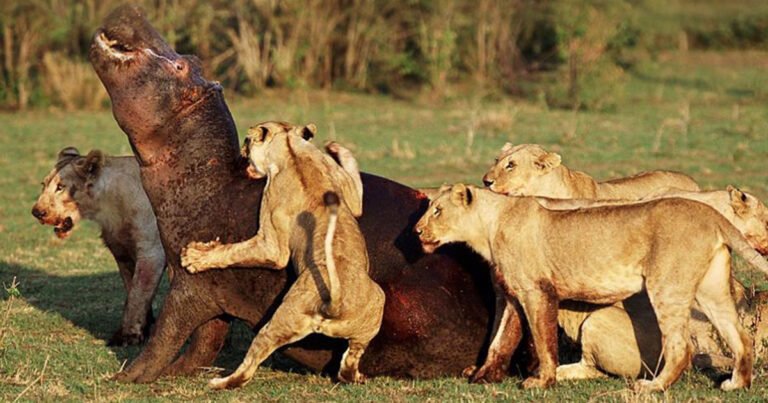
Tanzania Group Joining Safari Tours With Airport Pickup 2026-2027
Tanzania Group Joining Safari Tours with Airport Pickup is explained with current 2026-2027 planning, price, itinerary and booking information.
View package details
Private Vs Group Joining Tanzania Safari Cost Comparison 2026-2027
Private vs Group Joining Tanzania Safari Cost Comparison is explained with current 2026-2027 planning, price, itinerary and booking information.
View package details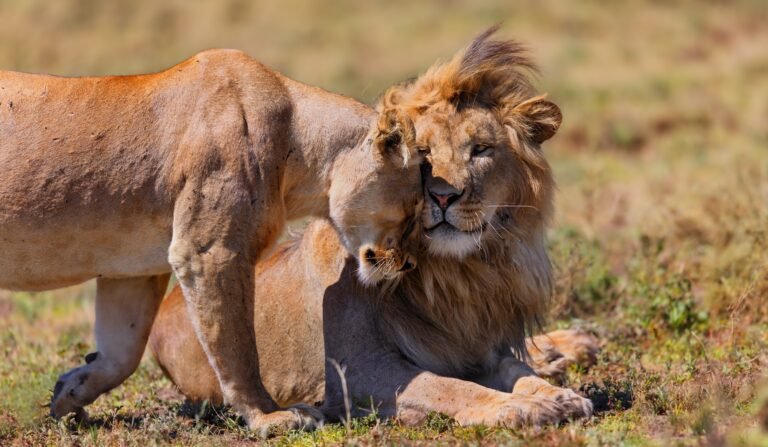
How Many People Share A Vehicle On A Tanzania Group Safari? Guide 2026-2027
A comprehensive operational breakdown of vehicle capacity, passenger seating arrangements, window seat guarantees, and luggage space on Tanzania group joining safaris for 2026 and 2027.
View package details
Tanzania Safari Group Departures With Shared Camping Accommodation 2026-2027
A comprehensive operational guide to Tanzania safari group departures featuring shared public campsite accommodation across the Northern Circuit for 2026-2027.
View package details
Can I Join A Safari Group From Moshi Instead Of Arusha? 2026-2027
Can I Join a Safari Group from Moshi Instead of Arusha? is explained with current 2026-2027 planning, price, itinerary and booking information.
View package details
Tanzania Safari Packages For Solo Travelers Without Expensive Single
A comprehensive practical guide to booking Tanzania safari packages for solo travelers without paying punitive single supplements, covering group departures, room-share models, private...
View package details
Can I Join A Safari Group Without Sharing A Hotel Room? 2026-2027
Can I Join a Safari Group Without Sharing a Hotel Room? is explained with current 2026-2027 planning, price, itinerary and booking information.
View package details
Affordable Tanzania Wildlife Safari Holidays For Small Groups 2026-2027
Affordable Tanzania Wildlife Safari Holidays for Small Groups is explained with current 2026-2027 planning, price, itinerary and booking information.
View package details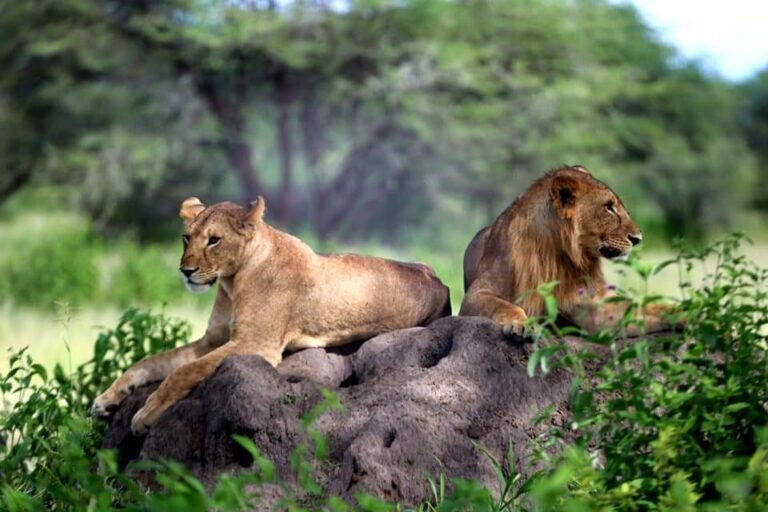
Tanzania Safari Packages With Flexible Dates And Itineraries 2026-2027
Tanzania Safari Packages with Flexible Dates and Itineraries is explained with current 2026-2027 planning, price, itinerary and booking information.
View package detailsNo closely related package is available yet for this topic.

Our Guest Reviews, Currently Feedback from Clients in 2026
Reviews from different sources, including Google Business, Tripadvisor, other platforms, and social media.



