
A Northern Serengeti migration safari with accommodation near Mara River is a specialized wildlife itinerary focused on witnessing the Great Migration river crossings between July and October in the Kogatende and Lamai sectors of northern Tanzania. Securing accommodation within a 15- to 45-minute drive of the primary Mara River crossing points (numbered 1 through 10) is the critical operational decision that determines safari success, as it eliminates multi-hour transit drives and allows guides to position vehicles along the riverbanks the moment crossing pressure builds. Safari packages targeting this region typically run between 4 and 7 days, combining bush flights into Kogatende Airstrip (TKZ) with customized 4×4 Land Cruisers, with all-inclusive per-person costs ranging from $2,800 to $6,500+ depending on whether travelers choose seasonal mobile tented camps or permanent luxury lodges for the 2026-2027 seasons.

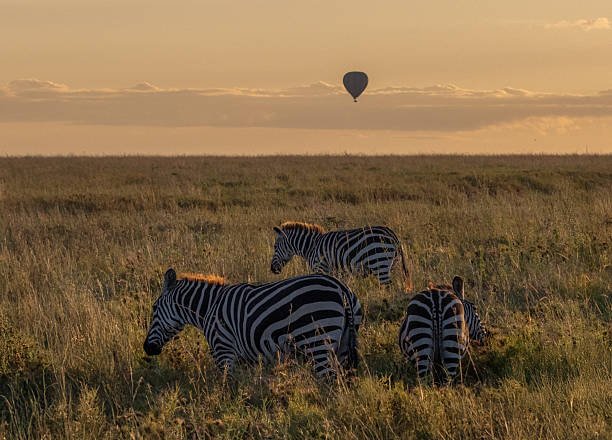
Mara River Geography: Crossing Points and Herd Dynamics
The Northern Serengeti is defined hydrographically and ecologically by the Mara River, a perennial watercourse that originates in the Mau Escarpment of Kenya and flows west across the northern tip of Serengeti National Park toward Lake Victoria. While wildlife documentaries condense weeks of waiting into high-drama sequences, the reality on the ground requires a precise understanding of the river’s topography, riverbank topography, and the specific river crossing numbering system utilized by professional field guides and park rangers.
The central theatre of action spans the Kogatende region south of the river and the Lamai Wedge on the northern bank. The Tanzania National Parks Authority (TANAPA) monitors this delicate ecosystem through designated crossing zones, generally cataloged from downstream to upstream as Crossing 1 through Crossing 10. These zones are not artificial boundaries; they represent historical entry points where topographical gradients allow large mammal herds to descend steep, crumbly riverbanks, navigate swift-moving currents, and scramble up the opposite bank without being completely trapped by vertical rock walls or deep mud deposits.
The Kogatende Sector vs. The Lamai Wedge
Travelers planning their 2026 or 2027 safari must decide how to base themselves relative to the river. The south bank (Kogatende) holds the majority of mobile tented camps and gives immediate access to Crossings 1 through 7, as well as the open savannahs stretching south toward the Wogakuria Kopjes. These kopjes—massive granite boulder outcroppings—serve as territorial vantage points for resident lion prides and leopards that track the herds moving toward the water.
The north bank, known as the Lamai Wedge, is a triangle of land wedged between the Mara River and the Kenyan border. Lodges and camps located on the Lamai side offer an entirely different perspective. The terrain here transitions into rolling grasslands dotted with whistling-thorn acacia and provides uninterrupted sweeping views of the river corridor. Staying on the Lamai bank often results in lower vehicle congestion at the riverbanks because fewer vehicles make the crossing over the permanent Mara River bridge to access that side. However, crossing back and forth between the south and north banks requires using the single bridge near Kogatende, which can add up to an hour of driving if a crossing begins several kilometers upstream or downstream from the crossing bridge.
Understanding Crossing Behavior and Field Patience
River crossings are driven by herd panic, grazing depletion, and herd instinct, not a rigid schedule. A herd numbering tens of thousands of blue wildebeest and plains zebras may mass on the ridge lines 500 meters from the river, advance to the water’s edge, sniff the current, and suddenly retreat in a cloud of dust if an alpha animal senses a submerged Nile crocodile or an ambush by a riverbank predator. Field guides refer to this as “staging.”
When a crossing finally initiates, it is triggered by immense pressure from the rear of the herd forcing the front ranks down the banks, or by a single bold animal leaping into the water. Once the first wave commits, the entire herd follows in a blind, kinetic push that can last anywhere from fifteen minutes to more than an hour. Choosing an itinerary with expert Serengeti Mara River crossing safari planning ensures your vehicle is parked in a legally permitted standoff zone—respecting park regulations to keep crossing paths unobstructed—while maintaining an unobstructed camera angle.
Migration Seasonality: Month-by-Month Timing for 2026-2027
A common misconception among travelers is that the wildebeest cross the Mara River only once, moving north into the Maasai Mara in July and returning south to the Serengeti in October. In truth, the Great Migration is a dynamic, continuous loop. Herds move back and forth across the Mara River multiple times over a four-month period, driven by localized rain patterns, pasture quality, and bush fires across the border.
July: The Arrival and Initial Crossings
By early July, the vanguard of the migration reaches the southern bank of the Mara River after crossing the dry expanses of the Grumeti and Western Corridor. Pastures in central and western Serengeti are depleted, and the scent of green growth in the north pulls hundreds of thousands of ungulates forward. Early July crossings are unpredictable, featuring smaller groups testing the waters. By mid-to-late July, large-scale crossings become frequent at downstream points (Crossings 1 through 4). River levels are typically higher in July, creating dramatic, turbulent crossings where the current poses as great a hazard to young calves as the resident Nile crocodiles.
August: Peak Momentum and Maximum Herd Density
August represents the historic peak of river crossing activity across the entire northern corridor. The plains surrounding Kogatende, Bologonja, and the Lamai Wedge fill with mega-herds. Because grazing pressure is intense, herds are forced to cross and re-cross the river continuously in search of fresh shoots. For travelers booking a Tanzania wildlife safari targeting the Big Five and Great Migration, August delivers the highest probability of witnessing multiple crossings over a 3- to 4-day stay. However, it also coincides with the highest park visitor volumes and premium lodge rack rates.
September: Extended Crossings and Dispersed Predator Action
September offers exceptional safari conditions with marginally less vehicle density than August. The herds are widely distributed throughout the northern sector, with substantial numbers occupying both the Tanzanian Northern Serengeti and the Kenyan Maasai Mara. River crossings continue daily, often characterized by smaller, fast-moving columns that make snap decisions to cross. Predators, including lion prides that hold permanent territories along the river bends and large hyena clans, are in peak physical condition, having fed on crossing casualties for weeks.
October to Early November: The Return South
As the short rains begin to register in the southern plains near Ndutu and Ngorongoro, the herds turn decisively southward. October crossings can be some of the most frantic of the season, as massive groups re-cross the Mara River back into Tanzania to begin their long march south. By late October and early November, the river crossings wind down, the mega-herds vacate the Kogatende plains, and northern accommodation operators begin disassembling their seasonal tented camps to relocate them to the southern calving grounds.
Accommodation Near the Mara River: Mobile Bush Camps vs. Permanent Lodges
Selecting accommodation for a Northern Serengeti migration safari with accommodation near Mara River requires balancing physical proximity to the water with desired comfort levels, environmental footprint, and operational flexibility. Accommodations in this remote sector are categorized into three distinct operational styles: seasonal mobile tented camps, permanent luxury lodges, and semi-permanent luxury camps.
Seasonal Mobile Tented Camps: Maximum Proximity and Authenticity
Seasonal camps are engineered specifically to track the movement of the herds. They operate in the Northern Serengeti from late June or early July through late October or early November, after which the entire camp is packed onto trucks and driven south to Ndutu for the calving season (December to March). These camps operate under seasonal concession permits granted by TANAPA, allowing them to occupy prime wilderness sites often within 10 to 25 minutes of the central crossing points.
Check Availability for Northern Serengeti Migration Safari With Accommodation Near Mara River
Ready to compare dates, prices, and the best option for your group? Send the package name and travel month so the team can reply with a clear quote, availability, and what is included.

4 Day Southern Serengeti Migration Safari With Tented Accommodation 2026-2027
4 Day Southern Serengeti Migration Safari with Tented Accommodation is explained with current 2026-2027 planning, price, itinerary and booking information.
View package details
6 Day Northern Serengeti Migration Safari With Luxury Tented Camps 2026-2027
6 Day Northern Serengeti Migration Safari with Luxury Tented Camps is explained with current 2026-2027 planning, price, itinerary and booking information.
View package details
Best Serengeti Mara River Crossing Safari Tours In August 2026-2027
Best Serengeti Mara River Crossing Safari Tours in August is explained with current 2026-2027 planning, price, itinerary and booking information.
View package detailsCan A Serengeti Safari Guide Guarantee A River Crossing Sighting? 2026-2027
A detailed travel planning assessment clarifying why no ethical safari guide can guarantee a wildebeest river crossing in the Serengeti, detailing herd dynamics, crossing points, and field...
View package details
Best Serengeti Safari Camps Close To Wildebeest Migration Areas 2026-2027
Best Serengeti Safari Camps Close to Wildebeest Migration Areas is explained with current 2026-2027 planning, price, itinerary and booking information.
View package details
Private Serengeti Migration Safari With Flexible Game Drive Schedules
Private Serengeti Migration Safari with Flexible Game Drive Schedules is explained with current 2026-2027 planning, price, itinerary and booking information.
View package details
Can I See The Great Migration During A 3 Day Serengeti Safari? 2026-2027
Can I See the Great Migration During a 3 Day Serengeti Safari? is explained with current 2026-2027 planning, price, itinerary and booking information.
View package details
Central Serengeti Vs Northern Which Is Better For Safari? 2026-2027
Central Serengeti vs Northern Serengeti: Which Is Better for Safari? is explained with current 2026-2027 planning, price, itinerary and booking information.
View package detailsBest 3 Day Serengeti Safari Packages With Affordable Accommodation 2026-2027
Best 3 Day Serengeti Safari Packages with Affordable Accommodation is explained with current 2026-2027 planning, price, itinerary and booking information.
View package details
Zanzibar To Serengeti Safari For Couples With Private Accommodation 2026-2027
Zanzibar to Serengeti Safari for Couples with Private Accommodation is explained with current 2026-2027 planning, price, itinerary and booking information.
View package details
Can I Book A Serengeti Safari With A Hot Air Balloon Experience? 2026-2027
Can I Book a Serengeti Safari with a Hot Air Balloon Experience? is explained with current 2026-2027 planning, price, itinerary and booking information.
View package details
Is Ngorongoro Crater Better Than Serengeti For A Short Safari? 2026-2027
Is Ngorongoro Crater Better Than Serengeti for a Short Safari? is explained with current 2026-2027 planning, price, itinerary and booking information.
View package detailsNo closely related package is available yet for this topic.

Our Guest Reviews, Currently Feedback from Clients in 2026
Reviews from different sources, including Google Business, Tripadvisor, other platforms, and social media.



