
A private Serengeti migration safari with flexible game drive schedules is an exclusive wildlife expedition where you control the daily departure times, tracking duration, and meal routines of your dedicated 4×4 vehicle rather than following a rigid camp timetable. Built specifically for travelers tracking the circular 800-kilometer wildebeest movement across the Serengeti ecosystem, this private structure lets you leave camp before first light at 05:30 for early hunting action, spend 10 to 12 continuous hours at a Mara River crossing point with packed bush breakfasts and lunches, or return to camp for midday rest during hot lulls. Private safaris for the 2026-2027 seasons typically range from $450 to $1,150 per person per day for mid-range mobile tented arrangements and $1,200 to $2,400+ per person per day for luxury permanent camps, depending on seasonal park fees, domestic flight links, and vehicle exclusivity.
What Flexible Game Drive Schedules Actually Mean in the Field
In standard safari packages, daily operations run on fixed institutional blocks: morning drives depart after a seated lodge breakfast around 07:00, return by 10:30 for coffee, pause through mid-afternoon, and head out again from 16:00 until park gate closure at 18:30. In contrast, a private Serengeti migration safari with flexible game drive schedules eliminates predetermined rotations. Because your party reserves an exclusive 4×4 custom Land Cruiser and a dedicated professional driver-guide, the vehicle operates under your command within the legal operating hours of the Tanzania National Parks Authority (TANAPA), which run from 06:00 to 18:00 daily.
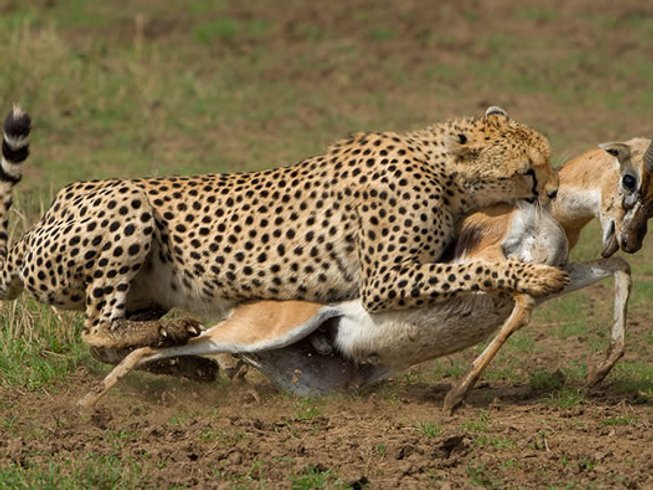
This operational freedom solves the central challenge of the Great Migration: wildebeest herds do not follow hospitality meal hours. A mega-herd gathered on the southern plains near Ndutu may begin calving during early morning light, pause in tight defensive circles as cheetahs circle at 10:00, and shift grazing corridors entirely by 13:00. Under a flexible schedule, you decide whether to pack two insulated meal boxes the night before, departure at 05:45 to arrive at the staging grounds before dawn breaks, and remain stationary near predator activity without returning to a lodge dining hall.
Flexibility also dictates pace. If your party consists of wildlife photographers, you can spend four unbroken hours watching a single pride of lions stalk an injured zebra without pressure from vehicle mates who want to search for rhinos. If you travel with multi-generational family members, you can cut an afternoon drive short after two hours when children tire, heading back to camp without feeling you have wasted a paid group excursion. Our ground team at Top Guide Adventures coordinates these daily logistics directly between you and your private safari guide every evening, reviewing wildlife telemetry and weather patterns to plan the next morning rather than locking you into a static brochure itinerary months in advance.
Why Shared Group Itineraries Fail the Great Migration
Choosing between joining a scheduled departure and commissioning a private Land Cruiser is the single most critical decision in migration planning. While a Tanzania group joining safari provides an economical entry point for solo travelers and budget-conscious backpackers, it introduces systemic compromises that conflict directly with migration tracking.
The fundamental conflict in shared vehicles is voting friction. When six or seven strangers occupy an extended pop-top Land Cruiser, every decision becomes a compromise between conflicting priorities:
- Conflicting Photography Needs: Dedicated photographers wanting to sit for three hours waiting for dramatic backlight behind a dust herd are outvoted by casual vacationers who want to check off a checklist of Big Five sightings and return to camp for a hot lunch.
- Seat Rotation and Gear Space: Shared vehicles operate on daily window-seat rotations. Carrying large telephoto lenses, beanbags, and tripods becomes impractical when every seat is filled, limiting your shooting angles when crossing points ignite suddenly.
- Geographic Range Restrictions: Shared groups operate on rigid fuel allocations and tight driving perimeters dictated by lodge check-out deadlines. If the migration shifts 40 kilometers north toward the Kogatende airstrip overnight, a shared group staying in Central Serengeti cannot make the run without disrupting group meal times.
- Camp Proximity Trade-Offs: Shared itineraries frequently place guests in permanent lodges located up to two hours drive from the active herds to keep costs down. A private safari allows you to station your vehicle at mobile tented camps that follow the herds seasonally, cutting transit dead-time down to zero.
For travelers analyzing the financial trade-offs of this split, reviewing our breakdown on private vs group joining Tanzania safari cost comparison clarifies how the vehicle day rate divides among two, four, or six passengers. When two couples or a family of four share a single private Land Cruiser, the per-person daily price frequently matches or closely tracks higher-end shared lodge tours while granting complete autonomy over every field hour.
Aligning Daily Drive Hours with Seasonal Migration Movements (2026-2027)
The Serengeti migration is not an isolated event; it is an uninterrupted annual cycle driven by rainfall patterns, phosphorus-rich volcanic soils, and grass growth across two million hectares. Planning a private safari with flexible drive times requires placing your private base directly in the sector where herds concentrate during your travel month. For 2026 and 2027, advance positioning remains mandatory due to strict environmental limits on mobile camp bed allocations enforced by TANAPA.
| Season / Months | Migration Sector | Primary Animal Behavior | Recommended Daily Game Drive Schedule |
|---|---|---|---|
| January – March (Calving Peak) | Southern Serengeti & Ndutu Plains (NCAA boundary) | Mass calving (8,000 calves born daily); apex predator hunts (cheetah, lion, hyena). | Early Morning Patrol: 05:45 departure for golden light hunts; return at 11:30; second drive 15:30 to 18:30 across marsh beds. |
| April – May (Long Rains) | Western Corridor & Moru Kopjes | Dense staging columns marching northwest; heavy herd aggregation; low visitor density. | Continuous Half-Day: 06:30 departure after heavy dawn showers clear; full exploration of wet black cotton soils until 14:00. |
| June – July (Grumeti Crossing) | Western Corridor to Northern Serengeti | First major river crossing bottlenecks at the crocodile-dense Grumeti River. | All-Day Patience Run: 06:00 to 17:00 stationary staking near river crossing points 1 and 2 with full packed hampers. |
| August – October (Mara Crossings) | Northern Serengeti (Kogatende, Lamai, Wogakuria) | Spectacular Mara River crossings back and forth along the Kenyan border. | Dedicated River Wait: 06:00 departure to Mara crossing zones 3–10; remain on-site until crossing triggers or light fades at 17:30. |
| November – December (Short Rains) | Lobo, Central Serengeti (Seronera), and Southward | Swift southward movement across eastern corridors chasing newly sprouted green shoots. | Split Drive Rhythm: 06:00 to 10:30 tracking moves through Seronera valley; 15:00 to 18:30 dusk predator sweeps. |
To understand the nuances of the northern river season, our specialized guide on a northern Serengeti migration safari with accommodation near Mara River details how camp placement within 15 minutes of crossing points 4 through 8 saves up to three hours of transit daily. That saved travel time directly translates into flexible tracking hours where you watch nervous herds build along high cliff banks while distant vehicles struggle through rough access tracks.
The Mechanics of River Crossing Patience: Mara and Grumeti Strategies
Witnessing a river crossing is an exercise in intense behavioral anticipation rather than rapid driving. Thousands of wildebeest gather on the ridge lines above the Mara or Grumeti rivers, driven by deep thirst and seasonal instinct. Yet, their fear of apex predators beneath the surface creates extreme hesitation. Herds will push to the waterline, smell danger, panic, stampede back uphill, and mill aimlessly for hours. A single nervous crossing scout may abort an entry, delaying the entire surge by half a day.
This is where rigid safari schedules fail completely. A vehicle bound by a 12:30 hot buffet lunch back at camp must abandon the riverbank right when midday heat pushes thirsty, desperate herds into their final crossing frenzy. With a private Serengeti migration safari with flexible game drive schedules, your guide switches off the Land Cruiser engine under a shady acacia tree near the designated staging zone, keeping binoculars trained on the lead animals while you wait in total comfort.
Top Guide Adventures equips our private safari vehicles specifically for long riverbank waits:
- On-Board Power and Inverters: Continuous 220V power points allow you to recharge heavy camera batteries, laptops, and mobile devices while sitting stationary for hours.
- On-Board Refrigeration: Electric vehicle fridges keep drinking water, fresh fruit, and soft beverages chilled under midday savanna temperatures reaching 32°C.
- Driver-Guide Tact and Positioning: Experienced local guides position the vehicle outside the herd’s natural run-down corridors. Rushing directly down to the water spooks the animals back up the ridge; seasoned guides anticipate the crossing bank, hold back until the first 50 animals plunge into the current, and then position the vehicle safely for viewing without disrupting the animals.
- Packed Bush Catering: High-grade insulated meal boxes eliminate the need to leave the riverbanks. You enjoy breakfast on the front bumper while monitoring dust trails on the opposite bank.
For visitors wondering how many days are required to reliably witness this phenomenon, our analysis on can I see the Great Migration during a 3 day Serengeti safari emphasizes that river crossing success requires a minimum of three full days dedicated exclusively to the riverbanks, an allocation made practical only through private vehicle flexibility.
Three Practical Daily Schedule Models: Dawn Patrol, Full-Day, and Split Drives
When booking a private itinerary with our team for 2026-2027, your daily pattern is never locked in stone. Each evening over drinks around the camp fire, you sit with your Top Guide Adventures driver-guide to review real-time ranger radio reports, weather forecasts, and animal movements. Depending on current conditions, you select one of three proven operational models for the following day:
Model 1: The Dawn Patrol (05:30 to 13:00)
Designed primarily for predator enthusiasts and early-morning light photography. Big cats hunt most actively in the cool margins between 05:30 and 08:30 before retreating under dense bush or climbing granite kopjes to escape heat.
- 05:15: Fresh Tanzanian coffee and biscuits served at your tent.
- 05:45: Departure through camp gates, reaching active migration grazing zones at dawn.
- 08:30: Bush breakfast laid out on a drop-down vehicle table near a seasonal waterhole.
- 09:00 – 12:30: Dynamic tracking of hyena clans, leopard territorial marks, and migrating columns.
- 13:00: Return to camp for a multi-course hot lunch, followed by three hours of reading, siesta, or camp relaxation during the midday heat when wildlife is inactive.
- Late Afternoon Option: An optional, easy two-hour sunset drive (16:30 to 18:30) around nearby water sources, or complete rest inside camp.
Model 2: The Full-Day Crossing Marathon (06:00 to 17:30)
Mandatory for the northern river crossing season (July through October) or deep exploration of the Western Corridor. This model prioritizes maximum patience and deep wilderness range over camp downtime.
- 06:00: Departure carrying complete breakfast hampers, packed cold lunches, and ample cold water.
- 06:30 – 11:30: Staking out river banks, scanning northern crossing points (Zones 1 through 10 along the Mara).
- 12:00: Packed lunch eaten inside the vehicle or under an acacia clearing while watching herd buildups.
- 12:30 – 16:30: Waiting out nervous river herds during peak heat crossings, shifting positions quietly as dust columns signal a breakthrough.
- 17:30: Gentle transit back to camp right before park gate curfews, catching golden hour light across the plains.
Model 3: The Classical Split Drive (06:30 to 10:30 & 15:30 to 18:30)
The optimal layout for families with children, senior travelers, or those booking luxury safari lodges with extensive spa, pool, and viewing-deck facilities. It avoids the physical fatigue of sitting inside a 4×4 during the hottest hours of the day.
- 06:30: Departure after a light camp breakfast, catching herds as they start moving to water.
- 10:30: Early return to your lodge or permanent tented camp for leisure, hot showers, and pool time.
- 13:00: Full seated lunch in the lodge restaurant.
- 15:30: Departure for late-afternoon game viewing, when elephants emerge from woodlands and predators wake from sleep.
- 18:30: Return to camp for sundowners and dinner.
If you are coordinating a comprehensive family journey, our dedicated overview on Tanzania family safari: private Serengeti, Ngorongoro & Zanzibar packages demonstrates how this split rhythm keeps young travelers engaged without exhaustion.
Cost Structures and Pricing Logic for Private Migration Safaris
Understanding how private safari pricing is compiled removes ambiguity when budgeting for 2026 and 2027. Unlike fixed group departures where you pay a flat per-seat ticket price, private safari costs are built on a hybrid foundation of fixed vehicle operations combined with per-person daily park and lodging tariffs.
Key Components of Private Serengeti Safari Pricing
When you commission a private migration vehicle, your quote reflects three distinct operational buckets:
- Private 4×4 Vehicle Day Rate: Covers the custom Land Cruiser, unlimited safari mileage within park regulations, commercial tourist vehicle insurance, professional driver-guide fees, satellite communication, and fuel. This cost remains constant whether occupied by two or six passengers.
- Statutory Park & Conservation Fees: Set by TANAPA and the Ngorongoro Conservation Area Authority (NCAA). For the Serengeti, this includes daily conservation fees (approx. $82.60 per adult per 24 hours in high season, including VAT), public or special campsite fees ($35.40 to $70.80 per night), and vehicle entry permits.
- Accommodation Tiers: Your selected level of comfort, ranging from comfortable mid-range mobile tented camps to ultra-luxury permanent lodges with all-inclusive bush dining and private plunge pools.
Check Availability for Private Serengeti Migration Safari With Flexible Game Drive Schedules
Ready to compare dates, prices, and the best option for your group? Send the package name and travel month so the team can reply with a clear quote, availability, and what is included.

6 Day Ndutu Serengeti And Ngorongoro Safari With Private Guide 2026-2027
6 Day Ndutu Serengeti and Ngorongoro Safari with Private Guide is explained with current 2026-2027 planning, price, itinerary and booking information.
View package details
How Much Does A Private Serengeti Safari Cost For Two People? 2026-2027
How Much Does a Private Serengeti Safari Cost for Two People? is explained with current 2026-2027 planning, price, itinerary and booking information.
View package details
4 Day Serengeti And Ngorongoro Crater Safari With Private Guide 2026-2027
4 Day Serengeti and Ngorongoro Crater Safari with Private Guide is explained with current 2026-2027 planning, price, itinerary and booking information.
View package details
Zanzibar To Serengeti Safari For Couples With Private Accommodation 2026-2027
Zanzibar to Serengeti Safari for Couples with Private Accommodation is explained with current 2026-2027 planning, price, itinerary and booking information.
View package details
4 Day Southern Serengeti Migration Safari With Tented Accommodation 2026-2027
4 Day Southern Serengeti Migration Safari with Tented Accommodation is explained with current 2026-2027 planning, price, itinerary and booking information.
View package details
Best Serengeti Safari Camps Close To Wildebeest Migration Areas 2026-2027
Best Serengeti Safari Camps Close to Wildebeest Migration Areas is explained with current 2026-2027 planning, price, itinerary and booking information.
View package details
6 Day Northern Serengeti Migration Safari With Luxury Tented Camps 2026-2027
6 Day Northern Serengeti Migration Safari with Luxury Tented Camps is explained with current 2026-2027 planning, price, itinerary and booking information.
View package details
Can I See The Great Migration During A 3 Day Serengeti Safari? 2026-2027
Can I See the Great Migration During a 3 Day Serengeti Safari? is explained with current 2026-2027 planning, price, itinerary and booking information.
View package details
Northern Serengeti Migration Safari With Accommodation Near Mara River
Northern Serengeti Migration Safari with Accommodation Near Mara River is explained with current 2026-2027 planning, price, itinerary and booking information.
View package details
Is A 2 Day Serengeti Safari Worth The Long Drive? 2026-2027
Is a 2 Day Serengeti Safari Worth the Long Drive? is explained with current 2026-2027 planning, price, itinerary and booking information.
View package details
Can A Serengeti Safari Guide Guarantee A River Crossing Sighting? 2026-2027
A detailed travel planning assessment clarifying why no ethical safari guide can guarantee a wildebeest river crossing in the Serengeti, detailing herd dynamics, crossing points, and field...
View package detailsBest Serengeti Mara River Crossing Safari Tours In August 2026-2027
Best Serengeti Mara River Crossing Safari Tours in August is explained with current 2026-2027 planning, price, itinerary and booking information.
View package detailsNo closely related package is available yet for this topic.

Our Guest Reviews, Currently Feedback from Clients in 2026
Reviews from different sources, including Google Business, Tripadvisor, other platforms, and social media.



