
Ngorongoro Crater is decisively better than the Serengeti for a short safari of 1 to 2 days because it sits just 3 to 4 hours from Arusha and concentrates over 25,000 large mammals—including the Big Five—inside a compact, self-contained 260-square-kilometer caldera floor. By contrast, overland travel to Central Serengeti requires 7 to 9 hours of driving each way, meaning a 1- or 2-day trip leaves you exhausted with minimal actual game viewing. Only when you have a minimum of 3 full days or budget for direct bush flights does the vast, unfenced Serengeti begin to outmatch Ngorongoro’s immediate wildlife accessibility.
The Short Safari Dilemma: Distance, Road Logistics, and Transit Fatigue
When travelers plan a northern circuit safari in Tanzania with only 24 to 72 hours of available time—often following a Mount Kilimanjaro climb or squeezed between business travel and beach flights to Zanzibar—the choice between Ngorongoro Crater and Serengeti National Park frequently surfaces. On paper, both names carry global renown. In field practice, attempting to visit the wrong park within an aggressive timeline can turn what should be an extraordinary wildlife encounter into an exhausting endurance test spent staring at corrugated dirt roads through a dusty vehicle window.
The geographic reality of Northern Tanzania dictates safari feasibility. Starting from Arusha or Kilimanjaro International Airport (JRO), reaching the Ngorongoro Conservation Area gate requires a 3- to 3.5-hour drive covering roughly 160 kilometers on smooth, paved tarmac through Makuyuni and Karatu. From the Loduare Gate, vehicles ascend through lush montane forest to the Crater viewpoint in another 20 minutes before winding down the Seneto descent road directly onto the active caldera floor. A traveler departing Arusha at 05:30 can reliably descend onto the crater floor before 09:30, securing a full 6 hours of prime morning and midday game viewing before returning to an Arusha hotel that same evening. This operational reality makes a Ngorongoro Crater day safari from Arusha with early departure completely achievable without sacrificing animal encounters.
The Serengeti, by stark comparison, refuses to be rushed. Central Serengeti (the Seronera Valley) sits approximately 320 kilometers from Arusha, but raw mileage fails to convey the physical travel time. Once you pass through the Ngorongoro Conservation Area, tarmac ends abruptly at the rim. The subsequent transit traverses the rough, unpaved Malanja depression, climbs across barren highland plains, checks through the Naabi Hill Gate, and navigates extensive stretches of corrugated gravel washboard before reaching Seronera. That transit demands 7 to 9 hours of continuous driving in a rugged 4×4 Land Cruiser each way.
If you attempt an overland 2-day safari to Central Serengeti, you inevitably commit to spending 16 to 18 hours inside the vehicle across 48 hours, leaving less than 4 to 5 usable hours for genuine, engine-off wildlife tracking. For time-pressed visitors planning their 2026-2027 trips, understanding this transit tax is the single most critical factor in choosing the right park.
Wildlife Density vs. Vast Horizons: What Can You Actually See in 48 Hours?
To evaluate which destination serves a brief journey better, one must understand how animal distributions differ between an enclosed geological basin and an unfenced ecosystem covering over 14,700 square kilometers.
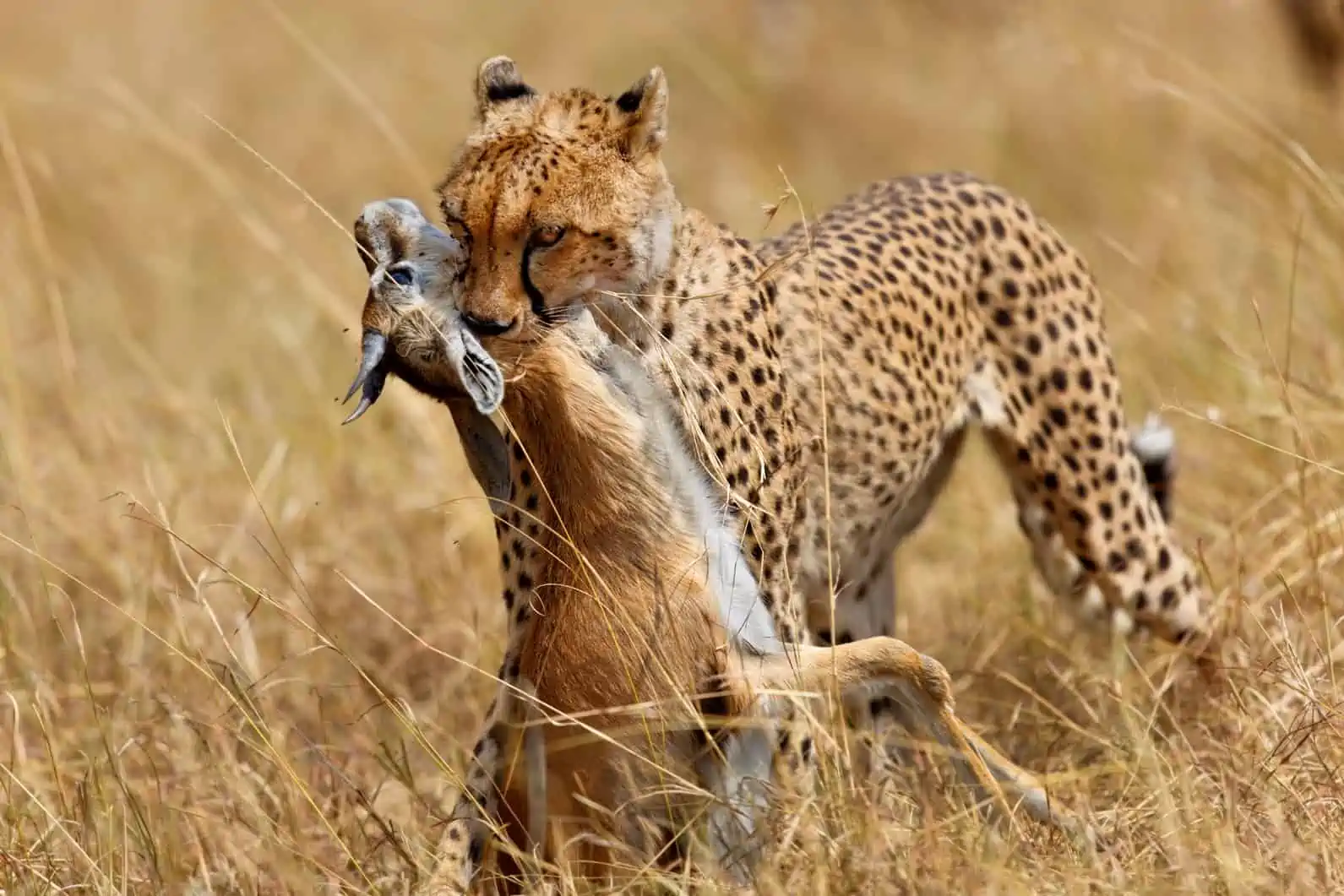
The Ngorongoro Crater is a collapsed volcanic caldera spanning roughly 260 square kilometers (around 100 square miles), hemmed in by sheer 600-meter-high forested walls. Because water is permanent year-round—fed by the Ngoitokitok spring, the Munge River, and the saline waters of Lake Magadi—most of the wildlife does not migrate. The caldera floor functions as an extraordinarily dense natural amphitheater supporting over 25,000 large mammals at any given moment. On a standard 6-hour game drive across the crater floor, animal sightings are virtually non-stop:
- Lions: The crater hosts one of the highest known predator densities in Africa, with multiple prides occupying well-defined territories around the Lerai Forest and the central open plains.
- Black Rhinos: Ngorongoro is one of the few places in East Africa where the critically endangered Eastern black rhino (Diceros bicornis michaeli) can still be spotted regularly in open grassland habitats without tracking through dense bush for days.
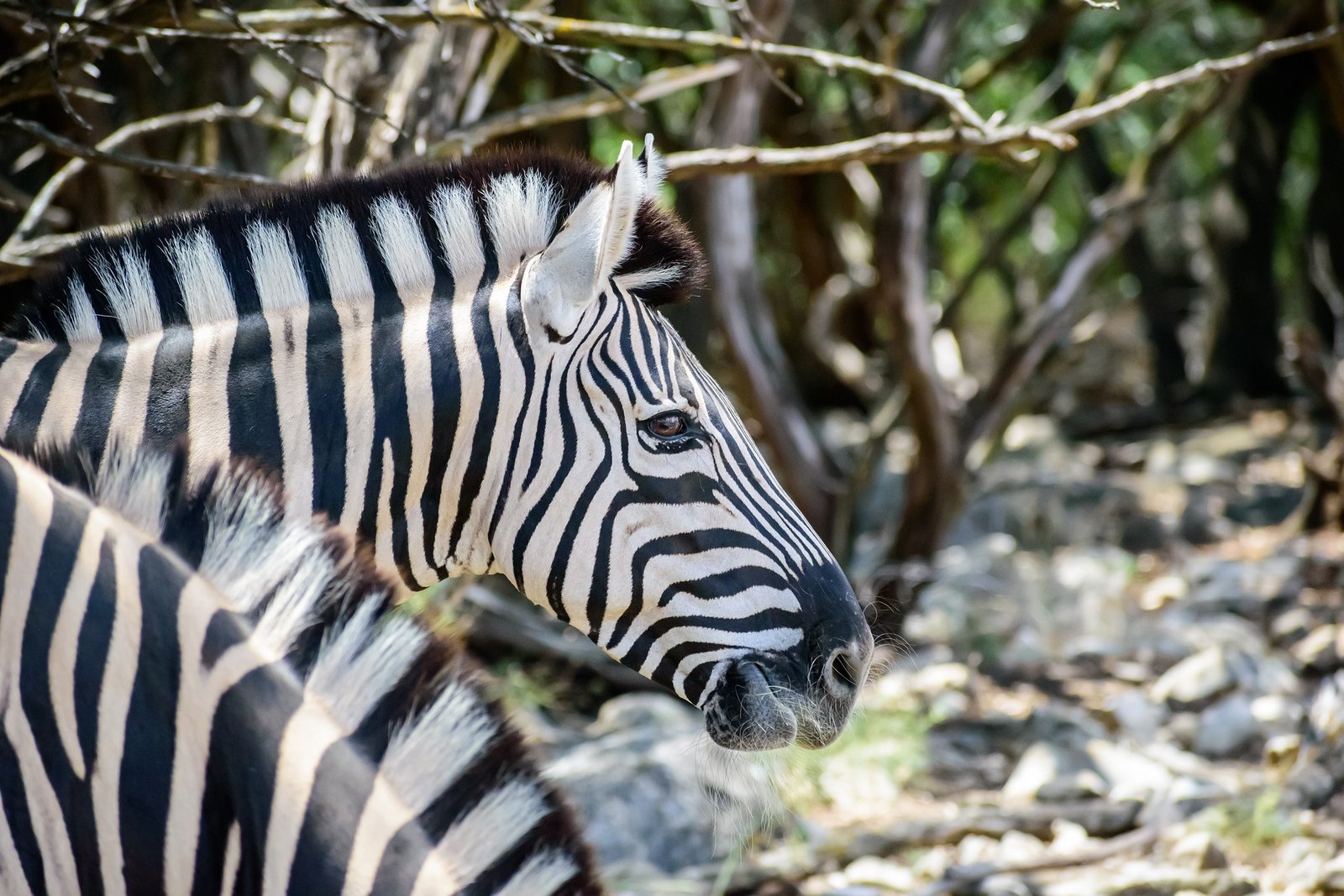
- Herbivore Herds: Thousands of blue wildebeest, plains zebras, grant’s gazelles, and cape buffalo remain resident on the short-grass plains, accompanied by massive bull elephants sporting ancient tusks in the Lerai ground-water forest.
- Spotted Hyenas: Hyena clans are exceptionally active on the crater floor, frequently hunting rather than merely scavenging, offering rare behavioral observations.
In contrast, the Serengeti represents untamed, boundary-less wilderness. Its magic lies in its infinite horizons, solitary granite kopjes, and the fluid, seasonal movements of the Great Migration. However, because animals roam over tens of thousands of square kilometers across changing river basins, wildlife tracking requires time, patience, and navigational skill. Predators in the Serengeti hold massive home ranges; a pride observed lounging on Moru Kopjes on Tuesday might roam miles north by Wednesday following moving water or migrating herds.
When you have 4 to 6 days in a custom vehicle, this tracking process is deeply rewarding. But when you only have 24 to 48 hours, the vastness of the Serengeti can work against you. You might spend three hours driving past empty acacia woodland searching for big cats, a scenario that rarely happens in the compact, animal-packed confines of Ngorongoro.
Head-to-Head Comparison: Ngorongoro Crater vs. Serengeti
The table below summarizes the key logistical and operational differences between both destinations specifically for short-duration travelers preparing for visits in 2026 and 2027.
| Evaluation Factor | Ngorongoro Crater | Serengeti National Park |
|---|---|---|
| Drive Time from Arusha | 3 to 3.5 hours (mostly tarmac) | 7 to 9 hours overland (corrugated dirt roads) |
| Minimum Viable Timeframe | 1 full day (or 1 night / 2 days) | 3 full days (unless using bush flights) |
| Single-Day Big Five Visibility | Exceptionally high (resident black rhinos, lions, buffalo) | Moderate to low (large distances between species) |
| Ecosystem Size | 260 sq km caldera floor (enclosed) | 14,763 sq km national park (unfenced) |
| Special Permit Restrictions | Strict 6-hour crater descent limit; vehicle fee applies | 24-hour park permit increments; transit permits required |
| Great Migration Presence | Short-grass plains of Ndutu overlap (Jan–March only) | Year-round presence moving across southern, central, western, & northern sectors |
| Vehicle Congestion | High around rare sightings (rhino/lion kills) | Low to moderate (spread across massive territories) |
| Estimated Entry Fees (Adult 2026-2027) | $70.80 NCAA entry + $295 per vehicle descent fee | $82.60 TANAPA peak entry + overnight concession fees |
Check Availability for Is Ngorongoro Crater Better Than Serengeti For A Short Safari? 2026-2027
Ready to compare dates, prices, and the best option for your group? Send the package name and travel month so the team can reply with a clear quote, availability, and what is included.

4 Day Serengeti And Ngorongoro Crater Safari With Private Guide 2026-2027
4 Day Serengeti and Ngorongoro Crater Safari with Private Guide is explained with current 2026-2027 planning, price, itinerary and booking information.
View package details
Tanzania Safari Packages With Serengeti And Ngorongoro Crater 2026-2027
Tanzania Safari Packages with Serengeti and Ngorongoro Crater is explained with current 2026-2027 planning, price, itinerary and booking information.
View package details
6 Day Ndutu Serengeti And Ngorongoro Safari With Private Guide 2026-2027
6 Day Ndutu Serengeti and Ngorongoro Safari with Private Guide is explained with current 2026-2027 planning, price, itinerary and booking information.
View package details
Best 3 Day Safari From Arusha To Serengeti And Ngorongoro 2026-2027
Best 3 Day Safari from Arusha to Serengeti and Ngorongoro is explained with current 2026-2027 planning, price, itinerary and booking information.
View package detailsTanzania Safari Packages Including Serengeti Tarangire And Ngorongoro
Tanzania Safari Packages Including Serengeti Tarangire and Ngorongoro is explained with current 2026-2027 planning, price, itinerary and booking information.
View package detailsTanzania Safari Tours For With Affordable Lodge Options 2026-2027
A practical booking blueprint for Tanzania safari tours in 2027 featuring comfortable, budget-conscious lodges across the Serengeti, Ngorongoro, and Tarangire.
View package details
7 Day Tanzania Great Migration Safari With Ngorongoro Crater 2026-2027
7 Day Tanzania Great Migration Safari with Ngorongoro Crater is explained with current 2026-2027 planning, price, itinerary and booking information.
View package details
Best Ngorongoro Crater Safari Tours With 6 Am Game Drive 2026-2027
Best Ngorongoro Crater Safari Tours with 6 AM Game Drive is explained with current 2026-2027 planning, price, itinerary and booking information.
View package details
Central Serengeti Vs Northern Which Is Better For Safari? 2026-2027
Central Serengeti vs Northern Serengeti: Which Is Better for Safari? is explained with current 2026-2027 planning, price, itinerary and booking information.
View package details3 Day Ndutu And Ngorongoro Crater Safari From Arusha 2026-2027
3 Day Ndutu and Ngorongoro Crater Safari from Arusha is explained with current 2026-2027 planning, price, itinerary and booking information.
View package details
Best Ngorongoro Crater Safari Packages From Moshi 2026-2027
Best Ngorongoro Crater Safari Packages from Moshi is explained with current 2026-2027 planning, price, itinerary and booking information.
View package details
Ngorongoro Crater And Lake Manyara Safari With Overnight Lodge 2026-2027
Ngorongoro Crater and Lake Manyara Safari with Overnight Lodge is explained with current 2026-2027 planning, price, itinerary and booking information.
View package detailsNo closely related package is available yet for this topic.

Our Guest Reviews, Currently Feedback from Clients in 2026
Reviews from different sources, including Google Business, Tripadvisor, other platforms, and social media.



