
A 5 day Ndutu and Serengeti calving season safari package is a specialized wildlife expedition designed around the annual wildebeest birthing spectacle in the southern Serengeti ecosystem between late December and late March. Priced typically between $1,850 and $2,450 per person for mid-range tented camps and $3,200 to $5,100+ per person for luxury mobile camps in 2026-2027, the standard circuit routes from Arusha or Kilimanjaro through the Ngorongoro Conservation Area, anchors for two to three nights directly in the Ndutu basin for off-road predator tracking, and integrates either central Seronera or the Ngorongoro Crater floor. The primary decision travelers must make is choosing between the Ngorongoro side of Ndutu, where certified guides can legally drive off-road to track cheetah hunts, and the Serengeti national park side, where strict track discipline applies.
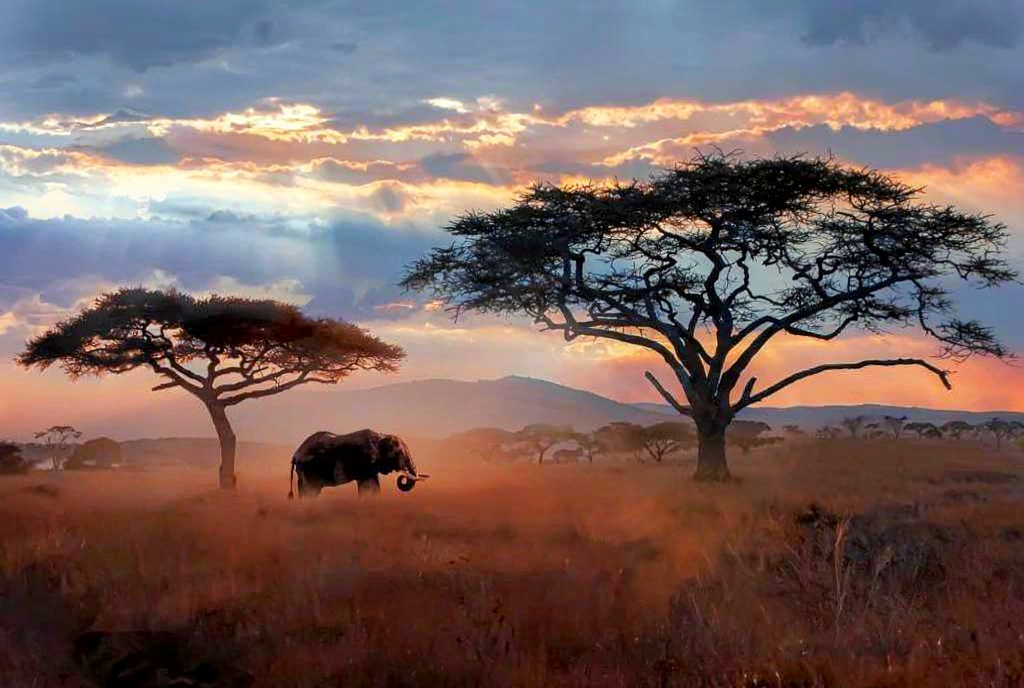

Expedition Snapshot: 5-Day Calving Season Parameters
Operating a safari in southern Serengeti during the calving season requires strict alignment between seasonal herd movements, park boundary regulations, and terrain-specific vehicle setups. Below is the operational baseline for our private and small-group departures scheduled for the 2026-2027 season.
| Trip Parameter | Standard Specification | Strategic Operator Note |
|---|---|---|
| Duration | 5 Days / 4 Nights | Optimal split: 2–3 nights Ndutu Basin + 1–2 nights Ngorongoro/Central Serengeti |
| Primary Region | Ndutu (NCAA/Southern Serengeti border) | High concentration of nutrient-rich volcanic soil supporting 1.5+ million herbivores |
| Peak Calving Window | Mid-January through Mid-March | Peak synchronous drop occurs during a 2–3 week window, usually in February |
| Vehicle Type | Custom 4×4 Safari Land Cruiser | Equipped with heavy-duty suspension, pop-up roof hatch, inverter, and high-lift jacks |
| Off-Road Driving | Permitted strictly on the NCAA side of Ndutu | Critical for close predator-prey documentation; banned inside Serengeti National Park |
| Mid-Range Cost (2026-2027) | $1,850 – $2,450 per person | Based on two travelers sharing a room/tent; includes all park permits and transit fees |
| Luxury Cost (2026-2027) | $3,200 – $5,100+ per person | Includes seasonal luxury mobile tented camps, premium bush meals, and domestic flights |
Why the 5-Day Duration Solves the Southern Serengeti Dilemma
When planning a journey around the Great Migration’s reproductive surge, travelers frequently face a logistics trap: booking either a rushed three-day dash that spends sixty percent of daylight on paved highways, or committing to an eight-day northern circuit that dilutes time away from the active calving herds. A five-day itinerary provides an exact operational balance. The drive from Arusha to the Ndutu plains spans approximately six hours across varying road surfaces, transitioning from smooth tarmac past Makuyuni into rough washboard gravel through the Ngorongoro Conservation Area. Allocating five days prevents driver fatigue and guarantees three full tracking sessions right when predatory interaction reaches peak intensity.
The Southern Plains operate under intense ecological volatility. Rain showers trigger massive, localized shifts of hundreds of thousands of wildebeest and zebra within a single twelve-hour cycle. If storm cells hit the Kusini area or the Gol Kopjes, the herds move rapidly toward fresh green flushes. A short safari risks missing these shifts entirely. With a five-day structure coordinated by Top Guide Adventures, our guides retain the scheduling latitude to run full-day game drives with packed bush breakfasts and lunches, tracking herds from early dawn until late afternoon without having to return prematurely to fixed lodge meal times.
Furthermore, five days allows smooth integration of contrasting topography. Rather than remaining isolated on flat plains, travelers spend time navigating the alkaline shorelines of Lake Ndutu and Lake Masek, penetrating the surrounding umbrella thorn (Vachellia tortilis) woodlands where leopards cache kills, and concluding with a steep descent into the Ngorongoro Crater. This structure diversifies sightings beyond wildebeest to encompass the resident black rhino, tree-climbing lions, and specialized marsh birdlife.
The Ndutu Ecosystem: Understanding the NCAA vs. TANAPA Boundary
One of the most consequential yet least discussed elements of a calving safari is the administrative partition dividing the Ndutu region. The Ndutu basin straddles an invisible border separating two distinct conservation authorities: the Ngorongoro Conservation Area Authority (NCAA) to the south and east, and Serengeti National Park under the Tanzania National Parks Authority (TANAPA) to the north and west. Where your camp sits and where your driver maneuvers determines exactly how you experience the migration.
On the NCAA sector of Ndutu, responsible off-road driving is legally permitted under strictly managed environmental guidelines. This regulation is indispensable for serious wildlife photographers and enthusiasts. When a female cheetah (Acinonyx jubatus) utilizes a low termite mound to survey a nursery herd of Thomson’s gazelles and newborn wildebeest, she often initiates hunts several hundred meters away from established dirt trails. On the NCAA side, your guide can maneuver carefully through the short grasses, positioning the Land Cruiser at an angle that respects animal behavior while affording clear, unobstructed visual angles. This dynamic is thoroughly documented in our breakdown of Ndutu calving season safari packages for January.
Conversely, crossing an unmarked boundary marker into TANAPA territory subjects the vehicle to uncompromising national park regulations: zero off-road maneuvering under penalty of severe fines and vehicle confiscation. If predatory activity occurs four hundred meters off the gravel track inside Serengeti National Park, you must observe it from distance using high-magnification binoculars or telephoto glass. A professionally orchestrated southern Serengeti migration safari with tented accommodation intentionally centers its daily tracking in the NCAA quadrant, taking tactical advantage of off-road permissions during the prime morning hours and reserving Serengeti transit for targeted movements between sectors.
Day-by-Day Tactical Field Itinerary
This 5-day operational plan is engineered to minimize unproductive transit while prioritizing the behavioral peak of the calving season. Timings and routing reflect field realities during the 2026-2027 green season months.
Day 1: Arusha to Ndutu Plains via the Ngorongoro Highlands
Departure commences from Arusha at 06:30 AM to bypass morning outbound traffic along the Dodoma Road. The journey cuts west through the Maasai Steppe, skirting the rift valley wall beneath Lake Manyara before climbing into the moist montane forests of the Ngorongoro Crater rim. Entry clearance at the NCAA Loduare Gate involves document verification, electronic card scanning, and tyre pressure checks suited for damp highland tracks.
Descending the western slope of the crater highlands, the montane foliage transitions abruptly into arid savannah scrub, finally unfolding onto the vast short-grass plains at Olduvai Gorge. Here, the landscape widens into the great volcanic soils deposited millions of years ago by the Crater Highlands volcanoes, specifically Sadiman and Olmoti. By mid-afternoon, our vehicles enter the Ndutu corridor. Your guide initiates the first game drive en route to camp, scanning the open meadows for nursery herds accompanied by watchful spotted hyenas (Crocuta crocuta). Arrival at camp occurs at dusk for a comprehensive field briefing, equipment battery charging via the camp generator or solar bank, and dinner.
Day 2: Full-Day Off-Road Tracking Across the Southern Short-Grass Plains
Wake-up call is at 05:30 AM with coffee and light provisions served in the mess tent. Vehicles roll out at 06:00 AM sharp, entering the plains at first light. Dawn is when big cats are most active before high ambient temperatures force them into shaded concealment. The primary objective is locating the mega-herds of Connochaetes taurinus (blue wildebeest) numbering anywhere from tens of thousands to hundreds of thousands across an uninterrupted visual horizon.
Between late morning and early afternoon, maternal wildebeest routinely drop their calves. An estimated 8,000 calves are born daily during the peak weeks of February. Our guides monitor heavily pregnant cows that separate themselves marginally from the dense herds. You will observe the biological efficiency of the species: a calf stands within three to seven minutes of birth and can run with the herd within an hour to evade cruising predators. A packed bush breakfast is served out of the back of the Land Cruiser near an acacia thicket or marsh edge, keeping you stationed near active hunting packs.
Midday tracking moves toward the granitic kopjes—ancient rock outcrops that jut out from the plains. These formations, such as the Moru or Gol Kopjes, act as prime lookout and resting platforms for lion prides. Prides in this sector feast heavily during the calving season; adult lions frequently demonstrate opportunistic kills during daylight hours, a marked shift from their standard nocturnal hunting routines. The afternoon game drive sweeps back toward the marsh basins, returning to camp before the 06:30 PM NCAA driving curfew.
Day 3: Lake Ndutu, Masek Marsh, and the Acacia Woodland Transition
Day three is dedicated to the ecological diversity flanking the seasonal soda lakes. Unlike the open open plains of Day 2, the terrain surrounding Lake Ndutu and Lake Masek consists of dense alkaline mud, stands of umbrella thorn, and thick marsh grasses fed by seasonal subterranean seeps. This habitat contrast supports species that avoid the hyper-exposed short-grass plains.
The morning begins with tracking around the Lake Ndutu perimeter. The soda lake attracts flocks of lesser and greater flamingos, along with specialized shorebirds, while the immediate shallows are frequented by bat-eared foxes, caracals, and serval cats actively hunting rodents in the low scrub. The surrounding woodlands shelter a healthy density of leopards (Panthera pardus). Guides scan the mid-tier boughs of mature acacia trees where leopards hoist gazelle and calf carcasses out of the reach of spotted hyena packs.
In the afternoon, the safari pivots across the hidden drainage lines of the Big Marsh. During dry spells in the wet season, the marsh retains essential surface water, creating intense predator-prey bottlenecks. We position our Land Cruisers alongside major game trails leading to water points, witnessing coordinated hunting maneuvers by cheetah coalitions who utilize the patchy woodland-plain interface for stealth stalking. Travelers looking for specific pricing models for these multi-day routes can evaluate our updated analysis on how much a private Ndutu calving safari costs for 2026-2027.
Cost Architecture: 2026-2027 Pricing Dynamics and Camp Categories
Booking a specialized 5-day package requires an understanding of how seasonal conservation fees, vehicle overhead, and camp structures compile into total trip costs. The calving season is classified as peak season across northern Tanzania, driving premium pricing on both logistics and luxury accommodation tiers.
Standard Operational Inclusions
- Private 4×4 Safari Land Cruiser with unlimited mileage and pop-up roof for photography
- Professional, English-speaking driver-guide certified in wildlife tracking and wilderness mechanics
- All entry fees for the Ngorongoro Conservation Area and Serengeti National Park
- NCAA vehicle transit fees and regional daily camping/concession tariffs
- Full-board accommodation across all 4 field nights, including specialized bush meals
- Unlimited purified drinking water stationed in the vehicle throughout the expedition
- Complimentary AMREF Flying Doctors emergency medical evacuation insurance
Seasonal camps in Ndutu command higher operational overhead than permanent lodges along the tarmac corridors. Mobile tented outfits disassemble, transport, and re-erect their complete luxury infrastructure twice annually—migrating between the Mara River crossings in the north and the southern plains in December. The logistics of trucking fresh produce, water, and fuel deep into an off-grid wilderness environment are reflected directly in the nightly pricing tiers.
For travelers planning their budgets for the 2026-2027 season, the table below outlines realistic cost projections depending on accommodation category and travel party size. To review seasonal month-to-month rate swings, consult our deep dive on February Ndutu wildebeest calving safari tours with prices.
| Safari Tier | Estimated Cost (Per Person sharing, 2 Pax) | Accommodating Camp Examples | Key Operational Attributes |
|---|---|---|---|
| Mid-Range Tented | $1,850 – $2,450 | Ndutu Safari Lodge, Kenzan Tented Camp, Ang’ata Migration Camp | En-suite canvas tents, solid solar power, bucket or hot-pipe showers, hearty communal dining |
| Luxury Mobile Tented | $3,200 – $4,600 | Sanctuary Kusini, Olakira Migration Camp, Nasikia Mobile Camp | Strategic positioning right inside herd corridors, 24/7 power, king bedding, gourmet tailored dining |
| Ultra-Luxury Boutique | $5,100 – $7,800+ | Mwiba Lodge, &Beyond Under Canvas, Singita Explore | Private concessions, night game drives permitted, walking safaris, dedicated spotting teams |
To examine wider itinerary models or explore comparative pricing frameworks across the entire ecosystem, consider our comprehensive assessment of Tanzania safari costs and Serengeti-Ngorongoro packages. In Part 2 of this operational guide, we will unpack the remaining logistical blueprint: Days 4 and 5 covering the Ngorongoro Crater descent, wet season navigation tactics, customized packing checklists, and specific game-drive protocols.
Check Availability for 5 Day Ndutu And Serengeti Calving Season Safari Packages 2026-2027
Ready to compare dates, prices, and the best option for your group? Send the package name and travel month so the team can reply with a clear quote, availability, and what is included.

6 Day Ndutu Serengeti And Ngorongoro Safari With Private Guide 2026-2027
6 Day Ndutu Serengeti and Ngorongoro Safari with Private Guide is explained with current 2026-2027 planning, price, itinerary and booking information.
View package details
4 Day Southern Serengeti Migration Safari With Tented Accommodation 2026-2027
4 Day Southern Serengeti Migration Safari with Tented Accommodation is explained with current 2026-2027 planning, price, itinerary and booking information.
View package details
6 Day Northern Serengeti Migration Safari With Luxury Tented Camps 2026-2027
6 Day Northern Serengeti Migration Safari with Luxury Tented Camps is explained with current 2026-2027 planning, price, itinerary and booking information.
View package details
5 Day Serengeti Safari Packages With Luxury Tented Camps 2026-2027
5 Day Serengeti Safari Packages with Luxury Tented Camps is explained with current 2026-2027 planning, price, itinerary and booking information.
View package details
4 Day Serengeti And Ngorongoro Crater Safari With Private Guide 2026-2027
4 Day Serengeti and Ngorongoro Crater Safari with Private Guide is explained with current 2026-2027 planning, price, itinerary and booking information.
View package details
Can A Serengeti Safari Guide Guarantee A River Crossing Sighting? 2026-2027
A detailed travel planning assessment clarifying why no ethical safari guide can guarantee a wildebeest river crossing in the Serengeti, detailing herd dynamics, crossing points, and field...
View package detailsCan I Book A Serengeti Safari With A Hot Air Balloon Experience? 2026-2027
Can I Book a Serengeti Safari with a Hot Air Balloon Experience? is explained with current 2026-2027 planning, price, itinerary and booking information.
View package details
Is Ngorongoro Crater Better Than Serengeti For A Short Safari? 2026-2027
Is Ngorongoro Crater Better Than Serengeti for a Short Safari? is explained with current 2026-2027 planning, price, itinerary and booking information.
View package details
Best Serengeti Safari Camps For Couples And Honeymooners 2026-2027
Best Serengeti Safari Camps for Couples and Honeymooners is explained with current 2026-2027 planning, price, itinerary and booking information.
View package detailsBest Serengeti Safari Packages With Two Nights Inside The Park 2026-2027
Best Serengeti Safari Packages with Two Nights Inside the Park is explained with current 2026-2027 planning, price, itinerary and booking information.
View package details
Central Serengeti Vs Northern Which Is Better For Safari? 2026-2027
Central Serengeti vs Northern Serengeti: Which Is Better for Safari? is explained with current 2026-2027 planning, price, itinerary and booking information.
View package details
Best Southern Serengeti Safari Tours For February Wildlife Photography
Best Southern Serengeti Safari Tours for February Wildlife Photography is explained with current 2026-2027 planning, price, itinerary and booking information.
View package detailsNo closely related package is available yet for this topic.

Our Guest Reviews, Currently Feedback from Clients in 2026
Reviews from different sources, including Google Business, Tripadvisor, other platforms, and social media.



