
The best Serengeti safari packages with two nights inside the park are 3-day fly-in safaris or 4-day overland itineraries that base travelers in Central Serengeti (Seronera) or near seasonal migration hot spots like the Mara River. These packages typically cost between $950 and $1,400 per person for small group-joining camping tours, $1,650 to $2,850 per person for mid-range tented lodges, and upward of $3,500 per person for luxury fly-in experiences for 2026-2027. The core decision hinges on logistics: choosing between a road journey through Ngorongoro Conservation Area or booking bush flights to maximize game drive hours directly inside the national park boundaries.

Why Two Consecutive Nights Inside the Serengeti Park Border Matter
Many introductory northern Tanzania safari itineraries cut corners by placing guests in accommodations situated outside the official boundary of Serengeti National Park—typically in Karatu, Mto wa Mbu, or peripheral wildlife management areas. While this tactic lowers package pricing by avoiding consecutive 24-hour national park concession fees and daily vehicle entry tariffs, it dramatically degrades your wildlife viewing. When you book a package featuring two full nights situated inside the park, your safari dynamics change completely.
Sleeping inside the park eliminates the exhausting, dust-choked gate clearances and multiple transit hours across the Ngorongoro Conservation Area transit road. Under Tanzania National Parks Authority (TANAPA) regulations, park permits operate strictly on a 24-hour cycle. Spending two nights directly inside the park grants you a clean, uninterrupted 48-hour wildlife window. This gives you one entire day where the safari vehicle never has to negotiate entry checkpoints, pay road tolls, or race against gate closure times before 6:00 PM.
Wildlife behavior on the open savannah follows temperature extremes. The best predator activity—prides of lions stalking buffalo, solitary leopards descending from umbrella thorn acacias, and cheetahs searching for gazelle fawns—occurs between 6:00 AM and 8:30 AM, and again after 4:30 PM. Lodging inside the park puts you at the heart of the action at first light. You can learn more about how time inside the ecosystem affects wildlife tracking in our detailed analysis on how many days should I spend in Serengeti National Park.
Gate Timing Alert for 2026-2027: Naabi Hill Gate strictly enforces departure curfews. Vehicles leaving the central valleys from outside accommodations routinely lose two to three prime morning hours just entering the park, arriving well after the morning hunting window closes and the big cats seek dense shade.
The Three Core Two-Night Serengeti Safari Package Frameworks
Packages designed around a two-night Serengeti stay are not uniform. Depending on your arrival hub (Arusha, Kilimanjaro International Airport, or direct from Zanzibar), total trip duration, and budget, reputable local operators organize these packages into three distinct route structures.
1. The 4-Day / 3-Night Overland Classic (Lake Manyara or Tarangire + 2 Nights Serengeti)
This is the standard overland balance for travelers wanting comprehensive wildlife diversity without taking domestic flights. Day one breaks the drive from Arusha with an afternoon game drive in either Tarangire National Park or Lake Manyara. Day two climbs the Great Rift Valley escarpment, skirts the rim of Ngorongoro Crater, and descends through Naabi Hill Gate into the Serengeti by early afternoon, checking into your camp for Night One.
Day three delivers a full, unhurried day of exploration across central river valleys like the Seronera, Retima Hippo Pool, or the Moru Kopjes, returning to the same camp for Night Two. Day four starts with an early-morning game drive before exiting back through Ngorongoro toward Arusha. This framework gives you two full nights in the wild, though it involves roughly 7 to 8 hours of road travel on days two and four.
2. The 3-Day Fly-In / Fly-Out Direct Serengeti Package
For visitors with tight schedules or travelers connecting straight from beach holidays, the fly-in format maximizes every waking hour on the plains. You board an early morning bush flight from Arusha Airport (ARK) or Abeid Amani Karume International Airport in Zanzibar (ZNZ), touching down directly on a bush airstrip—such as Seronera (SEU), Kogatende (KOG), or Ndutu (NDT)—by mid-morning.
Your private safari vehicle and licensed driver-guide meet you right beside the runway, loading your luggage and immediately starting your game drive. You spend two back-to-back nights deep in the reserve, maximizing your wildlife tracking before boarding a return bush flight on the afternoon of day three. For island hoppers, review our operational breakdown on visiting Serengeti National Park on a safari from Zanzibar to understand baggage allowances and flight routes.
3. The 5-Day Overland Circuit with Ngorongoro Crater Floor Finish
If you prefer driving but want to avoid long transit days, the 5-day package is the most comfortable overland route. It features two consecutive nights inside central or northern Serengeti, followed by an overnight stay on the rim of Ngorongoro Crater or in nearby Karatu. This layout removes the grueling rush of driving from the deep Serengeti all the way to Arusha in a single day, keeping game drives relaxed and pacing manageable for families and photographers.
Snapshot: Comparing Two-Night Serengeti Package Formats
| Package Type | Transit Method | Typical Duration | Serengeti Field Hours | Ideal Traveler |
|---|---|---|---|---|
| Overland Express | 4×4 Land Cruiser throughout | 3 to 4 Days | Approx. 18–22 hours | Budget-conscious, road-trip enthusiasts |
| Bush Fly-In | Cessna Caravan flight + 4×4 on arrival | 3 Days / 2 Nights | Approx. 24–28 hours | Photographers, Zanzibar beach tourists, short stays |
| Circuit Classic | 4×4 overland with staggered stops | 5 Days / 4 Nights | Approx. 20–24 hours | Families, first-time safari travelers, couples |
2026-2027 Price Structures and Package Cost Realities
Understanding the pricing for packages with two nights inside the park requires looking closely at mandatory conservation expenses. Unlike regional nature reserves elsewhere in Africa, entering and sleeping in the Serengeti involves complex layered statutory fees established by TANAPA and the Ngorongoro Conservation Area Authority (NCAA).
For every non-East African resident, statutory daily fees include:
- Park Entry Fee: $82.60 per adult per 24 hours (peak season) or $70.80 per adult (low/green season), including 18% VAT.
- Special Camping / Concession Fee: $70.80 per adult per night for staying in tented camps or lodges situated inside park borders during high season, or $35.40 per adult for budget public campsites.
- Ngorongoro Transit Fee: If traveling overland from Arusha, your vehicle incurs $82.60 per person transit fees in each direction simply to pass through the Ngorongoro Conservation Area road network.
- Vehicle Entry Fees: Approximately $41.30 per vehicle per day, scaled to commercial gross vehicle weight.
Because two nights inside the park trigger two full cycles of 24-hour conservation and concession billing, accommodation costs inside the boundary naturally reflect these mandatory fees. When reviewing tour packages for 2026 and 2027, practical price tiers break down as follows:
Realistic Pricing Tiers (Per Person Sharing, Double Occupancy)
- Budget Camping Packages (Public Campsites like Seronera Public): Expect $950 to $1,350 per person on a 3-day or 4-day overland run. You travel with a camp cook and sleep in dome tents using shared park ablution blocks. For more detail, check our guide on budget group joining Serengeti safaris.
- Mid-Range Tented Camps (En-suite Canvas Camps): Expect $1,650 to $2,850 per person for a private safari. These accommodations provide framed beds, en-suite plumbed bucket or pressure showers, flush toilets, and solar electricity. For deeper cost transparency, review how much a private Serengeti safari costs for two people.
- Luxury Fly-In Lodges & Mobile Tented Camps: Expect $3,500 to $6,200+ per person. These packages feature return flights, high-end seasonal migration camps or luxury lodges, premium wine and spirits, and specialized private guide services.
When assessing pricing quotes, always confirm whether the vehicle is private or shared. A cheaper per-person package often means you share a vehicle with six or seven other travelers, limiting luggage storage to strict soft-sided duffels and dividing wildlife viewing angles at prime sightings.
Where to Sleep Inside the Park: Central Seronera vs Seasonal Migration Sectors
Serengeti National Park spans 14,763 square kilometers (5,700 square miles). Packing two nights inside the boundary means you must pick a specific sector that matches the time of year you travel. Setting up base in the wrong valley can leave you spending six hours each day driving empty trails searching for herds that migrated months earlier.
Central Serengeti (The Seronera River Valley) – Year-Round Anchor
If your package is running during April to June, or October to December, or if your primary objective is seeing large predators regardless of migration herds, Central Serengeti is the undisputed benchmark. The Seronera River provides perennial water, anchoring steady populations of waterbuck, impala, topi, and zebra.
Because prey remains abundant, Central Serengeti hosts the highest concentration of big cats in Africa. Leopards patrol the riverine loops, while lion prides hold territory around distinctive granite kopjes like Maasai Kopjes and Simba Rocks. For travelers seeking an en-suite tent experience right here, read our guide on staying inside Serengeti National Park in a tent with a bathroom.
Northern Serengeti (Kogatende, Lamai Wedge, Mara River) – July to October
If you are traveling between mid-July and mid-October, your two-night package should ideally center on the Kogatende sector along the Mara River. Here, hundreds of thousands of blue wildebeest and zebras mass along the riverbanks, challenging Nile crocodiles and treacherous currents on their push toward the Maasai Mara.
A package with two nights based in Kogatende allows you to position your vehicle along designated crossing points without racing back to central camps before sundown. Keep in mind that driving to the far north from Arusha consumes roughly 11 hours on rough dirt roads. Consequently, northern packages should always utilize bush flights into Kogatende Airstrip (KOG), or be booked as a broader 6-day overland journey. Review our field planning guide on the Northern Serengeti migration safari near the Mara River to understand seasonal movements.
Southern Serengeti & Ndutu Plains – January to March
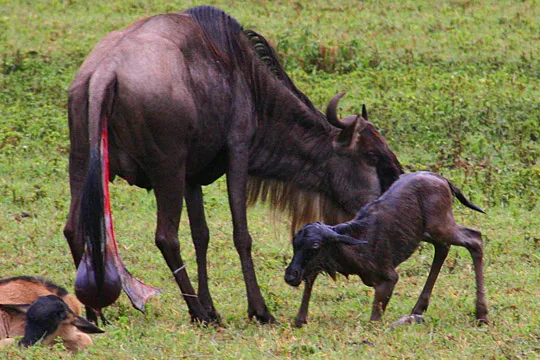
During the first three months of the year, the migration gathers on the nutrient-rich volcanic short-grass plains straddling the southern border of Serengeti National Park and the Ndutu sector of western Ngorongoro. This is calving season, when approximately 8,000 wildebeest calves are born each day.
The vast numbers of newborn calves attract high concentrations of cheetahs, hyenas, and lions, producing extraordinary predator-prey dynamics across open plains. If you book a two-night package during these months, ask your operator to reserve a semi-permanent migration camp in the Ndutu or Kusini areas rather than driving all the way north to Seronera.
Fly-In Packages vs Overland Driving: Evaluating Transit Fatigue and Time Value
The choice between driving overland or flying directly into the park shapes the rhythm of your safari. Neither approach is universally superior; each carries distinct trade-offs between trip expenses, scenic variety, and overall comfort.
The Overland Experience
Overland safari packages use custom four-wheel-drive safari vehicles—almost exclusively modified Toyota Land Cruisers fitted with pop-up roofs, heavy-duty suspension, dual spare tires, in-vehicle charging ports, and onboard mini-refrigerators. The overland drive from Arusha takes you through rural Maasai settlements, past farms on the lower slopes of Mount Meru, and across the Great Rift Valley escarpment with stunning views of Lake Manyara.
However, once you leave the paved highway at Karatu, the road shifts to corrugated gravel and volcanic dirt through the Ngorongoro Conservation Area. This section can cause significant travel fatigue, especially during dry months when fine dust penetrates vehicle door seals. It takes roughly 7 to 8 hours of rigorous driving to reach Central Serengeti from Arusha. For a realistic view of driving times, consult our breakdown on how far Serengeti National Park is from Arusha by road.
The Fly-In Experience
Bush flights are operated by reputable regional aviation companies such as Coastal Aviation, Auric Air, and Regional Air Services, utilizing dependable turboprop aircraft like the Cessna 208 Grand Caravan. Flying from Arusha or Kilimanjaro takes approximately 45 to 60 minutes, cutting out eight hours of dusty roads.
For visitors connecting from the Swahili Coast, scheduled flights leave Zanzibar in the early morning, make a brief refueling touch in Arusha, and touch down in the Serengeti by 10:30 AM. This lets you trade transit exhaustion for an extra half-day of game viewing. The main trade-off is aviation pricing: round-trip bush flights typically add $550 to $900 per person to your package cost for 2026-2027, and airlines strictly enforce luggage limits of 15 kilograms (33 pounds) per passenger in soft-sided, frameless duffel bags.
Permanent Lodges vs Intimate Tented Camps Inside the Boundary
Accommodations inside the park boundary generally divide into two operational styles: large permanent structures and eco-conscious tented camps. Understanding these differences helps align your accommodation with your expectations for wildlife immersion and comfort.
Check Availability for Best Serengeti Safari Packages With Two Nights Inside The Park 2026-2027
Ready to compare dates, prices, and the best option for your group? Send the package name and travel month so the team can reply with a clear quote, availability, and what is included.
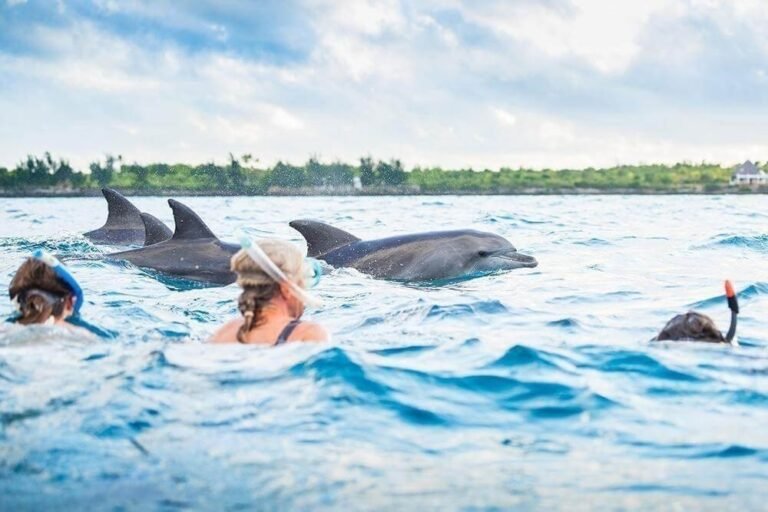
Can I Visit Serengeti National Park On A Safari From Zanzibar? 2026-2027
Can I Visit Serengeti National Park on a Safari from Zanzibar? is explained with current 2026-2027 planning, price, itinerary and booking information.
View package details
Can A Serengeti Safari Guide Guarantee A River Crossing Sighting? 2026-2027
A detailed travel planning assessment clarifying why no ethical safari guide can guarantee a wildebeest river crossing in the Serengeti, detailing herd dynamics, crossing points, and field...
View package details
Can I Book A Serengeti Safari With A Hot Air Balloon Experience? 2026-2027
Can I Book a Serengeti Safari with a Hot Air Balloon Experience? is explained with current 2026-2027 planning, price, itinerary and booking information.
View package details
Is Ngorongoro Crater Better Than Serengeti For A Short Safari? 2026-2027
Is Ngorongoro Crater Better Than Serengeti for a Short Safari? is explained with current 2026-2027 planning, price, itinerary and booking information.
View package details
Best Serengeti Safari Camps For Couples And Honeymooners 2026-2027
Best Serengeti Safari Camps for Couples and Honeymooners is explained with current 2026-2027 planning, price, itinerary and booking information.
View package details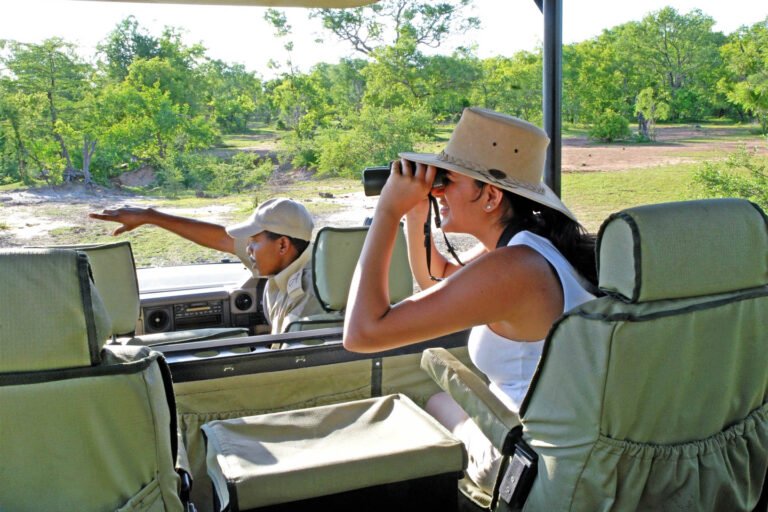
Central Serengeti Vs Northern Which Is Better For Safari? 2026-2027
Central Serengeti vs Northern Serengeti: Which Is Better for Safari? is explained with current 2026-2027 planning, price, itinerary and booking information.
View package details6 Day Ndutu Serengeti And Ngorongoro Safari With Private Guide 2026-2027
6 Day Ndutu Serengeti and Ngorongoro Safari with Private Guide is explained with current 2026-2027 planning, price, itinerary and booking information.
View package details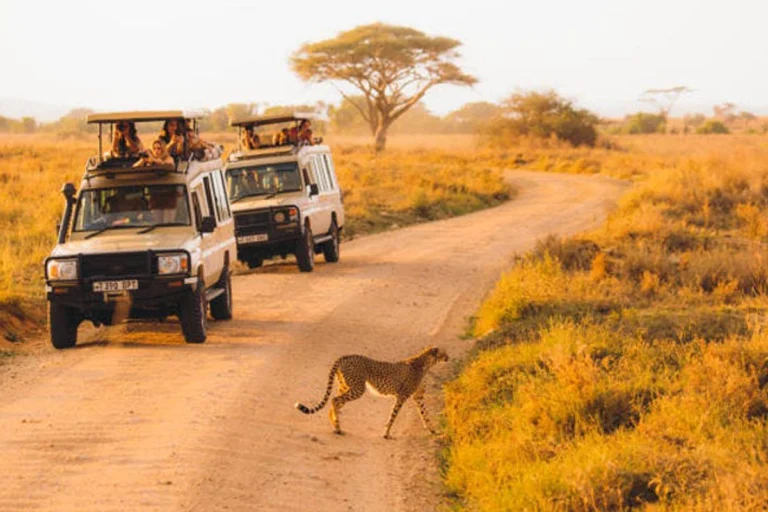
Best Southern Serengeti Safari Tours For February Wildlife Photography
Best Southern Serengeti Safari Tours for February Wildlife Photography is explained with current 2026-2027 planning, price, itinerary and booking information.
View package details
5 Day Ndutu And Serengeti Calving Season Safari Packages 2026-2027
5 Day Ndutu and Serengeti Calving Season Safari Packages is explained with current 2026-2027 planning, price, itinerary and booking information.
View package details
4 Day Southern Serengeti Migration Safari With Tented Accommodation 2026-2027
4 Day Southern Serengeti Migration Safari with Tented Accommodation is explained with current 2026-2027 planning, price, itinerary and booking information.
View package details
Best Serengeti Safari Camps Close To Wildebeest Migration Areas 2026-2027
Best Serengeti Safari Camps Close to Wildebeest Migration Areas is explained with current 2026-2027 planning, price, itinerary and booking information.
View package details
6 Day Northern Serengeti Migration Safari With Luxury Tented Camps 2026-2027
6 Day Northern Serengeti Migration Safari with Luxury Tented Camps is explained with current 2026-2027 planning, price, itinerary and booking information.
View package detailsNo closely related package is available yet for this topic.

Our Guest Reviews, Currently Feedback from Clients in 2026
Reviews from different sources, including Google Business, Tripadvisor, other platforms, and social media.



