
The wildebeest calving season in Ndutu officially starts in late December to early January, with the synchronized birthing surge peaking between late January and mid-March. Roughly 1.5 to 2 million wildebeest, accompanied by hundreds of thousands of zebras and gazelles, gather on the nutrient-dense short-grass plains spanning the southern Serengeti and northern Ngorongoro Conservation Area, producing an estimated 8,000 calves every day over a concentrated three-to-four-week window. For travelers scheduling a migration safari for 2026-2027, the primary decision revolves around balancing peak predator activity and newborn volume in February against lower camp occupancy and transitional movements in early January.
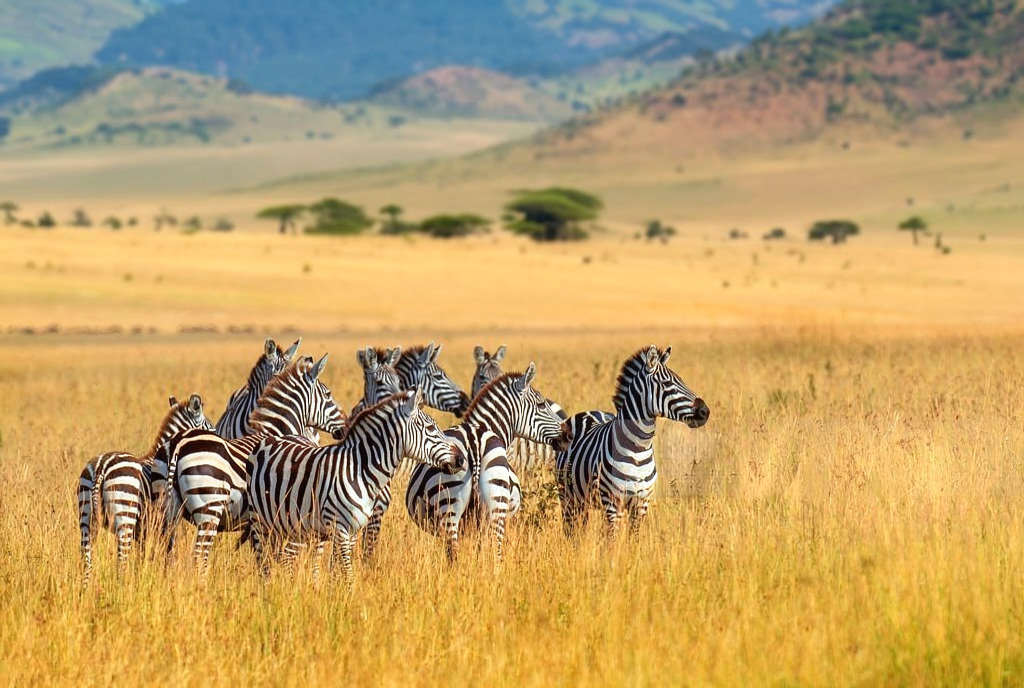

Timing a journey around the Great Migration requires looking beyond fixed calendar months. Wildlife does not operate on an arbitrary schedule; instead, the movement of herds across northern Tanzania is driven by rainfall patterns, soil minerals, and grazing pressure. When travelers ask precisely when does the wildebeest calving season start in Ndutu, they are often deciding between an early winter holiday trip or an intensive mid-February predator expedition.
Understanding this biological phenomenon requires examining the unique geographical layout of the Ndutu basin, the timing of the seasonal rains, and the trade-offs between different months. Below is a detailed exploration of the timeline, ecological catalysts, and practical safari logistics for visitors preparing for the 2026-2027 calving seasons.
The Exact Calving Timeline: Month-by-Month Breakdown
While the first pregnant females begin dropping calves as early as late December, the experience on the ground changes significantly from one week to the next. Deciding when to visit depends on whether your priority is witnessing the arrival of the massive mega-herds, catching the synchronized wave of births, or observing young calves gaining strength while surviving intense apex predator attacks.
| Phase / Period | Herd Location & Activity | Calving Intensity | Safari Conditions & Crowd Levels |
|---|---|---|---|
| Late December to Early January | Herds filter south from the Central Serengeti (Seronera) and Western Corridor into the southern plains. | Scattered, early births begin. Roughly 5% to 10% of total births occur. | Low dust, lush green scenery, moderate visitor numbers outside the Christmas and New Year peak. |
| Mid-January to Late January | Mass congregation across the Ndutu Basin, Kusini, Gol Kopjes, and Matiti Plains. | Noticeable escalation. Calves visible daily across the open horizons. | Steady buildup of mobile safari camps; excellent balance of game viewing and moderate track traffic. |
| February (Peak Calving) | Total concentration across Ndutu, Olduvai plains, and southern Serengeti borderlands. | Peak synchronized birth: up to 8,000 to 12,000 births per day over a 3-week span. | Highest concentration of big cats and hyenas; high camp occupancy; off-road driving permits fully utilized. |
| Early to Mid-March | Calves are mobile and running. Herds begin consolidating or shifting based on local water reserves. | Calving tapers off rapidly; focus shifts to nursery herds and young animals keeping pace. | Fewer vehicles in the southern sectors; transitioning weather as the long rains approach in late March. |
To plan your dates effectively, you can examine our dedicated itinerary guides, such as the best Ndutu calving season safari packages for January 2026-2027 or compare day-by-day itineraries via the February Ndutu wildebeest calving safari tours with prices.
Late December to Early January: The Influx and Early Arrivals
During late December, the southern Serengeti plains transform from dry expanses into lush pastures. Pregnant wildebeest begin moving southward in long ribbons from the central Seronera Valley and eastern woodlands. If the short rains (locally called Vuli) arrive on time in November, the grass contains ample moisture to support the energy demands of late-stage pregnancy.
By the first week of January, small nursery groups begin to form. Birthing at this stage is sporadic rather than overwhelming. You will spot newly born calves tottering beside their mothers, their light-brown coats contrasting against the darker adults. The primary benefit of traveling during this opening phase is that the landscape is quiet, mobile tented camps have just pitched their setups, and tracks are remarkably uncrowded compared to the frenzy of mid-February.
Late January to Late February: The Mass Synchronized Birthing Window
If you want to experience the defining spectacles of the East African wilderness, the window between January 25 and February 28 represents the true core of the calving season. Wildebeest employ a survival strategy known as predator swamping. Rather than trickling births across several months, hundreds of thousands of cows give birth within a roughly three-week window.
By flooding the open savanna with hundreds of thousands of calves simultaneously, the herds overwhelm resident carnivores. Lions, spotted hyenas, cheetahs, and leopards can only consume a fraction of the newborns, ensuring that the vast majority survive their most vulnerable early hours. A newborn wildebeest can stand within two to three minutes of leaving the womb and can run fast enough to keep pace with the herd within an hour.
During this peak, travelers can witness active births in open daylight. Wildebeest prefer giving birth between 08:30 and 12:00 on flat, short grass where approaching danger can be spotted miles away. Witnessing a female drop her calf, clean it vigorously, nudge it onto its hooves, and evade an opportunistic jackal all within forty minutes is common on game drives throughout this period. For travelers wondering about specific visual expectations, see our field breakdown on seeing baby wildebeest in Ndutu during February.
Early to Mid-March: Maturation, Herd Cohesion, and Movement
By the time March arrives, calving slows significantly. Most young animals are now several weeks old, athletic, and fully integrated into the marching columns. The landscape remains active, but the nature of the encounters shifts from birthing dramas to high-speed pursuits.
Cheetahs, which favor the open plains surrounding Lake Ndutu and Lake Masek, target these older, energetic calves, requiring tactical hunting maneuvers and long sprints. March also brings changes in cloud cover and atmospheric pressure as the long rains (Masika) prepare to settle over northern Tanzania. If you appreciate dramatic skies for landscape photography and fewer safari vehicles around sightings, early March is an overlooked alternative.
Critical Timing Rule for 2026-2027 Planning
Wildlife migrations cannot be guaranteed down to a single weekend. If your primary goal is seeing the sheer volume of newborns, schedule your trip between February 5 and February 25. If you are balancing multi-generational travel schedules or prefer serene plains with lower visitor density, target the second or third week of January.
What Triggers the Start of Calving in Ndutu?
The wildebeest do not choose Ndutu arbitrarily. Their arrival and the subsequent timing of their deliveries are dictated by an ancient ecological synergy involving the volcanic soils of the Great Rift Valley, precise mineral balances, and the onset of localized rainfall.
The Role of Ol Doinyo Lengai and Volcanic Ash
Ndutu is not a stand-alone national park; it is an ecological basin that straddles the invisible border separating the Serengeti National Park and the Ngorongoro Conservation Area. For millennia, prevailing winds have carried ash plumes from the active volcano Ol Doinyo Lengai (the Maasai “Mountain of God”) westward over these exact plains.
This volcanic deposition has infused the soil with critical minerals, most notably:
- Phosphorus: Indispensable for high-volume lactation, skeletal development in newborns, and rapid tissue repair for cows.
- Calcium: Vital for milk production; wildebeest milk is exceptionally rich in milk solids to promote rapid bone growth.
- Sodium and Potassium: Crucial electrolytes that help animals retain hydration under the intense equatorial sun.
Grass species growing in the central and northern Serengeti woodlands do not possess these mineral concentrations. If pregnant wildebeest were to give birth in the tall-grass savanna near the Mara River or central Seronera, the nutritional deficit would lead to weakened calves and high maternal mortality. By timing their gestation to conclude on the Ndutu volcanic plains, the herds secure the biochemical building blocks necessary for their offspring to survive.
The Influence of the Vuli Rains
The wildebeest gestation period is approximately eight to eight-and-a-half months, dating back to the chaotic mating rut that occurs around June and July in the western and northern corridors. While gestation has an internal biological clock, pregnant females can physiologically delay or accelerate birth by up to two weeks depending on the availability of green forage.
If the short rains fail or arrive late (shifting into late December rather than November), the herds will hold back in the transit woodlands of Kusini or the southern woodland fringe. They will not push deeply into the completely open plains until the rainfall has triggered a flush of short grasses, predominantly Digitaria macroblephara and Sporobolus species. Once those shoots emerge, the chemical stimulus of feeding on high-phosphorus green grass acts as a hormonal catalyst, initiating the synchronized drop of calves across the entire population.
Early Arrival vs. Peak Synchronized Birthing: Evaluating Your Window
Choosing between January and February is the most common strategic dilemma travelers encounter when booking a calving safari. Each window presents distinct advantages and specific operational trade-offs that affect your daily safari experience.
To explore this comparison in detail, review our guide comparing whether January or February is better for a Ndutu migration safari. Here is a summary of the direct trade-offs to weigh before booking your 2026-2027 itinerary:
Choosing January: The Fluid Movement Phase
January suits travelers who value wilderness exclusivity, dynamic landscape changes, and lower overall vehicle volume. In early to mid-January, you can observe the grand spectacle of the herds arriving in broad columns, navigating through the acacia woodlands and spreading out across the shallow alkaline waters of Lake Ndutu.
- Pros: Camp rates can be slightly lower before mid-January; fewer vehicles clustered around predator sightings; vibrant birdlife as migratory species settle in; dramatic emerald-green landscapes.
- Cons: Calving is sporadic during the first half of the month; if rains were late, herds might still be scattered further north or west in Moru and Kusini; occasional heavy showers can make certain black-cotton soil tracks slick.
Choosing February: The Unmatched Wildlife Spectacle
February is the unchallenged zenith of biological activity in the southern ecosystem. The plains are transformed into a living carpet of animals that stretches from horizon to horizon. If your dream is to witness the intensity of apex predators hunting openly during daylight hours, February is the ideal window.
- Pros: Guaranteed density of calves; highest frequency of predator hunts (lion, cheetah, leopard, spotted hyena, caracal); constant action that eliminates long search drives.
- Cons: Premium rates apply across all mobile tented camps and permanent lodges; top-tier camps book out 9 to 12 months in advance; popular sightings (such as a female cheetah on a termite mound) attract higher vehicle numbers.
The Geography of Ndutu: Bordering Serengeti and Ngorongoro
A frequent point of confusion for first-time visitors is understanding where Ndutu actually sits. Many travelers search for “Ndutu National Park,” but no such administrative entity exists. The Ndutu region is an ecological zone shared by two distinct conservation regimes: the Ngorongoro Conservation Area (NCA) and the Serengeti National Park (SENAPA).
This administrative division has major implications for how your game drives are conducted, what permits your operator must purchase, and where your guide is legally permitted to steer the vehicle.
| Feature / Rule | Ngorongoro Conservation Area Side (South) | Serengeti National Park Side (North) |
|---|---|---|
| Off-Road Driving | Permitted under strict ranger and conservation guidelines to observe hunts and vulnerable species. | Strictly Prohibited. Vehicles must remain on designated game tracks at all times. |
| Human Presence | Multiple-use area; Maasai pastoralists graze cattle in peripheral zones; traditional bomas exist outside core wildlife zones. | Strict nature reserve; no indigenous livestock or human settlement permitted. |
| Permit Fees & Structure | NCAA transit and conservation fees charged per 24-hour cycle, plus vehicle fees. | TANAPA park entry fees charged per 24 hours per adult/child. |
| Landscape Character | Acacia woodlands, Lake Ndutu, Lake Masek, shallow soda flats, rolling hills towards the crater highlands. | Vast, unbroken short-grass plains, classic kopjes (granite outcrops), expansive open horizons. |
Why Off-Road Driving in the NCA Sector is Critical
The ability to drive off designated tracks legally in the Ngorongoro sector of Ndutu is why professional wildlife photographers and seasoned safari-goers insist on staying here during the calving season. If an experienced guide spots a cheetah hunting out on the open short-grass plain, you can safely approach within an ethical, non-intrusive distance to view the interaction without being confined to a roadway half a mile away.
However, running a safari across these twin zones requires an experienced local operator who understands the permit mechanisms. If your lodge is situated on the NCAA side of the Ndutu border, your vehicle must hold active NCA permits. Venturing across the border into the southern Serengeti requires active TANAPA entry fees. Navigating these logistics requires accurate daily routing to avoid double-charging park entry fees on the same day.
To explore how custom route design impacts trip pricing, consider reading our detailed analysis on how much a private Ndutu calving safari costs for 2026-2027.
Predator Interactions and Hunting Pressure During the Calving Onset
The start of the wildebeest calving season in Ndutu triggers a dramatic concentration of large carnivores. Resident predators that endured the lean dry-season months suddenly find themselves surrounded by a massive supply of prey.
Every carnivore species adapts its hunting strategy to exploit the surge of vulnerable calves:
- Spotted Hyenas: Hyenas are the most prolific hunters on the southern plains, contrary to common misconceptions about scavenging. Operating individually or in coordinated clans, they patrol the perimeter of nursery herds in the early morning and late afternoon, targeting calves that wander slightly away from their mothers.
- Cheetahs: The open plains surrounding Lake Ndutu, Gol Kopjes, and the Matiti hillocks provide ideal territory for cheetahs. The short grass allows them to reach their top acceleration speeds without tripping over hidden obstacles. Mothers with cubs are frequently observed here, using the abundance of young gazelles and wildebeest to teach their adolescents how to hunt.
- Lions: Resident prides occupy the acacia woodlands along the drainage lines of Lake Ndutu and Lake Masek, as well as the shaded perimeters of the granite kopjes. Rather than running in open territory, lions use brush and drainage gullies to ambush migrating cows as they transition toward water sources at midday.
- Leopards: Found primarily in the dense acacia tortilis canopies bordering the seasonal rivers and marshlands around Lake Masek, leopards target both young calves and adult gazelles, hauling their kills into the branches away from hyenas.
Check Availability for When Does The Wildebeest Calving Season Start In Ndutu? 2026-2027
Ready to compare dates, prices, and the best option for your group? Send the package name and travel month so the team can reply with a clear quote, availability, and what is included.
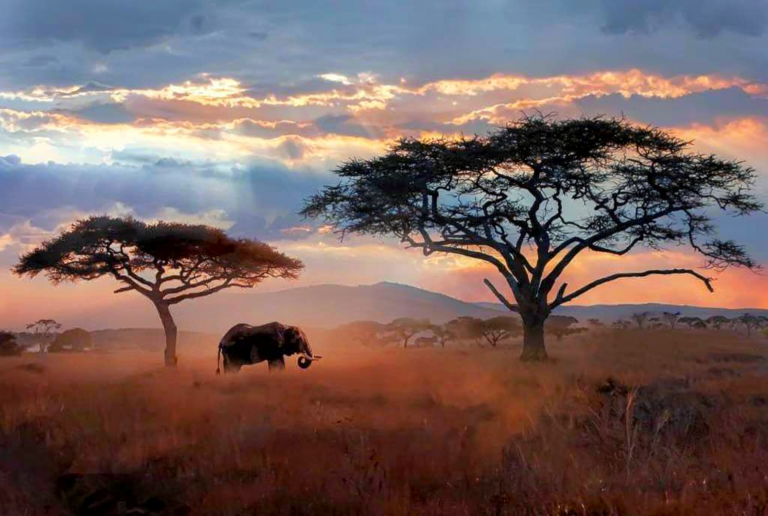
5 Day Ndutu And Serengeti Calving Season Safari Packages 2026-2027
5 Day Ndutu and Serengeti Calving Season Safari Packages is explained with current 2026-2027 planning, price, itinerary and booking information.
View package details
How Much Does A Private Ndutu Calving Safari Cost? 2026-2027
How Much Does a Private Ndutu Calving Safari Cost? is explained with current 2026-2027 planning, price, itinerary and booking information.
View package details
February Ndutu Wildebeest Calving Safari Tours With Prices 2026-2027
February 2027 Ndutu Wildebeest Calving Safari Tours with Prices is explained with current 2026-2027 planning, price, itinerary and booking information.
View package details
Best Ndutu Calving Season Safari Packages For January 2026-2027
Best Ndutu Calving Season Safari Packages for January 2027 is explained with current 2026-2027 planning, price, itinerary and booking information.
View package details
Can I See Baby Wildebeest In Ndutu During February? 2026-2027
Can I See Baby Wildebeest in Ndutu During February? is explained with current 2026-2027 planning, price, itinerary and booking information.
View package detailsNo closely related package is available yet for this topic.

Our Guest Reviews, Currently Feedback from Clients in 2026
Reviews from different sources, including Google Business, Tripadvisor, other platforms, and social media.



