
February is generally better for witnessing peak synchronized calving and intense predator interaction, while January is better for lower crowd density, greener landscapes, and slightly lower camp rates on a Ndutu migration safari. In February, an estimated 8,000 wildebeest calves are born daily across the short-grass plains of southern Serengeti and the Ngorongoro Conservation Area, drawing high concentrations of cheetahs, lions, and hyenas. However, if you prioritize open plains with fewer safari vehicles around sightings and want to catch the herds establishing their grazing grounds after the short rains, mid-to-late January is an exceptional alternative for planning your 2026-2027 itinerary.


January vs. February in Ndutu: Side-by-Side Planning Matrix
Choosing between January and February comes down to what you value most during your safari. Both months sit within the southern Serengeti green season, but wildlife behavior, herd distribution, visitor numbers, and lodge pricing shift noticeably between early January and late February. To evaluate options across best Ndutu calving season safari packages for January alongside peak late-winter options, look at the fundamental operational differences below.
| Safari Parameter | January Safari Experience | February Safari Experience |
|---|---|---|
| Primary Wildlife Focus | Herds settling on southern plains; early opportunistic calving late in the month; active cheetah hunting. | Synchronized birthing window; thousands of newborns daily; intense predator-prey encounters. |
| Wildebeest Presence | Scattered across Kusini, southern Serengeti, Gol Kopjes, and Lake Ndutu depending on early rains. | Heavily concentrated around Lake Ndutu, Lake Masek, and southern short-grass plains. |
| Vehicle Density | Moderate to low (higher right after New Year, drops sharply from January 7 until late month). | Peak seasonal traffic; high concentration of vehicles around prominent kills and calving events. |
| Typical Weather | Intermittent afternoon showers; lush green plains; clear skies after rainfall; warm days (27–29°C). | Drier spells common; short grass cropped down by massive grazing pressure; dusty trails between showers. |
| Photography Advantages | Clean backgrounds with rich green grass; dust-free atmosphere; dramatic cloud formations. | High-action wildlife behavior; predator interactions; vulnerable young calves learning to stand. |
| Camp Pricing Range | $450 – $850 per person per night (mid-range to premier mobile tented camps). | $550 – $1,100 per person per night (peak calving season surcharges often apply). |
| Booking Lead Time | 4 to 7 months in advance for choice mobile camps. | 7 to 11 months in advance for well-positioned accommodation. |
The Ndutu Ecosystem: Why the Herds Congregate Here
The Ndutu region straddles the unfenced border between the southwestern Serengeti National Park and the western edge of the Ngorongoro Conservation Area (NCA). This geographic placement creates a unique habitat that sets it apart from the rest of the Serengeti ecosystem. To understand why timing your visit in January or February matters, you have to look at the soil chemistry and topographical layout of these plains.
Volcanic ash erupted centuries ago from volcanoes in the Crater Highlands, including Oldoinyo Lengai, blanketed this region. The resulting topsoil is shallow, resting above an impermeable hardpan layer called calcrete. This calcrete layer prevents deep-rooted trees from taking hold, creating the vast short-grass plains characteristic of Ndutu, the Salei Plains, and Olduvai Gorge. More importantly, the grass species growing here—predominantly Digitaria macroblephara and Sporobolus marginatus—are extraordinarily rich in calcium, phosphorus, magnesium, and crude protein.
A female wildebeest requires immense mineral reserves during the final weeks of gestation and throughout initial lactation. Ordinary grasses cannot supply the necessary phosphorus and calcium to support healthy milk production without draining the mother’s bone minerals. Consequently, roughly 1.5 to 2 million wildebeest, accompanied by hundreds of thousands of zebras and Thomson’s gazelles, navigate toward this nutrient-dense pasture every single year as part of the Tanzania Great Migration cycle.
Because the lakes—Lake Ndutu and Lake Masek—are soda lakes fed by seasonal drainage channels, they hold alkaline water fringed with acacia woodlands. These woodlands offer vital shelter, shade, and alternative browsing for giraffes, elephants, and resident leopards. The open plains surrounding the lakes allow ungulates to graze with maximum visibility against ambush predators, creating the perfect biological nursery.
January in Ndutu: Herd Arrival, Green Grazing, and Lower Congestion
January marks the consolidation phase of the Great Migration in the southern plains. Depending on the timing and volume of the short rains in November and December, the migration moves southward from the central Seronera valley, Lobo, and the western corridor toward Kusini, Moru Kopjes, and the plains of Ndutu.
If you travel in early January, the herds are often fluid. Massive columns can be seen marching over the horizon, filling the undulating plains in dramatic ribbons of life. By mid-January, millions of animals have carpeted the plains from the southern edge of Seronera down to the base of the Ngorongoro Highlands. Travelers who book Tanzania safari group departures in January or choose private vehicle charters often note how expansive the landscape feels during this month.
Wildebeest Calving Signs in Late January
While February receives widespread attention for calving, birthing does not operate on a mechanical switch. Toward the third week of January, early births begin across the herd. Expectant mothers that conceived during the early days of the May-June rut begin dropping calves. While you may not encounter hundreds of births in a single morning as you might in mid-February, you regularly observe newborns taking their first steps, running within ten minutes of birth, and evading opportunistic black-backed jackals and spotted hyenas.
Lower Vehicle Congestion and Sightings Exclusivity
The single greatest operational advantage of January is lower safari vehicle traffic. After the holiday peak tapering off around January 5 or 6, a quiet window opens that lasts until roughly January 25. During this three-week period, luxury tented camps operate below maximum occupancy, and guiding conditions are calm. When your driver-guide locates a cheetah coalition surveying from a termite mound, you are likely to watch the scene develop with only one or two other vehicles nearby, rather than sharing the sight with fifteen vehicles.
For independent wildlife photographers, this lower density transforms the safari experience. You have time to maneuver for optimal light angles without feeling hurried by other drivers. To tailor an itinerary emphasizing this calmer window, you can combine southern Serengeti routes with a 3-day Ndutu and Ngorongoro Crater safari or extend into a comprehensive circuit across the northern parks.
February in Ndutu: Peak Calving Phenomenon and Predator Hunts
February is the biological climax of the southern migration cycle. Over an intense period of two to three weeks, usually spanning from late January through mid-February, the vast majority of pregnant wildebeest give birth simultaneously. This phenomenon is known as predator swamping.
By dropping approximately 400,000 to 500,000 calves within a condensed three-week window, the wildebeest overwhelm the local predator population’s capacity to consume them. Even though lions, spotted hyenas, cheetahs, leopards, and caracals feast constantly, the vast majority of the young calves survive their most vulnerable week. If you plan your travels around peak action, reviewing dedicated options like February Ndutu wildebeest calving safari tours gives you direct insight into camp positions and current vehicle logistics for 2026-2027.
The Reality of Calving Observation: Seeing a live birth requires patience and an ethical guide. Female wildebeest will pause or abort a birth attempt if surrounded closely by safari vehicles. Responsible operators keep a respectful distance, allowing the cow to complete labor undisturbed before approaching slowly to observe the newborn calf take its first tentative steps.
Cheetah and Lion Dynamics in February
The open, flat topography of Ndutu is prime cheetah hunting ground. Ndutu hosts one of Africa’s densest seasonal concentrations of cheetahs, as mother cheetahs use the high density of small calves and young gazelles to feed their cubs. Witnessing a high-speed sprint across the open plains is far more common in February than in nearly any other month in East Africa.
Resident lion prides, particularly those inhabiting the woodlands around Lake Masek and the kopjes flanking the plains, adapt their routines. Rather than embarking on long nocturnal stalks, they frequently take advantage of confused calves wandering into brush during daylight hours. Spotted hyenas patrol the plains in large packs, testing the defenses of adult wildebeest that form defensive circles around the vulnerable calves.
Crowd Realities and Vehicle Etiquette in February
The biological brilliance of February brings a distinct drawback: tourist volume. Photographers, filmmakers, naturalists, and international safari groups congregate heavily in Ndutu throughout February. While the southern plains are vast, sightings near primary tracks or accessible marshes frequently draw clusters of vehicles. Selecting an operator with expert guides who venture deeper into the NCA sectors or the hidden corners of the Kusini woodlands makes a significant difference in your trip quality. If you want private access and flexibility to avoid traffic, consider a private Serengeti migration safari with flexible game drive schedules.
Off-Road Driving and Land Management: NCA vs. Serengeti Boundaries
A crucial planning detail that many visitors overlook is that the Ndutu area is managed under two completely distinct legal jurisdictions. The boundary line runs right through the region, separating the Ngorongoro Conservation Area (NCA) from the Serengeti National Park (SENAPA). Understanding the rules of both authorities is essential for setting proper expectations regarding off-road driving.
Ngorongoro Conservation Area Rules
The southern portion of Ndutu, including Lake Ndutu luxury lodge and southern mobile camps, falls inside the NCA. Because the NCA is a multiple-use conservation area rather than a strictly zoned national park, controlled off-road driving has historically been permitted under specific guidelines set by the Ngorongoro Conservation Area Authority (NCAA). This allows safari guides to drive off the main tracks to follow cheetah hunts or approach sensitive calving events across the short-grass plains, provided they avoid wet marshes and sensitive drainage channels.
However, travelers should note that the NCAA actively reviews its off-road protocols. In high-season months like February, ranger patrols strictly penalize drivers who crowd animals, harass hunting predators, or damage fragile turf after heavy rain showers. Professional operators ensure their driver-guides follow ethical tracking guidelines so wildlife remains undisturbed.
Serengeti National Park Rules
Cross the invisible border north into the Serengeti National Park proper, managed by Tanzania National Parks (TANAPA), and the rules change completely. TANAPA enforces a strict zero-tolerance off-road driving policy. Vehicles must stay on designated gravel roads and cleared management tracks. If a predator makes a kill 200 meters out in the grass inside the Serengeti boundary, you must observe it with binoculars or a telephoto lens from the road.
When booking your safari with Top Guide Adventures, your guide balances your daily route between both sectors. Morning drives can be focused on the flexible open terrain of the NCA side, while afternoon game drives exploit the dramatic rocky kopjes and wooded river valleys on the Serengeti side. This dual-zone flexibility is one of the main reasons travelers prioritize a 4-day southern Serengeti migration safari with tented accommodation.
Rainfall, Grass Height, and Photography Conditions Compared
Both January and February fall into what local meteorologists describe as the short dry spell within the broader green season. However, localized precipitation shifts markedly between the two months, influencing the visual feel of your photographs and daily driving conditions.
January Photographic Aesthetics
In January, the ecosystem is vibrant and intensely green following the short rains of late November and December. The grass stands between 10 and 25 centimeters high, providing rich emerald backgrounds for portraits of zebra, wildebeest, and bird life. The air is generally free of dust because regular moisture binds the soil particles. Afternoon showers are common, typically arriving as dramatic, fast-moving thunderstorms that create striking cloudscapes before clearing into bright late-afternoon golden hours.
Photographers targeting broad environmental portraits rather than isolated predator action often favor January. Dust filters on camera bodies face less strain, and the contrast between dark wildebeest hides and emerald grasses makes for compelling imagery. Specialized photography expeditions often consult best Ndutu safari packages for wildlife photography to ensure proper vehicle modifications like beanbags, low-angle doors, and charging stations are secured early.
February Photography Dynamics
By mid-February, the continuous grazing pressure of nearly two million animals changes the landscape dramatically. The nutritious grasses are cropped down to just a few centimeters, resembling a manicured lawn. This short sward makes it much easier to spot stealthy predators like servals, caracals, and crouching cheetahs, as there is little vegetation to obscure them.
However, if February experiences an extended dry stretch, fine volcanic dust becomes a factor. Passing vehicles kick up pale plumes of powdery dust that settle on gear and lenses. The light can turn harsher during midday, requiring polarized filters or adjustments to exposure metering. Conversely, the dynamic action—predator chases, defensive herd formations, and vulnerable calves stumbling across dry flats—provides extraordinary behavioral photography opportunities that rarely happen in January.
Cost Logic, Camp Availability, and Booking Windows for 2026-2027
Pricing for a Ndutu migration safari reflects seasonal demand, park fees, and logistical support. The operational costs of running luxury mobile tented camps in remote sectors of the southern Serengeti are substantial, as all food, fresh water, fuel, and supplies must be trucked in across long distances from Arusha or Karatu.
Estimated Per-Person Daily Safari Costs (2026-2027)
- Mid-Range Tented Safari (January): $450 – $600 per person / day (based on 2 travelers sharing private 4×4)
- Mid-Range Tented Safari (February): $550 – $750 per person / day (peak calving season rates)
- Luxury / Premier Mobile Camp (January): $750 – $1,100 per person / day
- Luxury / Premier Mobile Camp (February): $950 – $1,500+ per person / day
- Group Joining Safari Departures: $280 – $420 per person / day (shared vehicle, tented/lodge basis)
Check Availability for Is January Or February Better For A Ndutu Migration Safari? 2026-2027
Ready to compare dates, prices, and the best option for your group? Send the package name and travel month so the team can reply with a clear quote, availability, and what is included.

February Ndutu Wildebeest Calving Safari Tours With Prices 2026-2027
February 2027 Ndutu Wildebeest Calving Safari Tours with Prices is explained with current 2026-2027 planning, price, itinerary and booking information.
View package details
Best Ndutu Calving Season Safari Packages For January 2026-2027
Best Ndutu Calving Season Safari Packages for January 2027 is explained with current 2026-2027 planning, price, itinerary and booking information.
View package details
7 Day Tanzania Great Migration Safari With Ngorongoro Crater 2026-2027
7 Day Tanzania Great Migration Safari with Ngorongoro Crater is explained with current 2026-2027 planning, price, itinerary and booking information.
View package details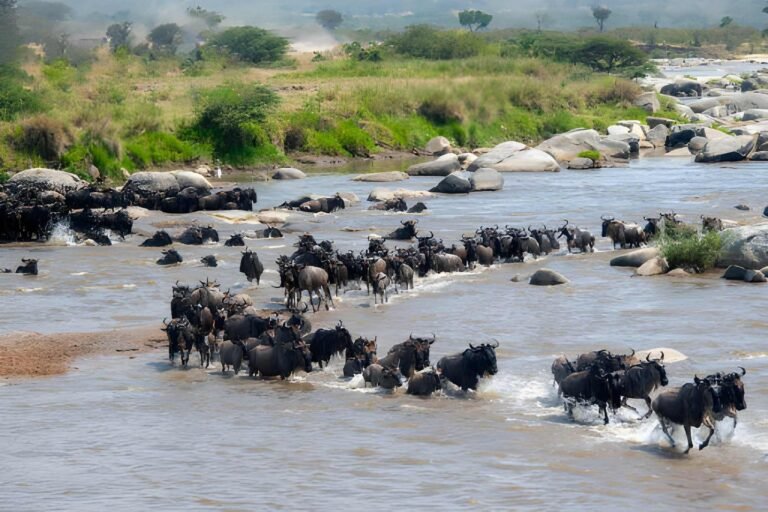
How Much Does A 5 Day Great Migration Safari Cost? 2026-2027
How Much Does a 5 Day Great Migration Safari Cost? is explained with current 2026-2027 planning, price, itinerary and booking information.
View package details
6 Day Ndutu Serengeti And Ngorongoro Safari With Private Guide 2026-2027
6 Day Ndutu Serengeti and Ngorongoro Safari with Private Guide is explained with current 2026-2027 planning, price, itinerary and booking information.
View package detailsNdutu Safari Packages With Early Morning Predator Game Drives 2026-2027
Ndutu Safari Packages with Early Morning Predator Game Drives is explained with current 2026-2027 planning, price, itinerary and booking information.
View package details
5 Day Ndutu And Serengeti Calving Season Safari Packages 2026-2027
5 Day Ndutu and Serengeti Calving Season Safari Packages is explained with current 2026-2027 planning, price, itinerary and booking information.
View package details
How Much Does A Private Ndutu Calving Safari Cost? 2026-2027
How Much Does a Private Ndutu Calving Safari Cost? is explained with current 2026-2027 planning, price, itinerary and booking information.
View package details
Best Ndutu Safari Packages For Wildlife Photography 2026-2027
A field-tested planning guide comparing the best Ndutu safari packages for wildlife photography in 2026-2027, detailing seasonal movements, off-road driving permits, customized vehicle...
View package details
4 Day Southern Serengeti Migration Safari With Tented Accommodation 2026-2027
4 Day Southern Serengeti Migration Safari with Tented Accommodation is explained with current 2026-2027 planning, price, itinerary and booking information.
View package details
3 Day Ndutu And Ngorongoro Crater Safari From Arusha 2026-2027
3 Day Ndutu and Ngorongoro Crater Safari from Arusha is explained with current 2026-2027 planning, price, itinerary and booking information.
View package details
Best Serengeti Safari Camps Close To Wildebeest Migration Areas 2026-2027
Best Serengeti Safari Camps Close to Wildebeest Migration Areas is explained with current 2026-2027 planning, price, itinerary and booking information.
View package detailsNo closely related package is available yet for this topic.

Our Guest Reviews, Currently Feedback from Clients in 2026
Reviews from different sources, including Google Business, Tripadvisor, other platforms, and social media.



