
Cheap flights to Tanzania require balancing ticket purchase timing, regional layovers, and airport selection across Kilimanjaro International Airport (JRO), Julius Nyerere International Airport in Dar es Salaam (DAR), or Abeid Amani Karume International Airport in Zanzibar (ZNZ). For travel in 2026-2027, standard return economy airfares generally range between $650 and $1,150 from Europe, $950 and $1,450 from North America, and $600 and $900 from the Middle East, with peak dry-season rates climbing 30% to 50% higher. Travelers secure the cheapest deals by booking 4 to 7 months in advance, leveraging connecting carriers such as Ethiopian Airlines, Qatar Airways, Turkish Airlines, or flydubai, or by booking long-haul flights into Nairobi (NBO) and connecting overland or via regional shuttle to northern Tanzania.


International Airfare Realities: How Much Do Flights to Tanzania Cost in 2026-2027?
Securing affordable air travel to East Africa requires understanding how international airline alliances construct multi-leg fares into developing hubs. Flights to Tanzania do not behave like high-volume North American or European domestic routes where discount carriers maintain relentless price competition. Instead, intercontinental capacity into Tanzania is tightly controlled by long-haul legacy carriers and Gulf-based transit airlines. Understanding expected price baselines prevents you from holding out for unrealistic promotions or overpaying out of fear of fare inflation.
For planning cycles heading into 2026 and 2027, airfare economics follow distinct structural tiers based on your point of origin, number of layovers, and seasonal travel dates. If you plan to pair your arrival with a Tanzania budget safari with group joining Serengeti and Ngorongoro tours, synchronizing your flight expense with operational departure dates is the single largest lever you possess to manage the total trip budget.
Standard Round-Trip Economy Flight Baselines (2026-2027 Planning Rates)
- From North America (JFK, IAD, ORD, ATL, LAX): Shoulder season fares settle between $950 and $1,250. Peak July-August and mid-December departures average $1,400 to $2,100.
- From the United Kingdom & Western Europe (LHR, AMS, CDG, FRA): Shoulder season rates range from $650 to $850. Peak dry season flights routinely climb to $1,100 to $1,450.
- From the Middle East (DXB, DOH): Standard rates run between $450 and $700 round-trip, offering some of the lowest dollar-per-mile ratios globally.
- From Australia & New Zealand (SYD, MEL, AKL): Two-stop itineraries typically trade within $1,350 to $2,200 depending on transit hubs in the Middle East or Southeast Asia.
Ticket costs fluctuate heavily around regional weather cycles. Tanzania experiences its primary dry season from late June through October, which coincides with the world-famous Great Migration river crossings in the northern wilderness. Airlines adjust algorithms to peak fare ceilings during this window. A secondary rate spike occurs between December 15 and January 10 for holiday travel. Conversely, long-haul fares drop to annual lows during the March-to-May long rains and the November short rains, when empty passenger loads prompt airlines to release lower economy booking codes (such as O, Q, and T classes).
Review our in-depth analysis on how much flights to Tanzania cost across international airfare classes to see historical seasonal trends and fare-class mechanics. The table below details what smart travelers should anticipate paying for 2026-2027 itineraries based on departure hub and point of entry.
| Departure Hub | Target Destination | Typical Low Season (Mar–May, Nov) | Typical High Season (Jul–Sep, Late Dec) | Common Carriers |
|---|---|---|---|---|
| London (LHR/LGW) | Kilimanjaro (JRO) | $720 – $880 | $1,150 – $1,550 | Ethiopian, Qatar, Kenya Airways |
| Amsterdam (AMS) | Kilimanjaro (JRO) | $790 – $940 | $1,250 – $1,650 | KLM (Direct), Turkish Airlines |
| New York (JFK) | Dar es Salaam (DAR) | $920 – $1,150 | $1,450 – $1,850 | EgyptAir, Turkish, Qatar, Emirates |
| Chicago (ORD) | Kilimanjaro (JRO) | $1,050 – $1,280 | $1,550 – $2,100 | Ethiopian, Qatar Airways, United+Partner |
| Frankfurt (FRA) | Zanzibar (ZNZ) | $680 – $850 | $1,100 – $1,400 | Discover Airlines, Ethiopian, flydubai |
| Dubai (DXB) | Dar es Salaam (DAR) | $380 – $520 | $620 – $850 | flydubai, Emirates, Air Tanzania |
Tanzania Gateway Selection: JRO, DAR, or ZNZ?
Choosing the correct point of entry into Tanzania dictates whether your budget flight deal remains a true bargain or unravels into an expensive logistical headache. Tanzania operates three primary international aviation gateways: Kilimanjaro International Airport (JRO), Julius Nyerere International Airport in Dar es Salaam (DAR), and Abeid Amani Karume International Airport in Zanzibar (ZNZ). Each serves distinct regions of the country and features completely different pricing dynamics governed by Tanzania Airports Authority operational frameworks.
Kilimanjaro International Airport (JRO): The Northern Circuit Shortcut
Located roughly 45 kilometers from Moshi and 50 kilometers from Arusha, Kilimanjaro International Airport is the operational center for Mount Kilimanjaro expeditions and northern wildlife itineraries including Serengeti National Park, Ngorongoro Crater, Lake Manyara, and Tarangire. Flying directly into JRO eliminates internal transfer days and saves the cost of domestic flights from coastal cities.
The trade-off is airfare pricing. JRO handles lower overall passenger volume than Dar es Salaam, and landing fees for international wide-body aircraft are substantial. As a result, direct tickets into JRO frequently carry a $150 to $350 premium compared to tickets terminating in Dar es Salaam. However, if your trip focuses solely on climbing Kilimanjaro or a northern safari, arriving at JRO saves you the cost of a domestic connection (which runs $80 to $180 one-way per traveler on local carriers like Precision Air or Air Tanzania), plus airport taxis, luggage surcharges, and lost travel time. For most trekking and northern circuit visitors, paying the extra amount on an international ticket to JRO represents a lower net cost and far less friction.
Julius Nyerere International Airport (DAR): The Cost-Efficiency Capital
Dar es Salaam is Tanzania’s commercial capital and its busiest aviation gateway. Because DAR handles heavy business traffic, cargo transport, and diplomatic travel year-round, international airlines fly larger aircraft here and operate with higher frequency. Major Middle Eastern, European, and African airlines compete vigorously for market share into DAR, making it the most reliable destination for snagging deep-discount promotional fares.
DAR is the logical airport choice if your holiday plan focuses on:
- Southern circuit safaris in Nyerere National Park (formerly Selous) or Ruaha National Park.
- Historical excursions along the Swahili Coast, including journeys up to Bagamoyo or down to the ancient trading ports of Kilwa Kisiwani.
- Budget-conscious travelers willing to take domestic coastal flights, passenger ferries, or domestic coach connections up to Arusha.
The core drawback of choosing DAR when your primary destination is the Serengeti or Mount Kilimanjaro is the transfer penalty. You must transit across town or re-check luggage on a domestic carrier to fly to Arusha Airport (ARK) or Kilimanjaro (JRO). If your international flight arrives late in the afternoon, you will incur an unplanned overnight hotel stay in Dar es Salaam, city taxi fares through notorious urban traffic, and domestic baggage fees that quickly eliminate whatever savings you secured on the international ticket.
Abeid Amani Karume International Airport (ZNZ): The Leisure Island Route
Zanzibar’s international terminal has expanded rapidly, transforming the spice island into a direct long-haul leisure arrival point. European charter operations, leisure carriers such as Discover Airlines (Lufthansa Group), Neos, and scheduled network carriers including Qatar Airways, flydubai, and Ethiopian Airlines land directly on the island.
Landing in Zanzibar first is cost-effective if you plan a combined beach-and-bush holiday. Travelers often book an open-jaw (multi-city) ticket: flying into Kilimanjaro (JRO) to complete their safari or mountain trek with TOP GUIDE ADVENTURES, taking an inexpensive domestic flight to Zanzibar for coastal relaxation, and flying home directly from Zanzibar (ZNZ). This open-jaw strategy prevents backtracking to the northern circuit and saves at least one full internal transit day and $120 to $200 in domestic transport expenses. Before committing, cross-reference your broad routing using our dedicated guide to flights to Tanzania ticket prices, airlines, and booking tactics.
Check Availability for Cheap Flights To Tanzania: Best Airlines, Routes & Ticket Deals 2026-2027
Ready to compare dates, prices, and the best option for your group? Send the package name and travel month so the team can reply with a clear quote, availability, and what is included.

Direct Flights To Tanzania: Airlines, Airports & Ticket Prices 2026-2027
Direct Flights to Tanzania: Airlines, Airports & Ticket Prices is explained with current 2026-2027 planning, price, itinerary and booking information.
View package details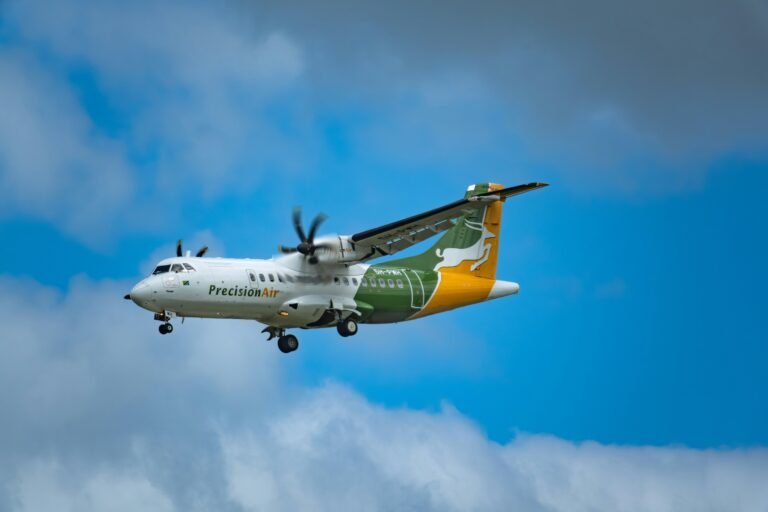
Flights To Tanzania : Ticket Prices, Airlines & Booking Guide 2026-2027
Flights to Tanzania 2027: Ticket Prices, Airlines & Booking Guide is explained with current 2026-2027 planning, price, itinerary and booking information.
View package details
How To Book Cheap Flights To Tanzania In 2026-2027
How to Book Cheap Flights to Tanzania in 2027 is explained with current 2026-2027 planning, price, itinerary and booking information.
View package detailsRound-Trip Flights To Tanzania: Return Ticket Prices & Booking Tips 2026-2027
Round-Trip Flights to Tanzania: Return Ticket Prices & Booking Tips is explained with current 2026-2027 planning, price, itinerary and booking information.
View package details
One-Way Flights To Tanzania: Prices And Airlines 2026-2027
One-Way Flights to Tanzania: Prices and Airlines is explained with current 2026-2027 planning, price, itinerary and booking information.
View package detailsNo closely related package is available yet for this topic.

Our Guest Reviews, Currently Feedback from Clients in 2026
Reviews from different sources, including Google Business, Tripadvisor, other platforms, and social media.