
Booking cheap flights to Tanzania in 2027 requires targeting major entry hubs like Dar es Salaam (DAR) or Kilimanjaro (JRO) 6 to 9 months in advance, leveraging secondary Middle Eastern or African transit hubs, and avoiding peak safari surges in July, August, and late December. Economy return fares typically range between $750 and $1,150 from Europe and $950 and $1,450 from North America during shoulder months (March to May and October to November), compared to peak rates that easily exceed $1,800 to $2,300. The single biggest structural saving comes from flying into Dar es Salaam or Nairobi and linking onwards via regional carrier rather than booking direct single-ticket long-hauls into Kilimanjaro during the high migration season.


Realistic Airfare Costs to Tanzania for 2026-2027
Planning international flights to East Africa demands early economic realism. International long-haul aviation operates on dynamic capacity pricing, and flights landing at Tanzania's primary civil gateways are structurally more expensive than flights into major continental hubs like Johannesburg, Addis Ababa, or Cairo. If you are examining international airfare prices to Tanzania for 2026-2027, you must calibrate your budget according to departure zones, seasonality, and final touchdown points.
A common mistake international travelers make is expecting last-minute seat dumping. Unlike mass package-holiday corridors in the Mediterranean or the Caribbean, scheduled flights into Tanzania cater to a mix of high-spending safari adventurers, humanitarian workers, and regional business operators. Commercial seats rarely get heavily discounted in the final four weeks before departure. Instead, inventory yields ratchet strictly upward as departure nears.
Below is a realistic baseline breakdown of expected economy return fares for the 2026 and 2027 calendar years across primary origin regions, differentiating between standard shoulder periods and the intense high safari periods.
| Origin Departure Zone | Shoulder Season (Apr–May, Oct–Nov) | Peak Season (Jul–Aug, Mid-Dec–Jan) | Primary Transit Routing |
|---|---|---|---|
| United States (East Coast) | $950 – $1,250 | $1,550 – $2,100 | Doha (Qatar), Addis Ababa (Ethiopian), Amsterdam (KLM) |
| United States (West Coast) | $1,150 – $1,450 | $1,750 – $2,400 | Istanbul (Turkish), Doha (Qatar), Dubai (Emirates) |
| United Kingdom & Western Europe | $750 – $980 | $1,200 – $1,750 | Amsterdam (KLM), Frankfurt (Eurowings Discover), Addis Ababa (Ethiopian) |
| Canada (YUL / YYZ / YVR) | $1,050 – $1,380 | $1,650 – $2,250 | Frankfurt (Lufthansa), Doha (Qatar), Addis Ababa (Ethiopian) |
| Australia & New Zealand | $1,350 – $1,700 | $1,900 – $2,600 | Dubai (Emirates), Doha (Qatar) |
Understanding these figures allows you to evaluate fare alerts accurately. If you identify a ticket from London or Frankfurt to Kilimanjaro under $800, or from New York to Dar es Salaam under $950 for 2027 travel dates, you are viewing an actionable lower-decile fare. Waiting for these tickets to drop to $500 is historically unrealistic and risks forfeiting the best travel dates for your ground itinerary.
Choosing Your Entry Point: Kilimanjaro (JRO) vs. Dar es Salaam (DAR) vs. Zanzibar (ZNZ)
Tanzania possesses three primary international arrival points for commercial tourism, alongside an important regional feeder in the north. Picking the wrong airport solely because the headline flight price is $80 cheaper often costs you hundreds of dollars more in ground transfers, internal flights, and lost vacation days. Evaluating cheap flights to Tanzania across specific routes and airlines requires matching your flight ticket directly against your destination itinerary.
1. Kilimanjaro International Airport (JRO)
Located roughly halfway between Arusha and Moshi, JRO is the premier northern staging ground. If your primary objective is climbing Mount Kilimanjaro, summiting Mount Meru, or embarking on a Northern Circuit wildlife safari through the Serengeti, Ngorongoro Crater, and Tarangire, landing at JRO saves you significant transit time.
- The Advantage: You clear customs only 45 minutes from Moshi or Arusha. You can sleep in your lodge the night of arrival and begin your trek or safari the following morning without domestic flight delays.
- The Pricing Trade-off: JRO attracts fewer international carriers than Dar es Salaam. Long-haul direct capacity is primarily dominated by KLM, Ethiopian Airlines, Qatar Airways, and Flydubai. Consequently, international tickets into JRO frequently command a $150 to $300 premium over tickets into DAR.
2. Julius Nyerere International Airport, Dar es Salaam (DAR)
DAR is Tanzania's commercial capital and highest-volume aviation terminal. It accommodates a vast roster of global airlines, including Turkish Airlines, Emirates, Qatar Airways, EgyptAir, Air France, and Ethiopian Airlines.
- The Advantage: Tickets into DAR are consistently the cheapest international arrivals into Tanzania. High airline competition keeps baseline fares competitive throughout the year.
- The Pricing Trade-off: DAR is located hundreds of kilometers south of the popular northern safari parks. If you plan to hike Kilimanjaro or explore the Serengeti, landing at DAR requires booking a domestic flight (Precision Air, Air Tanzania, or Auric Air) up to JRO or Arusha Airport (ARK). A return domestic ticket typically costs between $140 and $220. If the international ticket savings into DAR do not exceed the cost of the domestic connector plus your transit luggage fees, landing in Dar es Salaam creates extra hassle without genuine financial savings.
3. Abeid Amani Karume International Airport, Zanzibar (ZNZ)
Zanzibar's newly modernised international terminal has become a major destination for European scheduled and charter services. Carriers such as Qatar Airways, Flydubai, Turkish Airlines, and seasonal European leisure airlines operate direct routes onto the archipelago.
- The Advantage: Perfect for beach-first itineraries, diving trips, and travelers concluding a trip with ocean relaxation.
- The Pricing Trade-off: While often well-priced from European gateways, beginning a safari from Zanzibar involves crossing the sea. If your goal is a northern wildlife itinerary, you will still need to purchase regional hopper tickets up to Arusha or direct bush flights into the Serengeti. For comprehensive trip arrangements, review our guidance on the best flights connecting safari parks with Zanzibar holidays.
Optimal Booking Windows and Seasonal Pricing Patterns for 2027
Airline seat inventory for scheduled long-haul carriers generally loads into global distribution systems (GDS) 330 to 355 days prior to departure. For travelers planning journeys in 2027, timing your purchase requires understanding how airline revenue management algorithms treat African routes.
Unlike domestic short-haul flights where the optimal booking window is frequently 6 to 8 weeks before travel, long-haul flights to Tanzania follow an elongated pricing arc. Because international capacity is finite, the lowest fare classes (typically designated as bucket codes like O, Q, N, or T in economy) sell out first. Once those inventory tiers are filled, the algorithm automatically moves availability into higher fare buckets (such as K, L, M, or B), driving prices up even if dozens of physical seats remain unsold.
Timeline Strategy for 2027 Departures
- 10 to 11 Months Out (Initial Release Window): If you are traveling during the extreme peak of the Great Migration (July–August 2027) or Christmas/New Year 2026-2027, start tracking fares the moment flights publish. Promotional launch seats often surface briefly here before algorithmic yield-management notices surging seasonal demand.
- 6 to 8 Months Out (The Sweet Spot): For the majority of travelers targeting dry-season wildlife viewing or Kilimanjaro trekking, this window provides the ideal balance between seat inventory and route stability. Airlines adjust their seasonal schedules roughly seven months in advance, cementing aircraft types and frequencies.
- 3 to 5 Months Out (The Escalation Window): At this juncture, entry-level discount economy seats are generally exhausted for high-demand dates. You will rarely find low-tier promotional tickets now unless an airline introduces an unexpected new frequency or route.
- Under 60 Days (The High-Penalty Zone): Booking Tanzania airfare within two months of travel during high or shoulder seasons routinely adds a 35% to 70% price premium. Last-minute inventory drops on East African routes are extremely rare.
Tanzania's seasonal weather cycles dictate aviation pricing just as rigorously as they dictate animal movements and mountain trail conditions. To align your budget, note how flight prices synchronize with the safari calendar:
The long dry season runs from late June through October. This coincides with summer school holidays in North America and Europe, producing the highest passenger loads of the year. Concurrently, the short dry season from January through early March draws substantial crowds seeking peak Kilimanjaro climbing conditions and the southern Serengeti calving season. Airfares during these combined months remain firm.
Conversely, the "Green Season" or long rains span late March, April, and May. While some remote camps close and certain tracks become muddy, this season offers the absolute lowest flight pricing of the calendar year. Airlines regularly launch discounted seat promotions targeting March to May travel. If you book an excursion across the central Serengeti, Ngorongoro, and Lake Manyara during this period, you will encounter lush landscapes, zero vehicle congestion, and international flights that sit hundreds of dollars below their July counterparts.
A secondary shoulder period occurs in November through early December. This window features short, localized afternoon showers, excellent birding, clear air, and heavily discounted flight inventory before the holiday rush hits mid-December.
Major Airline Hubs and Routing Strategies That Lower International Ticket Prices
Because there are currently no nonstop commercial flights between North America and Tanzania, and only limited direct flights from Western Europe, your flight path will necessarily hinge on connecting through a global aviation hub. How you position that connection determines your total ticket cost and overall fatigue before your expedition begins.
1. The Middle Eastern Transit Hubs: Doha (DOH) & Dubai (DXB)
Carriers based in the Gulf provide extensive global connectivity into Tanzania. Qatar Airways operates dependable service into both Kilimanjaro (JRO) and Dar es Salaam (DAR), as well as Zanzibar (ZNZ). By routing through Hamad International Airport in Doha, passengers departing from secondary and tertiary cities across North America, Europe, and Asia can reach Tanzania on a single integrated booking.
Emirates services Dar es Salaam with widebody aircraft and routes passengers directly into Kilimanjaro and Zanzibar via its regional partner carrier, Flydubai. The Gulf carriers operate high passenger volumes, which often results in aggressive economy pricing during competitive sales windows. The primary drawback is total journey duration: connecting via the Gulf from North America adds notable flight hours compared to transiting through Europe or North Africa.
2. The East African Pioneer: Ethiopian Airlines via Addis Ababa (ADD)
Ethiopian Airlines remains an economical and efficient option for travelers flying into Tanzania. Operating out of Bole International Airport in Addis Ababa, the carrier serves all three primary Tanzanian gateways: JRO, DAR, and ZNZ. Addis Ababa sits directly north of Tanzania, meaning your overall flight routing is geographically logical with minimal backtracking.
Ethiopian often undercuts European and Middle Eastern legacy carriers by $150 to $350 on round-trip itineraries. Furthermore, their modern widebody fleet on transatlantic sectors (Boeing 787s and Airbus A350s) offers solid service standards. When assessing Ethiopian Airlines, watch your connection layover in Addis Ababa carefully: choose layovers between 2 and 4 hours. Layovers under 90 minutes carry elevated luggage-misconnection risks during peak terminal rushes, while extended layovers require spending hours in an occasionally crowded transit area.
3. The European Direct Gateways: Amsterdam (AMS) & Frankfurt (FRA)
For European travelers and North American travelers seeking the fastest route with minimal connections, KLM Royal Dutch Airlines via Amsterdam Schiphol is the legacy standard. KLM flies direct triangular routes (AMS – JRO – DAR – AMS), allowing travelers to land at Kilimanjaro in the evening, ready to transfer directly to their base in Arusha or Moshi.
Eurowings Discover (the leisure wing of the Lufthansa Group) operates flights from Frankfurt connecting directly into Kilimanjaro and Zanzibar. While these European routings save transit time and reduce jet lag, they consistently command the highest baseline prices in the market. You are paying a premium for convenient schedules, reliable luggage handling, and direct operational corridors.
4. The North African Route: Turkish Airlines via Istanbul (IST)
Turkish Airlines connects more international destinations than any other carrier and routes regularly into both Dar es Salaam and Zanzibar, alongside historical services to Kilimanjaro. Istanbul Airport provides an efficient, ultra-modern transfer point. Turkish Airlines frequently runs promotional fares between October and March. However, travelers should note that several Turkish Airlines flights into Tanzania land during late night or early morning hours (between 1:00 AM and 4:00 AM). Arriving in Tanzania in the middle of the night requires arranging pre-booked airport transfers and reserving an additional hotel night so you have an immediate bed rather than waiting in an arrivals hall until morning.
The Nairobi Transit Calculation: Does Flying into Kenya Actually Save Money?
Savvy safari travelers frequently evaluate the "Nairobi Option." Jomo Kenyatta International Airport (NBO) in Nairobi, Kenya, is the largest aviation hub in East Africa. It welcomes dozens of long-haul carriers, including nonstop flights from New York on Kenya Airways, alongside high-frequency services from British Airways, Air France, Lufthansa, and Emirates.
Due to intense carrier competition, a round-trip ticket to Nairobi is frequently $200 to $450 cheaper than a round-trip ticket directly into Kilimanjaro International Airport. But does this flight savings translate to real budget efficiency once you factor in the logistics of crossing the border into Tanzania?
To answer this, evaluate your transit choices between Nairobi and Arusha:
Check Availability for How To Book Cheap Flights To Tanzania In 2026-2027
Ready to compare dates, prices, and the best option for your group? Send the package name and travel month so the team can reply with a clear quote, availability, and what is included.

Cheap Flights To Tanzania: Best Airlines, Routes & Ticket Deals 2026-2027
Cheap Flights to Tanzania: Best Airlines, Routes & Ticket Deals is explained with current 2026-2027 planning, price, itinerary and booking information.
View package details
Round-Trip Flights To Tanzania: Return Ticket Prices & Booking Tips 2026-2027
Round-Trip Flights to Tanzania: Return Ticket Prices & Booking Tips is explained with current 2026-2027 planning, price, itinerary and booking information.
View package details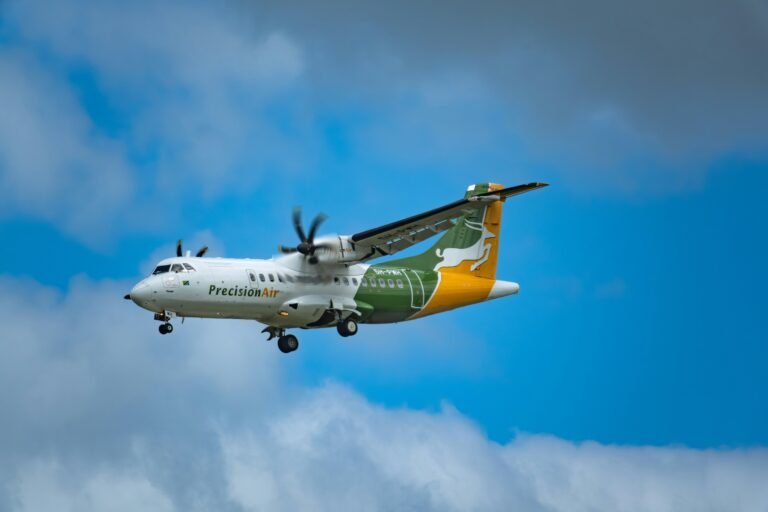
Flights To Tanzania : Ticket Prices, Airlines & Booking Guide 2026-2027
Flights to Tanzania 2027: Ticket Prices, Airlines & Booking Guide is explained with current 2026-2027 planning, price, itinerary and booking information.
View package details
What Is The Cheapest Way To Book A Tanzania Safari? Guide 2026-2027
Discover how booking directly with local operators in Arusha or Moshi, joining group departures, and opting for public campsites slashes Tanzania safari costs by up to 50% for 2026-2027.
View package detailsNo closely related package is available yet for this topic.

Our Guest Reviews, Currently Feedback from Clients in 2026
Reviews from different sources, including Google Business, Tripadvisor, other platforms, and social media.