
Cheap flights to Tanzania typically cost between $650 and $950 round-trip from Europe, $950 and $1,400 from North America, and $700 and $1,100 from Asia and Australia when booked 4 to 6 months in advance for the 2026-2027 travel seasons. The lowest airfares land at Julius Nyerere International Airport (DAR) in Dar es Salaam, while flying directly into Kilimanjaro International Airport (JRO) for northern safaris or Abeid Amani Karume International Airport (ZNZ) for Zanzibar usually carries a $150 to $350 premium. To secure the best ticket deals, travelers should target shoulder-season departures in March, May, or November, compare multi-carrier routes via Gulf and East African hubs, or consider open-jaw tickets that land at Kilimanjaro and depart from Zanzibar to eliminate domestic back-tracking costs.


The Gateway Calculus: Choosing Between JRO, DAR, and ZNZ for Maximum Airfare Savings
Securing an affordable ticket to Tanzania starts long before you open an airfare search aggregator. The single most impactful financial decision you will make is selecting your arrival airport. Tanzania hosts three primary international entry points for commercial travelers: Kilimanjaro International Airport (JRO) in the north, Julius Nyerere International Airport (DAR) along the eastern coast in Dar es Salaam, and Abeid Amani Karume International Airport (ZNZ) on Unguja Island in Zanzibar. Each serves a distinct geographic purpose, and the price differences between them can easily swing your total expedition budget by several hundred dollars per ticket.
Julius Nyerere International Airport (DAR) consistently yields the lowest international base fares. Because Dar es Salaam is Tanzania’s primary commercial capital and economic hub, global carriers direct higher flight frequencies and larger wide-body aircraft to its runways. Airlines like Emirates, Qatar Airways, Turkish Airlines, and EgyptAir run daily or multi-daily frequencies into DAR, creating consistent seat supply that exerts downward pressure on ticket prices. If you are comparing raw transcontinental ticket prices, landing in Dar es Salaam often looks anywhere from $150 to $400 cheaper per person than flying directly into Kilimanjaro.
However, an experienced tour operator will urge you to look at the total ground-plus-air transit equation rather than the international ticket receipt in isolation. If your itinerary centers on climbing Mount Kilimanjaro, tackling Mount Meru, or exploring the classic Northern Safari Circuit—comprising the Serengeti, Ngorongoro Crater, Lake Manyara, and Tarangire—arriving in Dar es Salaam places you roughly 400 miles south of your starting point. You must then purchase a domestic flight between Dar es Salaam and either Kilimanjaro (JRO) or Arusha Airport (ARK) on domestic carriers like Precision Air, Air Tanzania, or Flightlink. In 2026-2027, these domestic one-way tickets typically run between $70 and $160 per passenger, plus strict baggage weight fees if your luggage exceeds 15 to 20 kilograms.
When you tally the round-trip domestic airfare, airport taxi transfers across Dar es Salaam, and the potential need for an overnight hotel stay near the coast due to misaligned connection timings, the initial $250 international savings can evaporate entirely. Arriving directly into JRO eliminates this friction completely. Kilimanjaro International Airport sits just 45 minutes from Moshi and roughly 60 minutes from Arusha, placing you at the immediate staging ground for our expeditions at TOP GUIDE ADVENTURES.
Abeid Amani Karume International Airport (ZNZ) occupies the middle tier of pricing. A growing number of European leisure carriers and Middle Eastern legacy airlines operate direct or single-stop services straight into Stone Town. If your dream holiday combines wilderness wildlife drives with tropical beach relaxation, flying into JRO and flying out of ZNZ on an open-jaw (multi-city) ticket represents the gold standard of routing efficiency. It saves you an entire domestic travel day and prevents you from paying for an unnecessary return flight back to your original entry city.
Field Logistics Caution: If you book a self-connected domestic flight from Dar es Salaam to Kilimanjaro on the same day as your international arrival, allow at least 3.5 to 4 hours between flights. International baggage clearance, terminal changes at DAR (moving from Terminal 3 to Terminal 2), and immigration queues can consume considerable time, and low-cost domestic tickets are generally non-refundable if you miss your scheduled departure.
International Airfare Baselines for 2026-2027: Realistic Price Expectations by Region
Airfare to East Africa fluctuates based on global jet fuel dynamics, carrier capacity, and seasonal tourism cycles. When mapping out your budget for international airfare prices, tracking fare baselines across distinct departure zones will tell you whether an advertised deal is genuinely cheap or merely standard pricing. In general, cheap flights to Tanzania require setting alert thresholds and booking during sweet-spot reservation windows.
The lowest international ticket pricing aligns tightly with Tanzania’s regional weather patterns and tourist influxes. High tourist season—running from late June through October, and again from mid-December through late February—coincides with dry weather, the dramatic Mara River crossings during the Great Migration, and peak trekking conditions on Kilimanjaro. During these high-volume months, economy flights routinely sit at the upper end of the price spectrum. Conversely, the shoulder and low seasons—specifically the long rains of April to May and the short rains of November—bring noticeable airfare discounts from major international carriers attempting to maintain cabin load factors.
To plan your expenditure realistically, consult the historical and projected price bands outlined below for travelers booking standard economy round-trip tickets into Tanzania for 2026-2027:
| Departure Region | Typical Low/Shoulder Season Fare | Peak Season Fare Range | Primary Hub Stops | Optimal Booking Advance Window |
|---|---|---|---|---|
| Western Europe (UK, Germany, France, Netherlands) | $650 – $850 | $950 – $1,400 | Amsterdam (AMS), Frankfurt (FRA), Istanbul (IST), Doha (DOH) | 3 to 5 months |
| North America (US East Coast & Midwest) | $950 – $1,250 | $1,400 – $2,100 | Doha (DOH), Addis Ababa (ADD), Amsterdam (AMS) | 5 to 7 months |
| North America (US West Coast & Western Canada) | $1,100 – $1,450 | $1,600 – $2,300 | Doha (DOH), Dubai (DXB), Istanbul (IST) | 5 to 8 months |
| Middle East & Gulf States | $400 – $600 | $700 – $950 | Direct or Muscat (MCT), Dubai (DXB) | 6 to 10 weeks |
| Australia & New Zealand | $1,200 – $1,550 | $1,750 – $2,600 | Doha (DOH), Dubai (DXB), Johannesburg (JNB) | 6 to 8 months |
| South Africa & Southern Africa | $380 – $550 | $600 – $850 | Direct from JNB or via Nairobi (NBO) | 2 to 4 months |
Understanding these ranges helps prevent common booking errors. If you locate a flight from New York (JFK) or Chicago (ORD) to Kilimanjaro (JRO) priced under $1,050 for travel in late autumn or early spring, you are looking at an exceptional price that should be booked immediately. Conversely, if an August flight from London to Dar es Salaam is quoted at $850, that represents solid value for peak season, whereas paying $1,300 for that exact same route in May would represent an overpayment.
For travelers organizing budget-sensitive land travel—such as our Tanzania budget safari group departures—matching your ground departure date with shoulder-month airfares provides the highest cumulative savings across your entire holiday.
The Best Airlines Flying to Tanzania: Carrier Strengths, Baggage Rules, and Network Hubs
Dozens of airlines hold commercial landing rights in Tanzania, but only a select group of international carriers combine competitive pricing, dependable schedule adherence, and reasonable transit durations. Choosing the cheapest operator on an airfare engine can backfire if that carrier enforces punishing baggage restrictions, offers miserable overnight layovers without complimentary accommodation, or flies into an airport distant from your actual safari departure point. Below is a detailed assessment of the leading international airlines serving Tanzania for the 2026-2027 travel seasons.
1. Ethiopian Airlines (Star Alliance)
Ethiopian Airlines is often the most economical network carrier connecting North America, Europe, and Asia to Tanzania. Operating out of its high-altitude mega-hub at Bole International Airport (ADD) in Addis Ababa, the carrier serves both Kilimanjaro (JRO), Dar es Salaam (DAR), and Zanzibar (ZNZ) on modern Airbus A350 and Boeing 787 Dreamliner aircraft.
- Route Network: Unmatched flexibility. Ethiopian allows you to fly into JRO and depart from ZNZ on a single standard Star Alliance ticket without charging exorbitant open-jaw penalties.
- Baggage Allowance: Standard economy tickets generally include two free checked bags weighing up to 23 kg (50 lbs) each. This is a massive cost-saving advantage for Kilimanjaro climbers carrying heavy alpine gear, zero-degree sleeping bags, and sturdy mountain boots.
- The Trade-Off: Layovers at Addis Ababa Bole Airport can occasionally be hectic, and schedule adjustments during low-demand months are not uncommon. Keep transfer buffers at ADD to at least two hours to ensure your checked baggage makes the connecting flight.
2. Qatar Airways (oneworld)
Consistently recognized for top-tier service standards, Qatar Airways provides exceptional long-haul connectivity into Tanzania through Hamad International Airport (DOH) in Doha. The airline operates dedicated routes serving both Kilimanjaro and Dar es Salaam, often combining a Kilimanjaro touchdown with a continuing hop to Zanzibar.
3. KLM Royal Dutch Airlines (SkyTeam)
For European travelers and North American flyers seeking a single transcontinental connection, KLM remains the legacy benchmark for scheduled service into northern Tanzania. Operating out of Amsterdam Schiphol (AMS), KLM runs a dedicated service using Boeing 777 and 787 Dreamliner aircraft that lands at Kilimanjaro International Airport (JRO) before continuing down to Julius Nyerere International Airport (DAR) or returning via a triangular rotation. This setup makes KLM one of the exceedingly few intercontinental carriers offering true single-ticket access directly into the safari capital without requiring an intra-African carrier transfer.
From a budget perspective, KLM rarely yields the cheapest absolute ticket when compared against Gulf carriers. However, when assessing total journey economics, it frequently wins out for travelers based in the United Kingdom, Germany, the Nordic countries, and US hubs like Atlanta, Minneapolis, or Chicago. You bypass regional baggage re-checks and avoid the extended layovers common in Middle Eastern hubs. Standard economy fares include one checked bag up to 23 kg (50 lbs) on basic economy brackets, with standard economy tickets permitting two pieces on transatlantic itineraries originating in the Americas. If you are comparing options on direct flights to Tanzania via Europe, KLM is consistently the primary route to evaluate against Gulf carriers.
4. Turkish Airlines (Star Alliance)
Operating through its expansive mega-hub at Istanbul Airport (IST), Turkish Airlines offers one of the most commercially aggressive pricing models for East African airfare. Turkish Airlines frequently drops promotional sales covering both DAR and JRO, routing passengers directly into East Africa with competitive layover times. For departures out of secondary European cities (such as Manchester, Birmingham, Lyon, Hamburg, or Bologna) and major North American cities, Turkish regularly undercuts SkyTeam and oneworld carriers by $150 to $300 per passenger.
A major operational advantage of Turkish Airlines is its generous baggage allowance. Most economy tickets from North America and Europe to Tanzania on Turkish Airlines permit two checked bags up to 23 kg each, providing exceptional utility for travelers carrying dedicated trekking gear, sleeping bags, and heavy cold-weather apparel for high-altitude ascents. The single logistics hurdle to note is scheduling: Turkish Airlines’ flights into Kilimanjaro often touch down late at night (frequently between 1:30 AM and 3:30 AM). While this allows you to clear immigration with minimal runway congestion, you will need to pre-arrange private ground transfers with your safari operator to avoid predatory taxi rates outside the terminal at that hour.
5. Emirates & flydubai Network
While Emirates operates wide-body Boeing 777-300ER flights directly into Dar es Salaam (DAR) from Dubai International Airport (DXB), its codeshare and interline partnership with sister airline flydubai opens low-cost access to Zanzibar (ZNZ) and Kilimanjaro (JRO). For travelers starting their journey in Australia, Southeast Asia, or secondary Middle Eastern cities, this combination offers unmatched frequency. Flights from Dubai to Zanzibar aboard flydubai’s Boeing 737 MAX fleet provide consistent promotional fares, particularly during the shoulder months between seasonal tourist waves.
When booking through the Emirates ticket window on a codeshare ticket, your baggage transitions directly across the flydubai metal, retaining Emirates’ standard weight allowance (typically 25 kg to 30 kg depending on fare class). However, if you attempt a self-managed split ticket—buying an Emirates ticket to Dubai and a completely separate flydubai flight onward to Tanzania—watch out for flydubai’s standalone baggage and seat selection surcharges, which can rapidly erode whatever price margin you gained on the primary segment.
6. Kenya Airways (SkyTeam)
Headquartered at Jomo Kenyatta International Airport (NBO) in Nairobi, Kenya Airways represents the most agile regional network carrier serving Tanzania. Known regionally as the “Pride of Africa,” Kenya Airways flies multiple daily round-trips from Nairobi directly into Dar es Salaam, Kilimanjaro, and Zanzibar using regional Embraer 190 jets. For international travelers flying from London Heathrow, Paris Charles de Gaulle, or New York (JFK), Kenya Airways operates nonstop long-haul legs straight into Nairobi, offering smooth connections into Tanzania’s regional airstrips within two to three hours of touchdown.
Kenya Airways consistently posts low-season flash deals, especially for travelers hunting for affordable round-trip flights to Tanzania. Another key operational asset is flexibility: because they run multiple shuttles per day between Nairobi and Kilimanjaro, a missed connection due to transatlantic weather delays rarely strands you for more than a few hours, whereas missed connections on once-daily European or Middle Eastern flights can cost you a full 24 hours of your safari window.
The “Nairobi Loophole”: Flying into Jomo Kenyatta (NBO) to Cut Ticket Costs
One of the most dependable strategies seasoned safari hands use to secure cheap flights to Tanzania is the so-called “Nairobi Loophole.” Jomo Kenyatta International Airport in Nairobi, Kenya, handles exponentially higher cargo and passenger volumes than any Tanzanian airport. Over thirty international legacy and discount carriers service Nairobi, creating fierce competition that routinely drives long-haul ticket prices down by $250 to $600 compared to landing directly at Kilimanjaro (JRO).
Because Arusha—the springboard for all northern safari departures—sits only 170 miles (270 kilometers) south of Nairobi, landing in Kenya and crossing overland into Tanzania is entirely feasible. However, deciding whether this route saves you real money requires balancing the international fare discount against transit logistics, border visa fees, and lost vacation time.
Option A: The Overland Shuttle Bus via Namanga Border
The most economical way to leverage the Nairobi loophole is booking a scheduled cross-border tourist shuttle (such as the Impala Shuttle or Riverside Shuttle). These daily coaches depart Nairobi (with pick-up points at Jomo Kenyatta Airport and central Nairobi hotels) twice per day—typically at 8:00 AM and 2:00 PM—and journey south to Arusha and Moshi via the Namanga border crossing.
- Shuttle Ticket Cost: Approximately $35 to $45 one-way per traveler.
- Travel Time: 5.5 to 7 hours, depending on administrative traffic at the Namanga immigration facility.
- Kenya Transit Visa: Prior to entering Kenya to catch the bus, you may need an approved Kenyan Electronic Travel Authorisation (eTA), which carries a government processing cost of roughly $34.
- Tanzania Tourist Visa: Standard entry fee ($50 for most nationalities; $100 for US passport holders), payable at the border or secured in advance via the electronic portal.
If you are traveling as a couple or a solo traveler with flexible days, an overland shuttle saves significant money. If an open flight to Nairobi costs $850 while Kilimanjaro is pricing at $1,400, your net savings—even after accounting for shuttle fares, Kenyan transit permits, and a night in a Nairobi airport hotel—can comfortably exceed $400 per person. To pair these savings with an affordable wilderness circuit, travelers often combine this route with a Tanzania budget safari with group joining departures.
Option B: Regional Flight Hop (NBO to JRO)
If you do not want to endure a six-hour road journey across dry scrubland, you can book a long-haul flight into Nairobi and purchase an independent regional hop down to Kilimanjaro aboard Kenya Airways or Precision Air. This flight takes a mere 45 to 55 minutes, providing spectacular aerial views of Mount Kilimanjaro on clear mornings.
These short-hop tickets generally cost between $120 and $220 one-way ($200 to $340 round-trip). If your long-haul flight to Nairobi was $450 cheaper than a ticket directly to JRO, booking this secondary flight still nets you a genuine saving of $150 to $250. However, you must factor in the logistical risk: if you book these legs on separate tickets, your international carrier holds no liability if your inbound flight is delayed and you miss your regional connection. You must build in at least a 3.5-hour connection window at NBO to retrieve luggage, re-check bags, and clear security.
| Transit Method | Transit Cost (One-Way) | Transit Time (Airport to Arusha) | Logistical Complexity | Recommended For |
|---|---|---|---|---|
| Direct Flight to JRO | $0 (Included in Base Ticket) | 1 hour (Taxi to Arusha) | Very Low; smooth single ticket | Families, tight schedules, first-time safari travelers |
| Nairobi Fly-In + Cross-Border Shuttle | $35 – $45 + $34 Kenya eTA | 6 – 7.5 hours | Moderate; overland land border crossing | Backpackers, budget solo travelers, flexible dates |
| Nairobi Fly-In + Regional Flight (NBO-JRO) | $120 – $220 regional flight | 3.5 – 5 hours (including transit layover) | Moderate; separate baggage collection at NBO | Travelers finding extreme flash deals into Nairobi |
| Nairobi Fly-In + Private Border Vehicle | $250 – $350 (Full vehicle hire) | 4.5 – 5.5 hours | Low-Moderate; direct point-to-point transfer | Groups of 3 to 5 travelers splitting ground transport |
Booking Window Strategy: When Airfare Algorithms Drop Prices for Tanzania
Securing cheap flights to Tanzania is governed by strict capacity algorithms. Unlike European or domestic North American flight routes, where discount airlines flood the market with late-stage seat sales to fill empty cabins, long-haul capacity to East Africa is constrained. Most aircraft operating into JRO, DAR, and ZNZ are medium-to-wide-body planes with fixed weekly slots. Waiting for last-minute “fire sales” inside 30 days of departure almost never works; prices routinely double or triple as safari dates draw near.
Understanding carrier revenue management cycles allows you to time your purchase to hit optimal pricing windows.
Check Availability for Cheap Flights To Tanzania: Best Airlines, Routes & Ticket Deals 2026-2027
Ready to compare dates, prices, and the best option for your group? Send the package name and travel month so the team can reply with a clear quote, availability, and what is included.

Direct Flights To Tanzania: Airlines, Airports & Ticket Prices 2026-2027
Direct Flights to Tanzania: Airlines, Airports & Ticket Prices is explained with current 2026-2027 planning, price, itinerary and booking information.
View package details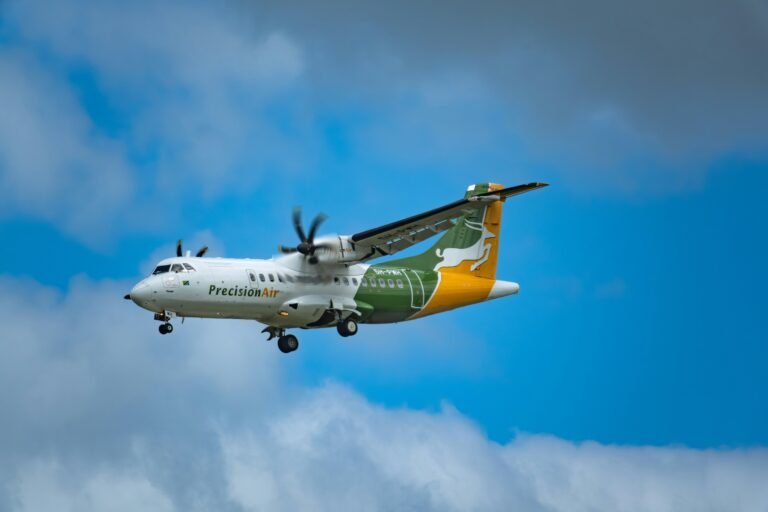
Flights To Tanzania : Ticket Prices, Airlines & Booking Guide 2026-2027
Flights to Tanzania 2027: Ticket Prices, Airlines & Booking Guide is explained with current 2026-2027 planning, price, itinerary and booking information.
View package details
How To Book Cheap Flights To Tanzania In 2026-2027
How to Book Cheap Flights to Tanzania in 2027 is explained with current 2026-2027 planning, price, itinerary and booking information.
View package detailsRound-Trip Flights To Tanzania: Return Ticket Prices & Booking Tips 2026-2027
Round-Trip Flights to Tanzania: Return Ticket Prices & Booking Tips is explained with current 2026-2027 planning, price, itinerary and booking information.
View package details
One-Way Flights To Tanzania: Prices And Airlines 2026-2027
One-Way Flights to Tanzania: Prices and Airlines is explained with current 2026-2027 planning, price, itinerary and booking information.
View package detailsNo closely related package is available yet for this topic.

Our Guest Reviews, Currently Feedback from Clients in 2026
Reviews from different sources, including Google Business, Tripadvisor, other platforms, and social media.