The 9 Days Lemosho Kilimanjaro Full Moon Climb – 17–25 December 2026 is a specialized high-altitude trekking expedition that positions hikers on the summit crater and at Uhuru Peak (5,895 meters) under the illumination of the full moon on the night of 23–24 December 2026. Taking the western approach across the Shira Plateau and traversing beneath the southern icefields, this nine-day profile delivers an industry-leading summit success rate exceeding 92% due to its measured altitude progression, mandatory acclimatization days at Shira 2 and Barranco, and low-traffic entry via Londorossi Gate. Climbers should expect fully supported mountain camping, daily medical monitoring with pulse oximeters, specialized glacier-ridge navigation in sub-zero lunar conditions, and total costs typically ranging between $2,550 and $3,450 per person depending on group size, equipment specs, and pre-climb hotel arrangements in Moshi or Arusha.
Astronomical Timing: The December 2026 Lunar Window on Kilimanjaro
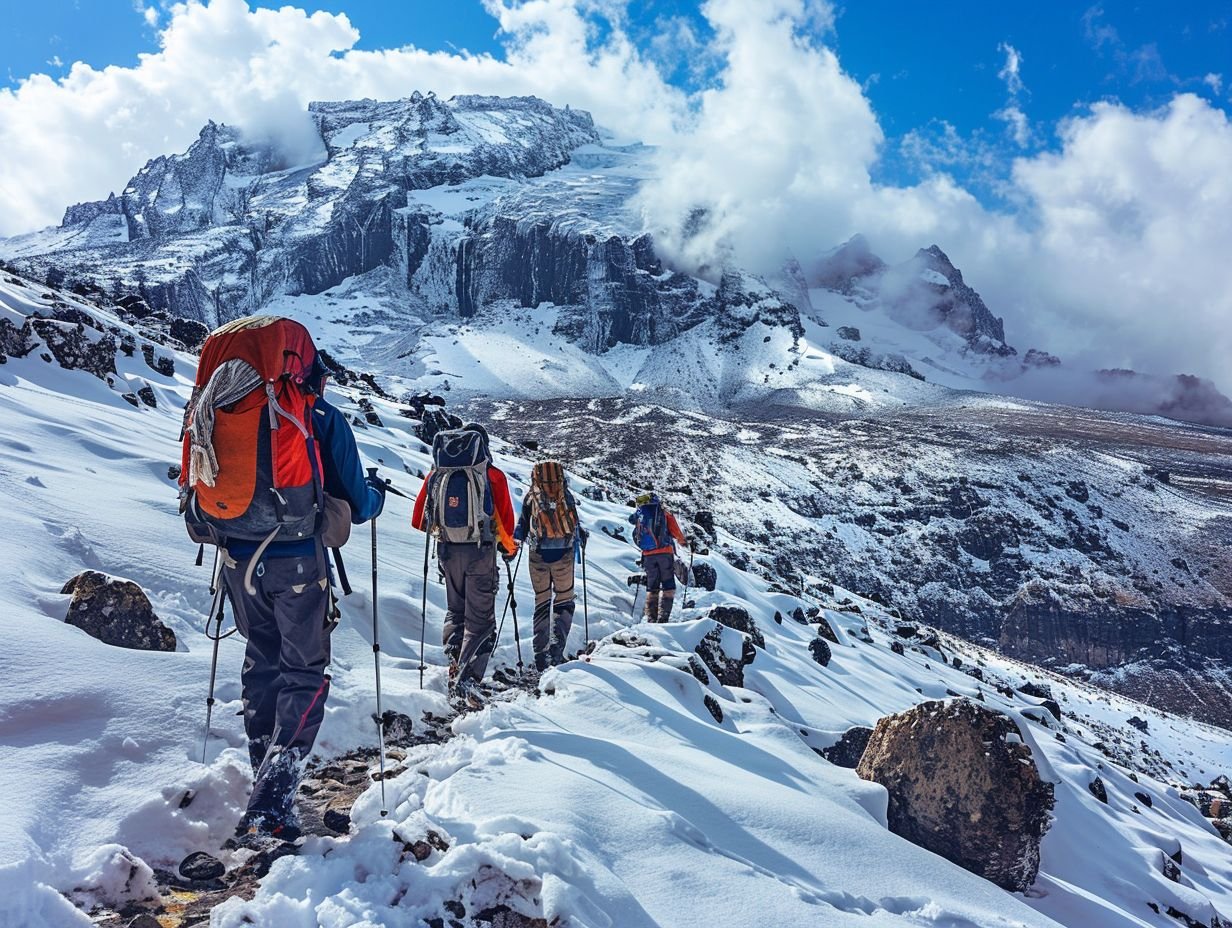
Summiting Mount Kilimanjaro during a full moon alters the high-altitude ascent from an insular struggle within a narrow headlamp beam into an expansive, crystalline crossing of volcanic gravel and hanging glaciers. On 24 December 2026, the lunar cycle reaches peak illumination over equatorial East Africa. By launching the push from Barafu Camp or Kosovo Camp around 23:00 on the evening of 23 December, mountaineers ascend the steep switchbacks to Stella Point under ambient natural light strong enough to cast defined shadows across the Rebmann and Ratzel glaciers.
This distinct timing transforms the physiological and mental demands of summit night. Normally, the pitch-black void between 4,673 meters and the crater rim creates sensory deprivation, disorientation, and magnified fatigue. Under the December 2026 lunar crest, the Mawenzi spire reflects silvery light across the saddle, the scree fields of Kibo are clearly visible without artificial glare, and climbers maintain natural spatial awareness that reduces psychological anxiety during the most grueling six hours of the entire expedition.
Operating during this specific calendar window requires an exact start date of 17 December 2026 from Moshi or Arusha. Beginning on the 17th ensures seven full days of ascent and acclimatization before setting foot on the summit scree. Any shorter schedule—such as a 6-day or 7-day variation—forces an accelerated ascent that places unacclimatized bodies at the crater rim during critical lunar illumination, dramatically increasing the incidence of Acute Mountain Sickness (AMS) and emergency descents.
December 2026 Full Moon Expedition Parameters
- Expedition Start Date: 17 December 2026 (Pick-up and trail briefing in Moshi/Arusha)
- Londorossi Trailhead Departure: 18 December 2026
- Full Moon Summit Night: 23–24 December 2026
- Mweka Gate Exit & Transfer: 25 December 2026 (Christmas Day)
- Total Route Distance: Approximately 70 kilometers (43.5 miles)
- Summit Window Illumination: 98% to 100% lunar disk reflection over Kibo Crater
The 9-Day Lemosho Tactical Advantage: Acclimatization and Terrain
The western approach via Lemosho is widely regarded by high-altitude specialists as the superior route on Kilimanjaro. While routes like Marangu or the standard Machame drive hikers upward rapidly, the 9-day Lemosho profile utilizes an extended traverse across the Shira Plateau that allows human physiology to adapt systematically to declining atmospheric pressure. At 5,895 meters, the effective oxygen level drops to approximately 50% of sea-level concentration; giving the human body nine days instead of seven provides essential time for red blood cell synthesis, respiratory compensation, and pH stabilization.
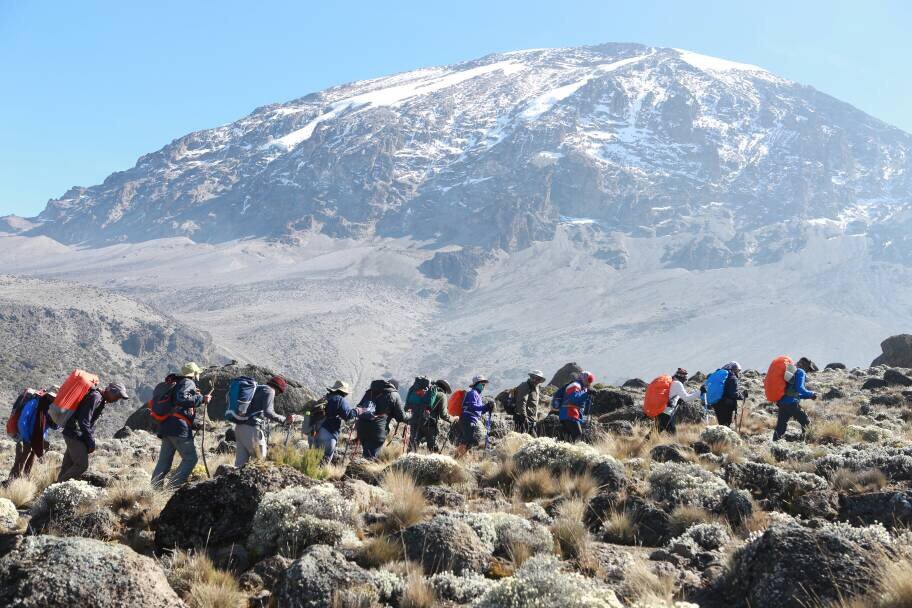
Terrain variety on Lemosho is unmatched by any other trail on the mountain. The first 48 hours transition through the dense, undisturbed montane rainforest of the western slopes, where colobus monkeys, blue monkeys, and signs of elephant migration are common. From there, the route punches through the heather zone onto the vast expanse of the Shira Plateau—a collapsed volcanic caldera that provides wide, open trails, gentle gradients, and sweeping views of Kibo’s western breach.
The strategic genius of the 9-day schedule lies in the split camps. While shorter climbs compress the traverse from Shira 1 straight to Barranco, the 9-day itinerary inserts nights at both Shira 2 and Moir Hut or Karanga, adhering strictly to the mountaineering doctrine of “climb high, sleep low.” Hikers ascend to the base of Lava Tower at 4,630 meters for lunch and acclimatization, then descend nearly 700 meters to sleep in the sheltered valley of Barranco Camp at 3,960 meters. This single tactical choice significantly lowers the risk of High Altitude Pulmonary Edema (HAPE) and Cerebral Edema (HACE).
| Parameter | 9-Day Lemosho Full Moon | 7-Day Machame Route | 6-Day Marangu Route |
|---|---|---|---|
| Summit Success Rate | 92% – 95% | 75% – 82% | 55% – 65% |
| Starting Elevation | 2,100 m (Londorossi) | 1,800 m (Machame Gate) | 1,860 m (Marangu Gate) |
| Crowd Concentration | Very Low on Days 1–3 | High throughout | High (shared huts) |
| Acclimatization Profile | Excellent (Multiple sleep-low drops) | Moderate (Compressed traverse) | Poor (Linear upward path) |
| Scenic Quality | Exceptional (360° mountain coverage) | Very High | Moderate (Repeated trail) |
2026-2027 Expedition Investment: Cost Breakdown and Logistics Tiers
Budgeting for a late December climb requires understanding the logistical pressure placed on operators during peak holiday dates. December 17 through 25 represents high-demand calendar space across Kilimanjaro National Park (managed by TANAPA). Park conservation fees, camping fees, crew rescue insurance, and conservation surcharges form an irreducible baseline cost for any legally permitted operator.
For the 9 Days Lemosho Kilimanjaro Full Moon Climb – 17–25 December 2026, transparent pricing structures generally fall into two distinct execution tiers:
- High-Standard Small Group Departures ($2,550 – $2,850 per person): Based on small teams (typically 4 to 8 climbers), pairing shared mountain tents, comprehensive medical gear, high-ratio mountain crews (roughly 3 to 4 support crew members per climber), mountain chef service with tailored high-carbohydrate nutrition, clean dining mess tents, and transfers from Moshi or Arusha.
- Private VIP / Tailored Expeditions ($3,000 – $3,650 per person): Designed for independent couples, families, or private trekking groups. Adds private chemical toilet tents, higher-grade insulated sleeping pads, thermal four-season mountain tents, satellite communication units (such as Garmin inReach), dedicated pick-ups direct from Kilimanjaro International Airport (JRO), and upgraded boutique hotel stays before and after the climb.
Travelers considering combining their summit with wildlife viewing should note that logistics integrate efficiently post-trek. Many climbers choose to join a safari after finishing a Kilimanjaro climb, driving directly from Mweka Gate on 25 December toward Tarangire, Ngorongoro Crater, or the Serengeti during the start of the calving season. Understanding flights to Dar es Salaam vs Kilimanjaro vs Zanzibar is also critical for controlling overall trip expenditure during the Christmas aviation peak.
Included in TOP GUIDE ADVENTURES Full Moon Expeditions
- All TANAPA park entry, rescue, and wilderness camping permits for all 9 days.
- Certified wilderness high-altitude mountain guides licensed through the Kilimanjaro National Park authority.
- Support crew logistics: mountain cook, camp staff, and mountain porters honoring strict 15 kg personal luggage limits per client.
- Daily biometric evaluations: morning and evening resting pulse, pulse oximeter blood-oxygen saturation (SpO2), and visual symptom logs.
- Complete expedition medical package: pressurized emergency oxygen cylinders, hyperbaric evacuation protocols, and first-aid response systems.
- Three calorie-dense, freshly prepared mountain meals daily, accompanied by purified, boiled drinking water provided at every camp.
- Two nights hotel lodging (one night pre-climb, one night post-climb) in Moshi or Arusha on a bed-and-breakfast basis.
Detailed Trail Progression: Days 1 Through 4 (Rainforest to Southern Flank)
Executing a successful lunar summit climb hinges on discipline during the initial approach. Moving too fast through the lower elevations expends glycogen reserves and stresses joints before the true high-altitude zone begins. Guides from TOP GUIDE ADVENTURES enforce an uncompromising pole pole (slow, steady) pace from the first step away from the registration office.
Day 1: Arrival, Briefing, and Route Orientation in Moshi/Arusha (17 December 2026)
The journey begins with an exhaustive gear audit and medical intake at your lodge in Moshi or Arusha. Guides inspect cold-weather layers, waterproof outerwear, thermal gloves, headlamps (with backup lithium batteries that resist draining in sub-zero cold), and four-season sleeping bags rated to -15°C. At this stage, rental items are fitted and tested. Climbers review the pacing parameters, safety protocols, and route map, followed by an early dinner to rest ahead of the long transfer to the western gate the next morning.
Day 2: Londorossi Gate (2,100 m) to Lemosho Glades to Mti Mkubwa (2,750 m)
Departing the hotel around 07:30, the expedition vehicle drives west through rural Tanzanian agricultural settlements before ascending the foothills to Londorossi Gate. Following entry registration and paperwork processing with national park rangers, a further 45-minute rugged drive delivers climbers directly to the Lemosho Glades trailhead (2,100 m). Day one on the trail is a gentle, atmospheric walk of 3 to 4 hours covering roughly 6 kilometers through dense rainforest. Giant ferns, hanging moss, and towering podocarpus trees canopy the trail. The day concludes at Mti Mkubwa (“Big Tree”) Camp, located in the clearing. Evening temperatures hover around 12°C to 15°C, making it a mild introduction to camp life.
Day 3: Mti Mkubwa (2,750 m) to Shira 1 Camp (3,500 m)
Leaving Mti Mkubwa, the forest canopy rapidly gives way to the giant heather and moorland zones. The gradient increases sharply as the trail navigates ridges of volcanic rock and cross-sections of moorland grass. Climbers traverse the western rim of the Shira Caldera, catching their first open panoramic view of Kibo peak across the plateau. The trek spans roughly 5 to 6 hours over 8 kilometers. Camping at Shira 1 places the team at 3,500 meters, marking the initial physiological shift where night temperatures plummet close to freezing (0°C to 2°C) and the air feels noticeably drier. Fluid intake must jump to 4 liters daily starting today.
Day 4: Shira 1 Camp (3,500 m) to Shira 2 Camp (3,840 m)
This stage is intentionally shorter—approximately 4 hours and 7 kilometers—designed specifically to maximize acclimatization while allowing climbers to explore the volcanic formations of the plateau. The trail climbs gently eastward across the broad moorland, crossing several small icy streams. Passing the Cathedral and Shira Needles, hikers gain substantial horizontal distance toward Kibo’s western massif. Reaching Shira 2 Camp by midday allows for hot lunch, an afternoon resting period, and an optional 1-hour acclimatization walk up to higher ridges before dinner. Sleeping at 3,840 meters consolidates the body’s adaptation ahead of the strenuous crossing to Lava Tower the following day.
High-Altitude Safety Systems: Medical Protocols and Lunar Trek Realities
A full moon climb introduces specific environmental factors that require structured safety mechanisms. While moonlight provides incredible optical clarity, it can create a false sense of warmth. Mid-winter nights on the upper alpine desert and arctic crater zones regularly drop to between -8°C and -15°C, with wind chills pushing perceived temperatures down to -22°C. The psychological boost of climbing under moonlight must not overshadow standard cold-weather precautions.
Critical Fact: Acclimatization Over Willpower
No amount of physical conditioning can compensate for accelerated elevation gain without biological adaptation. The primary reason climbers fail to reach Uhuru Peak is not muscular exhaustion, but Acute Mountain Sickness escalating into pulmonary or cerebral edema. Top Guide Adventures implements strict morning and evening Lake Louise scoring systems. If a trekker’s resting oxygen saturation (SpO2) drops consistently below 70% alongside persistent headache, nausea, or ataxia, mountain guides initiate immediate, supervised descent—regardless of summit proximity or moon conditions.
Check Availability for 9 Days Lemosho Kilimanjaro Full Moon Climb – 17–25 December 2026-2027
Ready to compare dates, prices, and the best option for your group? Send the package name and travel month so the team can reply with a clear quote, availability, and what is included.
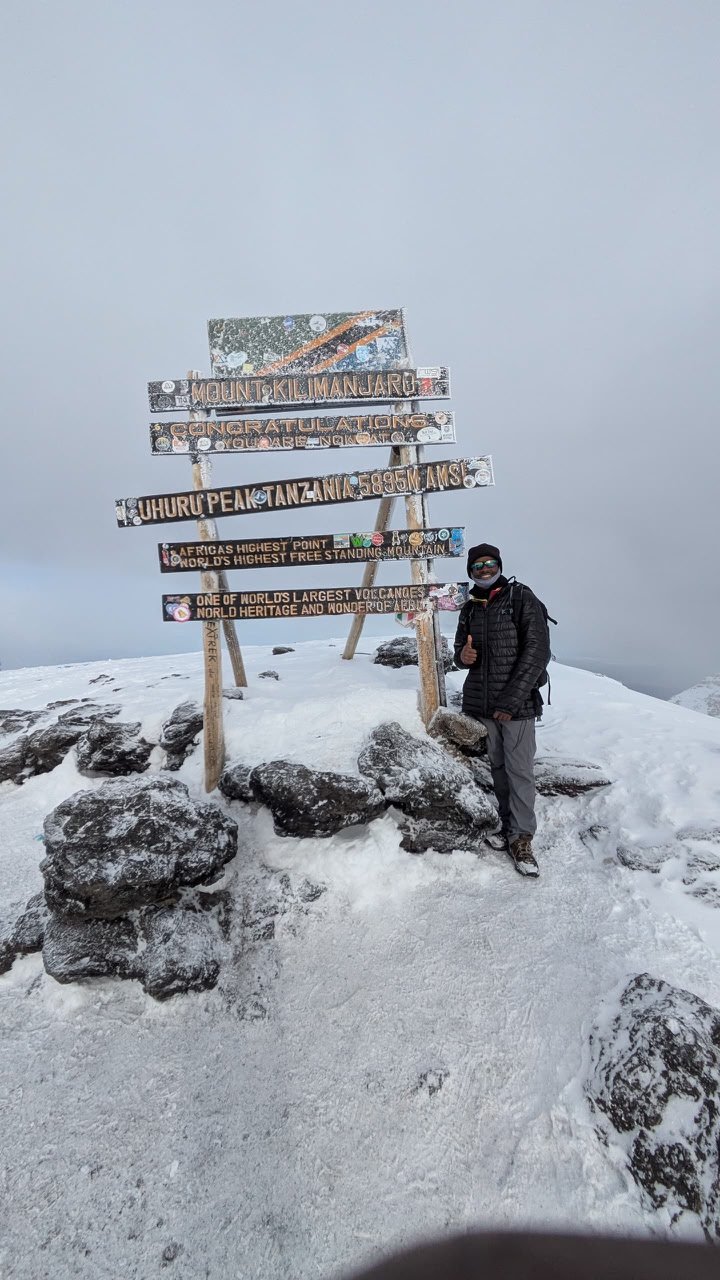
8 Days Lemosho Kilimanjaro Full Moon Group Trek – 18–25 December 2026-2027
An 8-day group trek on Kilimanjaro's scenic Lemosho Route timed for the December 2026 full moon period, with summit day on Christmas morning.
View package details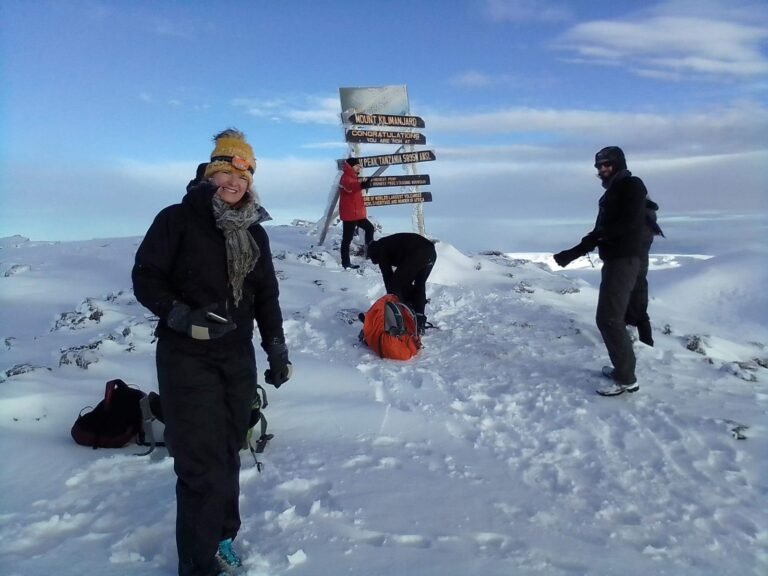
8 Days Machame Kilimanjaro Full Moon Climb – 18–25 December 2026-2027
8 Days Machame Kilimanjaro Full Moon Climb – 18–25 December 2026 is explained with current 2026-2027 planning, price, itinerary and booking information.
View package details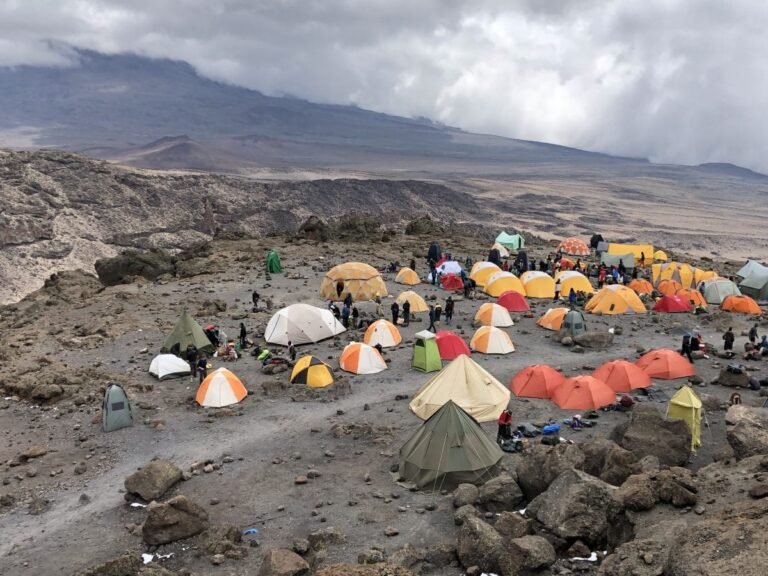
7 Days Lemosho Route Kilimanjaro Group Climb – 3–9 December 2026-2027
7 Days Lemosho Route Kilimanjaro Group Climb – 3–9 December 2026 is explained with current 2026-2027 planning, price, itinerary and booking information.
View package details
8 Days Lemosho Kilimanjaro New Year Summit Climb – 26 December – 2 January
8 Days Lemosho Kilimanjaro New Year Summit Climb – 26 December 2026 – 2 January 2027 is explained with current 2026-2027 planning, price, itinerary and.
View package details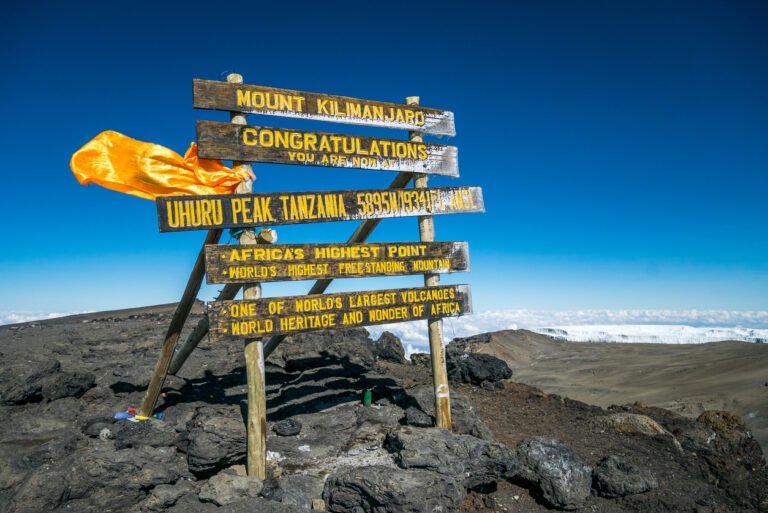
7 Days Lemosho Kilimanjaro Christmas Climb – 20–26 December 2026-2027
7 Days Lemosho Kilimanjaro Christmas Climb – 20–26 December 2026 is explained with current 2026-2027 planning, price, itinerary and booking information.
View package details8 Days Lemosho Route Kilimanjaro Group Climb – 15–22 December 2026-2027
8 Days Lemosho Route Kilimanjaro Group Climb – 15–22 December 2026 is explained with current 2026-2027 planning, price, itinerary and booking information.
View package details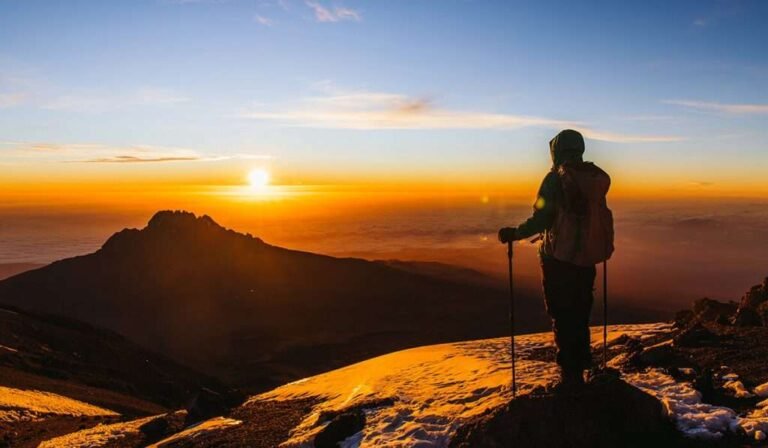
6 Days Marangu Kilimanjaro Full Moon Climb – 20–25 December 2026-2027
6 Days Marangu Kilimanjaro Full Moon Climb – 20–25 December 2026 is explained with current 2026-2027 planning, price, itinerary and booking information.
View package details6 Days Machame Kilimanjaro Full Moon Climb – 20–25 December 2026-2027
6 Days Machame Kilimanjaro Full Moon Climb – 20–25 December 2026 is explained with current 2026-2027 planning, price, itinerary and booking information.
View package details
8 Days Lemosho Route Kilimanjaro Group Departure – 12–19 December 2026-2027
A detailed guide to the 8-day Lemosho Route Kilimanjaro group climb departing 12–19 December 2026, covering route details, daily itinerary, acclimatization strategy, and what to expect.
View package details7 Days Machame Kilimanjaro New Year Climb – 27 December – 2 January 2026-2027
7 Days Machame Kilimanjaro New Year Climb – 27 December 2026 – 2 January 2027 is explained with current 2026-2027 planning, price, itinerary and booking.
View package details
8 Days Lemosho Kilimanjaro Christmas Trek – 24–31 December 2026-2027
8 Days Lemosho Kilimanjaro Christmas Trek – 24–31 December 2026 is explained with current 2026-2027 planning, price, itinerary and booking information.
View package details
8 Days Lemosho Kilimanjaro Group Hiking – 7–14 December 2026-2027
8 Days Lemosho Kilimanjaro Group Hiking – 7–14 December 2026 is explained with current 2026-2027 planning, price, itinerary and booking information.
View package detailsNo closely related package is available yet for this topic.

Our Guest Reviews, Currently Feedback from Clients in 2026
Reviews from different sources, including Google Business, Tripadvisor, other platforms, and social media.