
The 8 Days Lemosho Kilimanjaro New Year Summit Climb – 26 December 2026 – 2 January 2027 is a premium high-altitude expedition designed to stand on Uhuru Peak (5,895 m / 19,341 ft) at sunrise on 1 January 2027. Starting at Londorossi Gate on 26 December 2026 and finishing at Mweka Gate on 2 January 2027, this 8-day itinerary approaches Mount Kilimanjaro from the remote western flank across the Shira Plateau before joining the Southern Circuit. Typical costs for a fully supported trek range between $2,450 and $2,950 per climber for small group joining departures, and $3,100 to $3,800+ per climber for private expeditions, covering park fees, rescue fees, camping logistics, licensed mountain guides, fresh mountain catering, and comprehensive medical safety support with pulse oximeters and bottled emergency oxygen.

Expedition Overview: Why Lemosho for New Year 2026-2027
Celebrating the transition into a new year on the highest freestanding mountain on earth is one of the most purposeful endurance achievements in global mountaineering. However, choosing the wrong route or attempting an aggressive, compressed timeline can turn a milestone celebration into severe acute mountain sickness (AMS) or an early evacuation. The 8 Days Lemosho Kilimanjaro New Year Summit Climb – 26 December 2026 – 2 January 2027 solves the physiological challenges of high altitude by leveraging the mountain’s most scenic western approach with an eight-day progression that yields summit success rates exceeding 90%.
The Lemosho route begins in the lush rainforests above Londorossi, navigating through pristine wilderness where wildlife such as colobus monkeys and blue monkeys are frequently observed. Unlike the crowded Marangu and Machame routes, Lemosho starts with minimal trail congestion during the critical first 48 hours. By the time the trail merges with other paths near Lava Tower and Barranco Wall, your body has completed three full days of gradual altitude adjustment across the wide expanse of the Shira Plateau.
Choosing an 8-day profile over the shortened 7-day variation offers an essential extra night of acclimatization at either Shira 2 or Karanga Camp. This extra day keeps daily altitude gains manageable and allows your cardiovascular system to increase red blood cell production steadily before tackling the taxing summit push from Barafu Camp at midnight on 31 December 2026. If you are comparing this western approach with earlier seasonal departures, you can review our 8 Days Lemosho Route Kilimanjaro Group Climb – 15–22 December 2026-2027 or examine the shorter 7 Days Lemosho Kilimanjaro Christmas Climb – 20–26 December 2026-2027 to understand how daily mileage and rest intervals differ.
Calendar & Flight Timing: 26 December 2026 to 2 January 2027
Planning international air travel around the peak holiday season demands precise scheduling. To join the trek departing Moshi or Arusha on the morning of 26 December 2026, climbers must arrive in Tanzania no later than 25 December 2026 (Christmas Day). This buffer is non-negotiable: it guarantees time for your comprehensive pre-climb briefing, rental gear checks, and vital recovery after long-haul flights.
Critical Flight Planning Tip: International flights into Kilimanjaro International Airport (JIA / JRO) fill up months ahead for the Christmas and New Year period. If direct flights into JRO via carriers like KLM, Qatar Airways, or Ethiopian Airlines show high fares, consult our guide on Flights To Dar Es Salaam Vs Kilimanjaro Vs Zanzibar: Which Is Cheaper? and check the recommendations in our breakdown of the Best Airport To Fly Into Tanzania For Safari, Kilimanjaro & Zanzibar 2026-2027.
Here is how the calendar mechanics align for the New Year summit:
- 24–25 December 2026: Arrive at Kilimanjaro International Airport (JRO). Private road transfer to your base hotel in Moshi or Arusha. Evening orientation, passport verification for Tanzania National Parks (TANAPA) permits, and gear inspection.
- 26 December 2026 (Day 1): Depart hotel for Londorossi Gate, complete park registration, trek through the rainforest belt to Mti Mkubwa Camp (2,820 m).
- 31 December 2026 (Day 6): Ascend from Karanga Camp to Barafu Camp (4,673 m). Early dinner and rest by 18:00. Awake at 23:00 to gear up and begin the summit assault.
- 1 January 2027 (Day 7): Reach Stella Point (5,756 m) at dawn, push along the crater rim to Uhuru Peak (5,895 m) between 06:30 and 07:30 to welcome New Year’s Day. Descend via Barafu to Millennium Camp (3,820 m) or Mweka Camp (3,100 m).
- 2 January 2027 (Day 8): Final descent through the montane forest to Mweka Gate (1,640 m). Summit certificate presentation, farewell to mountain crew, and transfer back to Moshi or Arusha.
- 3 January 2027 onwards: Departure home, or transition directly to an overland wildlife expedition. Many trekkers pair their summit with northern circuit game viewing; see our analysis on whether Can I Join A Safari After Finishing A Kilimanjaro Climb? 2026-2027 or explore the Best Tanzania Safari Packages After Climbing Mount Kilimanjaro 2026-2027.
Route Profile, Elevation Gain, and The Acclimatization Advantage
High altitude physiology on Kilimanjaro is ruled by a simple law: your body needs time to adapt to lower partial pressure of atmospheric oxygen. At the summit of Uhuru Peak, every lungful of air contains approximately 49% of the effective oxygen molecules available at sea level. The primary reason climbers fail on shorter routes like Marangu 5-day or Machame 6-day is rapid vertical gain without corresponding rest.
The 8-day Lemosho design incorporates the mountaineering principle of climb high, sleep low across several consecutive days. After cresting the western ridge to enter the caldera rim, the route drops into the valley floor. On Day 4, you climb from Shira 2 up to the exposed volcanic monolith of Lava Tower at 4,630 meters (15,190 ft) for lunch and rest, before dropping more than 650 meters to camp at Barranco (3,976 m). This exposure to high elevation followed by sleeping at lower altitude triggers the release of erythropoietin (EPO), stimulating bone marrow to produce more oxygen-carrying erythrocytes without exposing the body to prolonged hypoxia during sleep.
| Expedition Day | Trail Section | Starting Altitude | Ending Altitude | Trek Time | Acclimatization Impact |
|---|---|---|---|---|---|
| Day 1 (26 Dec) | Londorossi Gate to Mti Mkubwa | 2,100 m / 6,890 ft | 2,820 m / 9,250 ft | 3–4 hrs | Gentle forest gradient; avoids early respiratory strain. |
| Day 2 (27 Dec) | Mti Mkubwa to Shira 1 Camp | 2,820 m / 9,250 ft | 3,610 m / 11,840 ft | 5–6 hrs | Breaches heather/moorland boundary; steady cardio output. |
| Day 3 (28 Dec) | Shira 1 Camp to Shira 2 Camp | 3,610 m / 11,840 ft | 3,850 m / 12,630 ft | 3–4 hrs | Short transit across plateau; essential resting and hydration day. |
| Day 4 (29 Dec) | Shira 2 to Lava Tower to Barranco | 3,850 m / 12,630 ft | 3,976 m / 13,044 ft | 6–7 hrs | Classic climb high, sleep low: Touch 4,630 m at Lava Tower. |
| Day 5 (30 Dec) | Barranco Camp to Karanga Camp | 3,976 m / 13,044 ft | 3,995 m / 13,106 ft | 4–5 hrs | Scramble Barranco Wall; active recovery at similar sleep elevation. |
| Day 6 (31 Dec) | Karanga Camp to Barafu Camp | 3,995 m / 13,106 ft | 4,673 m / 15,331 ft | 3–4 hrs | Base camp arrival; rest window before midnight summit assault. |
| Day 7 (1 Jan) | Barafu to Uhuru Peak to Millennium | 4,673 m / 15,331 ft | 3,820 m / 12,532 ft | 11–14 hrs | New Year Summit Day: 1,222 m ascent, 2,075 m descent. |
| Day 8 (2 Jan) | Millennium Camp to Mweka Gate | 3,820 m / 12,532 ft | 1,640 m / 5,380 ft | 4–5 hrs | Rapid descent into high oxygen zone; exit to Moshi/Arusha. |
Day-by-Day Expedition Breakdown (Days 1 to 4: West Flank to Barranco)
Day 1: 26 December 2026 – Moshi/Arusha to Londorossi Gate (2,100 m) to Mti Mkubwa Camp (2,820 m)
The climb begins with an early morning pickup from your accommodation. We drive westward past lush agricultural settlements around Boma Ng’ombe before climbing up the slopes toward Londorossi Gate. Park entry formalities, paperwork verification with TANAPA authorities, and luggage weigh-ins take place here. Every porter’s pack is individually scaled to enforce the mandatory 20 kg national park safety maximum (with a strict 15 kg personal gear allowance for your duffel bag).
From Londorossi, a short secondary drive leads to the trailhead at Lemosho Glades. The hiking trail winds through montane forest where dense canopy cover buffers morning heat. Moss, hanging lichens, and giant ferns blanket the slopes. The gradient remains moderate, making this a calm introduction to multi-day hiking. We arrive at Mti Mkubwa Camp (Big Tree Camp) in mid-afternoon. Your mountain crew will have already erected your sleeping tents and mess tent. Hot washing water and fresh tea or coffee are served, followed by an evening briefing and your first daily medical check including resting heart rate and blood oxygen saturation (SpO2) logging.
Day 2: 27 December 2026 – Mti Mkubwa (2,820 m) to Shira 1 Camp (3,610 m)
Day two marks your exit from the montane forest into the sub-alpine moorland zone. The path steepens noticeably as you leave the canopy behind, climbing along volcanic ridges lined with heather bushes and wild flowers. As the valley opens up, the dramatic western face of Kibo Peak reveals itself in clear weather.
We cross the geological perimeter of the ancient Shira caldera—one of Kilimanjaro’s three volcanic cones, which collapsed hundreds of thousands of years ago. The terrain transitions into rocky, open expanses exposed to mountain breezes and direct sunshine. The arrival at Shira 1 Camp offers sweeping views westward toward Mount Meru. Because temperatures drop rapidly once the sun slips below the horizon at this altitude, thermal base layers and a down jacket become essential immediately upon arriving at camp.
Day 3: 28 December 2026 – Shira 1 Camp (3,610 m) to Shira 2 Camp (3,850 m)
This is an intentionally measured, low-mileage day that distinguishes the eight-day itinerary from rushed trekking routes. Trekkers traverse east across the undulating moorland floor of the Shira Plateau. Without punishing elevation gains, your body adapts naturally to the 3,800-meter threshold while conserving muscular stamina.
Along the trail, you pass distinctive volcanic formations and endemic flora, including the prehistoric giant groundsels (Dendrosenecio kilimanjari) and lobelias. We arrive at Shira 2 Camp in time for a warm lunch in the mess tent. The afternoon is dedicated to hydration, rest, and an optional 45-minute acclimatization walk higher up the ridge with your lead guide. Spending this second full night on the plateau solidifies your base acclimatization before you enter the more alpine sections of the southern circuit.
Day 4: 29 December 2026 – Shira 2 Camp (3,850 m) to Lava Tower (4,630 m) to Barranco Camp (3,976 m)
Regarded as the most vital acclimatization day on Mount Kilimanjaro, Day 4 tests your stamina with sustained elevation gain through the semi-desert alpine zone. The trail angles steadily eastward toward the base of Kibo Peak. Vegetation thins dramatically, replaced by scree, boulders, and expansive views across the western breach.
By mid-day, the route reaches the base of Lava Tower (Shark’s Tooth) at 4,630 meters (15,190 ft). Trekkers often feel the thinner air here: slight shortness of breath and light fatigue are standard physiological reactions. We pause inside our dining mess tent for hot lunch and extended rest at this high elevation point, allowing oxygen-sensing tissues in your kidneys and carotid body to register the low oxygen pressure.
After lunch, the route plunges downward into the giant Senecio forest of the Barranco Valley. Dropping nearly 700 meters within two hours provides rapid relief from mild altitude symptoms. We arrive at Barranco Camp (3,976 m), widely considered the most photogenic campsite on the mountain, positioned right beneath the imposing face of the Great Barranco Wall and the hanging glaciers of Kibo.
Check Availability for 8 Days Lemosho Kilimanjaro New Year Summit Climb – 26 December – 2 January
Ready to compare dates, prices, and the best option for your group? Send the package name and travel month so the team can reply with a clear quote, availability, and what is included.
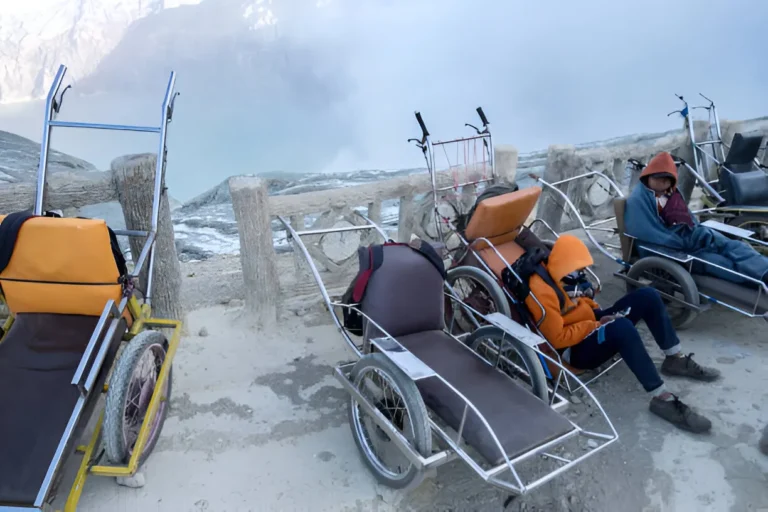
7 Days Machame Kilimanjaro New Year Climb – 27 December – 2 January 2026-2027
7 Days Machame Kilimanjaro New Year Climb – 27 December 2026 – 2 January 2027 is explained with current 2026-2027 planning, price, itinerary and booking.
View package details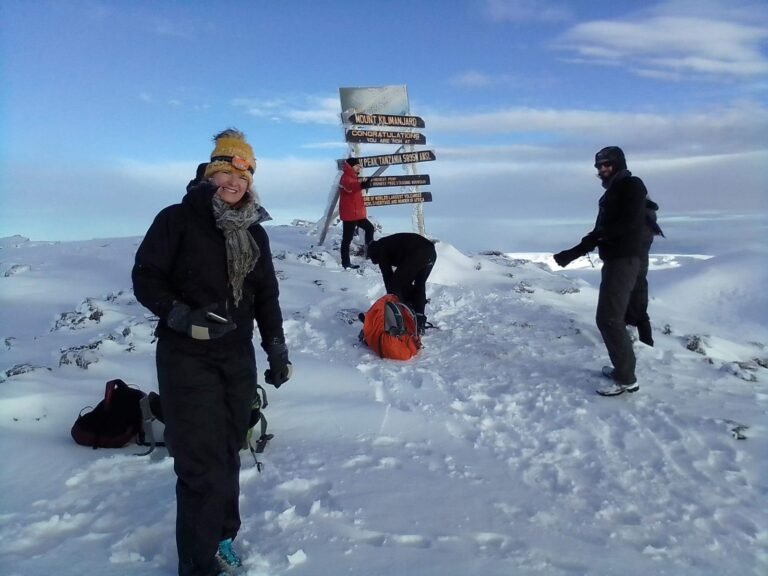
7 Days Lemosho Kilimanjaro New Year Trek – 27 December – 2 January 2026-2027
7 Days Lemosho Kilimanjaro New Year Trek – 27 December 2026 – 2 January 2027 is explained with current 2026-2027 planning, price, itinerary and booking.
View package details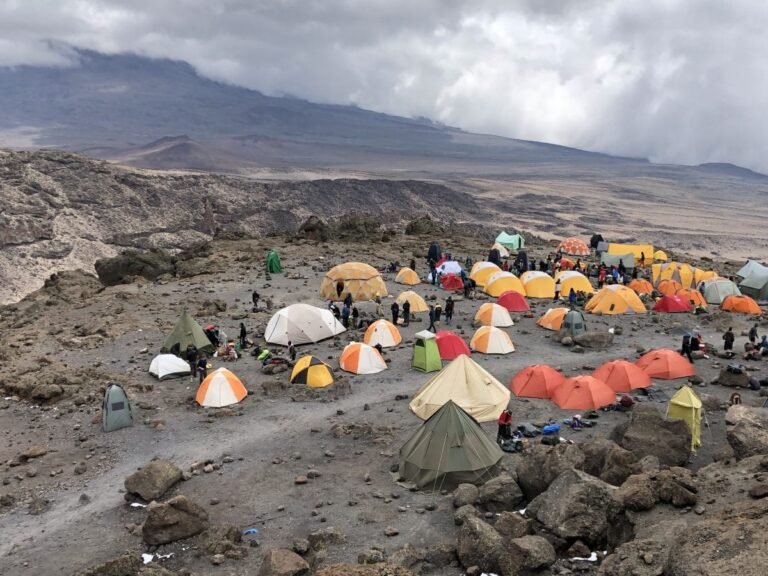
7 Days Lemosho Route Kilimanjaro Group Climb – 3–9 December 2026-2027
7 Days Lemosho Route Kilimanjaro Group Climb – 3–9 December 2026 is explained with current 2026-2027 planning, price, itinerary and booking information.
View package details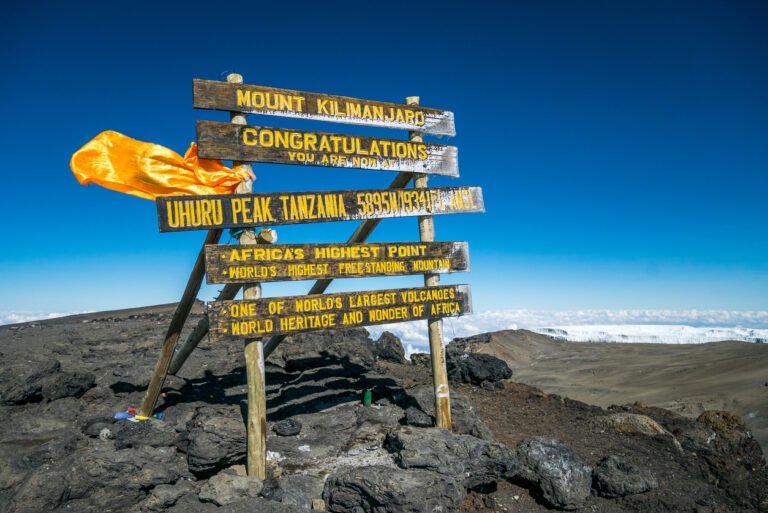
7 Days Lemosho Kilimanjaro Christmas Climb – 20–26 December 2026-2027
7 Days Lemosho Kilimanjaro Christmas Climb – 20–26 December 2026 is explained with current 2026-2027 planning, price, itinerary and booking information.
View package details
9 Days Lemosho Kilimanjaro Full Moon Climb – 17–25 December 2026-2027
9 Days Lemosho Kilimanjaro Full Moon Climb – 17–25 December 2026 is explained with current 2026-2027 planning, price, itinerary and booking information.
View package details8 Days Lemosho Route Kilimanjaro Group Climb – 15–22 December 2026-2027
8 Days Lemosho Route Kilimanjaro Group Climb – 15–22 December 2026 is explained with current 2026-2027 planning, price, itinerary and booking information.
View package details
6 Days Marangu Kilimanjaro New Year Climb – 28 December – 2 January 2026-2027
6 Days Marangu Kilimanjaro New Year Climb – 28 December 2026 – 2 January 2027 is explained with current 2026-2027 planning, price, itinerary and booking.
View package details8 Days Lemosho Route Kilimanjaro Group Departure – 12–19 December 2026-2027
A detailed guide to the 8-day Lemosho Route Kilimanjaro group climb departing 12–19 December 2026, covering route details, daily itinerary, acclimatization strategy, and what to expect.
View package details
8 Days Lemosho Kilimanjaro Full Moon Group Trek – 18–25 December 2026-2027
An 8-day group trek on Kilimanjaro's scenic Lemosho Route timed for the December 2026 full moon period, with summit day on Christmas morning.
View package details8 Days Machame Kilimanjaro Full Moon Climb – 18–25 December 2026-2027
8 Days Machame Kilimanjaro Full Moon Climb – 18–25 December 2026 is explained with current 2026-2027 planning, price, itinerary and booking information.
View package details
8 Days Lemosho Kilimanjaro Christmas Trek – 24–31 December 2026-2027
8 Days Lemosho Kilimanjaro Christmas Trek – 24–31 December 2026 is explained with current 2026-2027 planning, price, itinerary and booking information.
View package details8 Days Lemosho Kilimanjaro Group Hiking – 7–14 December 2026-2027
8 Days Lemosho Kilimanjaro Group Hiking – 7–14 December 2026 is explained with current 2026-2027 planning, price, itinerary and booking information.
View package detailsNo closely related package is available yet for this topic.

Our Guest Reviews, Currently Feedback from Clients in 2026
Reviews from different sources, including Google Business, Tripadvisor, other platforms, and social media.