
Visiting Arusha National Park from Arusha or Moshi is straightforward, typically involving a 1-2 hour drive and often best experienced as a full-day safari trip focusing on key attractions like Momella Lakes and Ngurdoto Crater. Most visitors arrange their trip through local tour operators who provide transport, park entry, a guide, and often a picnic lunch, allowing for a hassle-free experience that maximizes your time exploring the diverse landscapes and wildlife within this stunning park, especially for travelers planning their 2026-2027 journeys.
Understanding Arusha National Park’s Appeal
Arusha National Park, often overshadowed by its more famous neighbours like Serengeti and Tarangire, holds a unique charm that makes it an essential stop for many travelers exploring northern Tanzania. Its proximity to both Arusha and Moshi, the primary gateway towns for Kilimanjaro and safari adventures, makes it incredibly accessible. This accessibility is a major draw, allowing visitors to easily incorporate a visit into their itineraries, whether they’re just arriving or preparing to climb Mount Meru, which lies within the park’s boundaries.
The park’s diverse ecosystems are a significant part of its appeal. Within its relatively small area, you’ll find lush montane forest, the alkaline Momella Lakes with their distinctive pink flamingo populations (though numbers can vary seasonally), and the dramatic Ngurdoto Crater, often referred to as a ‘mini-Serengeti’ due to its fertile floor teeming with wildlife. The landscapes are impressive, offering stunning views of Mount Meru and, on clear days, Mount Kilimanjaro in the distance. This variety means you can experience a rich mix of scenery and wildlife without extensive travel times.
For those keen on active exploration, Arusha National Park offers opportunities for walking safaris, guided by armed rangers, which is a rare and exhilarating experience in Tanzania. This allows for a more intimate encounter with the environment and its inhabitants, from the smallest insects to larger mammals. For birdwatchers, the park is a paradise, boasting over 400 species. The combination of accessibility, diverse scenery, unique activities, and abundant wildlife makes Arusha National Park a rewarding destination, particularly for those looking for a focused, shorter safari experience or a perfect introduction to Tanzania’s natural wonders as they plan their trips for 2026 and 2027.
Getting to Arusha National Park: Your Transport Options
The journey to Arusha National Park from either Arusha town or Moshi town is quite manageable, with most visitors opting for private transport arranged through a tour operator. This is generally the most convenient and efficient method, especially if you’re short on time or prefer a smooth travel experience.
Private Vehicle Transfer (Recommended)
This is by far the most popular and practical way to reach Arusha National Park. Tour operators based in Arusha or Moshi will pick you up directly from your hotel, guesthouse, or even the airport (Kilimanjaro International Airport – JRO). The drive typically takes:
- From Arusha town: Approximately 1 to 1.5 hours.
- From Moshi town: Approximately 1.5 to 2 hours.
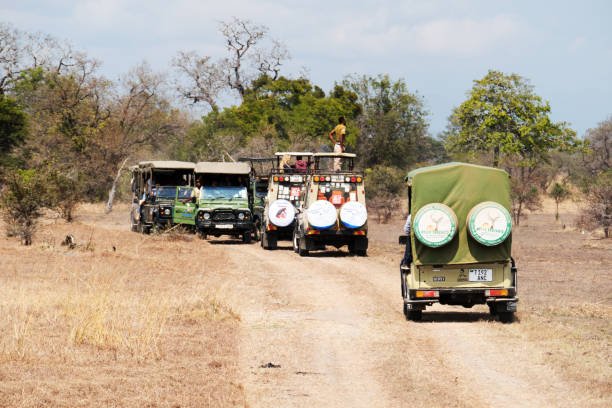
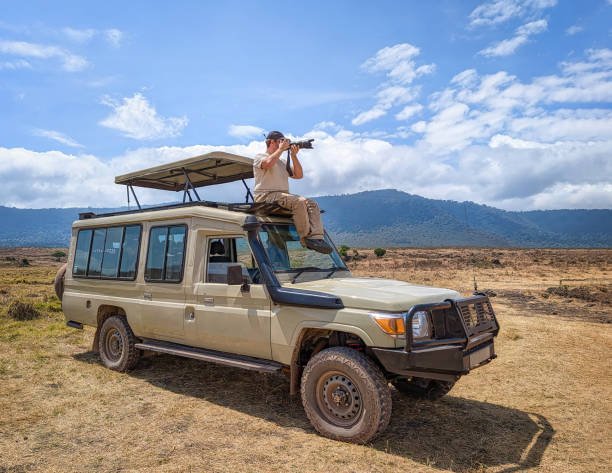
You’ll travel in a comfortable 4×4 safari vehicle, often with a pop-up roof for excellent game viewing. Your driver-guide will be knowledgeable about the local area and the park’s wildlife. This option offers flexibility, allowing you to stop for photos and tailor the pace of your journey. For any safari plans in 2026 or 2027, booking this through a reputable operator like Top Guide Adventures ensures a reliable transfer.
Hiring a Car with a Driver
If you prefer more control over your itinerary but don’t want to drive yourself on unfamiliar roads, hiring a car with a driver for the day is a viable option. This is essentially what a tour operator provides, but you might arrange it independently. Ensure the driver is experienced and the vehicle is in good condition. This usually involves negotiating a day rate that includes fuel and the driver’s fee. It’s crucial to confirm what is included, especially park entry fees, which are separate.
Public Transport (Not Recommended for Tourists)
While public transport (daladalas and minibuses) is available between towns and to villages closer to the park entrances, it is generally not a practical or recommended option for tourists visiting Arusha National Park. The routes may not go directly to the park gates, transfers can be complicated, and the journey will be significantly longer and less comfortable. Furthermore, you would still need to arrange transport inside the park or hire a vehicle once you reach a suitable point, which can be difficult and time-consuming. For a day trip, this method would consume too much valuable time.
Distance and Road Conditions
The main road leading to the park entrance (Sanya Juu area for the Momella Gate side) is generally in decent condition, being paved for most of the way. However, once inside the park, the roads are unpaved and can become muddy and challenging, especially during the rainy seasons. This is where a sturdy 4×4 vehicle is essential. The distances are not vast—the park covers about 137 square kilometers—but the internal tracks can slow you down, making a full day essential for proper exploration.
Booking Your Transport
When booking your visit to Arusha National Park, especially if you’re planning for 2026-2027, it’s best to discuss transport with your chosen tour operator. They will factor this into your overall safari package. Ensure your booking clearly states pick-up locations, times, and what the vehicle will be used for (e.g., a full-day game drive with stops at specific locations).
Top Tip: For the most comfortable and efficient transfer, always opt for a private 4×4 vehicle arranged by a reputable local tour operator. This ensures you have a reliable vehicle and an experienced guide ready to make your day trip memorable.
Day Trip Itineraries: Maximizing Your Visit
A day trip to Arusha National Park is the most common way visitors experience its wonders, given its proximity to the main tourist hubs. The park is ideal for a single-day excursion, allowing you to see its most famous sights without needing overnight accommodation. Here are a couple of popular itinerary structures, focusing on what you can realistically achieve from Arusha or Moshi.
Classic Arusha National Park Day Safari: Momella Lakes & Ngurdoto Crater
This itinerary is designed to give you a comprehensive overview of the park’s diverse landscapes and wildlife in a single day.
- Morning (Approx. 7:30 AM – 8:00 AM): Pick-up from your hotel in Arusha or Moshi. Your safari vehicle and driver-guide will arrive to begin the journey.
- Drive to Park (Approx. 1.5 – 2 hours): Travel towards Arusha National Park, enjoying the changing scenery as you leave the towns behind and approach the park gates.
- Entering the Park & Ngurdoto Crater (Approx. 9:30 AM – 12:00 PM): After park formalities, you’ll drive to the entrance of Ngurdoto Crater. You’ll ascend to the crater rim for spectacular panoramic views. Often, there’s a viewpoint where you can observe the animals grazing on the crater floor below, which may include buffalo, warthogs, zebras, and various antelopes. Some itineraries might include a short drive down into the crater itself, depending on road conditions and time.
- Picnic Lunch (Approx. 12:00 PM – 1:00 PM): Enjoy a packed lunch at a designated picnic site, often with beautiful views of the surrounding landscape, perhaps near one of the Momella Lakes or with Mount Meru as a backdrop.
- Momella Lakes Exploration (Approx. 1:00 PM – 3:00 PM): Drive to the Momella Lakes. These shallow, alkaline lakes are famous for their vibrant colours and abundant birdlife, particularly flamingos (though their presence and numbers can fluctuate). You’ll have opportunities to stop at different viewpoints to observe the birds and other wildlife like giraffes, zebras, and waterbucks that frequent the lake shores.
- Walking Safari Option (Optional, Approx. 1 hour): If time and interest permit, you can arrange a guided walking safari. This usually takes place in a designated area outside the crater, led by an armed ranger. It’s a fantastic way to experience the park’s smaller details and flora up close.
- Afternoon Game Drive & Departure (Approx. 3:00 PM – 4:30 PM): A final game drive as you make your way towards the park exit, perhaps spotting animals missed earlier.
- Return Journey (Approx. 4:30 PM – 6:30 PM): Drive back to Arusha or Moshi, arriving at your hotel in the early evening.
Mount Meru Forest & Waterfalls Exploration (Alternative Focus)
For those more interested in the montane forest and the foothills of Mount Meru, a slightly different itinerary can be arranged. This often combines a shorter game drive with a guided walk.
- Morning: Pick-up and drive to the park, heading towards the Momella Gate area.
- Guided Forest Walk: start a guided walking safari through the lower slopes of Mount Meru. This walk, led by an armed ranger, is excellent for spotting colobus monkeys, various bird species, and learning about the unique flora of the montane forest. You might visit waterfalls like the Tululusia waterfalls.
- Short Game Drive: After the walk, a brief game drive might take you to a viewpoint or a different section of the park to see giraffes or buffalo.
- Picnic Lunch: Enjoy lunch in a scenic spot.
- Return: Drive back to Arusha or Moshi.
This alternative is great if you’re not as focused on seeing large herds of plains game and are more interested in the forest ecosystem and the experience of walking in a wildlife area. It’s also a good prelude for those planning a Mount Meru climb in 2026 or 2027.
Key Considerations for Day Trips
- Timing: Start early to maximize daylight hours and increase chances of seeing active wildlife.
- Flexibility: Discuss your interests with your guide. They can often adjust the itinerary slightly to focus on areas or activities you prefer.
- Park Fees: Ensure park entry fees, vehicle fees, and ranger fees (for walking safaris) are included in your tour price or clearly understood if they are separate.
- What to Bring: Packed lunch, plenty of water, sunscreen, hat, sunglasses, camera, binoculars, and a light jacket (it can be cooler in the forest or at higher elevations).
When planning your 2026-2027 Tanzanian adventure, remember that a day trip to Arusha National Park is a perfectly fulfilling experience if time is limited, offering a concentrated dose of Tanzania’s natural beauty.
What to See and Do Inside Arusha National Park
Arusha National Park, despite its compact size, packs a remarkable punch in terms of attractions and activities. It’s a place where diverse habitats meet, creating a unique environment for both wildlife and visitors. Understanding what awaits you inside will help you plan your visit for 2026 or 2027.
Ngurdoto Crater
This is arguably the park’s most striking geological feature. Ngurdoto Crater is a shallow, 3km-wide volcanic crater whose steep walls plunge down to a lush, swampy floor. While you cannot drive into the crater itself, you can drive up to the rim at several viewpoints. From these vantage points, you get a spectacular bird’s-eye view of the wildlife congregating on the crater floor. Expect to see large herds of buffalo, warthogs, zebras, wildebeest, and various types of antelope. The views from the rim are also stunning, offering sweeping vistas of the surrounding savanna and distant mountains.
Momella Lakes
A series of seven shallow alkaline lakes, the Momella Lakes are a photographer’s dream. Each lake has a distinct colour, ranging from turquoise to deep blue and green, due to varying mineral content. The most famous are Big Momella and Small Momella. These lakes are a magnet for birdlife, particularly large flocks of Lesser and Greater Flamingos. While the number of flamingos can vary significantly depending on water levels and food availability, they are often present in large numbers, creating a impressive spectacle of pink against the blue water. You’ll also see other water birds, as well as giraffes, zebras, waterbucks, and warthogs grazing along the shores.
Mount Meru
The majestic Mount Meru, Tanzania’s second-highest peak at 4,566 meters, dominates the park’s western boundary. While climbing Mount Meru is a multi-day trek in itself, the park offers stunning views of its snow-capped summit (visible on clear days) from various points. The lower slopes of the mountain are covered in dense montane forest, which is a habitat for different wildlife than the savanna areas.
Montane Forest and Walking Safaris
The park’s montane forest, found on the slopes of Mount Meru, is a habitat for different species. It’s a cooler, wetter environment than the savannas. This forest is particularly known for its primates, especially the striking black-and-white colobus monkeys, which are often seen leaping through the trees. Other primates like blue monkeys and baboons can also be found. Arusha National Park is one of the few places in Tanzania where you can undertake a guided walking safari. Accompanied by an armed ranger, these walks offer an intimate connection with nature. You’ll explore the forest floor, discover smaller creatures, learn about medicinal plants, and experience the thrill of being on foot in a wildlife area. This is a highly recommended activity for those who want a more hands-on experience.
Waterfalls
Within the park’s forested areas, particularly on the slopes of Mount Meru, you can find beautiful waterfalls. The Tululusia Waterfalls are a popular spot for guided walks, offering a refreshing natural spectacle and a great place to pause and appreciate the lush environment.
Wildlife Viewing
While Arusha National Park may not boast the sheer density of big cats found in the Serengeti, it offers excellent opportunities to see a variety of other animals:
- Mammals: Buffalo, elephants (though less common than in other parks), giraffes, zebras, wildebeest, warthogs, waterbucks, dik-diks, hippos (in certain water bodies), and various antelope species. You might even spot the elusive leopard if you’re very lucky, especially on early morning or late evening drives.
- Primates: Black-and-white colobus monkeys, blue monkeys, baboons.
- Birds: Over 400 species have been recorded, making it a haven for birdwatchers. Look out for flamingos, Egyptian geese, various kingfishers, turacos, and many more.
Activities Available
- Game Drives: The primary activity, exploring the park’s roads by 4×4 vehicle.
- Walking Safaris: Guided walks with an armed ranger (requires advance booking and ranger fees).
- Canoeing: On certain lakes, offering a unique perspective on wildlife, especially water birds and hippos.
- Hiking Mount Meru: A serious multi-day trek, typically requiring at least 3-4 days, best suited for experienced hikers.
For those planning their trips in 2026-2027, considering these diverse offerings will help you tailor your day trip or even extend your stay to include a hike up Mount Meru.
Planning Your Visit: Practical Tips for 2026-2027
To ensure your visit to Arusha National Park is smooth and enjoyable, especially when planning for the upcoming years of 2026 and 2027, consider these practical tips:
Best Time to Visit
Arusha National Park is a year-round destination, but certain periods offer different experiences:
- Dry Seasons (June to October, January to February): These are generally considered the best times. The weather is pleasant, with sunny days and cooler nights. Wildlife is easier to spot as they congregate around water sources, and vegetation is less dense. Roads are in better condition.
- Green Seasons (March to May, November to December): These months bring rain, which can vary from short, sharp showers to longer periods of downpour. The landscape becomes incredibly lush and green, and birdlife is abundant. However, roads can become muddy and difficult, potentially affecting game drive routes. Prices for accommodation and tours might be slightly lower during the low season (typically March-May).
For 2026-2027, consider your priorities: clear skies and easier game viewing in the dry season, or vibrant green landscapes and fewer crowds in the wet season.
What to Pack
Packing appropriately is key for comfort and enjoyment:
- Clothing: Light, breathable clothing for daytime (long-sleeved shirts and trousers are good for sun protection and insect deterrence). A warmer jacket or fleece for early mornings and evenings, as temperatures can drop, especially at higher elevations or during the rainy season. Comfortable walking shoes are essential if you plan on walking safaris.
- Sun Protection: High SPF sunscreen, a wide-brimmed hat, and sunglasses are crucial due to the strong equatorial sun.
- Insect Repellent: Especially important for evenings and if you plan on walking in forested areas.
- Camera and Binoculars: To capture memories and get a closer look at wildlife. Extra batteries and memory cards are recommended.
- Water Bottle: Staying hydrated is vital. Consider a reusable bottle to minimize waste.
- Personal First-Aid Kit: With any personal medications.
- Lightweight Backpack: For carrying essentials during day trips or walks.
Park Fees and Costs
Understanding the costs involved is crucial for budgeting your 2026-2027 trip:
- Park Entry Fees: These are set by the Tanzania National Parks Authority (TANAPA) and are typically charged per person, per day. For 2026-2027, expect these fees to be around $50 – $70 USD per adult per day. The exact amount can change, so it’s best to confirm with your tour operator.
- Vehicle Fees: A fee is charged per vehicle entering the park.
- Ranger Fees: If you opt for a walking safari, an additional fee for the armed ranger is required. This is usually around $20 – $30 USD per group.
- Guide Fees: Your safari driver-guide’s fee is typically included in your tour package.
- What’s Usually Included in a Day Trip Package: Park entry fees, vehicle and driver-guide, picnic lunch, and bottled water.
- What’s Usually Excluded: Tips for the guide, drinks beyond water, souvenirs, and any optional activities not specified.
Always clarify what is included in your day trip quote to avoid surprises. Top Guide Adventures provides transparent pricing for their Arusha National Park day tours.
Booking Your Trip
When planning for 2026 or 2027, booking in advance is advisable, especially if you’re traveling during peak seasons or wish to include specific activities like a walking safari. Reputable local operators can assist with all arrangements.
Booking Tip: Contacting Top Guide Adventures early for your 2026-2027 travel dates is recommended. They can help secure your preferred dates, arrange custom itineraries, and ensure all park requirements are met.
Health and Safety
- Malaria: Arusha National Park is in a malaria-risk area. Consult your doctor about appropriate anti-malarial medication and mosquito bite prevention.
- Vaccinations: Check with your healthcare provider for recommended vaccinations for Tanzania.
- Water: Drink only bottled or purified water.
- Safety: Always follow your guide’s instructions, especially during game drives and walking safaris. Do not exit the vehicle in unauthorized areas.
Choosing Your Tour Operator: Why Local Expertise Matters
Selecting the right tour operator is paramount to a successful and memorable visit to Arusha National Park, particularly when planning your adventures for 2026-2027. Local operators possess invaluable knowledge and connections that can significantly enhance your experience.
In-depth Local Knowledge
Operators like Top Guide Adventures, based right in Arusha and Moshi, have intimate knowledge of the park. They know the best times to visit specific areas, the current wildlife movements, the condition of the roads, and the most scenic viewpoints. This local insight allows them to craft itineraries that maximize your chances of seeing wildlife and enjoying the landscapes, avoiding common tourist pitfalls.
Logistics and Efficiency
Arranging a day trip involves many moving parts: reliable
Check Availability for How To Visit Arusha National Park From Or Moshi 2026-2027
Ready to compare dates, prices, and the best option for your group? Send the package name and travel month so the team can reply with a clear quote, availability, and what is included.
Arusha Day Trips: Wildlife, Waterfalls, Culture, Coffee & Safari Experiences
Arusha day trips offer a fantastic way to experience Tanzania's diverse attractions without committing to longer safaris. From thrilling wildlife encounters in Arusha National Park to the...
View package details
Waterfalls, Coffee & Chagga Village Tours From Moshi: Materuni Day Trips
Experience the vibrant culture and natural beauty of Tanzania with a day trip to Materuni from Moshi. This tour combines the stunning Materuni Waterfalls, an authentic Chagga coffee-making...
View package details
How To Spend One Day In Arusha Before Safari – Best Trips And Things To Do
Discover the ideal ways to spend your single day in Arusha before embarking on your Tanzanian safari, focusing on the most rewarding day trips and local experiences.
View package details
Best Affordable Hotel In Arusha – Budget Accommodation Before Safari And
Best Affordable Hotel in Arusha – Budget Accommodation Before Safari and Kilimanjaro is explained with current 2026-2027 planning, price, itinerary and.
View package detailsNo closely related package is available yet for this topic.



