
The best month for a Tanzania safari in 2026-2027 depends on your priorities, whether that’s witnessing the Great Migration river crossings, experiencing the calving season, or enjoying drier weather with fewer crowds. Generally, the dry seasons from June to October offer excellent game viewing and are ideal for most visitors, while the green season from November to May presents unique opportunities like the dramatic calving season in the Serengeti, often with fewer tourists and lower prices.
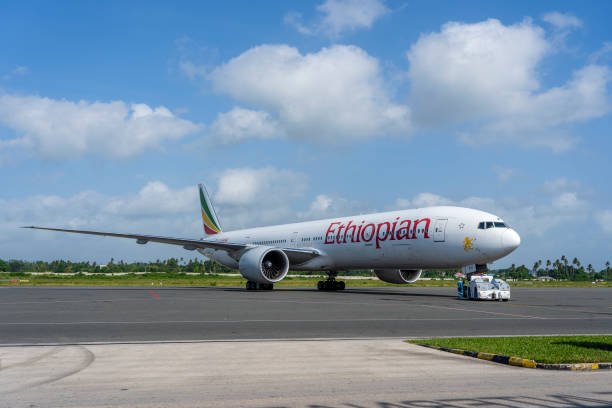

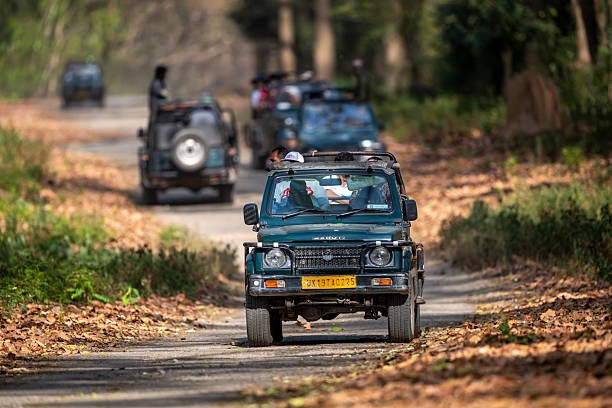
Selecting the ideal month for your Tanzanian safari is a pivotal decision that shapes your entire experience. Each month offers a distinct facet of this incredible country, from the dramatic movements of the Great Migration to the lush landscapes of the green season. As your local experts at TOP GUIDE ADVENTURES, we’ve compiled this comprehensive month-by-month guide to help you pinpoint the perfect time for your 2026-2027 adventure, balancing wildlife spectacles, weather patterns, and crowd levels.
Understanding Tanzania’s Climate and Seasons
Tanzania’s climate is broadly divided into two main seasons: the dry season and the green season (also known as the rainy season). Understanding these shifts is key to planning your safari.
The dry season typically runs from June through October. During these months, the landscape is drier, water sources become more concentrated, and animals tend to gather around them, making them easier to spot. Skies are often clear, offering excellent photographic opportunities. This is also peak tourist season, meaning accommodations and popular parks can be busier.
The green season, from November to May, is characterized by rainfall. However, this doesn’t mean constant downpours. Often, rain falls in short, intense bursts, usually in the afternoon or overnight, leaving mornings clear and suitable for game drives. The landscape becomes incredibly lush and vibrant, newborn animals are common, and birdlife is at its most active. This period can offer a more intimate safari experience with fewer vehicles and potentially more budget-friendly options.
Month-by-Month Tanzania Safari Breakdown
Let’s look at what each month typically brings to Tanzania’s renowned safari destinations like the Serengeti, Ngorongoro Crater, Tarangire, and Lake Manyara.
January & February: The Calving Season and Southern Serengeti
These months mark the height of the calving season in the southern Serengeti. Thousands of wildebeest and zebras give birth, creating a spectacular scene of new life and predator activity as lions, cheetahs, and hyenas capitalize on the vulnerable newborns. This is an excellent time for photographers and those interested in predator-prey dynamics. The weather is generally warm and dry, though short rains can occur.
Who it suits: Photographers, wildlife enthusiasts keen on predator action, and those who prefer warmer, drier conditions. It’s also a good time for birdwatchers as migratory birds are present.
Trade-offs: While not as crowded as the peak dry season, January and February are still popular, especially in the southern Serengeti. The grass can be tall in some areas, occasionally obscuring smaller animals.
March & April: The Long Rains and Eastern Migration
March and April are typically the wettest months in Tanzania, experiencing the ‘long rains’. While this can make some roads impassable, especially in the central and western Serengeti, it’s often a quieter time to visit. The landscape is at its most verdant, and the migratory herds begin to move north and east. The Ngorongoro Crater remains accessible and offers excellent resident game viewing year-round.
Who it suits: Budget travelers looking for lower prices and fewer crowds, photographers who enjoy lush, green landscapes, and those focused on the Ngorongoro Crater’s abundant wildlife.
Trade-offs: Heavy rainfall can disrupt travel plans and limit access to certain areas. Game viewing might be slightly more challenging in denser vegetation. Many camps in the Serengeti might close or reduce operations.
May: The End of the Rains and Pre-Migration Movements
May usually signals the end of the long rains, though scattered showers can still occur, especially early in the month. The landscape is still very green, and the migratory herds are beginning to gather in the western and central Serengeti, preparing for their northward journey. This can be a transitional period with fewer tourists and opportunities for good sightings.
Who it suits: Travelers seeking a balance of green landscapes and emerging wildlife action, often with better rates than the peak dry season.
Trade-offs: Some areas might still be wet, and road conditions can be variable. The exact timing of the migration can be unpredictable.
June & July: The Great Migration River Crossings Begin
As the dry season kicks in, the Great Migration heads towards the Grumeti River in the western Serengeti and then further north towards the Mara River. June and July are prime months for witnessing dramatic river crossings as the herds brave crocodile-infested waters. The weather is cool, dry, and sunny, offering superb visibility. This is a very popular time to visit.
Who it suits: Those prioritizing the iconic Great Migration river crossings and excellent dry-season game viewing. Ideal for photographers and first-time safari-goers.
Trade-offs: This is peak season. Expect higher prices, more vehicles at sightings, and the need to book accommodations well in advance for 2026-2027. River crossings are spectacular but not guaranteed daily.
August & September: Peak Migration and Northern Serengeti
August and September are arguably the most sought-after months for Tanzania safaris, particularly for witnessing the Mara River crossings in the northern Serengeti. The weather is consistently dry and pleasant, and wildlife is concentrated around permanent water sources. The northern circuit parks, including the Serengeti’s northern reaches, are teeming with animals. Tarangire National Park also shines with its large elephant herds.
Who it suits: Anyone wanting to see the Great Migration at its most dramatic, especially the Mara River crossings, and seeking the best overall dry-season game viewing. Excellent for families and couples.
Trade-offs: This is the absolute peak of the high season. Prices are at their highest, and popular lodges and camps book up months, even a year, in advance for 2026-2027. You will encounter many other safari vehicles.
October: Transition Month and Southern Migration Return
October is a transitional month. The dry season continues, but towards the end of the month, the first rains might begin, signaling the migration’s return south. Game viewing remains excellent in the Serengeti and Ngorongoro. Tarangire is still a fantastic option for elephants. The weather is typically warm and sunny, with a chance of short showers later in the month.
Who it suits: Travelers looking for excellent game viewing with slightly fewer crowds than August-September, and potentially better rates as the peak season winds down.
Trade-offs: The exact timing of the rains can vary, impacting the migration’s movement. Some areas might become muddy if rains start early.
November & December: The Short Rains and Migration’s Return South
The ‘short rains’ typically begin in November, bringing life back to the landscape. The migratory herds start moving south from the northern Serengeti, often heading towards the southern plains. This can be a beautiful time to visit, with lush scenery and fewer tourists. The Ngorongoro Crater and Lake Manyara offer fantastic resident game viewing. December sees increased activity as the herds move towards the southern Serengeti for the upcoming calving season.
Who it suits: Those seeking a greener landscape, fewer crowds, and potentially lower prices. Excellent for birdwatching. Good for families during the December holidays.
Trade-offs: Rainfall can be unpredictable, potentially affecting road conditions and game drives. Some wildlife might be more dispersed in the lush vegetation.
Comparing Safari Experiences by Month
To help you make an informed decision for your 2026-2027 safari, consider these comparative factors:
| Month(s) | Key Wildlife Event | Weather | Crowds | Price Range | Best For |
|---|---|---|---|---|---|
| January-February | Calving Season (South Serengeti) | Warm, Dry (occasional short rains) | Moderate | Mid to High | Predator action, newborn wildlife, photography |
| March-April | Long Rains, Migration moving North/East | Wettest Months | Low | Low to Mid | Budget travelers, lush landscapes, Ngorongoro Crater |
| May | End of Rains, Pre-Migration Movements | Variable (end of rains) | Moderate Low | Mid | Green scenery, fewer crowds, migrating herds |
| June-July | Great Migration River Crossings (Grumeti/Mara) | Cool, Dry, Sunny | High | High | Iconic river crossings, excellent dry-season viewing |
| August-September | Peak Migration (Mara River Crossings), Northern Serengeti | Dry, Pleasant | Very High | Very High | Best overall migration, dry season viewing, photography |
| October | Migration moving South, Dry Season Continues | Warm, Dry (possible short rains late) | Moderate High | High | Excellent game viewing, fewer crowds than peak |
| November-December | Short Rains, Migration returning South | Warm, Showers | Moderate | Mid to High | Green landscapes, birding, holiday travel |
Planning Your 2026-2027 Tanzania Safari: Key Considerations
Beyond the month, several factors influence your safari planning. As experts from TOP GUIDE ADVENTURES, we emphasize these points:
The Great Migration Route
The Great Migration is not a single event but a continuous cycle. Its location dictates the best parks to visit at specific times. For instance, focusing on river crossings means targeting the northern Serengeti in July-September. For the calving season, the southern Serengeti from January-February is ideal. Understanding this movement is crucial for a successful Tanzania Wildlife Safari.
Park Accessibility and Road Conditions
During the rainy seasons (March-April and November-December), some park roads can become challenging. While our experienced guides and 4×4 safari vehicles are equipped for these conditions, certain remote areas might be temporarily inaccessible. Parks like the Ngorongoro Crater, Lake Manyara, and parts of the central Serengeti are generally accessible year-round. For specific park details, consider exploring options like the Northern Tanzania Safari circuit, which offers a variety of landscapes and wildlife.
Accommodation Availability and Booking Windows
The peak seasons (June-October, and December) see high demand for lodges and tented camps. It’s essential to book your accommodation and safari package for 2026-2027 well in advance, especially for popular camps in the Serengeti or unique lodges. Booking early ensures you secure your preferred lodging and potentially better rates. For those on a tighter budget or seeking a more exclusive experience, consider the shoulder seasons or green season. We offer various options, from Tanzania Budget Safaris to Private Luxury Tanzania Safaris.
Your Personal Interests
Are you primarily interested in birdwatching? The green season (November-May) is phenomenal. Do you dream of seeing the wildebeest cross the Mara River? Aim for July-September. Are you fascinated by predators and newborn animals? January-February in the southern Serengeti is your best bet. Tailoring your trip to your specific interests will make the experience even more rewarding. For instance, a Tanzania Walking Safari offers a different perspective, often available year-round in specific locations.
Making Your Choice for 2026-2027
As your dedicated local guides, we understand that choosing the perfect month is crucial. Whether you’re drawn to the drama of the migration, the tranquility of the green season, or the abundance of wildlife in the dry season, Tanzania offers an unparalleled safari experience year-round.
For instance, if witnessing the Great Migration river crossings is your absolute top priority for your 2026 or 2027 adventure, then aiming for July to September in the northern Serengeti is your best strategy. However, be prepared for peak season prices and crowds. If you prefer fewer vehicles and a more intimate experience, consider the shoulder months like May or October, which still offer excellent game viewing with a higher chance of seeing the migration on the move.
If the thought of newborn wildebeest and intense predator action excites you, then January and February in the southern Serengeti are ideal. This period offers a different, yet equally spectacular, wildlife spectacle. For those seeking a more budget-friendly trip or a landscape bursting with life, the green season months of November to April (avoiding the heaviest rains of March/April if possible) can be incredibly rewarding, especially for birdwatchers and photographers who appreciate lush scenery.
Remember, parks like the Ngorongoro Crater offer phenomenal wildlife viewing year-round due to its resident populations, making it a fantastic addition to any safari itinerary regardless of the month. Similarly, parks like Tarangire are particularly famous for their large elephant herds during the dry season (June-October).
Ready to Plan Your Perfect Tanzania Safari?
Deciding on the best month is just the first step. At TOP GUIDE ADVENTURES, we specialize in crafting personalized safari itineraries for 2026-2027 that align with your interests, budget, and desired experiences. Whether you’re planning a solo adventure, a private safari for two, a family holiday, or looking to join a group, we’re here to help. Contact us today to discuss your dream Tanzanian safari!
WhatsApp: +255 616 946 642
Email: topguideadventures@gmail.com
We are committed to providing practical advice and exceptional service, ensuring your journey through Tanzania is unforgettable. Let’s make your 2026-2027 safari dreams a reality!
Check Availability for Best Tanzania Safari Month By Travel Guide 2026-2027
Ready to compare dates, prices, and the best option for your group? Send the package name and travel month so the team can reply with a clear quote, availability, and what is included.
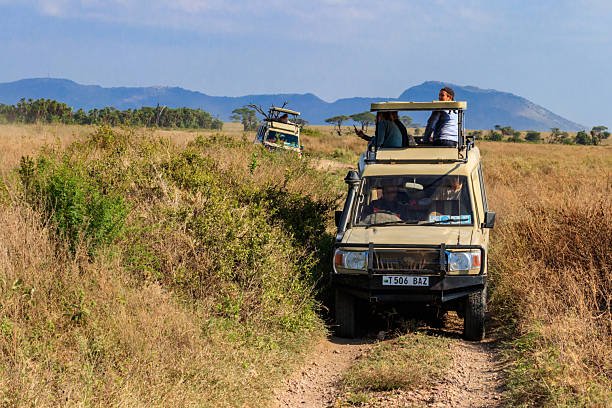
Lake Natron And Tarangire Safari Tour: An Unforgettable Tanzanian Adventure
Combine the otherworldly beauty of Lake Natron with the abundant wildlife of Tarangire National Park on a custom Tanzania safari. This guide helps you plan your unique adventure, focusing...
View package details
Lake Natron And Ngorongoro Safari Combination: Your Expert Tanzania Adventure
Discover the contrasting wonders of Tanzania by combining the stark beauty of Lake Natron with the abundant wildlife of the Ngorongoro Crater. This safari pairing offers a unique blend of...
View package details6 Day Lake Natron And Northern Tanzania Safari 2026-2027
6 Day Lake Natron and Northern Tanzania Safari 2026-2027 is explained with current 2026-2027 planning, price, itinerary and booking information.
View package details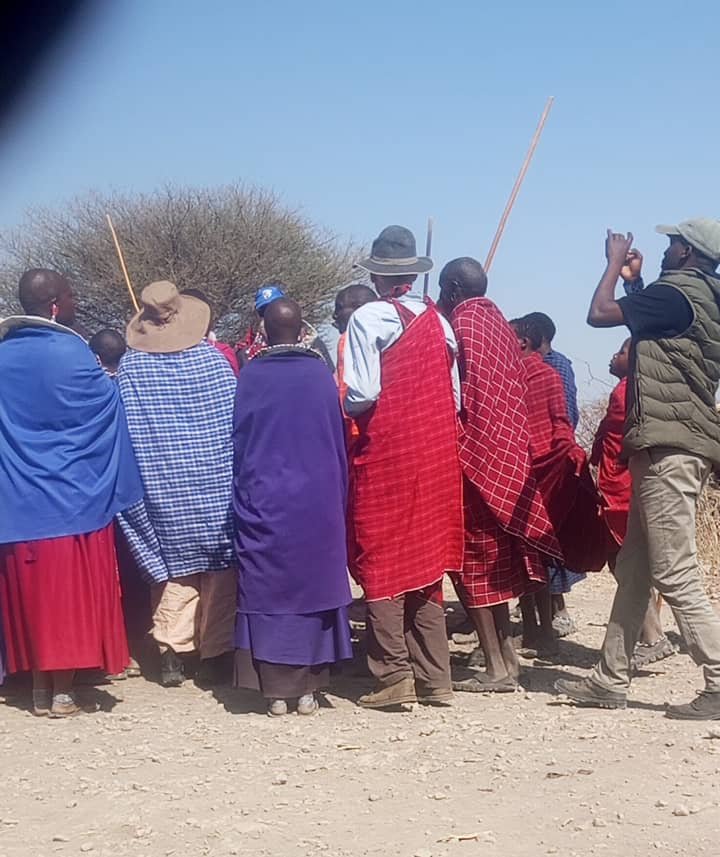
Lake Eyasi Private Cultural Safari Tour: Connect With Tanzanias Ancient Tribes
start an unforgettable Lake Eyasi Private Cultural Safari Tour to connect with Tanzania's ancient hunter-gatherer and pastoralist communities. This tour offers a unique opportunity to...
View package details
7 Day Lake Eyasi Cultural Safari And Tanzania Wildlife Adventure 2026-2027
Discover the unique cultures of the Hadzabe and Datoga people around Lake Eyasi, combined with thrilling wildlife encounters on this 7-day Tanzania adventure in 2026-2027. This itinerary...
View package details
6 Day Lake Eyasi Cultural Safari And Northern Tanzania Tour 2026-2027
Discover the heart of Tanzania on a 6-day cultural safari to Lake Eyasi, combined with a taste of Northern Tanzania's renowned wildlife. This itinerary offers deep dives into the lives of...
View package detailsBest Arusha Tanzania Tours Safaris And Day Trips For 2026-2027
Planning a safari or day trip from Arusha? This guide covers the best options, from multi-day safaris to quick escapes, helping you choose the perfect Tanzanian adventure for 2026-2027.
View package details7 Day Ol Doinyo Lengai Lake Natron And Serengeti Safari 2026-2027
7 Day Ol Doinyo Lengai Lake Natron and Serengeti Safari 2026-2027 is explained with current 2026-2027 planning, price, itinerary and booking information.
View package details
6 Day Ol Doinyo Lengai Trek And Northern Tanzania Tour | Top Guide Adventures
start a unique 6-day journey in 2026-2027 combining the challenging ascent of Ol Doinyo Lengai with the impressive landscapes and wildlife of Northern Tanzania. This itinerary offers an...
View package details
5 Day Ol Doinyo Lengai Climb And Cultural Safari | Top Guide Adventures
This 5-day itinerary offers a unique blend of adventure and culture, featuring a challenging climb of Ol Doinyo Lengai and in-depth experiences with local tribes. Plan your 2026-2027 trip...
View package details
Lake Natron Budget Tour And Safari Packages : Your Affordable Guide 2026-2027
Discover the best budget tour and safari packages for Lake Natron in 2026-2027. This guide explains costs, inclusions, and how to plan your unforgettable, affordable adventure to this...
View package detailsLake Natron Camping Safari And Adventure Tour 2026-2027
Discover the raw beauty and unique ecosystem of Lake Natron on a camping safari and adventure tour. This guide covers what to expect, the best times to visit, and how to plan your 2026-2027...
View package detailsNo closely related package is available yet for this topic.



