
A Central Serengeti Great Migration safari experience focuses on witnessing the vast herds of wildebeest and zebras as they traverse the iconic plains, often best observed from the Seronera Valley and surrounding areas, particularly during the dry season months of June through October when animals congregate around water sources, offering incredible predator-prey interactions and a truly spectacular wildlife spectacle.
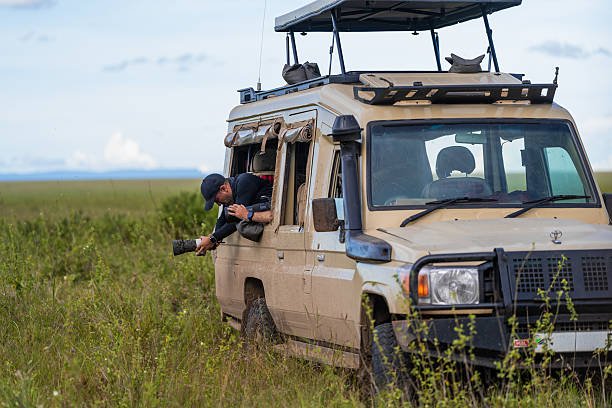
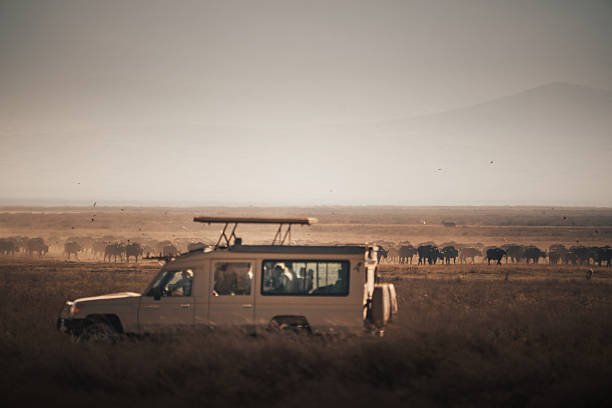
Planning a safari to witness the Central Serengeti Great Migration is about understanding the dynamic nature of this natural wonder and aligning your visit with the most opportune times and locations. While the Great Migration is a year-round phenomenon, its presence and activity in the central region offer unique viewing opportunities that differ from other parts of the Serengeti ecosystem. Top Guide Adventures specializes in crafting these precise experiences, ensuring you capture the essence of this incredible wildlife event.
Understanding the Central Serengeti’s Role in the Migration
The Serengeti ecosystem is vast, and the Great Migration is a continuous, circular journey driven by the search for fresh grazing lands and calving grounds. The central region, particularly the Seronera Valley, serves as a crucial hub. Unlike the river crossings in the west or the calving season in the south, the central Serengeti offers consistent game viewing throughout the year, but its role in the migration is most pronounced during specific periods. From roughly June to October, as the herds move north and west after calving in the southern plains and then disperse, the central areas often become a resting and grazing ground before the herds potentially head towards the Grumeti or Mara Rivers.
This period is prime time for observing large numbers of animals concentrated in the accessible grasslands. The landscape here is characterized by rolling savannas, acacia woodlands, and kopjes (rocky outcrops), providing excellent vantage points for both herbivores and the predators that follow them. Understanding this pattern is key to maximizing your Central Serengeti Great Migration safari experience.
When to Plan Your Central Serengeti Migration Safari (2026-2027)
Timing is everything when it comes to the Great Migration. For the Central Serengeti Great Migration safari experience, the best window typically falls between June and October. During these months, the migration herds are often found in the central and western parts of the Serengeti, having moved on from the southern calving grounds and before the main river crossings in the far west or north.
- June – August: This period sees the herds moving northwards and westwards. They often linger in the central plains, offering excellent opportunities to see large numbers grazing and interacting. Predator sightings are also high as lions, leopards, and cheetahs take advantage of the abundant prey.
- September – October: The herds may start to disperse further or move towards the northern regions, but substantial numbers often remain in the central areas, especially around waterholes as the dry season continues. This is also a fantastic time for general wildlife viewing, as resident game is plentiful.
While the migration is the main draw, the central Serengeti boasts abundant resident wildlife year-round. So, even if your visit falls slightly outside the peak migration months, you are virtually guaranteed incredible sightings of elephants, giraffes, buffaloes, lions, leopards, cheetahs, and a myriad of bird species. For those specifically targeting the migration in the central region, booking your safari for 2026 or 2027 within these June-October months is highly recommended. Early booking is crucial, especially for the 2027 season, as popular lodges and camps fill up quickly.
Key Viewing Areas within the Central Serengeti
The Seronera Valley is the heart of the central Serengeti and is renowned for its high concentration of wildlife, including big cats. However, the migration’s presence expands beyond just this valley.
- Seronera Valley: This is arguably the most famous area. Its permanent river supports lush vegetation, attracting a wide array of animals. It’s particularly known for its high density of big cats – lions, leopards, and cheetahs are frequently spotted here, often using the kopjes for vantage points.
- Moru Kopjes: Located south of Seronera, this area is dotted with large granite outcrops that provide shelter and hunting grounds for lions and cheetahs. It’s also a good place to spot black rhinos, which are rare elsewhere in the park.
- Tango Plains: This open savanna area is ideal for spotting large herds of wildebeest and zebras when they are present. The vastness of the plains allows for dramatic photographic opportunities.
- Retina Hippo Pool: While known for its hippo population, the surrounding area is also a magnet for predators and herbivores, especially during the dry season.
When planning your Central Serengeti Great Migration safari experience, discuss with your guide where the herds are most likely to be concentrated during your specific travel dates. The knowledge of local guides is invaluable in tracking the movements, which can shift based on rainfall and grazing conditions.
Accommodation Options for Your Central Serengeti Safari
The choice of accommodation significantly impacts your safari experience. In the central Serengeti, you’ll find a range of options from luxury lodges to comfortable tented camps, each offering a unique way to connect with the wilderness.
- Luxury Lodges: These offer high-end amenities, including swimming pools, fine dining, and spacious suites, often with stunning views. They provide a comfortable retreat after a day of game drives. Examples include Four Seasons Safari Lodge Serengeti and Melia Serengeti Lodge.
- Tented Camps (Mid-Range to Luxury): For a more authentic safari feel, tented camps offer comfortable canvas accommodations with en-suite bathrooms. Some are permanent structures, while others are semi-permanent and can be moved to follow the migration. These camps provide an intimate connection with nature. Look for camps like Kubu Kubu Tented Lodge or Serengeti Serena Safari Lodge for excellent mid-range to upper-mid-range experiences.
- Mobile Tented Camps: These are strategically set up in specific locations to be close to the migration herds. While less common in the central region compared to other migration hotspots like the northern or southern Serengeti, their availability can vary. They offer the most in-depth experience, often being closer to the action.
When booking your Central Serengeti Great Migration safari experience for 2026-2027, consider the location of your accommodation. Staying within or very close to the central Serengeti areas ensures minimal travel time to prime viewing spots, maximizing your time on game drives. TOP GUIDE ADVENTURES can help you select the perfect lodge or camp based on your budget and desired level of comfort.
Sample Itinerary: A 7-Day Central Serengeti Migration Focus
While itineraries can be customized, here’s a sample of what a 7-day safari focusing on the Central Serengeti Great Migration might look like for 2026 or 2027. This plan assumes arrival in Kilimanjaro International Airport (JRO) and includes internal flights for efficiency.
Day 1: Arrival in Arusha & Safari Briefing
Arrive at JRO, meet your guide, and transfer to your lodge in Arusha. Receive a comprehensive safari briefing from TOP GUIDE ADVENTURES. Overnight in Arusha.
Day 2: Fly to Central Serengeti & Afternoon Game Drive
After breakfast, transfer to Arusha Airport for a scenic flight to the Seronera Airstrip in the central Serengeti. You’ll be met by your safari guide and vehicle. Begin your first game drive en route to your lodge/camp. Enjoy the vast plains and look for resident wildlife. Overnight in Central Serengeti.
Day 3-5: Full Days Exploring Central Serengeti
Spend three full days exploring the Seronera Valley and its surrounding areas. Your experienced guide will track the migration herds and focus on predator sightings. Morning and afternoon game drives will be conducted daily. Depending on the herd’s location, you might explore areas like Moru Kopjes or Tango Plains. All meals and overnight stays in Central Serengeti.
Day 6: Central Serengeti Exploration & Fly to Arusha
Enjoy a final morning game drive in the central Serengeti, perhaps seeking out any wildlife you haven’t yet seen. After lunch, transfer to Seronera Airstrip for your flight back to Arusha. You’ll be met and transferred to your lodge. Overnight in Arusha.
Day 7: Departure
After breakfast, depending on your flight schedule, you may have time for souvenir shopping in Arusha before transferring to JRO for your onward journey.
This is a template, and TOP GUIDE ADVENTURES can tailor it to include other parks or extend your stay. For instance, you might combine this with a visit to the Ngorongoro Crater or Tarangire National Park. Check out our 7 Day Serengeti Great Migration Wildlife Safari 2026-2027 for a similar package.
What to Expect: Predators, Prey, and The Spectacle
The Central Serengeti Great Migration safari experience is about more than just seeing a large number of animals; it’s about witnessing the raw drama of nature unfold.
- Predator-Prey Dynamics: The sheer density of herbivores in the central Serengeti during the migration period attracts a formidable array of predators. Lions are abundant, often seen hunting in prides. Cheetahs, the fastest land animals, stalk their prey across the open plains, while elusive leopards are masters of camouflage in the acacia woodlands and kopjes. Hyenas and wild dogs are also active hunters.
- Calving Season (though less so in the center): While the main calving season is in the southern Serengeti (December-March), some late births might still occur in the central areas. This means vulnerable newborn calves can become easy targets for predators.
- Herd Behavior: Observe the complex social structures of wildebeest and zebras. Witnessing vast herds moving across the plains, dust clouds rising, and the constant vigilance against predators is a profoundly moving experience.
- Birdlife: Don’t forget the avian wonders! The Serengeti is a birdwatcher’s paradise, with numerous species of eagles, vultures, raptors, and smaller birds thriving alongside the large mammals.
A typical day involves early morning game drives, when animals are most active, followed by a return to camp/lodge for lunch and a rest during the hottest part of the day. Afternoon drives usually commence around 4 PM and continue until sunset, offering the chance to see nocturnal animals beginning to stir.
Practical Considerations for Your Safari (2026-2027)
To ensure a smooth and enjoyable Central Serengeti Great Migration safari experience, consider these practical aspects:
- Vehicle Choice: Opt for a 4×4 safari vehicle. TOP GUIDE ADVENTURES uses custom-built 4×4 Land Cruisers or Land Rovers, equipped with pop-up roofs for excellent game viewing and photography. Ensure your vehicle has charging ports for your devices.
- Guide Expertise: A knowledgeable guide is crucial. Our guides are local experts, trained to track wildlife, understand animal behavior, and provide insightful commentary on the ecosystem and culture.
- What to Pack: Lightweight, neutral-colored clothing (khaki, green, beige), a warm jacket or fleece for cool mornings and evenings, comfortable walking shoes, a wide-brimmed hat, sunglasses, high-SPF sunscreen, insect repellent, and a good pair of binoculars. A camera with extra batteries and memory cards is essential.
- Health and Safety: Consult your doctor about necessary vaccinations and malaria prophylaxis well in advance of your 2026-2027 safari. Always drink bottled water. TOP GUIDE ADVENTURES prioritizes safety with experienced guides and well-maintained vehicles. For mountain treks, we provide emergency oxygen and a pulse oximeter, though these are less relevant for standard Serengeti safaris unless combined with a climb.
- Park Fees and Permits: These are typically included in your safari package, but it’s wise to confirm. Fees are set by TANAPA (Tanzania National Parks Authority).
- Connectivity: Mobile phone reception can be spotty in the Serengeti. Some lodges offer Wi-Fi, but it may be slow or limited. Embrace the opportunity to disconnect.
Booking Your Central Serengeti Great Migration Safari
Booking your Central Serengeti Great Migration safari experience with TOP GUIDE ADVENTURES for 2026 or 2027 ensures a smooth and expertly managed adventure. We pride ourselves on offering personalized service, drawing on our deep local knowledge of Tanzania’s parks and wildlife.
When you’re ready to plan your trip, consider the following:
- Duration: A minimum of 3-4 days in the Serengeti is recommended, but a 7-day itinerary allows for a more comprehensive exploration, especially when combined with other parks.
- Group Size: We offer both private and group joining safaris. Private safaris offer flexibility and exclusivity, while group safaris are a more budget-friendly option. You can find details on our group departures at all-tanzania-safaris-group-departures-dates-best-shared-tours/.
- Budget: Safari costs vary based on accommodation level, duration, and inclusions. TOP GUIDE ADVENTURES offers packages ranging from budget-friendly to luxury. For cost guidance, see our Tanzania Safari Cost: Serengeti & Ngorongoro Prices, Packages & Deals 2026.
To get a personalized quote or discuss your dream safari, please reach out to us. We can help you craft the perfect Central Serengeti Great Migration safari experience, tailored to your interests and budget for 2026-2027.
For expert planning and booking of your Central Serengeti Great Migration safari experience in 2026-2027, contact TOP GUIDE ADVENTURES. Reach us via WhatsApp at +255 616 946 642 or email us at topguideadventures@gmail.com. Let us help you create an unforgettable wildlife adventure.
Check Availability for Central Serengeti Great Migration Safari Experience: A Comprehensive Guide
Ready to compare dates, prices, and the best option for your group? Send the package name and travel month so the team can reply with a clear quote, availability, and what is included.

Great Serengeti Migration Safaris In Tanzania: Best Routes, Seasons &
Discover the magic of the Great Serengeti Migration with Top Guide Adventures. This guide covers the best routes, optimal seasons for wildlife viewing, and essential planning tips for your...
View package details
Serengeti Safari From Mwanza: Best Route For Western Tanzania & 2026-2027
Discover the optimal routes for a Serengeti safari starting from Mwanza, focusing on the unique experiences offered by Western Tanzania and the Western Serengeti. This guide provides...
View package details
Tanzania Classic Wildlife Safaris: Serengeti, Ngorongoro, Tarangire & Manyara
start an unforgettable Tanzania classic wildlife safari covering the iconic parks of Serengeti, Ngorongoro Crater, Tarangire, and Lake Manyara. These tours are designed to showcase the best...
View package details
How To Visit Southern Serengeti For Calving Season – Ndutu Safari, Timing And
Visiting the Southern Serengeti during the calving season in Ndutu offers an unparalleled wildlife spectacle. This guide details the optimal timing, essential logistics, and what to...
View package details
Best 5 Day Private Safari Tour From Mwanza: Serengeti & Western Tanzania
start an unforgettable 5-day private safari adventure starting from Mwanza, Tanzania. This expertly crafted itinerary blends the iconic wildlife viewing of the Serengeti with the distinct...
View package details
Migration Wildlife Hotspots – Best Places To See The Great In Tanzania
Witnessing the Great Migration in Tanzania is a bucket-list safari experience. This natural phenomenon sees millions of wildebeest, zebras, and antelopes traverse the plains in search of...
View package detailsThe Worlds Richest Billionaires: Their Preferred Luxury Travel Destinations
This article delves into the travel habits and preferred destinations of the world's wealthiest individuals, examining their affinity for private islands, exclusive safari adventures, and...
View package details
Arusha Day Trips: Wildlife, Waterfalls, Culture, Coffee & Safari Experiences
Arusha day trips offer a fantastic way to experience Tanzania's diverse attractions without committing to longer safaris. From thrilling wildlife encounters in Arusha National Park to the...
View package details
Hadzabe And Datoga Tribe Safari – Lake Eyasi Cultural Tour Traditional
Hadzabe and Datoga Tribe Safari – Lake Eyasi Cultural Tour and Traditional Experiences is explained with current 2026-2027 planning, price, itinerary and.
View package detailsAfrica Tours & Travel, All Safari Booking In Tanzania 2026-2027
Africa Tours & Travel, All Safari Booking in Tanzania is explained with current 2026-2027 planning, price, itinerary and booking information.
View package detailsTop Car Brands Known For Reliability – Best Vehicles Road Trips, Safari
Top Car Brands Known for Reliability – Best Vehicles for Road Trips, Safari and Adventure Travel is explained with current 2026-2027 planning, price.
View package detailsMost Beautiful Countries In The World: Safari, Nature, And Adventure Travel
This guide explores the most beautiful countries globally, focusing on destinations that offer unparalleled opportunities for safari, nature immersion, and adventurous pursuits. From the...
View package detailsNo closely related package is available yet for this topic.



