
The Serengeti calving season in Ndutu, Tanzania, typically occurs from late December to March, offering an unparalleled opportunity to witness the dramatic birth of thousands of wildebeest calves and the subsequent predator activity, making it a prime time for wildlife photography and viewing. Planning your trip for 2026 or 2027 during these months will place you at the heart of this natural spectacle, though it’s crucial to book well in advance due to high demand.


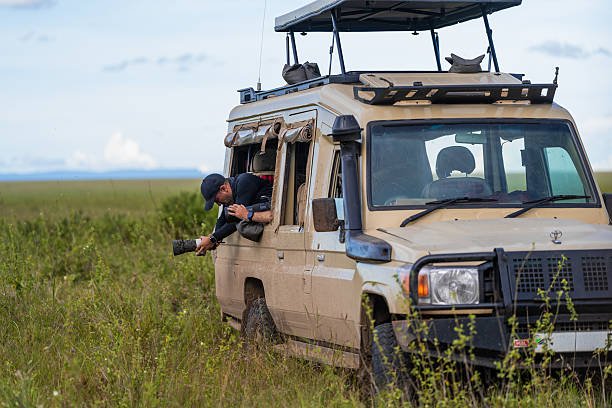
A safari focused on the Serengeti calving season in Ndutu is a dream for many wildlife enthusiasts, and for good reason. This period represents a pivotal moment in the Great Migration’s annual cycle, transforming the southern plains into a nursery of life and a hunting ground for predators. If you’re considering this incredible experience for 2026 or 2027, understanding the nuances of this season is key to a successful and memorable adventure.
Understanding the Serengeti Calving Season in Ndutu
The term ‘calving season’ specifically refers to the period when the vast herds of wildebeest, numbering in the hundreds of thousands, congregate in the southern Serengeti and the adjacent Ngorongoro Conservation Area, particularly around the Ndutu plains. While the Great Migration is a year-round phenomenon, its presence in Ndutu during this specific window is driven by the lush, nutrient-rich grasses that emerge after the first rains. This abundance of food is essential for the females to regain strength after their long migration and to support their newborns.
The peak of the calving usually falls between January and February. During this time, an astonishing number of wildebeest calves are born, often within a few weeks of each other. This synchronised birthing strategy is a fascinating evolutionary adaptation, designed to overwhelm predators by sheer numbers, ensuring that a significant portion of the young survive. For visitors, this means an incredibly high density of wildlife, with newborns taking their first wobbly steps just hours after birth, often becoming immediate targets for lions, cheetahs, hyenas, and other predators. The drama of life and death plays out daily across the plains, offering raw and compelling wildlife encounters.
The Ndutu area, while technically part of the Ngorongoro Conservation Area, offers a unique safari experience distinct from the northern Serengeti. It’s characterized by open grasslands dotted with acacia trees and kopjes, providing excellent vantage points for both the migrating herds and their predators. The landscape itself is impressive, especially when teeming with so much life.
When to Go: Timing Your 2026-2027 Calving Season Safari
The prime window for experiencing the calving season is generally considered to be from late December through March. However, the exact timing can shift slightly year by year, influenced by rainfall patterns.
- December: The herds begin to arrive in the Ndutu area, with the first calves starting to appear towards the end of the month. The landscape is starting to green up.
- January & February: This is the peak calving period. Expect huge numbers of wildebeest, a constant stream of newborns, and intense predator activity. The grasslands are at their most vibrant.
- March: Calving continues, though at a slightly reduced rate. The herds begin to prepare for their northward movement as the dry season approaches, and you’ll see young calves becoming more mobile.
When planning for 2026 or 2027, it’s advisable to aim for January or February for the most dramatic calving action. However, even the shoulder months of December and March offer fantastic game viewing with potentially fewer crowds and slightly lower prices. The decision often comes down to your specific interests: if witnessing the birth of thousands of calves is paramount, stick to January/February. If you prefer slightly quieter viewing and a broader range of wildlife behaviours, late December or March can be excellent choices.
It’s important to note that while Ndutu is the epicentre of calving, other parts of the southern Serengeti may also host significant numbers of wildebeest. A well-planned itinerary can often include visits to both.
What to Expect: Wildlife and Landscape
The Serengeti calving season safari in Ndutu is an immersion into one of nature’s most spectacular events. The sheer scale of the wildebeest herds is overwhelming; imagine plains stretching to the horizon, covered in a sea of black and brown as they graze and move. The air is filled with the sounds of grunting wildebeest, the calls of birds, and the occasional roar of a lion.
The Stars of the Show: Wildebeest and Newborns
The primary attraction is, of course, the wildebeest and their calves. You’ll see mothers nursing their young, playful calves practising their first sprints, and the constant vigilance required to survive. It’s a cycle of life that is both beautiful and brutal. Witnessing a lioness stalk a young calf, or a cheetah family on the hunt, provides a profound connection to the wild.
Predator Encounters
With so many vulnerable newborns around, predators are drawn to Ndutu in large numbers. Lions are particularly active, often seen hunting in prides or solitary. Cheetahs, with their incredible speed, are adept at catching young, swift-moving calves on the open plains. Hyenas, working in their complex clan structures, are also formidable hunters and scavengers. Leopards are more elusive but can be found in areas with trees, often with a kill hoisted up for safekeeping.
Other Wildlife
While the wildebeest migration dominates, Ndutu is also home to a rich diversity of other wildlife. Zebras often travel alongside the wildebeest, their stripes providing a dazzling contrast. You’ll also find gazelles (Thomson’s and Grant’s), various antelope species, and numerous bird species, especially around water sources. The Ndutu area is also known for its resident populations of elephants, giraffes, buffalo, and a variety of smaller mammals like jackals and mongooses.
The Landscape
The Ndutu plains are characterized by vast, open grasslands, which are ideal for the migrating herds. As the rains begin, the landscape transforms into a vibrant green carpet, dotted with iconic acacia trees and dramatic rock kopjes. The scenery is quintessential East African savanna, providing a stunning backdrop to the wildlife action. The atmosphere is often charged, with dramatic skies and the scent of rain on dry earth.
Choosing Your Accommodation: Lodges vs. Tented Camps
Your choice of accommodation significantly impacts your safari experience. For the Serengeti calving season in Ndutu, both lodges and tented camps offer excellent opportunities, but with different advantages.
Tented Camps: in-depth Experience
Tented camps, particularly mobile ones that move with the migration, offer the most in-depth experience. These camps are often set up in prime locations, allowing you to wake up to the sounds of the bush and be among the first out on game drives.
- Pros: Closer to nature, excellent locations, often more intimate atmosphere.
- Cons: Can be more basic (though luxury options exist), more susceptible to weather changes, may have shared bathroom facilities in budget options.
For the 2026-2027 season, booking a mobile tented camp that is specifically positioned in the Ndutu area during January and February is highly recommended for optimal wildlife viewing. Budget and mid-range travelers often find excellent value in well-run tented camps.
Lodges: Comfort and Amenities
Lodges in the Ndutu region offer more permanent structures with a wider range of amenities, often including en-suite bathrooms, hot showers, swimming pools, and restaurants. They provide a higher level of comfort and convenience.
- Pros: Greater comfort, reliable amenities, often more spacious rooms, good for families or those seeking more luxury.
- Cons: Can be more expensive, locations might be fixed and slightly further from the prime migration action compared to mobile camps.
For those seeking comfort and a more relaxed pace, a lodge can be ideal. Many mid-range and luxury packages will feature lodge stays. Ensure the lodge is strategically located within or very close to the Ndutu plains to maximize game viewing opportunities during the calving season.
Planning Your Safari Itinerary for 2026-2027
A typical Serengeti calving season safari might range from 3 to 7 days in the Ndutu area, often combined with other iconic Tanzanian destinations.
Sample Itinerary Structure
A common approach is to fly into Kilimanjaro International Airport (JRO) or Arusha Airport (ARK), spend a night, and then take a scenic bush flight directly to an airstrip near Ndutu. Alternatively, you can drive from Arusha, which takes longer but allows you to experience more of the Tanzanian landscape and potentially visit other parks like Tarangire or Lake Manyara en route.
Example 5-Day Ndutu Calving Season Itinerary:
- Day 1: Arrive at Kilimanjaro International Airport (JRO), transfer to Arusha for an overnight stay.
- Day 2: Morning flight from Arusha to Ndutu Airstrip. Met by your guide, begin game drives en route to your lodge/camp. Afternoon game drive in Ndutu.
- Day 3: Full day of game drives in Ndutu, focusing on calving herds and predator activity.
- Day 4: Morning game drive in Ndutu, perhaps exploring different sectors of the plains. Afternoon transfer back to the airstrip for your flight to Arusha or another destination.
- Day 5: Departure from Arusha or onward travel.
For those wanting to extend their safari, consider adding days in the central Serengeti, the Ngorongoro Crater, or Tarangire National Park. A Serengeti and Ngorongoro combination is a classic choice, offering diverse landscapes and wildlife experiences. Many operators, including Top Guide Adventures, offer customizable packages for 2026 and 2027 that can be tailored to your interests and duration.
Booking Considerations for 2026-2027
The Serengeti calving season is one of the most popular times to visit Tanzania. Therefore, booking well in advance, ideally 9-12 months ahead, is crucial for securing your preferred accommodation and ensuring availability, especially for peak dates in January and February 2026 and 2027. This is particularly true for lodges and high-end tented camps.
TOP GUIDE ADVENTURES specializes in crafting bespoke safari itineraries. When you contact us for your 2026-2027 Serengeti calving season safari, please provide:
- Your preferred travel dates (e.g., January 2027).
- The number of travelers in your group.
- Your desired level of accommodation (budget, mid-range, luxury).
- Any specific interests (e.g., photography, birdwatching).
This information helps us design the perfect trip for you. You can reach us via email at topguideadventures@gmail.com or WhatsApp at +255 616 946 642.
Practical Tips for Your Calving Season Safari
To make the most of your Serengeti calving season safari, consider these practical tips:
What to Pack
- Clothing: Neutral-coloured clothing (khaki, beige, olive green) is best to avoid startling wildlife. Pack light layers as temperatures can vary. Include long-sleeved shirts and trousers for sun and insect protection. A warm fleece or jacket is advisable for early morning and evening game drives.
- Footwear: Comfortable walking shoes or hiking boots are essential.
- Sun Protection: A wide-brimmed hat, sunglasses, and high SPF sunscreen are a must.
- Insect Repellent: Especially important for evenings.
- Camera Gear: Bring extra batteries, memory cards, and a zoom lens for capturing wildlife details. Binoculars are highly recommended.
- Personal Items: Medications, a small first-aid kit, hand sanitizer.
Remember that most safari operators, including Top Guide Adventures, have a 15 kg (33 lbs) luggage limit for light aircraft transfers, usually in soft-sided duffel bags. Check specific airline restrictions.
Health and Safety
Consult your doctor regarding malaria precautions and any necessary vaccinations well in advance of your trip. While malaria risk is present, it is generally lower in the dry season and higher during and immediately after the rains. Your accommodation will likely provide mosquito nets. For mountain treks like Kilimanjaro, Top Guide Adventures ensures licensed guides, practical advice, daily health checks, emergency oxygen, and a pulse oximeter; for safaris, safety is paramount with experienced guides and well-maintained vehicles.
Photography Tips
The calving season offers incredible photographic opportunities. The soft morning and late afternoon light (golden hours) is ideal. Consider using a beanbag for stable shots from the vehicle. Be patient; the best moments often unfold with time. Long lenses are invaluable for capturing animal behaviour without disturbing the wildlife.
Comparing Calving Season with Other Migration Periods
While the calving season is spectacular, the Great Migration offers different experiences throughout the year.
- June-October (Northern Serengeti): This is when the herds are typically in the northern Serengeti, crossing the Mara River. This is a high-octane period characterized by dramatic river crossings, which are a major draw for photographers and wildlife enthusiasts. However, it can be more crowded and expensive.
- November-December (Transition): The herds move south from the northern Serengeti towards the southern plains. The landscape is often dry and dusty, and game viewing can be good as animals concentrate around water sources.
The calving season in Ndutu offers a unique focus on birth and new life, with less emphasis on the dramatic river crossings. If your priority is witnessing the sheer abundance of young animals and the predator-prey dynamics that result, the calving season is unparalleled. For those seeking the thrill of river crossings, the northern migration is the time to go. For 2026-2027, consider which of these spectacles most appeals to you.
Cost Considerations for Your 2026-2027 Safari
The cost of a Serengeti calving season safari can vary significantly based on accommodation choices, duration, and travel style (private vs. group joining). Generally, the calving season is considered a peak season, so prices might be higher than in the low season.
Factors influencing price:
- Accommodation: Luxury lodges and high-end tented camps are more expensive than mid-range or budget options.
- Vehicle Type: Private 4×4 safari vehicles with pop-up roofs are standard for comfort and game viewing.
- Duration: Longer safaris naturally cost more.
- Flights: Internal bush flights add to the cost but save considerable travel time.
- Park Fees: These are fixed daily fees charged by the Serengeti National Park and Ngorongoro Conservation Area.
A rough estimate for a mid-range safari during the calving season in 2026-2027 might range from $350 to $600 per person per day, excluding international flights. Budget options, potentially involving group joining safaris, could be lower, while luxury experiences can exceed $800-$1000+ per person per day. For precise pricing and tailored quotes for your 2026 or 2027 adventure, it’s best to contact an expert tour operator like TOP GUIDE ADVENTURES.
We offer a range of safari packages and can create custom itineraries. Reach out to us via email at topguideadventures@gmail.com or WhatsApp at +255 616 946 642 to discuss your specific needs.
Why Choose TOP GUIDE ADVENTURES for Your 2026-2027 Safari?
As local experts based in Moshi/Arusha, TOP GUIDE ADVENTURES has a deep understanding of Tanzania’s parks and the intricacies of wildlife movements, including the Serengeti calving season. We are committed to providing authentic and unforgettable safari experiences for 2026 and 2027.
- Local Expertise: Our guides are highly experienced and possess intimate knowledge of the Serengeti ecosystem.
- Personalized Service: We tailor every itinerary to your specific interests, budget, and travel style.
- Value for Money: We strive to offer competitive pricing without compromising on quality.
- Comprehensive Planning: From accommodation and transport to activities and advice, we handle all the details.
- Support: We provide responsive booking support and are available to answer all your questions.
Don’t miss the chance to witness the miracle of life on the plains during the Serengeti calving season. Whether you’re planning for 2026 or 2027, let TOP GUIDE ADVENTURES help you create the safari of a lifetime. Contact us today to start planning!
Check Availability for Serengeti Calving Season Safari In Ndutu Tanzania : Your Essential Guide
Ready to compare dates, prices, and the best option for your group? Send the package name and travel month so the team can reply with a clear quote, availability, and what is included.

How To Visit Southern Serengeti For Calving Season – Ndutu Safari, Timing And
Visiting the Southern Serengeti during the calving season in Ndutu offers an unparalleled wildlife spectacle. This guide details the optimal timing, essential logistics, and what to...
View package details
Great Serengeti Migration Safaris In Tanzania: Best Routes, Seasons &
Discover the magic of the Great Serengeti Migration with Top Guide Adventures. This guide covers the best routes, optimal seasons for wildlife viewing, and essential planning tips for your...
View package details
Serengeti Safari From Mwanza: Best Route For Western Tanzania & 2026-2027
Discover the optimal routes for a Serengeti safari starting from Mwanza, focusing on the unique experiences offered by Western Tanzania and the Western Serengeti. This guide provides...
View package details
Tanzania Classic Wildlife Safaris: Serengeti, Ngorongoro, Tarangire & Manyara
start an unforgettable Tanzania classic wildlife safari covering the iconic parks of Serengeti, Ngorongoro Crater, Tarangire, and Lake Manyara. These tours are designed to showcase the best...
View package details
Best 5 Day Private Safari Tour From Mwanza: Serengeti & Western Tanzania
start an unforgettable 5-day private safari adventure starting from Mwanza, Tanzania. This expertly crafted itinerary blends the iconic wildlife viewing of the Serengeti with the distinct...
View package detailsAfrica Tours & Travel, All Safari Booking In Tanzania 2026-2027
Africa Tours & Travel, All Safari Booking in Tanzania is explained with current 2026-2027 planning, price, itinerary and booking information.
View package details
2 Day Tanzania Safari – Tarangire, Ngorongoro And Short Packages 2026-2027
2 Day Tanzania Safari – Tarangire, Ngorongoro and Short Safari Packages is explained with current 2026-2027 planning, price, itinerary and booking.
View package details
Rubondo Island National Park Prices In Tanzania – Safari Fees, Chimpanzee
Understanding Rubondo Island National Park prices is key to planning your Tanzanian adventure. Costs vary based on accommodation, activities like chimpanzee trekking, and safari duration...
View package detailsTop Car Brands Known For Reliability – Best Vehicles Road Trips, Safari
Top Car Brands Known for Reliability – Best Vehicles for Road Trips, Safari and Adventure Travel is explained with current 2026-2027 planning, price.
View package detailsMost Beautiful Countries In The World: Safari, Nature, And Adventure Travel
This guide explores the most beautiful countries globally, focusing on destinations that offer unparalleled opportunities for safari, nature immersion, and adventurous pursuits. From the...
View package detailsThe Worlds Richest Billionaires: Their Preferred Luxury Travel Destinations
This article delves into the travel habits and preferred destinations of the world's wealthiest individuals, examining their affinity for private islands, exclusive safari adventures, and...
View package detailsBiggest Animals Ever Discovered: African Wildlife, Ocean Giants, And Safari
Discover the planet's most massive creatures, including the giants of African savannas and the leviathans of the deep sea. Learn about their habitats, characteristics, and the awe they...
View package detailsNo closely related package is available yet for this topic.



