
The distance from Arusha to Tarangire National Park is approximately 160 kilometers (about 100 miles) via the most common route, with travel time typically ranging from 2.5 to 4 hours depending on road conditions and the specific entrance gate you aim for. This journey is a popular starting point for many northern Tanzania safaris, offering a gateway to incredible wildlife viewing, particularly during the dry season when large herds congregate near the Tarangire River. Your choice of transport and route will significantly influence the actual travel time, making it a key consideration for planning your 2026-2027 safari itinerary.
When planning your Tanzanian safari, understanding the logistics of reaching key destinations is paramount. Arusha serves as the primary hub for most northern circuit tours, and Tarangire National Park is often one of the first major wildlife areas visitors experience. Knowing the exact distance and expected travel time helps in scheduling your safari days efficiently, whether you’re aiming for a full day of game drives or planning onward travel to other parks.
Distance and Travel Time Breakdown
The most direct route from Arusha to Tarangire National Park covers roughly 160 kilometers (around 100 miles). However, this distance doesn’t translate to a simple, fixed travel time. Several factors come into play, making the journey variable:
- Road Conditions: The main road from Arusha towards Tarangire is generally paved for a significant portion, but the final stretch leading into the park and within the park itself can be unpaved, dusty, and bumpy, especially during the rainy seasons (typically March-May and November). This significantly slows down travel.
- Vehicle Type: A 4×4 safari vehicle, standard for Tanzania tours, is essential for navigating these roads. These vehicles are built for off-road conditions but still have speed limitations.
- Traffic and Delays: While not as congested as major city roads, you might encounter local traffic, especially near towns like Usa River, or temporary delays due to road maintenance or wildlife crossings on the approach.
- Entrance Gate: Tarangire has multiple gates. The most commonly used are the main gate near the park headquarters, but depending on your lodge location or safari plan, you might use alternative entrances, slightly altering the distance and time.
As a practical estimate for 2026-2027, budget between 2.5 to 4 hours for a one-way transfer from Arusha to a lodge or campsite inside Tarangire National Park. This accounts for potential minor delays and the need to drive at a moderate pace to ensure comfort and safety. If you are starting from Moshi, add an extra 1-1.5 hours to reach Arusha first.
Choosing Your Route: Road Conditions and Scenery
The primary route to Tarangire National Park from Arusha is via the main road heading southwest. This path takes you through agricultural areas, small towns, and increasingly savanna landscapes as you approach the park. Here’s a breakdown of what to expect:
- Arusha to Makuyuni: This initial section is usually on good tarmac roads. You’ll pass through bustling Arusha town and then head towards the smaller settlements and farmlands. This part of the journey offers glimpses of local Tanzanian life outside the main city.
- Makuyuni to Tarangire Entrance: From Makuyuni, the road turns towards Tarangire. While still largely a main artery, the tarmac may give way to improved dirt or gravel roads as you get closer to the park’s vicinity. This is where the driving can become slower and dustier, especially during dry periods.
- Park Roads: Once inside Tarangire, the ‘roads’ are essentially tracks. They are maintained to allow vehicle passage but are unpaved and can be challenging. Your driver-guide will navigate these based on animal sightings and park conditions.
For travelers keen on maximizing their time in the park, an early morning departure from Arusha is highly recommended. This allows you to arrive at Tarangire in time for a substantial morning game drive, often considered the best time for wildlife viewing due to cooler temperatures and increased animal activity. For those combining Tarangire with other parks like the Ngorongoro Crater or Serengeti, this route is a logical first step in a classic northern circuit itinerary.
Transportation Options: Safari Vehicles vs. Other Transfers
When traveling from Arusha to Tarangire, the type of vehicle you use is crucial for both comfort and access. Top Guide Adventures exclusively uses custom-built 4×4 safari vehicles for all its Tanzanian safaris, and this is the recommended choice for Tarangire.
- 4×4 Safari Land Cruisers/Land Rovers: These vehicles are the gold standard for Tanzanian safaris. They feature:
- Pop-up roofs for unobstructed game viewing and photography.
- Four-wheel drive capability, essential for navigating the often challenging off-road tracks within Tarangire and other parks.
- Comfortable seating, ample legroom, and suspension designed to handle rough terrain.
- Ample space for luggage, typically including a 15kg duffel bag allowance per person for overnight safaris.
- A knowledgeable local driver-guide who is an expert in wildlife spotting and park navigation.
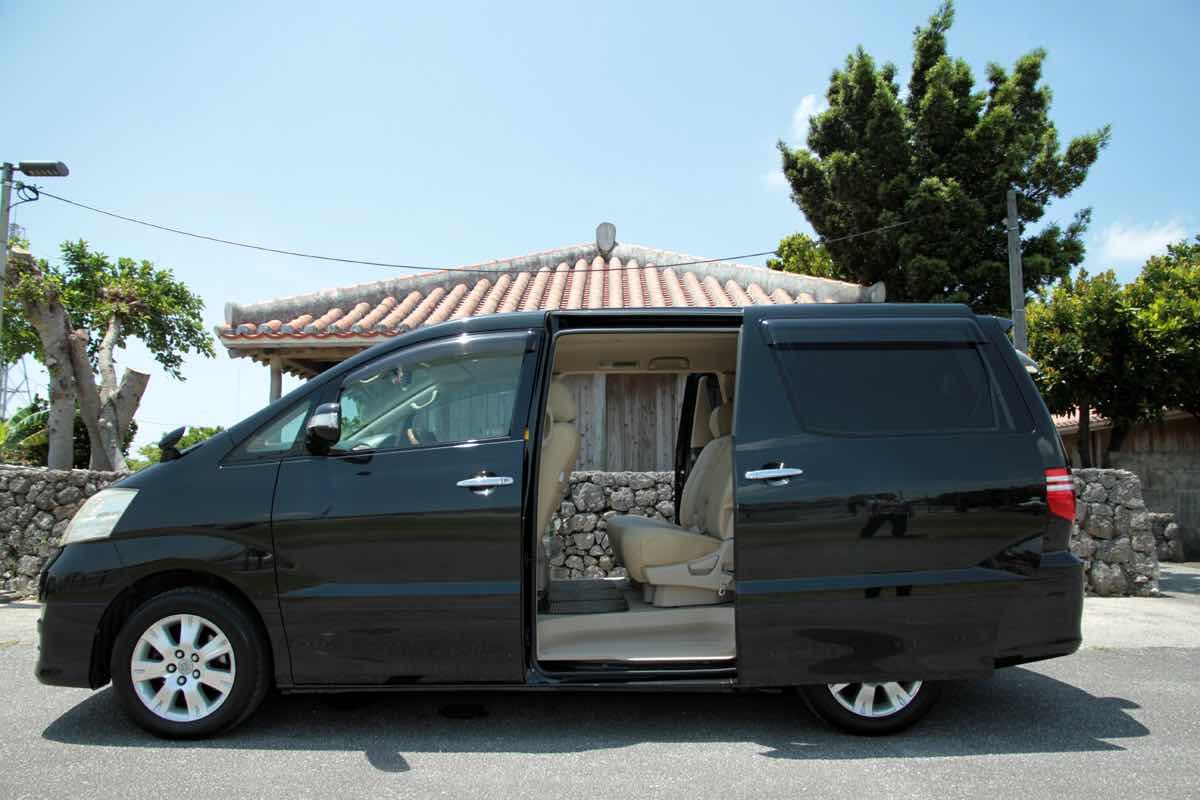
- Other Vehicle Types: While some operators might use minibuses or standard SUVs for transfers to lodges just outside parks, these are generally not suitable for extended game drives within Tarangire. They lack the ground clearance and robust suspension needed for park tracks and don’t offer the same game viewing advantages.
For a 2026-2027 safari experience that prioritizes comfort, safety, and optimal wildlife viewing, investing in a dedicated 4×4 safari vehicle with a professional guide is non-negotiable. This ensures you can reach prime wildlife areas and enjoy the journey without unnecessary discomfort. If you are considering a group joining safari, Top Guide Adventures ensures these vehicles are well-equipped and sized for the group.
Planning Your Tarangire Day Trip or Safari Extension
Deciding whether to visit Tarangire as a day trip from Arusha or as part of a longer safari requires careful consideration of your interests and available time. Each option offers a distinct experience.
Tarangire Day Trip: Is It Worth It?
A day trip to Tarangire is possible but demanding. It involves a very early start from Arusha (around 6:00 AM) and a return in the late afternoon or early evening. This gives you about 5-7 hours of actual game driving time within the park, factoring in the travel time. While you’ll certainly see wildlife, including the park’s famous elephants and baobab trees, you’ll miss the magic of the early morning and late evening hours, which are often the most active periods for predators.
Pros of a Day Trip:
- Time-Efficient: Good for those with very limited time who still want to experience a major Tanzanian park.
- Cost-Effective (Potentially): Can be cheaper than an overnight stay if you’re on a tight budget, though park fees are daily and significant.
Cons of a Day Trip:
- Exhausting: Long driving hours with limited time for actual wildlife viewing.
- Missed Opportunities: You’ll miss dawn and dusk wildlife activity, golden hour photography, and the chance to explore different areas of the park thoroughly.
- Less Relaxing: The pace is rushed, not allowing for the in-depth experience that a safari is known for.
Overnight Safari in Tarangire: The Recommended Experience
Spending at least one or two nights in or near Tarangire National Park offers a far richer and more rewarding experience. This allows for multiple game drives, including morning and afternoon sessions, and the chance to witness the park’s diverse ecosystems and wildlife at different times of the day.
Pros of an Overnight Stay:
- in-depth Wildlife Viewing: Experience dawn patrols, dusk predator activity, and the serene beauty of the park under changing light.
- Relaxed Pace: More time to explore different sectors of the park, track animals, and enjoy the landscape.
- Stargazing: African nights are spectacular, and staying overnight allows you to experience the sounds and sights of the bush after dark.
- Convenience: Less travel fatigue, with lodges and campsites located either inside or just outside the park boundaries.
Booking Advice for 2026-2027: For a truly memorable safari, we strongly advise booking at least a 1-night stay in Tarangire. This is a standard inclusion in most northern Tanzania safari packages. It allows you to truly connect with the wilderness.
When to Travel to Tarangire: Seasonal Considerations
Tarangire National Park is a year-round destination, but its appeal and the wildlife viewing experience vary significantly with the seasons. Understanding these differences is key to planning your 2026-2027 safari.
- Dry Season (June to October): This is considered the peak season for Tarangire. The Tarangire River becomes the park’s only reliable water source, attracting vast numbers of wildlife, including enormous elephant herds. You can expect large concentrations of animals along the riverbanks and in the surrounding grasslands. It’s also a fantastic time for spotting predators. Road conditions are generally good, though dusty.
- Green Season (November to May): During the wet season, the landscape transforms into a lush, green paradise. Wildlife disperses as water becomes plentiful throughout the park. While large herds are not as concentrated as in the dry season, the vegetation provides excellent cover for elusive species, and birdlife is spectacular. This is a great time for photographers seeking vibrant colours and fewer crowds. However, road conditions can deteriorate significantly, making some areas inaccessible and travel slower. The months of March, April, and May often experience the heaviest rains.
Key Seasonal Highlights:
- Elephants: Tarangire is famous for its large elephant populations, particularly visible in large numbers during the dry season (June-October).
- Baobab Trees: These iconic trees dot the landscape year-round, but are particularly striking against the green backdrop of the wet season or the golden hues of the dry season.
- Birdwatching: Especially rewarding during the green season (November-May) when migratory birds are present and resident birds are in breeding plumage.
For travelers planning for 2026-2027, the dry season offers the most predictable and concentrated wildlife viewing. However, the green season provides a unique, visually stunning experience with fewer tourists and potentially lower prices on accommodation.
What to Expect in Tarangire National Park
Tarangire National Park, though smaller than Serengeti, offers a distinct and interesting safari experience. Its landscape is characterized by vast elephant herds, ancient baobab trees, and a mix of habitats including acacia woodlands, savanna, and seasonal swamps.
- Wildlife: Tarangire is renowned for its massive elephant population, often seen in herds of hundreds. You can also expect to see lions, leopards, cheetahs, various antelopes (like gerenuk and fringe-eared oryx), zebras, wildebeest, giraffes, buffalo, and a rich diversity of birdlife.
- Landscape: The park is famous for its iconic baobab trees, which are a photographers’ delight. The Tarangire River is the lifeblood of the park, especially during the dry season, drawing animals from miles around.
- Activities: While standard game drives are the primary activity, Tarangire is one of the few parks in northern Tanzania that permits walking safaris (often on a 2-3 day basis, usually combined with a game drive) and night drives (typically offered by lodges just outside the park). These activities offer a different perspective on the bush. If you’re interested in a walking safari, ensure it’s arranged with your tour operator.
- Park Fees: Be aware that park entrance fees are charged per person per 24-hour period, plus a vehicle fee. This is a significant component of safari costs. For 2026-2027, these fees are subject to change by TANAPA (Tanzania National Parks Authority) but are typically around $50-70 USD per person per day.
A typical safari itinerary might include a full day of game drives within Tarangire, perhaps with an overnight stay at a lodge or campsite inside or just outside the park. This allows for a deeper exploration and a more relaxed pace than a day trip from Arusha.
Booking Your Arusha to Tarangire Safari with Top Guide Adventures
Planning your safari from Arusha to Tarangire National Park for 2026-2027 should be a straightforward and exciting process. As expert local tour operators based in Arusha, Top Guide Adventures specializes in crafting personalized safari experiences that maximize your time and enjoyment.
Why Choose Top Guide Adventures?
- Local Expertise: We have intimate knowledge of Tarangire and the surrounding areas, ensuring optimal routes, lodge selections, and game drive strategies.
- Customized Itineraries: Whether you want a short day trip, a 1-night stay, or Tarangire as part of a longer northern circuit safari including the Serengeti and Ngorongoro Crater, we tailor the trip to your preferences and budget.
- Quality Vehicles and Guides: We use well-maintained 4×4 safari vehicles and employ experienced, licensed driver-guides who are passionate about sharing Tanzania’s wildlife and culture.
- Responsive Support: From your initial inquiry to your departure, our team provides dedicated support. We can advise on the best times to visit, accommodation options (from budget campsites to luxury lodges), and what to pack.
Ready to Plan Your Trip?
To get a personalized quote or discuss your safari plans, please reach out to us. We recommend providing details such as:
- Your desired travel dates for 2026 or 2027.
- The number of travelers.
- Your preferred accommodation style (budget, mid-range, luxury).
- Any specific parks or experiences you are interested in (e.g., Tarangire, Serengeti, walking safaris, cultural visits).
You can contact us via WhatsApp at +255 616 946 642 or by emailing us at topguideadventures@gmail.com. Let Top Guide Adventures help you plan an unforgettable journey to Tarangire National Park!
Important Considerations for 2026-2027 Safaris
When booking your 2026-2027 safari, always confirm the exact inclusions and exclusions with your tour operator. This typically covers park fees, accommodation, a safari vehicle, driver-guide, and meals. Items usually excluded are international flights, visa fees, travel insurance, tips for guides and staff, and personal expenses. Understanding these details upfront prevents surprises and ensures a smooth trip.
Check Availability for How Far Is Tarangire From Arusha: Distance, Travel Time & Best Routes
Ready to compare dates, prices, and the best option for your group? Send the package name and travel month so the team can reply with a clear quote, availability, and what is included.

2 Day Tanzania Safari – Tarangire, Ngorongoro And Short Packages 2026-2027
2 Day Tanzania Safari – Tarangire, Ngorongoro and Short Safari Packages is explained with current 2026-2027 planning, price, itinerary and booking.
View package details
Tanzania Classic Wildlife Safaris: Serengeti, Ngorongoro, Tarangire & Manyara
start an unforgettable Tanzania classic wildlife safari covering the iconic parks of Serengeti, Ngorongoro Crater, Tarangire, and Lake Manyara. These tours are designed to showcase the best...
View package details
How To Spend One Day In Arusha Before Safari – Best Trips And Things To Do
Discover the ideal ways to spend your single day in Arusha before embarking on your Tanzanian safari, focusing on the most rewarding day trips and local experiences.
View package details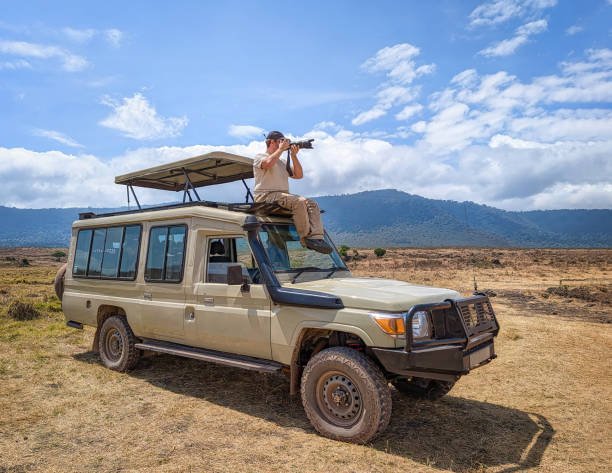
Arusha Day Trips: Wildlife, Waterfalls, Culture, Coffee & Safari Experiences
Arusha day trips offer a fantastic way to experience Tanzania's diverse attractions without committing to longer safaris. From thrilling wildlife encounters in Arusha National Park to the...
View package details
Best Affordable Hotel In Arusha – Budget Accommodation Before Safari And
Best Affordable Hotel in Arusha – Budget Accommodation Before Safari and Kilimanjaro is explained with current 2026-2027 planning, price, itinerary and.
View package detailsAfrica Tours & Travel, All Safari Booking In Tanzania 2026-2027
Africa Tours & Travel, All Safari Booking in Tanzania is explained with current 2026-2027 planning, price, itinerary and booking information.
View package detailsTop Car Brands Known For Reliability – Best Vehicles Road Trips, Safari
Top Car Brands Known for Reliability – Best Vehicles for Road Trips, Safari and Adventure Travel is explained with current 2026-2027 planning, price.
View package detailsMost Beautiful Countries In The World: Safari, Nature, And Adventure Travel
This guide explores the most beautiful countries globally, focusing on destinations that offer unparalleled opportunities for safari, nature immersion, and adventurous pursuits. From the...
View package detailsThe Worlds Richest Billionaires: Their Preferred Luxury Travel Destinations
This article delves into the travel habits and preferred destinations of the world's wealthiest individuals, examining their affinity for private islands, exclusive safari adventures, and...
View package detailsBiggest Animals Ever Discovered: African Wildlife, Ocean Giants, And Safari
Discover the planet's most massive creatures, including the giants of African savannas and the leviathans of the deep sea. Learn about their habitats, characteristics, and the awe they...
View package detailsBackground Remover Free: Enhancing Safari, Wildlife, And Travel Photography
This guide explores the utility of free background removal tools for photographers specializing in safari, wildlife, and travel imagery. It covers how these tools can enhance subject...
View package detailsWho Is The Richest President In Zambia? Examining Wealth And Public Office
This article delves into the question of who the richest president in Zambia is, examining the complexities of wealth disclosure, public perception, and the financial standing of past and...
View package detailsNo closely related package is available yet for this topic.



