
Iringa tours and local experiences focus on immersing travelers in the rich culture, history, and natural beauty of Tanzania’s Southern Highlands, offering a distinct alternative to the more frequented northern tourist circuits. These experiences typically include visits to historical sites like Kalenga, explorations of local markets, interactions with rural communities, and excursions to natural attractions such as Ruaha National Park or the Isimila Stone Age site. Planning for 2026-2027 involves choosing between cultural immersion, adventure activities, or wildlife viewing, with options ranging from day trips to multi-day expeditions, all best arranged with local expertise to ensure authentic engagement and logistical smoothness.
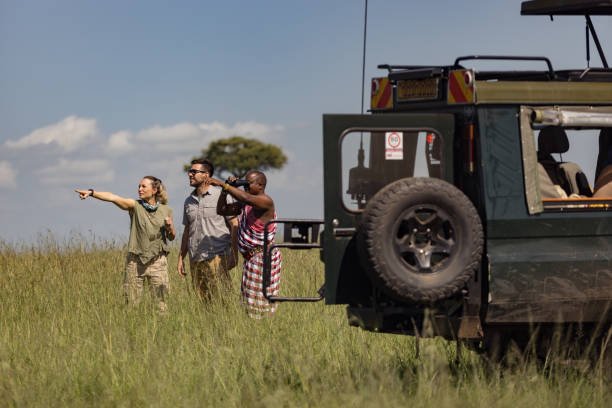
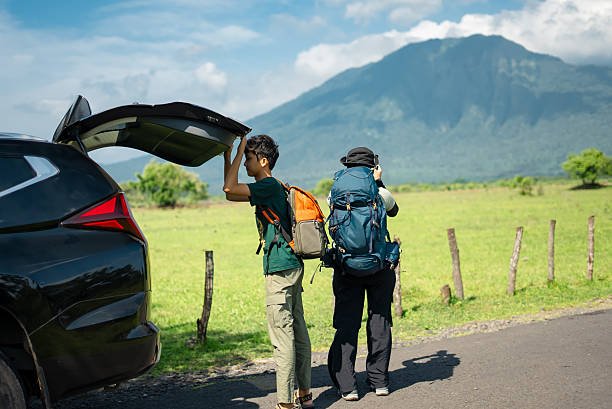
Understanding Iringa Tours and Local Experiences
Iringa, located in the Southern Highlands of Tanzania, offers a unique travel proposition. Unlike the bustling northern safari routes or the well-trodden paths of Zanzibar, Iringa provides a more introspective and authentic Tanzanian experience. Tours here are less about ticking off famous landmarks and more about connecting with the local way of life, understanding the region’s historical significance, and appreciating its natural, often untouched, landscapes. For travelers looking beyond the typical tourist trail in 2026-2027, Iringa presents a compelling destination for genuine cultural exchange and adventure.
Local experiences in Iringa can encompass a wide spectrum. This might mean spending a day in a traditional village, learning about agricultural practices, participating in a cooking session, or visiting a bustling local market to witness daily commerce. Historically, Iringa is significant, particularly its role during the German colonial era and as a stronghold during World War II. Sites like Kalenga, the former headquarters of Chief Mkwawa, are crucial for understanding this past. Furthermore, the region boasts impressive natural geological formations and is a gateway to one of Tanzania’s largest national parks, Ruaha.
Cultural Immersion and Historical Explorations
The heart of Iringa’s appeal for many visitors lies in its rich cultural mix and compelling history. When you opt for an Iringa tour focused on culture, you’re stepping into a world where traditions are visibly alive, and historical narratives are deeply ingrained in the landscape.
Kalenga and Chief Mkwawa Heritage
A must-visit is Kalenga, located just outside Iringa town. This was the stronghold of the Wahehe people, led by the formidable Chief Mkwawa, who famously resisted German colonial rule. Visiting Kalenga offers insights into the region’s past struggles and the resilience of its people. The site includes a museum that houses artifacts and displays detailing the history, including Mkwawa’s skull, which was controversially taken by the Germans and later returned. A guided tour here, ideally led by someone with local historical knowledge, brings the stories to life, explaining the strategic importance of the location and the cultural significance of the Wahehe leadership. This is a core historical experience that sets Iringa apart.
Local Markets and Village Visits
To truly grasp the pulse of Iringa, spending time at its local markets is essential. The main market in Iringa town is a vibrant hub of activity, brimming with fresh produce, local crafts, textiles, and everyday goods. It’s a fantastic place to observe daily life, interact with vendors, and perhaps sample some local snacks. For a deeper dive, consider organized village visits. These are often arranged in partnership with local communities, ensuring that the interaction is respectful and beneficial. You might visit a coffee-growing village to learn about the bean-to-cup process, or a subsistence farming community to understand their agricultural methods. Some tours might even include a chance to learn a few Swahili phrases or participate in a traditional meal. Such experiences provide a stark contrast to urban life and offer profound insights into rural Tanzanian living. For those interested in similar authentic encounters, exploring Arusha’s local markets and coffee experiences or the cultural depth of Zanzibar’s villages can offer comparable, though geographically different, perspectives.
Kondoa Rock Art Sites
A significant, albeit sometimes more logistically involved, cultural excursion from Iringa is a visit to the Kondoa Rock Art sites, a UNESCO World Heritage Site. These ancient rock paintings, some dating back thousands of years, offer a glimpse into the lives and beliefs of early human inhabitants of the region. While often accessed from Dodoma, they can be incorporated into a broader Southern Highlands itinerary. The Kondoa Rock Art walking tours provide a unique archaeological and cultural journey, connecting you to millennia of human history. Understanding these ancient traditions adds another layer to the region’s cultural narrative.
Nature and Adventure Activities
Beyond its cultural and historical offerings, Iringa provides ample opportunities for engaging with the natural environment and enjoying adventurous pursuits. These activities cater to those seeking to explore the unique landscapes of the Southern Highlands.
Ruaha National Park Safari
The crown jewel of the region’s natural attractions is Ruaha National Park, Tanzania’s largest national park. Ruaha is renowned for its wild, untamed beauty and its status as one of the best places in Africa to see large elephant and buffalo herds. It’s also a prime location for spotting predators, including lions, leopards, cheetahs, and wild dogs, especially during the dry season when animals congregate around water sources. Unlike many northern parks, Ruaha offers a more exclusive safari experience with fewer vehicles and a greater sense of wilderness. Tours to Ruaha typically involve game drives, and depending on the operator and season, walking safaris or even fly-camping can be arranged. Given its scale and remoteness, planning a Ruaha safari requires careful consideration of logistics, accommodation (ranging from basic camps to more comfortable lodges), and the best time to visit for wildlife viewing, which is generally during the dry months from June to December. This park offers a different kind of safari experience compared to, for instance, the wildlife viewing in Arusha National Park, focusing more on vast, remote landscapes.
Isimila Stone Age Site
For a unique geological and archaeological experience, the Isimila Stone Age site is a fascinating destination. Located about 20 kilometers from Iringa town, Isimila features dramatic natural pillars and canyons, carved by erosion over millennia. It’s also an important archaeological site, where significant prehistoric tools and artifacts have been discovered, indicating early human activity. A visit here combines natural wonder with a tangible connection to ancient history. It’s a great spot for photography and for imagining life thousands of years ago. It offers a different kind of exploration compared to the coastal historical sites found in places like Mombasa.
Waterfalls and Hiking
The highlands surrounding Iringa are dotted with beautiful waterfalls and offer numerous hiking opportunities. Places like the Koloa Waterfall or the Mufindi Highland Tea Estates area provide scenic routes for walks and treks. These excursions allow visitors to experience the lush vegetation, cooler climate, and panoramic views characteristic of the region. Hiking can range from gentle strolls through tea plantations to more strenuous treks in the wilderness areas. These activities are ideal for nature lovers and those seeking a more active way to explore the landscape, offering a refreshing contrast to the dusty plains of some safari destinations.
Planning Your Iringa Trip for 2026-2027
Organizing a trip to Iringa for 2026-2027 requires attention to several key details to ensure a smooth and rewarding experience. As Iringa is less developed in terms of tourism infrastructure compared to northern Tanzania, thoughtful planning is crucial.
Best Time to Visit
The climate in Iringa is generally pleasant due to its altitude, offering cooler temperatures than much of Tanzania. The dry season, from June to October, is ideal for visiting Ruaha National Park as wildlife congregates around water sources, and roads are more accessible. For cultural experiences and general exploration, the shoulder seasons (April-May and November-December) can also be good, often with fewer crowds and lush green landscapes. The rainy seasons (March-May and November-December) can make some roads challenging, particularly in remote areas, but offer dramatic scenery and birdwatching opportunities.
Transportation and Access
Iringa is typically accessed by road from Dar es Salaam or Arusha, though these are long journeys. Driving from Dar es Salaam takes approximately 8-10 hours, while from Arusha it can be 12-15 hours. Many travelers opt for domestic flights to Iringa Airport (IRI) from Dar es Salaam or other major hubs to save time, especially if Ruaha National Park is a primary focus. Within Iringa and for local excursions, private transport with a knowledgeable driver is highly recommended. For safaris in Ruaha, a 4×4 vehicle is essential. Coordinating transfers and internal travel is a key aspect where local tour operators excel.
Accommodation Options
Accommodation in Iringa ranges from guesthouses and hotels in Iringa town to lodges and tented camps in and around Ruaha National Park. In town, options are generally simpler, catering to business travelers and those passing through. Near Ruaha, you’ll find a range of choices, from rustic camps that offer a true wilderness feel to more comfortable lodges with amenities. Booking accommodation in advance is advisable, especially during peak seasons for Ruaha. When planning for 2026-2027, it’s wise to check availability early, particularly for the more sought-after lodges within or near the park.
What to Pack
Packing for Iringa should consider the varied activities and climate. Layers are key, as temperatures can fluctuate between day and night. Essential items include: comfortable walking shoes, long-sleeved shirts and trousers for sun and insect protection, a warm jacket or fleece for cooler evenings, a wide-brimmed hat, sunglasses, high-SPF sunscreen, insect repellent, a reusable water bottle, and a basic first-aid kit. For safaris, neutral-colored clothing is best. Don’t forget your camera and binoculars for wildlife viewing. A small backpack for day trips is also very useful.
Choosing the Right Experience for You
Iringa offers diverse experiences, and selecting the right combination depends on your interests, travel style, and the time you have available. Here’s a breakdown to help you decide.
The Cultural Enthusiast
If your primary goal is to understand Tanzanian culture and history, focus on tours that include extended time in Iringa town, visits to Kalenga, and excursions to local villages. Prioritize experiences that allow for meaningful interaction, such as cooking classes, homestays (if available and arranged ethically), or visits to community projects. Consider combining this with a trip to Dodoma for a broader understanding of central Tanzanian life.
The Wildlife Adventurer
For those prioritizing wildlife, Ruaha National Park is the main draw. A dedicated safari to Ruaha, perhaps for 3-5 days, is recommended. This allows ample time for game drives and to truly appreciate the park’s vastness and wildlife density. Consider combining Ruaha with other Tanzanian parks if time permits, though focusing solely on Ruaha offers a distinct and rewarding experience. For a comparable, yet different, wildlife adventure, explore options for private Tanzania luxury safari tours in other renowned areas.
The History and Nature Seeker
A balanced itinerary would incorporate both historical sites like Kalenga and Isimila, alongside natural excursions such as waterfall visits or shorter hikes. This allows for a well-rounded appreciation of Iringa’s offerings. Such a trip might involve a few days based in Iringa town with day trips, followed by a shorter visit to Ruaha or a focus on the surrounding natural beauty.
Short Trips vs. Extended Stays
A day trip from Iringa town could cover Kalenga and a local market. A 2-3 day itinerary might add Isimila and a nearby waterfall. For a comprehensive experience including Ruaha, plan for at least 5-7 days. Longer stays (10 days or more) would allow for deeper exploration of cultural villages, more extensive time in Ruaha, and potentially venturing to other nearby attractions like the Mufindi Highlands.
Booking Your Iringa Adventure
To make the most of your Iringa tour and local experiences for 2026-2027, partnering with a reputable local tour operator is highly recommended. They possess the on-the-ground knowledge crucial for navigating the region’s logistics, securing the best local guides, and ensuring authentic interactions. Top Guide Adventures specializes in creating personalized itineraries across Tanzania, including the less-explored Southern Highlands. They can arrange everything from airport transfers and accommodation to guided tours and safaris, ensuring that your trip is tailored to your specific interests and budget. Their expertise helps avoid common pitfalls, such as unreliable transport or misaligned expectations, and ensures that your journey is both smooth and deeply enriching. When you’re ready to plan, providing details about your preferred travel dates in 2026 or 2027, the duration of your stay, your interests (culture, wildlife, adventure), and your accommodation preferences will help them craft the perfect itinerary for you. For expert advice and personalized planning for your Iringa adventure, reach out to the team at Top Guide Adventures via WhatsApp +255 616 946 642 or email topguideadventures@gmail.com.
A Note on Local Interaction
When engaging in local experiences, always approach with respect and openness. Learning a few basic Swahili phrases like “Jambo” (Hello) and “Asante” (Thank you) goes a long way. Be mindful of local customs, ask permission before taking photographs of people, and be prepared for a different pace of life. Ethical tourism practices ensure that your visit benefits the local communities you interact with, making the experience more rewarding for everyone involved.
Check Availability for Iringa Tours And Local Experiences: A Comprehensive Guide For 2026-2027
Ready to compare dates, prices, and the best option for your group? Send the package name and travel month so the team can reply with a clear quote, availability, and what is included.



