
An Isimila Stone Age Photography and History Tour offers a unique opportunity to explore one of East Africa’s most significant paleoanthropological sites, combining the thrill of capturing its dramatic landscapes and ancient artifacts with an in-depth understanding of human history. These tours typically focus on the geological formations of the Isimila Canyon and the archaeological discoveries made there, including stone tools that provide crucial insights into early human life. Travelers can expect guided explorations led by knowledgeable local guides who explain the historical context and photographic potential of the site, with itineraries varying from day trips to multi-day explorations often starting from Iringa or Mbeya, and planning for 2026-2027 adventures requires booking in advance to secure preferred dates and guides.

Understanding Isimila: A Window to Prehistory
The Isimila Stone Age site, located in the Iringa region of Tanzania, is not just a collection of old rocks; it’s a profound archaeological treasure trove. Discovered in the 1950s, it revealed a rich assemblage of Oldowan and Acheulean stone tools, dating back hundreds of thousands of years. These artifacts offer tangible evidence of early human activity, tool-making techniques, and the environmental conditions our ancestors lived in. The site’s dramatic landscape, characterized by a vast canyon with towering geological formations, provides a stunning backdrop that makes it equally appealing to photographers and history enthusiasts. Unlike many archaeological sites that are primarily academic, Isimila’s visual grandeur allows for a more accessible and engaging experience for a broader range of visitors looking to connect with ancient human heritage. For those planning a visit in 2026-2027, understanding this dual appeal is key to choosing the right tour.
Capturing the Stone Age: Photography Opportunities
For photographers, Isimila presents a unique canvas. The primary draw is the dramatic geological landscape of the Isimila Canyon itself. These towering sandstone pillars, sculpted by erosion over millennia, create a surreal, almost alien environment that is incredibly photogenic, especially during the golden hours of sunrise and sunset. The interplay of light and shadow across the canyon walls, the vastness of the open space, and the textures of the ancient rock formations offer endless compositional possibilities. Beyond the landscape, photographers can also capture the details of the archaeological finds, though direct interaction with artifacts is typically managed by guides or researchers. The raw, rugged beauty of the natural environment, combined with the subtle hints of prehistoric human presence, provides a compelling subject matter. A dedicated photography tour will often include more time at specific vantage points and advice on capturing the essence of the site, rather than just ticking off historical facts.
Delving into the Past: Archaeological Significance
The historical importance of Isimila cannot be overstated. It is a key site for understanding the development of early hominin technology and behavior in Africa. The stone tools found here, ranging from simple choppers to more sophisticated handaxes, are evidence of cognitive advancements and the ability to adapt to diverse environments. Archaeologists have used these findings to reconstruct the lives of our ancient ancestors, their hunting and gathering practices, and their social structures. A history-focused tour will emphasize these discoveries, with guides providing detailed explanations of the different tool types, their chronological significance, and the scientific research conducted at the site. Visitors will learn about the geological context that preserved these artifacts and the ongoing efforts to protect and study this invaluable heritage. For those keen on an academic or deeply informative experience, this aspect will be paramount.
Choosing Your Isimila Tour: Photography vs. History Emphasis
When planning an Isimila Stone Age Photography and History Tour, the primary decision often comes down to balancing your interests. While most tours will cover both aspects, some operators offer specialized itineraries. A photography-focused tour might prioritize visiting the site during optimal lighting conditions for photography, spend more time at scenic viewpoints, and potentially include workshops or guidance on capturing the unique textures and geological features. These tours often suggest longer durations to allow for unhurried shooting. Conversely, a history-focused tour will dedicate more time to in-depth explanations of the archaeological findings, the scientific research, and the paleoanthropological significance. These might involve more detailed discussions about the stratigraphy of the site or the ongoing conservation efforts. For travelers who are equally passionate about both, a comprehensive tour that allows ample time for exploration and learning is ideal. For instance, a 7 Day Isimila Stone Age History And Safari Adventure offers a broader experience, integrating the site with other Tanzanian highlights, while shorter options like the 3 Day Isimila Stone Age Site History Tour provide a concentrated visit.
Planning Your Isimila Photography and History Tour 2026-2027
Planning a successful trip to Isimila for 2026-2027 involves considering several factors. The duration is crucial; a day trip from Iringa might suffice for a quick overview, but to truly appreciate the site for photography and history, a 2-3 day excursion is recommended. This allows for exploration of different parts of the canyon, revisiting spots at various times of day for photographic opportunities, and deeper engagement with the historical context. Consider tours that combine Isimila with other nearby attractions, such as the Iringa Archaeology Tour and Stone Age History Experience or even Southern Tanzania safaris, like the 6 Day Isimila Stone Age Site And Southern Tanzania Tour. When reviewing itineraries, look for details on guided walks, the availability of expert guides with archaeological knowledge, and the time allocated for photography. Some tours might offer specific photographic tips or focus on the best vantage points. Always confirm what’s included, such as park fees, guide services, meals, and accommodation. For 2026-2027 bookings, it’s advisable to inquire about availability well in advance, especially if you have specific dates in mind or are traveling during peak seasons.
Logistics and Practicalities: Getting There and Staying
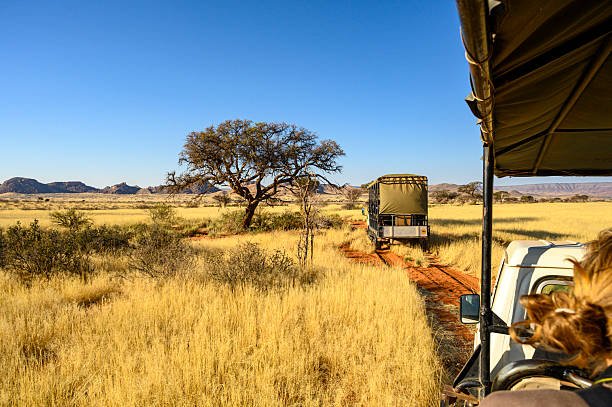
Reaching Isimila typically involves traveling to the nearby town of Iringa or Mbeya. From these towns, it’s usually a drive of about 1-2 hours to the site itself. Many tours will arrange private transportation from these cities or even from further afield, such as Arusha or Dar es Salaam, though these longer transfers will naturally increase the tour duration and cost. The roads leading to Isimila can be rough, especially after rain, so a sturdy 4×4 vehicle is often recommended and usually provided by reputable tour operators. Accommodation options near Isimila are limited. Some tours might arrange stays in basic guesthouses or lodges in Iringa or Mbeya, while others might offer camping facilities closer to the site for a more in-depth experience. When choosing a tour, clarify the accommodation arrangements, including whether meals are provided. For photographers, access to the site at different times of day is important; confirm if your tour allows for early morning or late afternoon visits, which are prime times for landscape photography. The How To Visit Isimila Stone Age Site Tanzania: Your Expert Planning Guide offers further details on navigating these logistical challenges.
Booking Your Isimila Stone Age Photography and History Tour
When you’re ready to book your Isimila Stone Age Photography and History Tour for 2026-2027, partnering with an experienced local operator like TOP GUIDE ADVENTURES is highly recommended. They have the local knowledge to craft itineraries that maximize both the historical insights and photographic opportunities. When contacting them, be specific about your interests: are you more focused on capturing dramatic landscapes, understanding the archaeological context, or a balanced experience? Discuss your preferred travel dates for 2026-2027 and any specific requirements you might have. A good operator will provide a clear breakdown of what is included (guides, transport, park fees, meals, accommodation) and what is excluded (tips, personal expenses, visas). They can also advise on the best time of year to visit, considering weather patterns that affect both photography and accessibility. For a personalized quote and to ensure you get the most out of your visit, reach out to TOP GUIDE ADVENTURES. You can contact them via WhatsApp at +255 616 946 642 or email at topguideadventures@gmail.com. They are experts in organizing safaris, treks, and cultural tours across Tanzania, ensuring a well-planned and memorable experience.
Check Availability for Isimila Stone Age Photography And History Tour: A Comprehensive Guide
Ready to compare dates, prices, and the best option for your group? Send the package name and travel month so the team can reply with a clear quote, availability, and what is included.
7 Day Isimila Stone Age History And Safari Adventure 2026-2027
start a 7-day journey blending ancient history at Isimila Stone Age Site with the thrill of a Tanzanian safari. This adventure, perfect for 2026-2027, offers a unique glimpse into human…

3 Day Isimila Stone Age Site History Tour | Top Guide Adventures 2026-2027
start a 3-day historical journey to the Isimila Stone Age Site with TOP GUIDE ADVENTURES. This tour offers a deep look at prehistoric Tanzania, exploring ancient tools and unique geological…
No closely related package is available yet for this topic.



