
A Mahale Mountains bird watching and nature safari offers a deeply in-depth experience in one of Tanzania’s most biodiverse and remote national parks, renowned for its chimpanzee populations but also boasting an impressive array of avian species and lush forest ecosystems along the shores of Lake Tanganyika. Planning for a 2026-2027 trip involves understanding the park’s unique accessibility, the best seasons for both birding and general wildlife viewing, and the types of accommodations and activities available, with the primary decision revolving around choosing a private or shared itinerary to suit your budget and preferred pace.
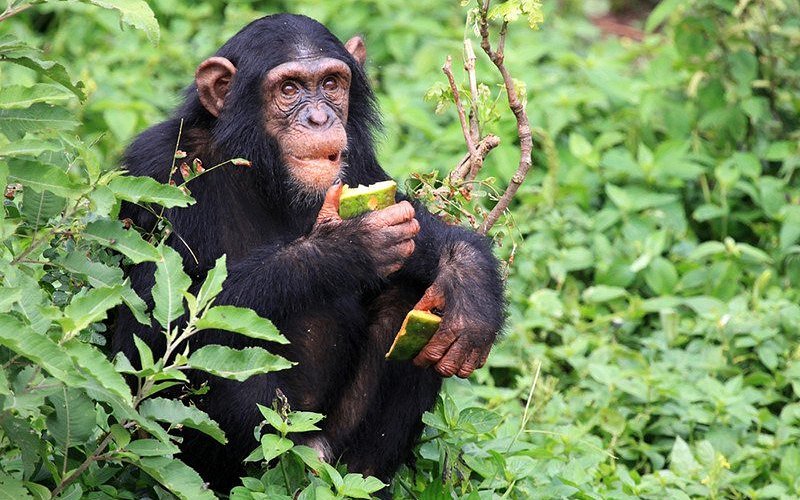
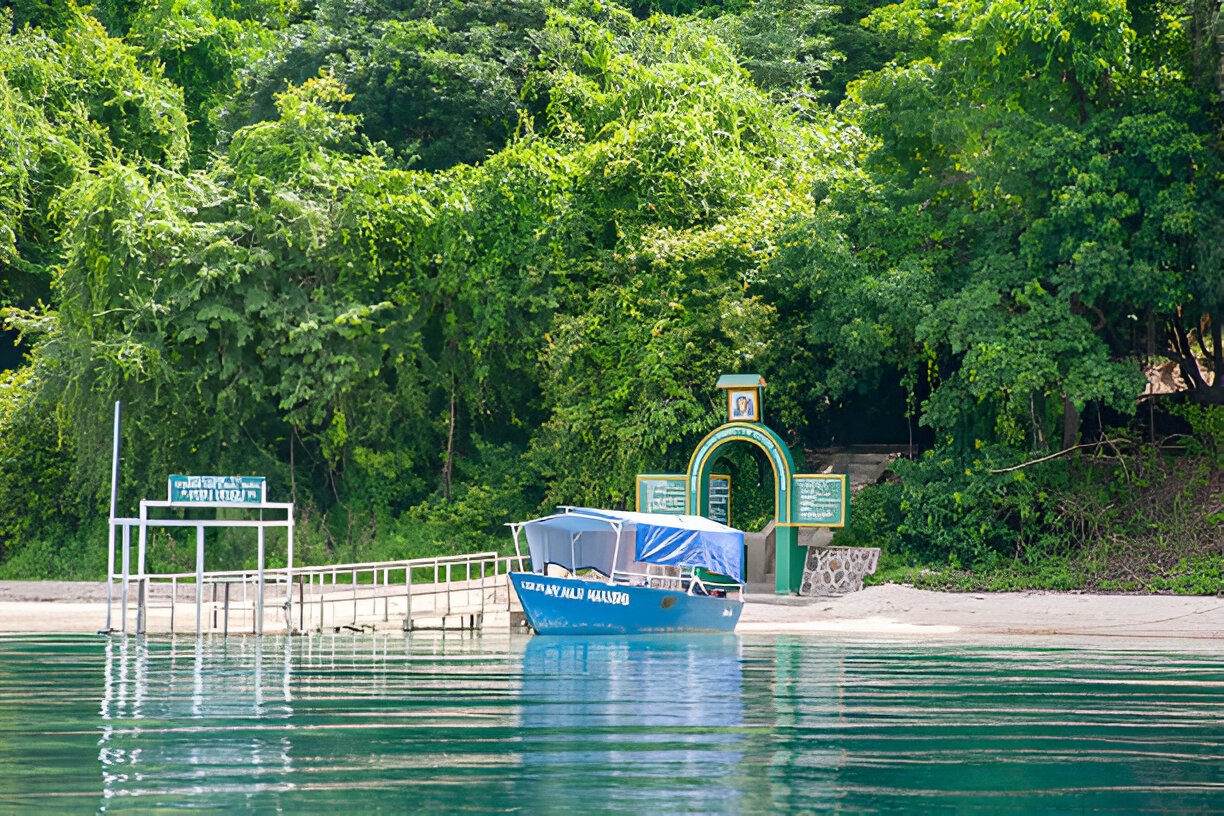
The Mahale Mountains National Park stands as a jewel in Tanzania’s western wilderness, a place where dense tropical forests cascade down to meet the crystal-clear waters of Lake Tanganyika. While its fame largely rests on being a prime location for observing wild chimpanzees, the park is also a significant destination for ornithologists and nature enthusiasts. A dedicated bird watching and nature safari here means exploring a rich mix of habitats, from montane forests to the lake’s edge, each supporting a distinct community of birds and other wildlife.
Understanding Mahale’s Unique Appeal for Nature Lovers
Mahale is distinct from Tanzania’s more famous northern circuit parks. Its remoteness is a key part of its charm, demanding more effort to reach but rewarding visitors with an unspoiled natural environment. For the keen birder, this translates to encountering species that might be harder to spot elsewhere, often in their natural, undisturbed habitats. Beyond the primates and birds, the park’s diverse flora, stunning lake vistas, and the sheer tranquility offer a profound connection with nature. The Mahale Mountains Walking Safari And Forest Hiking Experience provides an excellent foundation for understanding the forest’s ecosystem, which is crucial for appreciating the birdlife.
When to Plan Your Mahale Mountains Bird Watching Safari
The optimal time for a Mahale Mountains bird watching and nature safari is largely dictated by the weather patterns and the resulting wildlife movements. The dry season, typically from June to October, is generally considered the best period for overall park visitation. During these months, the weather is pleasant, with less rainfall, making trekking and wildlife viewing more comfortable. The vegetation is less dense, improving visibility for both mammals and birds. However, for dedicated bird watchers, the shoulder seasons – particularly the transition from the wet to the dry season (around May) or the early part of the wet season (November to December) – can be exceptionally rewarding. This is when migratory birds are often present, and resident birds can be more active in breeding plumage.
The wet season (roughly November to April) sees fewer visitors, but the landscape is lush and vibrant. While rain can impact trekking, it also brings out a different array of bird species and can offer spectacular photographic opportunities. For those planning a safari in 2026-2027, consider booking your preferred accommodation and transport well in advance, especially if targeting the peak dry season.
Key Avian Highlights and Wildlife Encounters
Mahale Mountains National Park is home to over 700 species of birds, making it a significant destination for ornithological exploration. While chimpanzee trekking remains the park’s main draw, a focused bird watching safari can yield sightings of:
- Pel’s Fishing Owl: A magnificent and elusive nocturnal predator, often seen along the lake shores.
- Uganda Grey-crowned Crane: A striking resident, often found in open woodland areas.
- Various Kingfishers: Including the Malachite Kingfisher and Giant Kingfisher, common along the lake and rivers.
- Sunbirds and Weavers: A dazzling array of smaller birds, vibrant in their breeding colours, flitting through the forest canopy and bush.
- Raptors: Such as the African Fish Eagle, which frequently soars over Lake Tanganyika.
- Forest Birds: Including various barbets, hornbills, and turacos specific to the dense woodland.
Beyond the birds, Mahale’s natural allure includes its famous chimpanzee communities, particularly the M group habituated for research and tourism. Leopard sightings, though rare, are possible. The lake itself teems with fish, and smaller mammals like bushbucks and bushpigs inhabit the forest fringes. The unique ecosystem along Lake Tanganyika also supports a variety of reptiles and insects.
Structuring Your Mahale Bird Watching Itinerary
A typical Mahale Mountains bird watching and nature safari focuses on maximizing time spent in different habitats. Itineraries can range from short, focused 3-day trips to more comprehensive 7-day or longer explorations of western Tanzania. A common approach involves basing yourself at a lodge or camp near the lake and undertaking daily excursions.
Sample Itinerary Focus: Birding & Nature (5 Days)
This sample itinerary prioritizes birding and general nature observation, with chimpanzee trekking as a potential highlight.
- Day 1: Arrival in Kigoma & Transfer to Mahale. Fly from Dar es Salaam or Arusha to Kigoma, then take a scenic boat transfer across Lake Tanganyika to your chosen lodge or camp in Mahale. Settle in and enjoy an afternoon bird walk around the camp.
- Day 2: Forest Birding & Chimpanzee Trek. Early morning birding walk focusing on forest species. Later, start a guided trek to search for chimpanzees. Your guide will help identify bird calls and forest flora.
- Day 3: Lake Tanganyika Exploration & Birding. A boat excursion on the lake offers opportunities to spot water birds, kingfishers, and potentially otters. Visit different shorelines for varied bird species.
- Day 4: Mountain Trails & Diverse Habitats. Hike deeper into the mountains to explore different altitudinal zones, seeking out montane bird species. This day also offers opportunities for primate spotting beyond chimps.
- Day 5: Departure. Enjoy a final morning birding session before the boat transfer back to Kigoma for your onward flight.
For longer trips, consider combining Mahale with other western Tanzanian gems like Katavi National Park for a different wildlife experience, or explore options like the Rubondo Island Bird Watching and Wildlife Safari for island-based birding.
Accommodation Options: Balancing Comfort and Immersion
Accommodation in Mahale ranges from rustic fly-camps to more comfortable lodges, each offering a unique way to experience the park. For a bird watching and nature safari in 2026-2027, consider these options:
- Luxury Lodges: Offering en-suite facilities, excellent service, and prime locations, these are ideal for travelers seeking comfort without compromising on the wilderness experience. The Mahale Mountains National Park Luxury Chimpanzee Safari packages often feature these.
- Mid-Range Camps: Comfortable tents or bandas with shared or private facilities, providing a good balance of comfort and authentic safari feel.
- Budget Camps/Tented Camps: More basic but still comfortable, these are suitable for travelers on a tighter budget. The Budget Mahale Mountains National Park Safari Packages often utilize these.
When booking, confirm the exact location of your accommodation relative to the best birding spots and chimpanzee trekking starting points. Top Guide Adventures can help tailor your stay to maximize your nature and bird watching opportunities.
Logistics and Accessibility: Getting to Mahale
Reaching Mahale Mountains National Park is an adventure in itself. The most common route involves flying into Kigoma town. From Kigoma, a boat transfer across Lake Tanganyika is the primary means of reaching the park’s lodges and camps. This journey offers spectacular views and opportunities for spotting water birds.
- Flights: Scheduled or charter flights operate from Dar es Salaam or Arusha to Kigoma. Booking these flights in advance is crucial, especially for 2026-2027 travel.
- Boat Transfers: These are usually arranged by the safari operator. The duration can vary (2-4 hours) depending on the lodge location and lake conditions.
- Internal Park Movement: Primarily by foot during treks and walks, and by boat for exploring the lake or moving between different areas along the shore.
Given the logistical complexities, engaging an experienced operator like Top Guide Adventures is highly recommended. They can coordinate flights, boat transfers, park fees, and accommodation seamlessly, as detailed in their Kigoma To Mahale Mountains National Park Safari guides.
Choosing Your Safari Style: Private vs. Group Joining
When planning your Mahale Mountains bird watching and nature safari for 2026-2027, a key decision is whether to opt for a private safari or join a group. Each has its advantages:
- Private Safari: Offers maximum flexibility in terms of itinerary, pace, and focus. You can spend as much time as needed observing a particular bird species or habitat. This is ideal for serious bird watchers and photographers. Top Guide Adventures specializes in Private Mahale Mountains National Park Safaris.
- Group Joining Safari: A more budget-friendly option where costs are shared among travelers. This is a great way to experience Mahale if you are traveling solo or on a tighter budget. Check out options like the Group Joining Mahale Mountains National Park Safari.
The choice depends on your budget, travel companions, and desire for customization. For bird watching, a private safari often allows for more specialized focus and pacing.
Essential Gear and Preparation for Bird Watchers
To make the most of your Mahale Mountains bird watching and nature safari, proper preparation and gear are essential:
- Binoculars: A high-quality pair (e.g., 8×42 or 10×42) is indispensable for spotting and identifying birds.
- Field Guide: A good bird identification guide for East Africa will greatly enhance your experience.
- Camera: With a good zoom lens for wildlife and bird photography.
- Appropriate Clothing: Lightweight, neutral-coloured clothing for daytime, long sleeves and trousers for evenings and to protect against insects and sun. Comfortable, sturdy hiking boots are essential for treks.
- Sun Protection: Hat, sunglasses, and high SPF sunscreen.
- Insect Repellent: Especially important for evenings and early mornings.
- Rain Gear: A lightweight waterproof jacket, particularly if travelling during the wetter months.
Top Guide Adventures can provide practical advice on packing lists tailored to your specific itinerary and the season of your 2026-2027 safari.
Conservation and Responsible Tourism in Mahale
Mahale Mountains National Park is a vital protected area, and responsible tourism practices are paramount. Supporting local conservation efforts and respecting the wildlife are key. This includes maintaining a safe distance from chimpanzees and other animals, not feeding them, and minimizing your environmental impact. Choosing operators committed to sustainable tourism, like Top Guide Adventures, ensures your visit contributes positively to the park’s preservation.
Booking Your Mahale Bird Watching Adventure
Embarking on a Mahale Mountains bird watching and nature safari is an unforgettable journey. The park’s unique combination of primate encounters, exceptional birdlife, and stunning lakeside scenery makes it a must-visit for nature lovers. Whether you’re planning for 2026 or 2027, securing your trip with a reputable operator is the first step towards an incredible adventure.
Ready to plan your Mahale Mountains bird watching and nature safari? For personalized itineraries, expert advice on the best times to visit in 2026-2027, and smooth booking, contact Top Guide Adventures. We specialize in creating tailor-made safari experiences in Tanzania’s most incredible destinations. Reach out via WhatsApp at +255 616 946 642 or email us at topguideadventures@gmail.com to start crafting your dream bird watching adventure.
Check Availability for Mahale Mountains Bird Watching And Nature Safari: Your Expert Guide…
Ready to compare dates, prices, and the best option for your group? Send the package name and travel month so the team can reply with a clear quote, availability, and what is included.
Most Beautiful Countries In The World: Safari, Nature, And Adventure Travel
This guide explores the most beautiful countries globally, focusing on destinations that offer unparalleled opportunities for safari, nature immersion, and adventurous pursuits. From the...
View package detailsThe Strongest Animals On Planet: Powerful Wildlife To Observe 2026-2027
Exploring the sheer physical power of the animal kingdom reveals creatures that command respect through their might. This guide focuses on the strongest animals on the planet, highlighting...
View package details
Tanzania Safari Packages With Airport Transfers And Hotel Nights Included
Planning a Tanzania safari? Discover comprehensive packages that bundle airport transfers and comfortable hotel stays, streamlining your journey from arrival to your first game drive. This...
View package details
Private Tanzania Safari With Flexible Daily Game Drive Schedules 2026-2027
Private Tanzania Safari with Flexible Daily Game Drive Schedules is explained with current 2026-2027 planning, price, itinerary and booking information.
View package details
Tanzania Safari Tours With Early Morning Game Drives Included 2026-2027
Tanzania Safari Tours with Early Morning Game Drives Included is explained with current 2026-2027 planning, price, itinerary and booking information.
View package details
Can I Fly From Serengeti To Zanzibar After My Safari? 2026-2027
Can I Fly from Serengeti to Zanzibar After My Safari? is explained with current 2026-2027 planning, price, itinerary and booking information.
View package details
Tanzania Safari Packages Ending With A Flight To Zanzibar: Your Ultimate Guide
Discover the perfect blend of thrilling wildlife encounters and idyllic island life with a Tanzania safari package that concludes with a flight to Zanzibar. This guide covers essential...
View package details
Tanzania Safari Tours With Kilimanjaro Airport Pickup Included 2026-2027
Seamlessly begin your Tanzanian adventure with a safari package that includes pickup directly from Kilimanjaro International Airport (JRO). This guide details what to expect, popular...
View package details
Can I Start A Safari Immediately After Landing At Kilimanjaro Airport?
Can I Start a Safari Immediately After Landing at Kilimanjaro Airport? is explained with current 2026-2027 planning, price, itinerary and booking information.
View package details
What Is The Total Cost Of A Tanzania Safari Without Hidden Fees? 2026-2027
What Is the Total Cost of a Tanzania Safari Without Hidden Fees? is explained with current 2026-2027 planning, price, itinerary and booking information.
View package details
Tanzania Safari Tours With All Park Fees Included In The Price 2026-2027
Tanzania Safari Tours with All Park Fees Included in the Price is explained with current 2026-2027 planning, price, itinerary and booking information.
View package details
Can I Book A Tanzania Safari Without Paying The Full Amount Upfront? Your
Planning a dream Tanzania safari for 2026-2027 but wondering about upfront payments? This guide explains how flexible payment options work with reputable tour operators, allowing you to...
View package detailsNo closely related package is available yet for this topic.



