
A Mahale Mountains wildlife photography safari offers an extraordinary chance to capture intimate images of wild chimpanzees in one of Africa’s most remote and pristine forest ecosystems, located along the shores of Lake Tanganyika. This specialized safari focuses on the unique photographic opportunities presented by these intelligent primates, alongside the park’s diverse birdlife and dramatic landscapes, typically involving guided treks into the forest canopy. Planning for 2026-2027 requires careful consideration of the best seasons for chimpanzee sightings, accommodation choices ranging from comfortable lodges to more rustic camps, and the logistics of reaching this secluded destination, often via light aircraft.
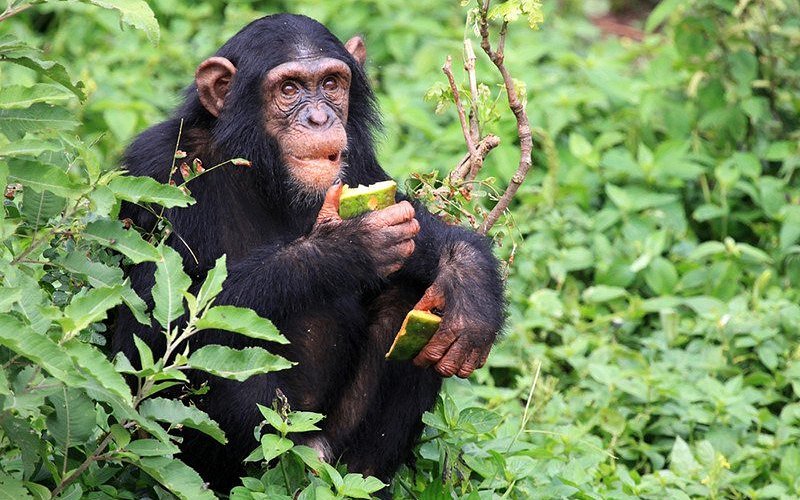
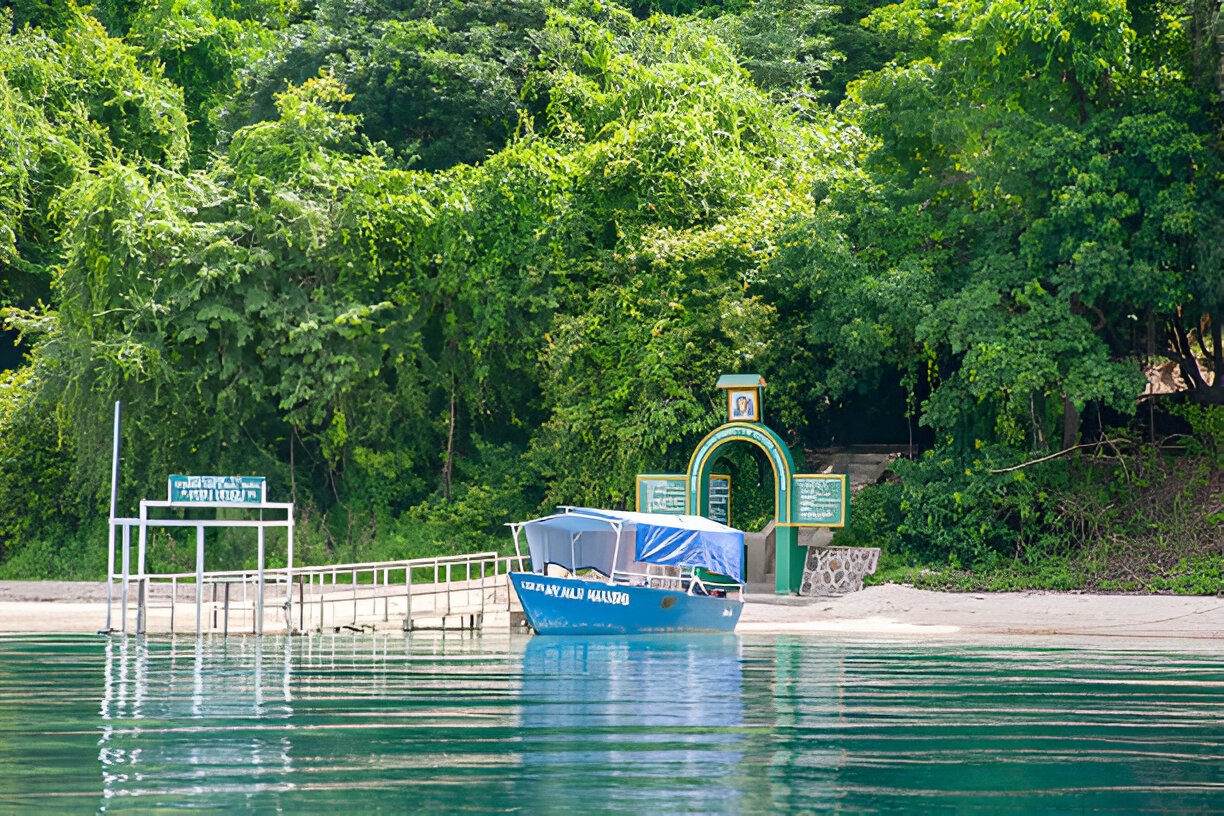
Table of Contents
- Understanding Mahale’s Unique Photographic Appeal
- When to Plan Your Mahale Photography Safari (2026-2027)
- Key Photographic Opportunities in Mahale
- Choosing Your Mahale Photography Safari Style
- Accommodation: Lodges and Camps for Photographers
- Logistics and Getting to Mahale for Photography
- Essential Photography Tips for Mahale
- Booking Your Mahale Mountains Wildlife Photography Safari
Understanding Mahale’s Unique Photographic Appeal
Mahale Mountains National Park is not your typical African savanna photography destination. Instead of vast open plains teeming with large herds, Mahale offers an intensely intimate experience within a dense tropical rainforest. Its primary draw for photographers is the opportunity to document the lives of habituated and unhabituited chimpanzees. The park is home to several chimpanzee groups, with the Mahale Mountains Chimpanzee Research Project having habituated specific communities, making them more accessible for observation and photography. The rugged, mountainous terrain, often shrouded in mist, combined with the lush vegetation, creates a dramatic and evocative backdrop. This environment presents unique challenges and rewards for photographers: capturing sharp images in low light, framing subjects within dense foliage, and conveying the emotional depth of primate behaviour. Unlike the Serengeti or Maasai Mara, where wildlife is often viewed from safari vehicles, Mahale necessitates walking and trekking, bringing you closer to the action, but demanding a different approach to photography.
When to Plan Your Mahale Photography Safari (2026-2027)
Timing is crucial for any wildlife photography safari, and Mahale is no exception. The park experiences distinct dry and wet seasons, which significantly impact chimpanzee behaviour and accessibility. For the best photographic conditions, consider the dry season, which typically runs from June to October. During these months, the forest is less dense, the undergrowth is drier, and chimpanzees tend to descend to lower altitudes in search of food and water, making them easier to spot and photograph. The drier conditions also mean clearer skies and better light, though the dense canopy can still create challenging lighting situations. The shoulder months of May and November can offer a good balance, with fewer crowds and potentially good sightings, though the weather can be more unpredictable. The wet season (November to April) sees heavier rainfall, which can make trekking more difficult and chimpanzees disperse higher into the mountains. However, this season offers lush, vibrant scenery and fewer visitors, which can be appealing for photographers seeking solitude. For your 2026-2027 travel plans, targeting the dry season will generally yield the most consistent and rewarding photographic encounters with the chimpanzees.
Key Photographic Opportunities in Mahale
Mahale’s magic lies in its focused photographic subjects. The undisputed stars are the chimpanzees. Capturing their social interactions, grooming sessions, feeding habits, and the tender moments between mothers and infants offers incredible storytelling potential. Photographers often seek to document the intricate family structures and the powerful expressions of these primates. Beyond the chimpanzees, Mahale is a haven for avian life. Expect to photograph a variety of colourful forest birds, including various species of turacos, hornbills, and sunbirds, often flitting through the dense foliage. The park’s unique landscape provides opportunities for environmental portraits of the wildlife, showcasing the dramatic mountainous backdrop, the crystal-clear waters of Lake Tanganyika, and the lush rainforest itself. Sunset and sunrise over the lake can offer stunning, soft light for landscape shots, or for capturing silhouettes of local fishermen in their dhows. While Mahale is less about the ‘big five’ often sought in other Tanzanian parks, its specialized focus on primates and its stunning natural beauty make it a premier destination for photographers looking for something truly different. Consider a Gombe Stream National Park Wildlife Photography Safari for a similar, albeit distinct, primate-focused experience.
Choosing Your Mahale Photography Safari Style
Your approach to a Mahale photography safari will largely depend on your desired level of exclusivity and budget. Private safaris offer the ultimate flexibility. You can tailor your itinerary to spend as much time as needed with the chimpanzees, move at your own pace, and have your guide focus entirely on your photographic needs. This is ideal for serious photographers who want to maximize their chances of capturing specific behaviours or lighting conditions. For those looking for a more economical option, group joining safaris can be an excellent choice. While you’ll share the experience and potentially the trek times with other travellers, these tours are often well-organized and still provide fantastic opportunities to photograph the chimpanzees. A group safari is a great way to experience Mahale without the higher cost of a private charter. Group joining Mahale Mountains National Park safaris are a popular way to access this remote park. For those seeking the utmost comfort and service, luxury safaris combine exclusive access with high-end accommodation and personalized guiding, ensuring a smooth and comfortable photographic journey. For 2026-2027 bookings, understanding these options early will help secure your preferred travel style and accommodation.
Accommodation: Lodges and Camps for Photographers
The choice of accommodation in Mahale significantly impacts the photographic experience. Lodges and camps are typically situated along the lake shore, offering beautiful views and easy access to the park’s entrance. Photographers often benefit from locations that provide early morning light over the lake or convenient starting points for treks. Options range from comfortable, mid-range lodges to more exclusive, high-end camps. For instance, a lodge might offer private bandas (bungalows) with en-suite facilities and balconies overlooking Lake Tanganyika, providing a relaxing base after a day of trekking. More rustic camps might offer a closer-to-nature feel, with comfortable tents and communal dining areas. When selecting your accommodation, consider factors like proximity to chimpanzee tracking starting points, the quality of guides provided (crucial for photography), and the general ambiance. Some lodges may even offer dedicated photography guides or have facilities conducive to reviewing your shots. For those planning their 2026-2027 Mahale photography safari, booking well in advance is essential, especially for the more sought-after luxury options, as availability is limited. Reviewing Mahale Mountains National Park luxury chimpanzee safaris can give you an idea of the premium experiences available.
Logistics and Getting to Mahale for Photography
Reaching Mahale Mountains National Park is an adventure in itself and requires careful logistical planning, especially for photographers who may carry more equipment. The most common route involves flying into Kigoma Airport (TKQ) from either Dar es Salaam (DAR) or Arusha (ARK). From Kigoma, you’ll typically take a boat transfer across Lake Tanganyika to your chosen lodge or camp within the park. This boat journey itself can be a photographic opportunity, offering stunning views of the lake and coastline. Alternatively, some operators arrange private charter flights directly to a small airstrip closer to Mahale, significantly reducing travel time but increasing costs. For photographers, ensuring your camera gear is protected during these transfers, especially the boat journey where spray can be an issue, is paramount. Most lodges operate with a 15kg duffel bag allowance for light aircraft, so efficient packing of your photography equipment is key. If you are starting your journey from Arusha, consider a Mahale Mountains National Park Safari From Arusha, which outlines the typical transfer process. For 2026-2027 travel, confirm flight schedules and boat transfer availability when booking, as these can change.
Essential Photography Tips for Mahale
Photographing in a rainforest environment like Mahale presents specific challenges that require preparation. Here are some key tips for your Mahale Mountains wildlife photography safari:
- Low Light Performance: The dense canopy means you’ll often be shooting in low light. Use a camera with good high ISO performance, a fast lens (e.g., f/2.8 or wider), and practice shooting at slower shutter speeds with image stabilization if possible. A monopod can be invaluable for stability.
- Subject Isolation: To make your primate photos pop against the busy forest background, focus on shallow depth of field. This will blur the background and draw attention to your subject.
- Patience is Key: Chimpanzees are wild animals. You might spend hours tracking them before a significant sighting. Be patient, observe their behaviour, and wait for those compelling moments.
- Respect the Wildlife: Maintain a respectful distance and follow your guide’s instructions. Avoid using flash, as it can disturb the animals. Focus on capturing natural behaviour.
- Gear Protection: Bring a good rain cover for your camera and lenses. A dry bag is essential for boat transfers. Consider a smaller, lighter setup for treks if you have multiple bodies and lenses.
- Wide-Angle for Context: While telephoto lenses are useful for wildlife, don’t forget a wider lens to capture the environment and the chimpanzees within their habitat.
- Focus on Emotion: Chimpanzees have incredibly expressive faces. Look for moments of interaction, curiosity, or tenderness to capture compelling portraits.
For photographers looking for similar primate encounters, the Tanzania Wildlife Photography Safari can be tailored to include other primate-rich areas, though Mahale remains a top choice for chimpanzees.
Booking Your Mahale Mountains Wildlife Photography Safari
Securing your Mahale Mountains wildlife photography safari for 2026-2027 requires engaging with an experienced tour operator who understands the unique demands of this destination and the needs of photographers. Look for operators who can arrange the necessary internal flights, boat transfers, and reputable lodge bookings. They should also be able to provide experienced guides who are knowledgeable about chimpanzee behaviour and adept at assisting photographers, perhaps even suggesting optimal positioning or anticipating action. When you contact a reputable operator like TOP GUIDE ADVENTURES, be sure to discuss your specific photographic interests, equipment, and any particular shots you hope to achieve. This helps them tailor the itinerary and guide assignments accordingly. Confirming inclusions and exclusions is vital – does the package cover park fees, internal flights, all meals, guided treks, and accommodation? What about the cost of the boat transfers from Kigoma? Understanding these details will prevent surprises. For an exclusive and personalized experience, consider a Private Mahale Mountains National Park Safari. To begin planning your unforgettable photographic journey into the heart of Mahale, reach out to our expert team. You can contact us via WhatsApp at +255 616 946 642 or email us at topguideadventures@gmail.com. We are ready to help you craft the perfect 2026-2027 Mahale Mountains wildlife photography safari, ensuring a trip that is both logistically smooth and photographically rewarding.
Important Considerations for 2026-2027 Bookings
Booking your Mahale Mountains National Park safari, especially for photographic purposes, is best done at least 6-12 months in advance for 2026-2027. This is due to limited accommodation availability and the need to secure internal flight seats, which are often on small aircraft with strict baggage allowances. Confirming visa requirements and necessary vaccinations well ahead of your travel dates is also essential.
Check Availability for Mahale Mountains Wildlife Photography Safari Guide
Ready to compare dates, prices, and the best option for your group? Send the package name and travel month so the team can reply with a clear quote, availability, and what is included.
Background Remover Free: Enhancing Safari, Wildlife, And Travel Photography
This guide explores the utility of free background removal tools for photographers specializing in safari, wildlife, and travel imagery. It covers how these tools can enhance subject...
View package detailsThe Most Beautiful Animals In World: A Wildlife Photography And Safari
Exploring the planet's most visually stunning creatures offers a unique lens through which to appreciate biodiversity. This guide focuses on animals celebrated for their aesthetic...
View package detailsBiggest Animals Ever Discovered: African Wildlife, Ocean Giants, And Safari
Discover the planet's most massive creatures, including the giants of African savannas and the leviathans of the deep sea. Learn about their habitats, characteristics, and the awe they...
View package detailsTop 10 Deadliest Snakes Worldwide – African Wildlife Destinations And Safari
Top 10 Deadliest Snakes Worldwide – African Snakes, Wildlife Destinations and Safari Safety is explained with current 2026-2027 planning, price, itinerary.
View package detailsBiggest Animals Ever Discovered: A Look At Giant Wildlife And Marine Giants
Discover the awe-inspiring scale of the largest animals to have ever inhabited Earth. This guide explores the biggest land mammals and the truly immense creatures of the ocean.
View package detailsMost Dangerous Animals In The World – Safari Wildlife, Habitats And Safety
Most Dangerous Animals in the World – Safari Wildlife, Habitats and Safety Around Wild Animals is explained with current 2026-2027 planning, price, itinerary.
View package detailsThe Strongest Animals On Planet: Powerful Wildlife To Observe 2026-2027
Exploring the sheer physical power of the animal kingdom reveals creatures that command respect through their might. This guide focuses on the strongest animals on the planet, highlighting...
View package details
Tanzania Classic Wildlife Safaris: Serengeti, Ngorongoro, Tarangire & Manyara
start an unforgettable Tanzania classic wildlife safari covering the iconic parks of Serengeti, Ngorongoro Crater, Tarangire, and Lake Manyara. These tours are designed to showcase the best...
View package details
Arusha Day Trips: Wildlife, Waterfalls, Culture, Coffee & Safari Experiences
Arusha day trips offer a fantastic way to experience Tanzania's diverse attractions without committing to longer safaris. From thrilling wildlife encounters in Arusha National Park to the...
View package details
Great Serengeti Migration Safaris In Tanzania: Best Routes, Seasons &
Discover the magic of the Great Serengeti Migration with Top Guide Adventures. This guide covers the best routes, optimal seasons for wildlife viewing, and essential planning tips for your...
View package details
Tanzania Safari Packages With Airport Transfers And Hotel Nights Included
Planning a Tanzania safari? Discover comprehensive packages that bundle airport transfers and comfortable hotel stays, streamlining your journey from arrival to your first game drive. This...
View package details
Private Tanzania Safari With Flexible Daily Game Drive Schedules 2026-2027
Private Tanzania Safari with Flexible Daily Game Drive Schedules is explained with current 2026-2027 planning, price, itinerary and booking information.
View package detailsNo closely related package is available yet for this topic.



