
A Southern Tanzania safari itinerary offers an unparalleled, off-the-beaten-path wildlife experience, focusing on vast, less-crowded national parks like Nyerere (formerly Selous), Ruaha, and Mikumi, ideal for travelers seeking raw nature and diverse ecosystems in 2026 and 2027.

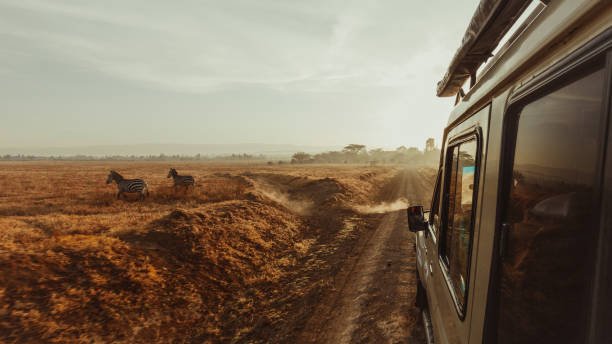
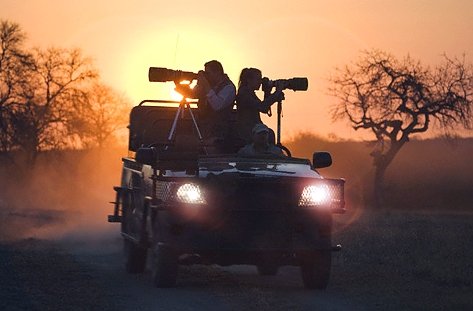
Planning a safari in Southern Tanzania is about embracing a different kind of African wilderness – one that feels vast, untamed, and profoundly authentic. Unlike its more famous northern counterparts, the south offers a more intimate connection with nature, fewer vehicles, and a chance to explore diverse landscapes from riverine forests to arid plains. This guide will walk you through crafting the perfect Southern Tanzania safari itinerary, focusing on the key parks, the best times to visit, and practical advice for your 2026-2027 adventure.
Why Choose Southern Tanzania?
For many, the dream of an African safari conjures images of the Serengeti and Ngorongoro Crater. However, Southern Tanzania presents a compelling alternative, especially for those who have perhaps already experienced the northern circuit or are seeking a deeper, less commercialized encounter with wildlife. The parks here are immense, offering a sense of true wilderness. You’re more likely to have game drives to yourself, allowing for unhurried observations and incredible photographic opportunities. The diversity of activities, particularly in Nyerere National Park with its boat safaris, adds another layer of appeal.
Choosing Southern Tanzania means opting for an adventure that feels more exploratory. The infrastructure is less developed than in the north, which contributes to its pristine nature. This is the Tanzania of vast plains, mighty rivers, and elusive predators. If you’re looking for a safari that feels raw, rewarding, and truly memorable for 2026 or 2027, the south is an excellent choice.
Key Parks in Southern Tanzania
The Southern Circuit is dominated by a few iconic parks, each offering a distinct safari experience. Understanding their unique characteristics is crucial for building your itinerary.
Nyerere National Park (formerly Selous Game Reserve)
Nyerere National Park is one of Africa’s largest game reserves and a UNESCO World Heritage Site. Its defining feature is the mighty Rufiji River, which flows through the park, creating a mosaic of diverse habitats: miombo woodlands, riverine forests, swamps, and open plains. This variety supports an incredible array of wildlife.
- Wildlife Highlights: Nyerere is renowned for its large elephant and buffalo herds, wild dogs, lions, leopards, hippos, crocodiles, and an astonishing diversity of birdlife. It’s also one of the best places to see endangered wild dogs.
- Unique Activities: The park offers unique boat safaris on the Rufiji River, providing a different perspective on wildlife, especially hippos, crocodiles, and aquatic birds. Walking safaris are also a popular option, allowing for a more in-depth experience on foot with an armed ranger.
- Best for: Travelers looking for a variety of activities, stunning riverine landscapes, and a good chance of seeing wild dogs. It’s also a good option for those who appreciate a less crowded experience.
Ruaha National Park
Ruaha is Tanzania’s largest national park and is known for its dramatic landscapes, rugged terrain, and a high concentration of predators. It’s a wild and remote destination that attracts serious safari enthusiasts.
- Wildlife Highlights: Ruaha is particularly famous for its large lion prides, abundant elephants, and a significant population of endangered wild dogs. It also boasts one of the highest concentrations of cheetahs and leopards in Tanzania. The park is home to over 10% of the world’s lion population and a remarkable number of Greater and Lesser kudus.
- Unique Activities: Game drives are the primary activity, but the park’s wild nature lends itself to exciting sightings. Walking safaris are also offered, giving you a chance to track animals on foot.
- Best for: Experienced safari-goers who appreciate true wilderness, are interested in predators, and don’t mind a more remote and rugged environment. It’s ideal for photographers seeking dramatic scenery and wildlife.
Mikumi National Park
Mikumi National Park is often referred to as the ‘Serengeti of the South’ due to its vast open plains and abundant wildlife, easily visible from the main road that passes through it. It’s the most accessible park in the Southern Circuit.
- Wildlife Highlights: Mikumi is known for its large herds of elephants and zebras, giraffes, wildebeest, buffaloes, and a healthy population of lions that often relax on the iconic acacia trees. It’s also a good birding destination.
- Unique Activities: Game drives are the main focus. Due to its accessibility, it’s a popular choice for shorter safaris or as a stopover on a longer itinerary.
- Best for: Travelers looking for a convenient and accessible safari experience, those on a tighter schedule, or as part of a multi-park Southern Circuit tour. It’s great for a first-time safari experience or a quick wildlife fix.
Kitulo National Park (Botanical Garden of Tanzania)
While not a traditional safari destination for large mammals, Kitulo National Park is unique. It is often called the ‘Botanical Garden of Tanzania’ and is famous for its vast montane grasslands carpeted with wildflowers, orchids, and other endemic plants. It’s a paradise for botanists and nature lovers.
- Wildlife Highlights: While you might spot some small mammals and birds, the main attraction is the flora. It’s a place for quiet contemplation and appreciating the smaller wonders of nature.
- Unique Activities: Hiking and nature walks through the stunning floral landscapes.
- Best for: Those with a keen interest in botany, wildflowers, and unique natural landscapes, often visited as a serene interlude between more intense wildlife viewing.
Crafting Your Southern Tanzania Safari Itinerary
The beauty of Southern Tanzania lies in its vastness and the ability to tailor an itinerary to your interests and available time. Most itineraries focus on combining 2-3 of the main parks.
Typical Durations and Combinations
- 3-4 Days: A short trip might focus on Mikumi National Park, accessible from Dar es Salaam, offering a good introduction to Tanzanian wildlife.
- 5-7 Days: This is a popular duration, often combining Mikumi with Nyerere National Park. This allows for game drives, boat safaris, and potentially walking safaris.
- 8-10 Days: For a more comprehensive experience, consider adding Ruaha National Park to Mikumi and Nyerere. This provides a deep look at the diverse ecosystems and predator populations of the south.
- 10+ Days: Longer itineraries can incorporate all three main parks (Mikumi, Nyerere, Ruaha) with more relaxed pacing, deeper exploration, and perhaps even a visit to Kitulo National Park or a coastal extension.
Sample Itinerary Ideas
7-Day Southern Tanzania Explorer: Mikumi & Nyerere
- Day 1: Arrive in Dar es Salaam, transfer to your hotel.
- Day 2: Drive to Mikumi National Park. Afternoon game drive.
- Day 3: Full day game drive in Mikumi.
- Day 4: Morning game drive in Mikumi, then drive to Nyerere National Park. Settle into your lodge/camp.
- Day 5: Full day exploring Nyerere, including a boat safari on the Rufiji River.
- Day 6: Morning walking safari or game drive in Nyerere. Afternoon drive back to Dar es Salaam.
- Day 7: Departure from Dar es Salaam.
This itinerary is ideal for those with limited time but wanting a taste of Southern Tanzania’s highlights, including river activities.
10-Day Southern Tanzania Grand Circuit: Mikumi, Nyerere & Ruaha
- Day 1: Arrive in Dar es Salaam, overnight.
- Day 2: Drive to Mikumi National Park, afternoon game drive.
- Day 3: Full day game drive in Mikumi.
- Day 4: Drive to Nyerere National Park, afternoon boat safari.
- Day 5: Full day game drive in Nyerere.
- Day 6: Morning walking safari in Nyerere. Fly or drive to Ruaha National Park.
- Day 7: Full day game drive in Ruaha.
- Day 8: Morning game drive in Ruaha.
- Day 9: Fly from Ruaha back to Dar es Salaam.
- Day 10: Departure.
This longer itinerary provides a comprehensive experience of the Southern Circuit’s diverse landscapes and wildlife, including the predator-rich Ruaha. Flying between parks can save significant travel time for longer trips in 2026-2027.
Best Time to Visit Southern Tanzania (2026-2027)
The best time to visit Southern Tanzania for wildlife viewing generally aligns with the dry seasons:
- Dry Season (June to October): This is considered the prime time for safari. Water sources become scarcer, concentrating animals around rivers and waterholes, making them easier to spot. The vegetation thins out, improving visibility. This period also offers pleasant temperatures and lower humidity. It’s also a popular time, so booking for 2026-2027 well in advance is recommended.
- Shoulder Season (November to March): This period sees the beginning of the rains. While some areas might become challenging to access, it’s a fantastic time for birdwatching as migratory birds arrive. The landscape turns lush and green, offering beautiful photographic opportunities. It’s also generally less crowded and can be more budget-friendly. The short rains in November can be followed by a dry spell in December/January, with longer rains typically from March to May.
- Green Season (April to May): These months usually experience the heaviest rains, leading to lush vegetation but potentially difficult road conditions and some camps may close. However, this is the quietest time, offering the most affordable rates and a truly wild, unspoiled experience for the adventurous traveler.
For most visitors aiming for peak wildlife sightings in 2026-2027, the June to October dry season is the most reliable choice.
Choosing Your Travel Style: Private vs. Group Joining
When planning your Southern Tanzania safari, you’ll typically choose between a private safari or a group-joining (shared) safari. Each has its advantages:
Private Southern Tanzania Safari
- Flexibility: You set the pace, choose your game drive times, and can spend as long as you wish at sightings.
- Exclusivity: You have your own dedicated safari vehicle and guide.
- Customization: Itineraries are fully tailored to your interests, pace, and budget.
- Cost: Generally more expensive per person than group joining, especially for solo travelers or couples. However, for larger groups, the cost per person can become comparable.
- Ideal for: Families, couples, groups of friends, or individuals who prioritize flexibility, privacy, and a highly personalized experience. Explore private package options.
Group Joining Southern Tanzania Safari
- Cost-Effective: The most budget-friendly way to experience Southern Tanzania, as costs are shared among travelers.
- Social: Opportunity to meet other travelers and share experiences.
- Fixed Itinerary: You join a pre-set itinerary with fixed departure dates and a shared safari vehicle.
- Less Flexibility: Game drive times and routes are determined by the group and operator.
- Ideal for: Solo travelers or those on a tighter budget looking for a well-organized and affordable safari. Discover budget-friendly tours.
TOP GUIDE ADVENTURES specializes in both private and group-joining safaris, ensuring you can find an option that fits your travel style and budget for 2026-2027. Check available group departure dates.
Logistics and Getting Around
Logistics are a key consideration for Southern Tanzania safaris, as the distances are significant and infrastructure can be challenging.
- Starting Point: Most Southern Tanzania safaris begin from Dar es Salaam. It is the largest city and main gateway for this region. You can fly into Julius Nyerere International Airport (DAR).
- Transportation:
- Road: 4×4 safari vehicles are essential for navigating the parks. Drives between parks can be long (e.g., Dar es Salaam to Mikumi is about 4-5 hours, Mikumi to Nyerere can be 5-6 hours, and Nyerere to Ruaha is a very long drive, often requiring an overnight stop or a flight).
- Flights: To maximize time and comfort, especially for longer itineraries or when visiting Ruaha, flying between parks is highly recommended. Small bush planes operate from Dar es Salaam and other hubs to airstrips within the national parks (e.g., Mtemere Airstrip in Nyerere, Jongomero or Mdonya Airstrip in Ruaha). This is particularly beneficial for 2026-2027 trips where time is precious.
- Park Entry Fees: These are typically included in your safari package. Fees vary per park and are charged per person, per day, plus a vehicle fee.
- Accommodation: Options range from budget-friendly tented camps and guesthouses to mid-range lodges and exclusive luxury camps. Your choice will significantly impact the overall cost and experience.
TOP GUIDE ADVENTURES handles all these logistical details, ensuring a smooth transition between locations and activities. We can arrange internal flights to save you valuable time on your 2026-2027 safari.
What to Pack for Your Southern Tanzania Safari
Packing light and smart is key for a safari. Most safari operators have a luggage restriction for internal flights, typically 15 kg (33 lbs) in soft duffel bags. Hard suitcases are generally not permitted on small aircraft.
Essential Items:
- Clothing: Neutral-colored, lightweight clothing (khaki, beige, olive green). Avoid bright colors and dark blue/black, which can attract insects or scare wildlife. Bring long-sleeved shirts and trousers for sun protection and cooler evenings.
- Footwear: Comfortable walking shoes or hiking boots (if doing walking safaris), plus comfortable trainers or sandals for relaxing at the lodge.
- Outerwear: A light jacket or fleece for cooler mornings and evenings, especially during the dry season. A waterproof jacket is advisable during the rainy season.
- Sun Protection: High SPF sunscreen, a wide-brimmed hat, and sunglasses are essential.
- Insect Repellent: A good quality repellent containing DEET is recommended.
- Health: Personal first-aid kit, any personal medications, and consult your doctor about malaria prophylaxis and other travel vaccinations.
- Photography: Camera, extra batteries, memory cards, and a zoom lens. Binoculars are highly recommended for spotting wildlife.
- Documents: Passport, visa (if required), flight tickets, travel insurance details, and copies of important documents.
- Accessories: Headlamp or flashlight, reusable water bottle, and a small backpack for day trips.
Remember to pack essentials like medication and a change of clothes in your carry-on luggage in case of any delays with checked baggage.
Booking Your Southern Tanzania Safari
When booking your Southern Tanzania safari for 2026-2027, consider the following to ensure a smooth and memorable experience:
- Choose a Reputable Operator: Look for local operators with in-depth knowledge of the Southern Circuit. TOP GUIDE ADVENTURES, based in Moshi/Arusha, has extensive experience in organizing safaris across Tanzania, including the less-travelled southern parks.
- Understand Inclusions/Exclusions: Always clarify what is included in your safari package. Typically, this covers park fees, accommodation, meals, a safari vehicle, and a guide. Exclusions often include international flights, visas, tips, drinks, and personal expenses. Review cost and price details.
- Confirm Vehicle Type: Ensure your safari vehicle is a sturdy 4×4, well-maintained, and equipped for the terrain. Pop-up roofs are standard for game viewing.
- Guide Experience: A knowledgeable and experienced guide is crucial. They can spot wildlife, explain animal behavior, and enhance your overall safari experience.
- Booking Window: For peak season travel in 2026-2027, especially if you’re looking for specific lodges or private tours, book at least 6-9 months in advance. For group joining safaris, 3-4 months is usually sufficient, but earlier is always better for availability.
To start planning your personalized Southern Tanzania safari itinerary, get in touch with the experts at TOP GUIDE ADVENTURES. We can help you design the perfect adventure, whether you’re looking for a safari from Dar es Salaam, a private package, or a group joining tour. Contact us via WhatsApp at +255 616 946 642 or email us at topguideadventures@gmail.com to discuss your dream safari for 2026-2027.
Frequently Asked Questions
Is Southern Tanzania safe for tourists?
Yes, Southern Tanzania is generally safe for tourists, especially when traveling with reputable tour operators like TOP GUIDE ADVENTURES. Standard travel precautions apply. The parks are managed by park authorities, and safari operators adhere to safety protocols.
What is the main difference between Northern and Southern Tanzania safaris?
The primary difference lies in crowd levels and landscape. Northern Tanzania (Serengeti, Ngorongoro) is more popular, with higher visitor numbers and iconic crater landscapes. Southern Tanzania offers a more remote, less crowded experience with vast plains, riverine systems, and a wilder feel. Activities like boat safaris are more prominent in the south (Nyerere).
Can I combine Southern Tanzania with Zanzibar?
Absolutely. It’s a very popular combination. You can fly from Dar es Salaam to Zanzibar after your safari, or even arrange fly-in safaris from Zanzibar to the southern parks, though this is more complex and costly. Consider a relaxing beach holiday in Zanzibar after your adventure.
What are the accommodation options in Southern Tanzania?
Accommodation ranges from basic tented camps and lodges within the parks to more comfortable mid-range and luxury camps. Options often include bandas (bungalows), canvas tents with en-suite bathrooms, and full-service lodges. Many camps are strategically located to offer excellent wildlife viewing opportunities.
Is it possible to do a walking safari in Southern Tanzania?
Yes, walking safaris are a fantastic way to experience the bush up close, and they are offered in parks like Nyerere and Ruaha. These must be accompanied by an armed ranger and are a unique way to connect with the environment. Always confirm availability with your tour operator.
Check Availability for Southern Tanzania Safari Itinerary And Travel Guide For 2026-2027
Ready to compare dates, prices, and the best option for your group? Send the package name and travel month so the team can reply with a clear quote, availability, and what is included.
Lake Natron And Tarangire Safari Tour: An Unforgettable Tanzanian Adventure
Combine the otherworldly beauty of Lake Natron with the abundant wildlife of Tarangire National Park on a custom Tanzania safari. This guide helps you plan your unique adventure, focusing...
View package details
Lake Natron And Ngorongoro Safari Combination: Your Expert Tanzania Adventure
Discover the contrasting wonders of Tanzania by combining the stark beauty of Lake Natron with the abundant wildlife of the Ngorongoro Crater. This safari pairing offers a unique blend of...
View package details
Lake Natron Serengeti And Ngorongoro Safari Itinerary: Your Expert Guide
Combine the unique alkaline shores of Lake Natron with the vast plains of the Serengeti and the unique caldera of Ngorongoro Crater on an unforgettable Tanzania safari. This itinerary...
View package details6 Day Lake Natron And Northern Tanzania Safari 2026-2027
6 Day Lake Natron and Northern Tanzania Safari 2026-2027 is explained with current 2026-2027 planning, price, itinerary and booking information.
View package details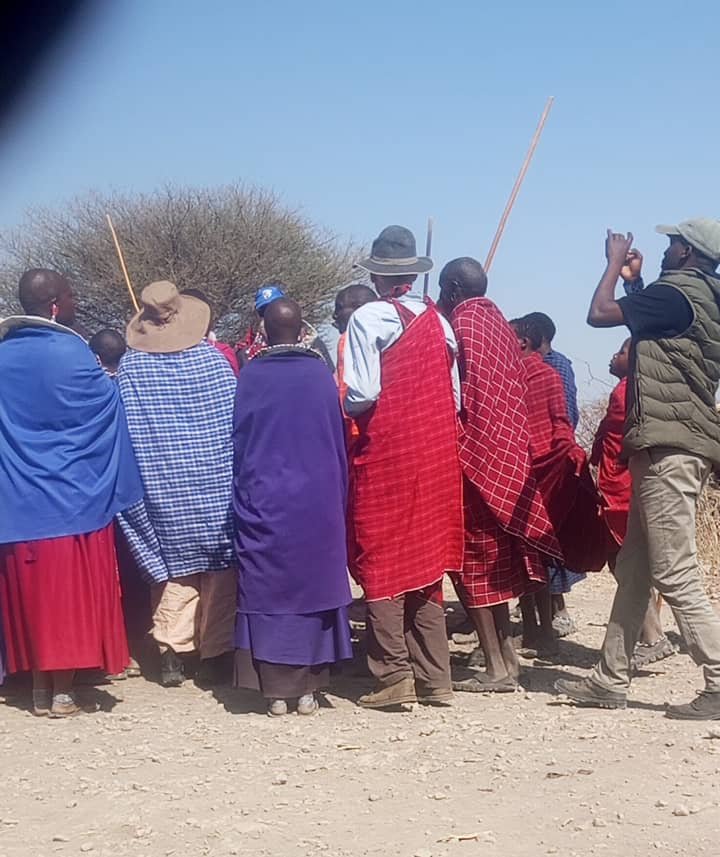
Lake Eyasi Private Cultural Safari Tour: Connect With Tanzanias Ancient Tribes
start an unforgettable Lake Eyasi Private Cultural Safari Tour to connect with Tanzania's ancient hunter-gatherer and pastoralist communities. This tour offers a unique opportunity to...
View package details
7 Day Lake Eyasi Cultural Safari And Tanzania Wildlife Adventure 2026-2027
Discover the unique cultures of the Hadzabe and Datoga people around Lake Eyasi, combined with thrilling wildlife encounters on this 7-day Tanzania adventure in 2026-2027. This itinerary...
View package details
6 Day Lake Eyasi Cultural Safari And Northern Tanzania Tour 2026-2027
Discover the heart of Tanzania on a 6-day cultural safari to Lake Eyasi, combined with a taste of Northern Tanzania's renowned wildlife. This itinerary offers deep dives into the lives of...
View package details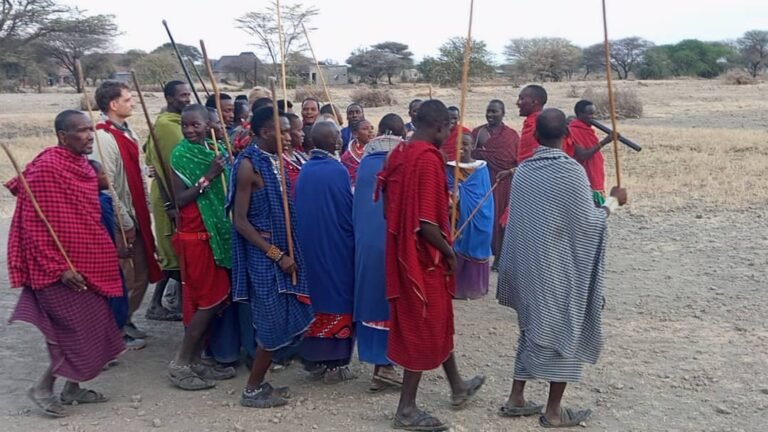
Arusha Tanzania Travel Guide: Itinerary & Things To Do 2026-2027
Your comprehensive guide to Arusha, Tanzania, covering top itineraries, essential things to do, safari planning, and practical tips for your 2026-2027 adventure.
View package detailsBest Arusha Tanzania Tours Safaris And Day Trips For 2026-2027
Planning a safari or day trip from Arusha? This guide covers the best options, from multi-day safaris to quick escapes, helping you choose the perfect Tanzanian adventure for 2026-2027.
View package details7 Day Ol Doinyo Lengai Lake Natron And Serengeti Safari 2026-2027
7 Day Ol Doinyo Lengai Lake Natron and Serengeti Safari 2026-2027 is explained with current 2026-2027 planning, price, itinerary and booking information.
View package details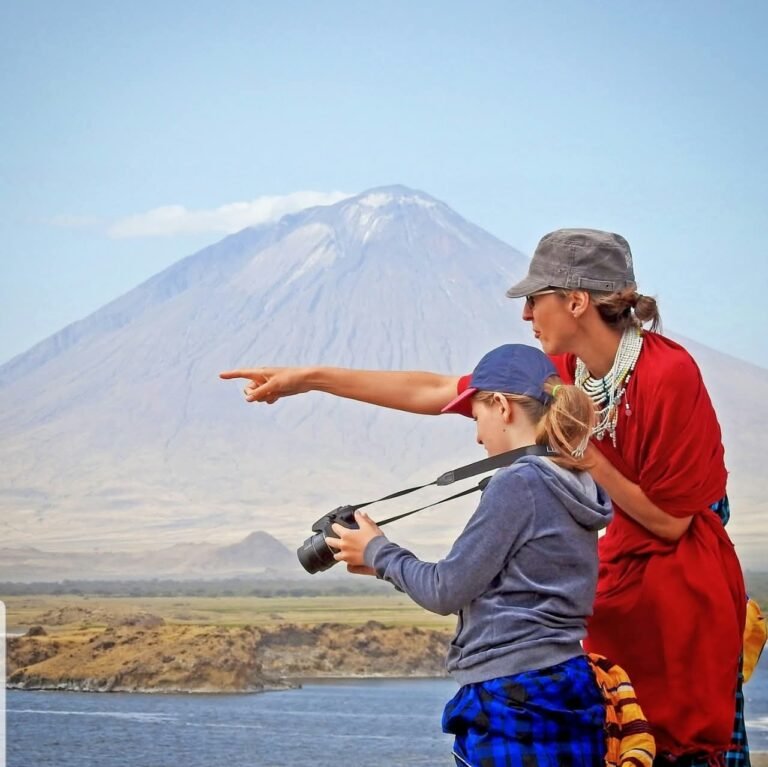
6 Day Ol Doinyo Lengai Trek And Northern Tanzania Tour | Top Guide Adventures
start a unique 6-day journey in 2026-2027 combining the challenging ascent of Ol Doinyo Lengai with the impressive landscapes and wildlife of Northern Tanzania. This itinerary offers an...
View package details
5 Day Ol Doinyo Lengai Climb And Cultural Safari | Top Guide Adventures
This 5-day itinerary offers a unique blend of adventure and culture, featuring a challenging climb of Ol Doinyo Lengai and in-depth experiences with local tribes. Plan your 2026-2027 trip...
View package detailsNo closely related package is available yet for this topic.



