
A Tanzania safari during the rainy season, typically from November to May, offers a more affordable and visually stunning experience with lush green landscapes, fewer tourists, and excellent opportunities for birdwatching and witnessing newborn wildlife, though some roads may be challenging and certain wildlife migrations are less predictable. For 2026-2027, expect safari package prices to be generally lower than in the dry season, often by 10-25%, with typical 7-day Northern Circuit safaris ranging from $2,000 to $4,500 per person for mid-range options, depending on accommodation, vehicle type, and specific inclusions.
Planning a safari in Tanzania during the rainy season, often referred to as the ‘Green Season’ or ‘Low Season,’ presents a compelling alternative to the peak dry months. While many travelers associate safaris with clear skies and abundant wildlife sightings, the shoulder months and the heart of the rainy season can offer unique advantages, particularly for those mindful of their budget or seeking a more intimate wildlife viewing experience. This guide focuses on what you can realistically expect for a Tanzania safari during the rainy season in 2026-2027, covering pricing, wildlife, park conditions, and how to make the most of your trip.
Understanding Tanzania’s Rainy Seasons and Their Impact on Safaris
Tanzania experiences distinct rainy seasons, influenced by its geographical location and prevailing weather patterns. Broadly, these can be categorized:
- The “Short Rains” (Vuli): Usually occur from November to mid-December. These are often characterized by short, localized showers, typically in the afternoon, leaving mornings clear and suitable for game drives.
- The “Long Rains” (Masika): Typically run from March to May. This is the period of heaviest rainfall, with prolonged showers, overcast skies, and potentially challenging road conditions in some areas. June marks the transition back to drier weather.
The months of April and May are generally considered the wettest, while November and December can be more variable. The impact on your safari experience hinges on which specific months you choose within this period. For instance, a safari in April or May will likely involve more consistent rain than one in late November or early December. Understanding these nuances is key to setting realistic expectations for your 2026-2027 safari.
Safari Pricing and Value During the Green Season (2026-2027)
One of the most significant draws of a rainy season safari is the potential for cost savings. Tour operators often adjust their pricing to reflect lower demand during these months, making it an opportune time to experience Tanzania’s iconic wildlife destinations.
General Price Trends for 2026-2027 Green Season Safaris:
- Accommodation Discounts: Lodges and tented camps frequently offer reduced rates, sometimes up to 30-40% off their peak season prices. This is a substantial saving, especially for longer trips.
- Tour Operator Adjustments: Most reputable operators, including Top Guide Adventures, will reflect these savings in their package prices. You can typically expect a 10-25% reduction on standard safari packages compared to the dry season.
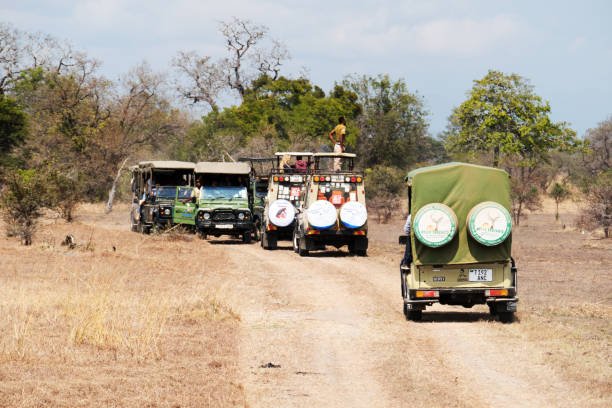
- Package Inclusions: While prices drop, the core inclusions of a safari package generally remain the same. This includes park entry fees, accommodation, a private 4×4 safari vehicle with a driver-guide, meals, and often bottled water.
Estimated Price Ranges for 2026-2027 (per person for a 7-day Northern Circuit Safari):
| Safari Style | Estimated Price Range (per person) | Notes |
|---|---|---|
| Budget (basic camps/lodges) | $1,500 – $2,500 | Focus on value, simpler accommodations. |
| Mid-Range (comfortable lodges/tented camps) | $2,000 – $4,500 | Good balance of comfort and price, most popular. |
| Luxury (high-end lodges/exclusive camps) | $4,500+ | Premium service, exclusive locations, higher cost even in low season. |
It’s important to note that these are indicative prices for 2026-2027. Exact costs depend on the specific parks visited, the duration of your safari, the type of accommodation chosen (e.g., permanent lodges vs. mobile camps), and the level of service. For a personalized quote that reflects the best value during the Green Season, contacting Top Guide Adventures directly is recommended.
Wildlife Viewing in the Green Season: What to Expect
The term ‘rainy season’ might conjure images of animals hiding away, but this is largely a misconception. In fact, the Green Season offers some unique wildlife viewing opportunities.
- Lush Landscapes: The rains transform the savanna into a vibrant, verdant paradise. This makes for incredibly picturesque scenery and excellent photographic opportunities.
- Newborn Wildlife: For many species, including wildebeest, zebras, and antelopes, the Green Season (especially from January to March) is calving season. Witnessing young animals taking their first steps is a special experience, often seen in areas like the Ndutu area of the Serengeti.
- Birdwatching Paradise: Migratory birds arrive from Europe and other parts of Africa, turning Tanzania into a haven for bird enthusiasts. The plumage of resident birds is also at its brightest.
- Predator-Prey Dynamics: With abundant new life, predators are often more active, providing thrilling sightings. The lush vegetation can sometimes make spotting animals more challenging, but experienced guides are adept at finding them.
- The Great Migration: While the dramatic river crossings are typically associated with the dry season (July-October), the Great Migration of wildebeest and zebras is a year-round phenomenon. During the Green Season, the herds are often found grazing in the southern Serengeti and Ngorongoro Conservation Area, particularly for the calving season (Jan-Mar).
While the iconic Mara River crossings might be less likely during the main rainy months (March-May), the abundance of young animals and the general activity in the parks make for a rewarding safari. For specific wildlife events, like the Serengeti Calving Season, the Green Season is actually the prime time.
National Parks and Road Conditions
Tanzania’s vast network of national parks offers diverse experiences, and the rainy season impacts them differently. Understanding these variations is crucial for itinerary planning in 2026-2027.
Northern Circuit Considerations:
The most popular parks – Serengeti, Ngorongoro Crater, Tarangire, Lake Manyara, and Arusha National Park – are generally accessible year-round. However:
- Serengeti: While vast, some internal tracks can become muddy and impassable during the heaviest rains (April-May). Tour operators monitor conditions closely and will reroute if necessary to ensure smooth travel. The central, western, and eastern parts of the Serengeti tend to remain accessible.
- Ngorongoro Crater: Access to the crater floor is via a steep, paved road which is usually fine. However, the track down into the crater can become slippery. The rim road is generally okay.
- Tarangire and Lake Manyara: These parks can experience muddy conditions, particularly Tarangire’s main tracks. However, the wildlife viewing can be excellent as animals congregate around permanent water sources.
For those considering the Northern Circuit, most operators are well-equipped to handle these conditions. A 4×4 safari vehicle is essential, and your guide’s expertise in navigating local conditions is invaluable.
Southern and Western Tanzania:
Parks like Ruaha and Selous (Nyerere National Park) in the south, and Katavi and Mahale in the west, can experience more significant disruption. Access roads can become very difficult, and some camps may close temporarily during the peak of the long rains (April-May). If you’re interested in these less-visited regions during the Green Season, it’s vital to consult with an operator like Top Guide Adventures who has up-to-date information on accessibility and camp operations for 2026-2027.
Choosing Your Accommodation and Safari Style
The Green Season is an excellent time to explore different accommodation types and safari styles, often at a more accessible price point.
- Lodges vs. Tented Camps: Permanent lodges offer comfort and amenities, while tented camps provide a closer-to-nature experience. During the Green Season, both are usually available, and the lower rates make them more attainable. Some mobile tented camps, which follow the migration, might be less active or repositioned during heavy rains, so confirm this with your operator.
- Mid-Range Safaris: These are ideal for the Green Season. You can enjoy comfortable accommodations and excellent service without the premium price tag of luxury options. Packages like the Serengeti & Ngorongoro Lodge Packages are particularly good value.
- All-Inclusive Options: Many operators offer all-inclusive packages that cover meals, drinks, park fees, and activities. This can be a straightforward way to budget for your trip, and the Green Season often presents the best deals for all-inclusive safaris.
- Private vs. Group Safaris: While private safaris offer maximum flexibility, joining a group safari can be a more budget-friendly option, especially during the Green Season. Check for group departure dates for 2026-2027 to find potential savings.
When booking, always clarify what is included in your accommodation and safari package. For instance, confirm whether alcoholic beverages are included, as they often add significantly to the cost.
What to Pack for a Green Season Safari
Packing smart is essential for any safari, but especially during the rainy season. Layering is key, and being prepared for both sunshine and showers will enhance your comfort.
Essential Packing List for 2026-2027 Green Season Safaris:
- Lightweight, waterproof rain jacket: A must-have for unexpected showers.
- Quick-drying clothing: Pack neutral-colored, breathable fabrics. Long sleeves and trousers are recommended for sun and insect protection.
- Warm layers: Evenings and early mornings can be cool, especially at higher altitudes. A fleece or jumper is advisable.
- Comfortable walking shoes: For lodge grounds or short walks.
- Sun protection: Wide-brimmed hat, sunglasses, and high SPF sunscreen.
- Insect repellent: Especially important during dawn and dusk.
- Binoculars: Essential for spotting wildlife.
- Camera with extra batteries and memory cards: You won’t want to miss a moment. Consider a waterproof camera bag.
- Small backpack: For carrying essentials during game drives.
- Personal first-aid kit: With any personal medications.
- Reusable water bottle: To stay hydrated and reduce plastic waste.
Remember that most safari operators have a luggage limit, typically 15 kg per person in soft-sided duffel bags for light aircraft transfers, though this is less common on standard road safaris. Always confirm with your tour operator.
Booking Your Green Season Safari in 2026-2027
Booking a safari during the rainy season requires careful planning, especially when aiming for the 2026-2027 travel window. Early booking is still advisable to secure your preferred lodges and ensure availability, even during the low season.
Key Booking Considerations:
- Choose a Reputable Operator: Work with an experienced tour operator like Top Guide Adventures. They have local knowledge, understand the seasonal nuances, and can advise on the best parks and lodges for the Green Season.
- Be Flexible: While you can plan an itinerary, be prepared for minor adjustments due to weather. Your guide will be the best resource for making real-time decisions.
- Understand Inclusions/Exclusions: Always clarify what your safari package covers. This includes meals, drinks, park fees, activities, and guide services. For example, Tanzania safari costs can vary significantly based on what’s included.
- Travel Insurance: Essential for any trip. Ensure it covers trip cancellations, medical emergencies, and potential delays due to weather.
For a Tanzania safari during the rainy season in 2026-2027, contacting Top Guide Adventures is the first step to securing a memorable and well-managed adventure. We can help tailor an itinerary that maximizes your wildlife viewing opportunities while respecting your budget. Send us your desired dates, number of travelers, and any specific interests via email or WhatsApp, and we’ll craft a personalized proposal.
Don’t let the ‘rainy season’ deter you; it’s a time of renewal, vibrant life, and exceptional value. Let us help you plan your unforgettable Green Season safari experience for 2026-2027.
Check Availability for Tanzania Safari During The Rainy Season: Travel Guide And Prices 2026-2027
Ready to compare dates, prices, and the best option for your group? Send the package name and travel month so the team can reply with a clear quote, availability, and what is included.

Great Serengeti Migration Safaris In Tanzania: Best Routes, Seasons &
Discover the magic of the Great Serengeti Migration with Top Guide Adventures. This guide covers the best routes, optimal seasons for wildlife viewing, and essential planning tips for your...
View package details
Tanzania Safari Packages With Airport Transfers And Hotel Nights Included
Planning a Tanzania safari? Discover comprehensive packages that bundle airport transfers and comfortable hotel stays, streamlining your journey from arrival to your first game drive. This...
View package details
Private Tanzania Safari With Flexible Daily Game Drive Schedules 2026-2027
Private Tanzania Safari with Flexible Daily Game Drive Schedules is explained with current 2026-2027 planning, price, itinerary and booking information.
View package details
Tanzania Safari Tours With Early Morning Game Drives Included 2026-2027
Tanzania Safari Tours with Early Morning Game Drives Included is explained with current 2026-2027 planning, price, itinerary and booking information.
View package details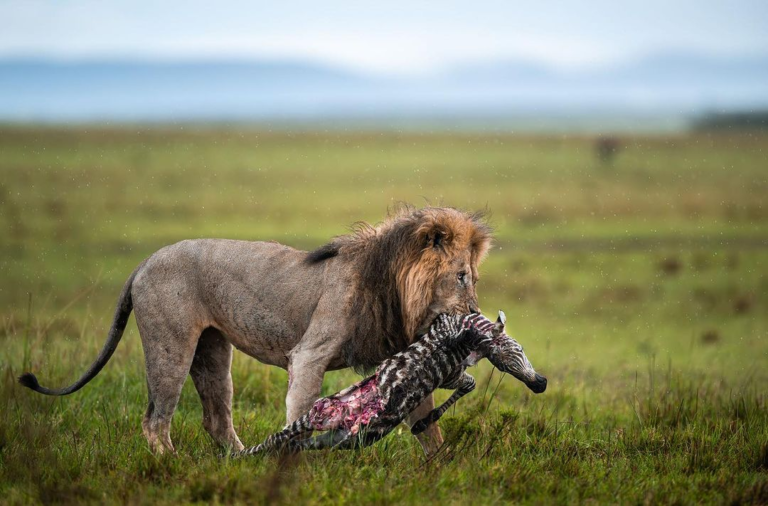
Tanzania Safari Packages Ending With A Flight To Zanzibar: Your Ultimate Guide
Discover the perfect blend of thrilling wildlife encounters and idyllic island life with a Tanzania safari package that concludes with a flight to Zanzibar. This guide covers essential...
View package details
Tanzania Safari Tours With Kilimanjaro Airport Pickup Included 2026-2027
Seamlessly begin your Tanzanian adventure with a safari package that includes pickup directly from Kilimanjaro International Airport (JRO). This guide details what to expect, popular...
View package details
What Is The Total Cost Of A Tanzania Safari Without Hidden Fees? 2026-2027
What Is the Total Cost of a Tanzania Safari Without Hidden Fees? is explained with current 2026-2027 planning, price, itinerary and booking information.
View package details
Tanzania Safari Tours With All Park Fees Included In The Price 2026-2027
Tanzania Safari Tours with All Park Fees Included in the Price is explained with current 2026-2027 planning, price, itinerary and booking information.
View package details
Can I Book A Tanzania Safari Without Paying The Full Amount Upfront? Your
Planning a dream Tanzania safari for 2026-2027 but wondering about upfront payments? This guide explains how flexible payment options work with reputable tour operators, allowing you to...
View package detailsTanzania Safari Packages With Payment On Arrival Options: Your Guide 2026-2027
Explore Tanzania safari packages offering convenient payment on arrival options for your 2026-2027 adventure. This guide clarifies the process, benefits, and what to consider when booking...
View package detailsAfrica Tours & Travel, All Safari Booking In Tanzania 2026-2027
Africa Tours & Travel, All Safari Booking in Tanzania is explained with current 2026-2027 planning, price, itinerary and booking information.
View package detailsHow Much Does A Hadzabe Tribe Tour Cost? Lake Eyasi Prices And Cultural
Planning a trip to interact with the Hadzabe people? This guide breaks down the typical costs for Hadzabe tribe tours around Lake Eyasi, detailing what influences prices, what’s usually...
View package detailsNo closely related package is available yet for this topic.



