
A Tanzania safari from Arusha to Tarangire, Lake Manyara, and Serengeti is a classic Northern Circuit itinerary, typically lasting 5 to 8 days, designed for optimal wildlife viewing and diverse ecosystems. This route offers a comprehensive experience of Tanzania’s most celebrated national parks, starting from the convenient hub of Arusha, moving through the game-rich Tarangire with its baobabs and elephants, the compact yet vibrant Lake Manyara known for its tree-climbing lions and diverse birdlife, and culminating in the world-renowned Serengeti, famous for the Great Migration and vast predator populations. The primary decision for travelers is the duration of the safari, the type of accommodation (budget camping, mid-range lodges, or luxury tented camps), and whether to opt for a group joining or private tour, with 2026-2027 offering excellent opportunities to book during peak seasons.
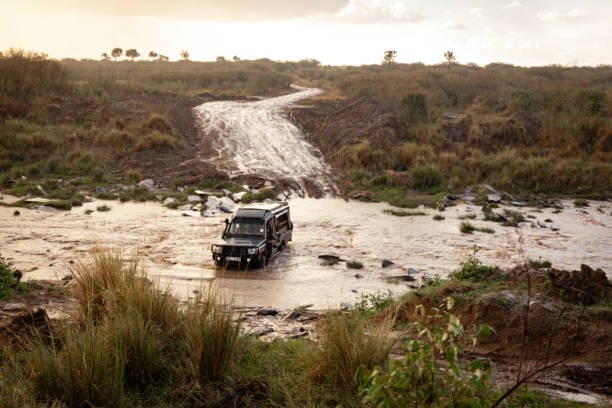
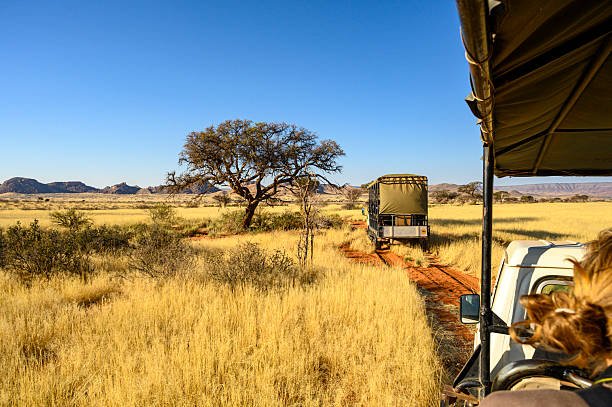
Planning a Tanzania safari from Arusha to Tarangire, Lake Manyara, and Serengeti is the quintessential journey for many wildlife enthusiasts. This itinerary hits the highlights of the Northern Circuit, offering a rich mix of landscapes and unparalleled opportunities to witness Africa’s iconic animals in their natural habitat. As a leading local tour operator in Moshi/Arusha, TOP GUIDE ADVENTURES specializes in crafting these unforgettable experiences for 2026-2027, ensuring you get the most out of your adventure.
Understanding the Arusha-Tarangire-Manyara-Serengeti Safari Route
The typical Tanzania safari route starting from Arusha is a well-trodden path, meticulously designed to maximize wildlife sightings and showcase the diversity of the Northern Circuit. It’s structured logically, moving from south to north, allowing for a natural progression through different ecosystems.
Here’s the common flow:
- Arusha: The gateway city. Most safaris begin here, either with an airport pickup or from your hotel. It’s the base for tour operators to prepare vehicles and brief clients.
- Tarangire National Park: Often the first park visited. Tarangire is famous for its massive elephant herds, particularly during the dry season (June to October), and its iconic baobab trees. The landscape is drier and more open than the subsequent parks.
- Lake Manyara National Park: A smaller park, but incredibly diverse. It’s known for its large troops of baboons, tree-climbing lions (though not always guaranteed), and its stunning alkaline lake that attracts a vast array of birdlife, including flamingos. The park is characterized by groundwater forests and acacia woodlands.
- Serengeti National Park: The crown jewel. This vast, endless plain is home to an astonishing density of wildlife year-round. It’s most famous for the Great Migration of wildebeest and zebras, which moves in a complex pattern throughout the year. The Serengeti offers incredible predator sightings, including lions, leopards, cheetahs, and hyenas.
Some itineraries may also include the Ngorongoro Conservation Area, often visited between Lake Manyara and the Serengeti, or as a separate day trip. However, your keyword specifically focuses on Tarangire, Lake Manyara, and Serengeti, so we’ll concentrate on that core experience. This route is ideal for first-time safari-goers and seasoned travelers alike, offering a condensed yet comprehensive taste of Tanzania’s wildlife wonders.
The choice of entry and exit points for the Serengeti can also influence the itinerary. Some trips might focus on the central Serengeti (Seronera area), while others might venture further north or west to follow the migration. For a standard 5-day trip, you might spend 1-2 nights in the Serengeti, while longer trips allow for more in-depth exploration.
Choosing Your Safari Duration: 5 to 8 Days and Beyond
The length of your safari is a critical decision that directly impacts the depth of your experience and the cost. For the Arusha to Tarangire, Lake Manyara, and Serengeti route, a common starting point is 5 days, but extending this offers significant advantages.
Typical Durations and What They Offer:
- 5 Days / 4 Nights: This is a fast-paced introduction. It usually includes one night in Tarangire, one in Lake Manyara, and two nights in the Serengeti. It’s ideal for those with limited time but still want to see the main highlights. You’ll get a good overview, but time in each park will be limited.
- 6 Days / 5 Nights: This is a popular choice, offering more time to explore. It might add an extra night in the Serengeti or include a visit to the Ngorongoro Crater. This allows for more relaxed game drives and a better chance of encountering a wider variety of animals and behaviors.
- 7 Days / 6 Nights: With this duration, you can spend more substantial time in the Serengeti, perhaps exploring different regions like Seronera and the northern or western corridors depending on the migration. It also allows for a more leisurely pace and potentially includes a visit to the Ngorongoro Crater with a full day on the crater floor. This is a highly recommended duration for a truly in-depth experience.
- 8 Days / 7 Nights and Longer: Extended safaris allow for deeper exploration of the Serengeti’s vastness, potentially visiting areas like Lobo or Kogatende in the north. It also provides ample time for Ngorongoro and could even incorporate a visit to a Maasai village or other cultural experiences. Longer trips are excellent for photographers and serious wildlife enthusiasts who want to maximize their chances of seeing specific behaviors or rare species.
Key Trade-off: More days mean more time for wildlife viewing, reduced travel fatigue, and greater flexibility. However, it also means a higher overall cost. For many, a 6 or 7-day safari strikes the perfect balance between comprehensive experience and budget for 2026-2027.
When planning for 2026-2027, consider that booking longer safaris often provides better value per day, as the cost of vehicle and guide is spread over more time, and you can often secure better rates on accommodation for longer stays.
Accommodation Styles: Camping, Lodges, and Luxury Tented Camps
Your choice of accommodation significantly shapes your safari experience and budget. TOP GUIDE ADVENTURES offers a range of options to suit different preferences and financial plans for your 2026-2027 adventure.
Accommodation Tiers:
- Budget Camping (Tented Camps): These are basic campsites within or near national parks, often managed by park authorities or private operators. You sleep in sturdy canvas tents with basic amenities (beds, mattresses). Showers and toilets might be shared and communal. This is the most affordable option and offers a true ‘back to nature’ feel. It’s ideal for the adventurous traveler on a tight budget.
- Mid-Range Lodges and Tented Camps: This category offers comfortable rooms or permanent tents with en-suite bathrooms (flush toilets, hot showers), comfortable beds, and often a restaurant and bar area. These are typically located within or just outside park boundaries. They provide a good balance of comfort and authentic safari atmosphere. This is a popular choice for families and couples seeking comfort without extreme luxury. Examples include lodges like Tarangire Sopa Lodge, Lake Manyara Serena Safari Lodge, and various lodges/camps in the Serengeti.
- Luxury Lodges and Tented Camps: These are high-end properties offering exceptional service, spacious suites or tents with premium amenities (private bathrooms, often plunge pools, gourmet dining, fine wines). They are strategically located for prime wildlife viewing. This option is for those seeking indulgence, privacy, and a smooth, pampering experience. Think of places like Four Seasons Safari Lodge Serengeti or Singita Grumeti.
Decision Point: Consider your comfort level, desired level of immersion, and budget. For 2026-2027, booking early is crucial for luxury and mid-range options, especially during peak migration seasons, as they fill up quickly.
When discussing your preferences with TOP GUIDE ADVENTURES, be clear about your expectations for privacy, amenities, and dining. They can recommend specific properties that align with your vision for your Tanzania safari.
Private vs. Group Safaris: Making the Right Choice for You
Choosing between a private safari and a group joining (shared) safari is a fundamental decision that impacts your flexibility, pace, and cost. TOP GUIDE ADVENTURES offers both options for the Arusha to Tarangire, Lake Manyara, and Serengeti route.
Private Safari:
- Pros: Complete flexibility over your itinerary, game drive times, and pace. You have a dedicated vehicle and guide solely for your group. Ideal for families, honeymooners, or those with specific interests (e.g., photography). You can stop whenever you see something interesting and spend as much time as you like.
- Cons: Higher cost per person compared to group safaris, as you bear the full expense of the vehicle, guide, and fuel.
Group Joining Safari:
- Pros: Significantly more affordable. You share the cost of the vehicle and guide with other travelers. This is an excellent option for solo travelers or couples looking to save money while still experiencing the best of Tanzania. TOP GUIDE ADVENTURES offers daily departures for these tours, ensuring flexibility in start dates.
- Cons: Less flexibility. Game drive times and routes are set to accommodate the group. You might have to adhere to the group’s pace and decisions about where to spend time. It’s important to have realistic expectations about sharing the vehicle and potentially making group decisions.
Who is it for? If budget is a primary concern and you’re happy to share the experience, a group joining safari is ideal. If you prioritize control over your itinerary, privacy, and a tailored experience, a private safari is the way to go. TOP GUIDE ADVENTURES can help you find the best fit for your 2026-2027 travel plans.
Best Time to Visit: Wildlife Viewing and the Great Migration in 2026-2027
Tanzania’s Northern Circuit offers fantastic wildlife viewing year-round, but certain periods are better for specific experiences, especially the Great Migration. Planning for 2026-2027 requires understanding these seasonal patterns.
Seasonal Highlights:
- Dry Season (June to October): This is generally considered the peak season. Wildlife is concentrated around water sources, making animals easier to spot. Tarangire is exceptional for elephants. The Serengeti’s northern plains (near the Mara River) are prime locations to witness the dramatic river crossings of the Great Migration. Lake Manyara offers good game viewing, though its unique attractions are present year-round. Weather is pleasant with less rain.
- Short Rains (November to December): The landscape becomes greener, and the migration often moves to the central and southern Serengeti. Birdlife is excellent, and there are fewer crowds. Prices might be slightly lower than the peak dry season.
- Long Rains (March to May): This is the low season. The Serengeti plains are lush and green, ideal for newborn wildebeest and zebra calves (calving season usually around February). Predator-prey interactions are high. Many lodges and camps offer lower rates. However, some dirt roads can become difficult to traverse, and rain can impact game drives. Lake Manyara and Tarangire also experience rain, which can make wildlife more dispersed.
For the Great Migration:
- June-July: Migration moves north, heading towards the Grumeti River and then the Mara River.
- July-October: Witnessing the dramatic river crossings at the Mara River in the northern Serengeti is a highlight.
- December-March: The migration is typically in the southern Serengeti for calving season.
- April-May: The migration begins to move north, often through the central Serengeti.
When booking for 2026-2027, consider what you most want to see. If river crossings are a priority, aim for July-October. If you want to see newborn animals and experience the plains at their greenest, February-March is excellent. For general excellent viewing with pleasant weather, June-October is a safe bet.
What to Expect: Wildlife Encounters in Each Park
Each park on this route offers a distinct wildlife viewing experience, contributing to the overall richness of your safari.
Tarangire National Park:
- Signature Sightings: Enormous herds of elephants, especially during dry months. Large baobab trees dot the landscape, providing a unique backdrop. Lions are present, and sometimes seen in trees. Giraffes, zebras, wildebeest, various antelope species, and a rich birdlife are common.
- Best For: Elephant encounters, dramatic landscapes, birdwatching.
Lake Manyara National Park:
- Signature Sightings: Famous for its tree-climbing lions (though not guaranteed, they are more frequently seen here than elsewhere). Large troops of baboons are very common. Hippos are often seen in pools. The park’s alkaline lake attracts thousands of flamingos, pelicans, and other water birds. You’ll also find elephants, giraffes, zebras, and various antelopes.
- Best For: Birdwatching, tree-climbing lions (if lucky), diverse habitats in a compact area.
Serengeti National Park:
- Signature Sightings: The ‘endless plains’ offer unparalleled game viewing. It’s the stage for the Great Migration (wildebeest, zebras). Home to the Big Five (lion, leopard, elephant, rhino – though rhinos are rare and hard to spot, buffalo). Predators are abundant, with high chances of seeing lions, cheetahs, and hyenas. Leopards are elusive but present, especially in the Seronera Valley.
- Best For: The Great Migration, predator sightings, vast open landscapes, general abundance of wildlife.
Important Note: While these parks are renowned for wildlife, sightings are never guaranteed. The best approach is to spend ample time on game drives, use your guide’s expertise, and maintain patience. For 2026-2027, booking with an experienced operator like TOP GUIDE ADVENTURES ensures you have knowledgeable guides who understand animal behavior and park areas.
Planning Your Safari Logistics: From Arusha to Park Entry
Successful safari planning involves understanding the practicalities of travel, vehicle choice, and park regulations.
Key Logistical Considerations:
- Vehicle Type: Most safaris use customized 4×4 Land Cruisers or Land Rovers, equipped with pop-up roofs for game viewing and photography, and usually a fridge for drinks. Ensure your vehicle is in good condition and maintained, especially for longer trips in 2026-2027.
- Guide Expertise: A good safari guide is crucial. They are trained to spot wildlife, understand animal behavior, navigate the parks, and share knowledge about flora and fauna. TOP GUIDE ADVENTURES employs licensed and experienced guides.
- Park Fees: National park fees are a significant part of the safari cost. These are set by TANAPA (Tanzania National Parks Authority) and are typically charged per person per day. Your tour operator will include these in the total package price.
- Park Entry and Rules: You’ll need to pass through park gates where your details and vehicle are registered. Inside the parks, adhere to speed limits and stay on designated tracks. Driving off-road is prohibited to protect the environment and wildlife. Littering is strictly forbidden.
- Food and Water: Most safaris include meals (breakfast, lunch, dinner) and drinking water. For packed lunches, expect hearty meals served in picnic areas. Ensure you have enough bottled water provided by your operator.
- Connectivity: Mobile phone reception can be patchy within the parks. Some lodges may offer Wi-Fi, but it’s often slow and expensive. Consider it a chance to disconnect and enjoy nature.
- Packing: Pack light, neutral-colored clothing, a warm jacket for cool mornings/evenings, comfortable walking shoes, a hat, sunglasses, sunscreen, insect repellent, a camera with extra batteries and memory cards, and binoculars. Most operators have a luggage limit of 15kg per person in a soft duffel bag for flights between locations, though this is less common for road safaris.
Confirmation: Before finalizing your booking for 2026-2027, confirm what is included in your package, especially park fees, meals, accommodation type, and vehicle specifications. Clarify any specific dietary requirements you may have.
Booking Your Safari with TOP GUIDE ADVENTURES
Securing your Tanzania safari from Arusha to Tarangire, Lake Manyara, and Serengeti is a straightforward process with TOP GUIDE ADVENTURES. As a local expert based in Arusha, we understand the nuances of crafting the perfect safari for your 2026-2027 trip.
Why Choose TOP GUIDE ADVENTURES?
- Local Expertise: We are a top-rated Tanzania & Zanzibar expert tour operator, deeply familiar with the parks, wildlife patterns, and logistics of the Northern Circuit.
- Personalized Service: We offer tailored itineraries, whether you prefer a group joining safari for budget-conscious travelers or a fully customized private safari.
- Experienced Guides: Our licensed guides are passionate and knowledgeable, enhancing your wildlife viewing experience.
- Safety and Support: For mountain treks and safaris, we emphasize practical advice and safety, including emergency equipment where relevant.
- Transparency: We provide clear information on what’s included in your package, helping you budget effectively for 2026-2027.
To get started with your booking for 2026-2027:
Contact us directly to discuss your ideal safari. Provide us with your preferred travel dates, number of travelers, desired accommodation style (budget camping, mid-range lodges, luxury), and any specific interests you might have. We can then provide a detailed itinerary and a personalized quote.
Reach out to TOP GUIDE ADVENTURES today:
- WhatsApp: +255 616 946 642
- Email: topguideadventures@gmail.com
- Website: TOP GUIDE ADVENTURES
Let us help you plan an unforgettable Tanzania safari from Arusha to Tarangire, Lake Manyara, and Serengeti in 2026-2027!
Check Availability for Tanzania Safari From Arusha To Tarangire, Lake Manyara & Serengeti 2026-2027
Ready to compare dates, prices, and the best option for your group? Send the package name and travel month so the team can reply with a clear quote, availability, and what is included.

Tanzania Classic Wildlife Safaris: Serengeti, Ngorongoro, Tarangire & Manyara
start an unforgettable Tanzania classic wildlife safari covering the iconic parks of Serengeti, Ngorongoro Crater, Tarangire, and Lake Manyara. These tours are designed to showcase the best...
View package details
2 Day Tanzania Safari – Tarangire, Ngorongoro And Short Packages 2026-2027
2 Day Tanzania Safari – Tarangire, Ngorongoro and Short Safari Packages is explained with current 2026-2027 planning, price, itinerary and booking.
View package details
Serengeti Safari From Mwanza: Best Route For Western Tanzania & 2026-2027
Discover the optimal routes for a Serengeti safari starting from Mwanza, focusing on the unique experiences offered by Western Tanzania and the Western Serengeti. This guide provides...
View package details
Great Serengeti Migration Safaris In Tanzania: Best Routes, Seasons &
Discover the magic of the Great Serengeti Migration with Top Guide Adventures. This guide covers the best routes, optimal seasons for wildlife viewing, and essential planning tips for your...
View package details
Best 5 Day Private Safari Tour From Mwanza: Serengeti & Western Tanzania
start an unforgettable 5-day private safari adventure starting from Mwanza, Tanzania. This expertly crafted itinerary blends the iconic wildlife viewing of the Serengeti with the distinct...
View package details
How To Visit Southern Serengeti For Calving Season – Ndutu Safari, Timing And
Visiting the Southern Serengeti during the calving season in Ndutu offers an unparalleled wildlife spectacle. This guide details the optimal timing, essential logistics, and what to...
View package details
How To Spend One Day In Arusha Before Safari – Best Trips And Things To Do
Discover the ideal ways to spend your single day in Arusha before embarking on your Tanzanian safari, focusing on the most rewarding day trips and local experiences.
View package details
Arusha Day Trips: Wildlife, Waterfalls, Culture, Coffee & Safari Experiences
Arusha day trips offer a fantastic way to experience Tanzania's diverse attractions without committing to longer safaris. From thrilling wildlife encounters in Arusha National Park to the...
View package detailsBest Affordable Hotel In Arusha – Budget Accommodation Before Safari And
Best Affordable Hotel in Arusha – Budget Accommodation Before Safari and Kilimanjaro is explained with current 2026-2027 planning, price, itinerary and.
View package detailsAfrica Tours & Travel, All Safari Booking In Tanzania 2026-2027
Africa Tours & Travel, All Safari Booking in Tanzania is explained with current 2026-2027 planning, price, itinerary and booking information.
View package detailsHow Much Does A Hadzabe Tribe Tour Cost? Lake Eyasi Prices And Cultural
Planning a trip to interact with the Hadzabe people? This guide breaks down the typical costs for Hadzabe tribe tours around Lake Eyasi, detailing what influences prices, what’s usually...
View package details
Hadzabe And Datoga Tribe Safari – Lake Eyasi Cultural Tour Traditional
Hadzabe and Datoga Tribe Safari – Lake Eyasi Cultural Tour and Traditional Experiences is explained with current 2026-2027 planning, price, itinerary and.
View package detailsNo closely related package is available yet for this topic.



