
A Tanzania safari in July offers an exceptional opportunity to witness the Great Migration in the Serengeti, typically positioned in the western or central Serengeti regions, with potential for river crossings. This dry season month provides optimal game viewing conditions across the park, making it a peak time for travelers aiming to see millions of wildebeest, zebras, and gazelles. Planning for July 2026 or 2027 involves understanding the migration’s predictable patterns, selecting accommodations that offer strategic access to viewing areas, and booking with a reputable local operator to maximize your chances of an unforgettable experience.


July is undeniably one of the most sought-after months for a Tanzania safari, particularly for those drawn by the spectacle of the Great Migration. As the dry season takes hold, the landscape transforms, concentrating wildlife and creating prime viewing opportunities. For 2026 and 2027, understanding the nuances of a July safari will help you craft the perfect adventure.
Understanding the Serengeti Great Migration in July
The Great Migration is a year-round phenomenon, but its location and intensity shift dramatically with the seasons. In July, the massive herds, numbering over 1.5 million wildebeest and hundreds of thousands of zebras and gazelles, are typically found in the western and central Serengeti. This is often the period when the Grumeti River and the larger Mara River become focal points, as the animals must cross these predator-rich waterways to reach fresh grazing grounds to the north. Witnessing a river crossing is a truly impressive, albeit sometimes brutal, display of nature’s raw power.
The decision of where to focus your safari in July often hinges on the likelihood of observing these river crossings. While they are never guaranteed, the western Serengeti, particularly along the Grumeti River, and the northern Serengeti, near the Mara River, are the prime locations. The central Serengeti, around areas like Seronera, also hosts significant numbers of resident wildlife and migrating herds, offering excellent general game viewing even if river crossings aren’t the main event during your specific visit.
Why July is Ideal for a Serengeti Safari
Several factors make July an outstanding choice for a Tanzania safari:
- Dry Season Conditions: July falls squarely within Tanzania’s main dry season. This means less rainfall, leading to clear skies and more predictable weather for game drives. The vegetation thins out, making it easier to spot animals.
- Waterhole Concentration: With limited water sources, animals tend to congregate around permanent waterholes, increasing the chances of encountering diverse species.
- Migration Intensity: The sheer volume of animals moving northwards in July creates an unparalleled wildlife spectacle. The herds are vast, and their movement is constant.
- River Crossing Potential: As mentioned, July is a prime month for witnessing dramatic river crossings, particularly if the herds are pushed towards the Grumeti or Mara Rivers.
- Pleasant Temperatures: While it’s the dry season, July is not excessively hot. Daytime temperatures are generally mild to warm, averaging around 25-27°C (77-81°F), with cooler evenings and mornings.
This combination of factors makes July a very popular month, which also means it’s a peak travel season. Booking well in advance for 2026 and 2027 is crucial to secure your preferred accommodations and safari arrangements.
Navigating the Serengeti in July: Key Regions and Itineraries
When planning a July safari, understanding the Serengeti’s geography and the migration’s likely path is key. Top Guide Adventures recommends considering itineraries that focus on these areas:
Western Serengeti: The Grumeti River
The western corridor of the Serengeti is famous for the Grumeti River. By July, the migration is often making its way towards the northern Serengeti, and the Grumeti can present a significant challenge. Expect large crocodiles and a high chance of witnessing dramatic, often chaotic, river crossings. This region offers a more exclusive feel compared to the central Serengeti, with fewer lodges and vehicles, though it can be more expensive to access.
Who it suits: Travelers specifically seeking the thrill of river crossings and a slightly less crowded experience.
Trade-offs: Can be more remote and costly to reach. River crossings are not guaranteed daily.
Central Serengeti: Year-Round Wildlife and Migration
The central Serengeti, particularly around the Seronera area, is renowned for its resident wildlife populations and is a crucial corridor for the migrating herds. While you might not see massive river crossings here in July as you would in the west or north, the concentration of predators (lions, leopards, cheetahs) is exceptionally high, making it a fantastic destination for spotting the Big Five and a wide array of other animals. The migration herds are also present, grazing and moving through.
Who it suits: First-time safari-goers, those prioritizing predator sightings, and travelers looking for a reliable all-around wildlife experience.
Trade-offs: Can be busier due to its accessibility and year-round appeal.
Northern Serengeti: The Mara River and Beyond
By late July and into August, the migration typically begins to concentrate along the Mara River in the northern Serengeti, preparing for its crossing into Kenya’s Maasai Mara. This area offers spectacular sights of the herds gathering, and the Mara River crossings are often more frequent and intense than those on the Grumeti. The landscape here is more hilly and rugged.
Who it suits: Travelers aiming for the most dramatic river crossing experiences and those who want to follow the migration as it heads north.
Trade-offs: Can be more challenging logistically and may require flights to reach. It’s at the northernmost edge of the park.
Recommended Itinerary Flow for July 2026-2027
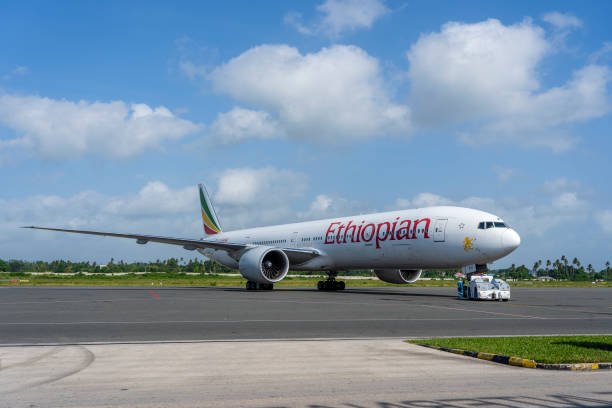
A typical 7-day safari itinerary for July might start in Arusha, fly into the Serengeti, spend 2-3 nights in the western or central regions focusing on game drives and potential river crossings, then perhaps move north for a couple of nights if the migration is heading towards the Mara, before flying back to Arusha or Kilimanjaro International Airport (JRO). For those with more time, extending to Ngorongoro Crater or Tarangire National Park offers diverse ecosystems and wildlife viewing beyond the migration itself. A 7-day Tanzania safari is a popular choice, but longer durations allow for deeper exploration.
Choosing Your Accommodation and Safari Style
Your choice of accommodation and safari style significantly impacts your experience and budget for a July 2026-2027 safari. Top Guide Adventures offers options to suit various preferences:
Lodges vs. Tented Camps
- Lodges: Offer more permanent structures, often with amenities like swimming pools, restaurants, and bars. They provide a comfortable and luxurious base.
- Tented Camps: Range from rustic to ultra-luxury. Mobile tented camps are often strategically placed to follow the migration, offering a more intimate connection with nature. Permanent tented camps provide comfort with canvas walls and solid floors, often with en-suite bathrooms.
For July, consider lodges or tented camps located strategically within the western, central, or northern Serengeti, depending on your focus. Lodges in Seronera offer excellent access to the central plains, while camps closer to the Grumeti or Mara Rivers are ideal for migration and river crossing enthusiasts.
Private vs. Group Joining Safaris
- Private Safaris: Offer maximum flexibility. You have a dedicated vehicle and guide, allowing you to set the pace and focus on your interests. This is ideal for families, couples, or groups who want a personalized experience. Top Guide Adventures excels at crafting bespoke private itineraries.
- Group Joining Safaris: A more budget-friendly option, where you share a vehicle and guide with other travelers. These are great for solo travelers or those looking to save costs. Top Guide Adventures runs daily group departures from Arusha, offering a structured yet affordable way to experience the Serengeti.
For July 2026-2027, booking a private safari is recommended if you have specific viewing goals, such as optimizing for river crossings, as you can tailor the itinerary precisely. However, group joining safaris are an excellent way to experience the migration affordably.
Planning Your July 2026-2027 Safari: Practicalities and What to Expect
To ensure a smooth and enjoyable safari experience in July, consider these practical aspects:
Booking Window and Availability
Given July’s popularity, it’s essential to book your safari at least 6-12 months in advance, especially for 2026 and 2027. This is particularly true for lodges and tented camps in prime migration viewing areas, which fill up quickly. Early booking secures the best rates and availability.
What’s Typically Included in a July Safari Package
Most comprehensive safari packages organized by operators like Top Guide Adventures for July 2026-2027 will include:
- Park entrance fees for Serengeti National Park.
- Accommodation (lodges or tented camps) for the duration of your safari.
- All meals (breakfast, lunch, dinner) during your safari.
- A professional, English-speaking safari guide.
- A 4×4 safari vehicle with a pop-up roof for game viewing.
- Airport transfers in Arusha or Kilimanjaro.
- Bottled water during game drives.
Exclusions typically include international flights, visa fees, travel insurance, tips for guides and staff, personal expenses (like souvenirs or drinks from the bar), and optional activities such as hot air balloon safaris.
What to Pack for a July Safari
The weather in July is dry and can be cooler, especially in the mornings and evenings. Pack layers:
- Clothing: Lightweight, neutral-colored clothing (khaki, beige, olive green) for daytime game drives. A warm fleece or jacket for cooler mornings and evenings. Long-sleeved shirts and trousers to protect against sun and insects.
- Footwear: Comfortable walking shoes or hiking boots, plus sandals or trainers for relaxing at the lodge/camp.
- Essentials: Sunscreen, hat, sunglasses, insect repellent, camera with extra batteries and memory cards, binoculars, a small backpack, and a reusable water bottle.
- Documents: Passport, visa (if required), flight details, and copies of your safari booking.
Remember that most safari flights within Tanzania have a strict luggage limit, typically 15 kg per person in a soft-duffel bag. This is a crucial detail to confirm when booking.
Safety and Health Considerations
Your safety and well-being are paramount. Top Guide Adventures prioritizes this on all safaris.
- Guides: Our licensed guides are experienced professionals, trained in wildlife behavior and safety protocols. They know how to position the vehicle for optimal viewing while maintaining a safe distance from animals.
- Health: Malaria is present in the Serengeti. Consult your doctor about malaria prophylaxis and recommended vaccinations well in advance of your 2026-2027 trip. It’s also advisable to carry a basic first-aid kit.
- Water: Always drink bottled or purified water provided on safari. Avoid tap water.
- Wildlife: Never exit the vehicle in the park unless at a designated safe area. Always follow your guide’s instructions.
Booking Your Tanzania Safari in July 2026-2027 with Top Guide Adventures
Choosing the right tour operator is critical for an exceptional Great Migration safari. Top Guide Adventures, based in Moshi, Tanzania, offers local expertise and personalized service to ensure your July 2026-2027 trip is smooth and unforgettable. We understand the Serengeti’s intricacies, the migration’s movements, and the best ways to experience them.
We can help you tailor an itinerary that matches your interests, budget, and travel style, whether you’re seeking the thrill of a river crossing, the abundance of predators in Seronera, or a combination of experiences. From arranging internal flights and selecting the best lodges and camps to ensuring you have a knowledgeable guide, we handle all the details.
To start planning your dream Tanzania safari in July, or to discuss options for 2026-2027, please reach out to us. We recommend providing your preferred travel dates, number of travelers, budget range, and any specific interests you might have (e.g., photography, birding, specific animals).
Contact us today:
- WhatsApp: +255 616 946 642
- Email: topguideadventures@gmail.com
Let Top Guide Adventures craft your ultimate Serengeti Great Migration adventure for 2026-2027.
Consider a Balloon Safari
For a truly unique perspective on the Serengeti and the Great Migration, consider adding a hot air balloon safari. These early morning flights offer a impressive aerial view of the plains, herds, and sunrise. It’s an unforgettable experience, especially during the dry season. Learn more about balloon safaris.
July Safari Cost Guidance (2026-2027)
A 7-day Tanzania safari in July, including Serengeti, typically falls into the mid-range to luxury category due to it being peak season. Costs can vary significantly based on accommodation choice, safari style (private vs. group), and specific inclusions.
- Budget/Group Joining: Expect prices starting from approximately $2,500 – $3,500 per person for a 7-day trip.
- Mid-Range/Lodge Safaris: These can range from $3,500 – $5,500 per person for 7 days.
- Luxury/Exclusive Tented Camps: Prices can start from $5,500 and go upwards of $8,000+ per person for 7 days.
These are indicative ranges for 2026-2027. For a precise quote tailored to your needs, please contact Top Guide Adventures.
Frequently Asked Questions about July Serengeti Safaris
Here are some common questions travelers have about planning a July safari:
Will I definitely see river crossings in July?
While July is a prime month for river crossings, especially along the Grumeti and Mara Rivers, they are a natural event and cannot be guaranteed daily. The exact timing and location depend on rainfall patterns and grazing availability. Your guide will work tirelessly to find active crossings.
Is July a good time for seeing predators?
Yes, July is excellent for predator sightings. The dry season concentrates prey animals, making them easier for predators to hunt. Areas like the central Serengeti (Seronera) are particularly known for high concentrations of lions, leopards, and cheetahs year-round, and the migrating herds provide ample opportunities.
What is the weather like in July?
July is in the dry season. Expect sunny days with temperatures averaging 25-27°C (77-81°F). Evenings and early mornings can be cool, dropping to around 12-15°C (54-59°F), so packing layers is essential.
How crowded is the Serengeti in July?
July is considered peak season due to the Great Migration and favorable weather. Popular areas like Seronera can be busy. Choosing lodges or camps in less-visited sectors or opting for a private safari with a dedicated vehicle can help mitigate crowds.
Can I combine Serengeti with other parks in July?
Absolutely. Many itineraries combine the Serengeti with the Ngorongoro Crater (offering a unique ecosystem and high wildlife density) and Tarangire National Park (known for its large elephant herds and baobab trees), especially during the dry season. These can be easily arranged for your 2026-2027 trip.
Embarking on a Tanzania safari in July to witness the Great Migration is an adventure of a lifetime. With careful planning and the expertise of local operators like Top Guide Adventures, you can ensure an experience that exceeds all expectations. We are ready to help you book your 2026-2027 journey.
Check Availability for Tanzania Safari In July: Experiencing The Serengeti Great Migration…
Ready to compare dates, prices, and the best option for your group? Send the package name and travel month so the team can reply with a clear quote, availability, and what is included.

Great Serengeti Migration Safaris In Tanzania: Best Routes, Seasons &
Discover the magic of the Great Serengeti Migration with Top Guide Adventures. This guide covers the best routes, optimal seasons for wildlife viewing, and essential planning tips for your...
View package details
Serengeti Safari From Mwanza: Best Route For Western Tanzania & 2026-2027
Discover the optimal routes for a Serengeti safari starting from Mwanza, focusing on the unique experiences offered by Western Tanzania and the Western Serengeti. This guide provides...
View package details
Tanzania Classic Wildlife Safaris: Serengeti, Ngorongoro, Tarangire & Manyara
start an unforgettable Tanzania classic wildlife safari covering the iconic parks of Serengeti, Ngorongoro Crater, Tarangire, and Lake Manyara. These tours are designed to showcase the best...
View package details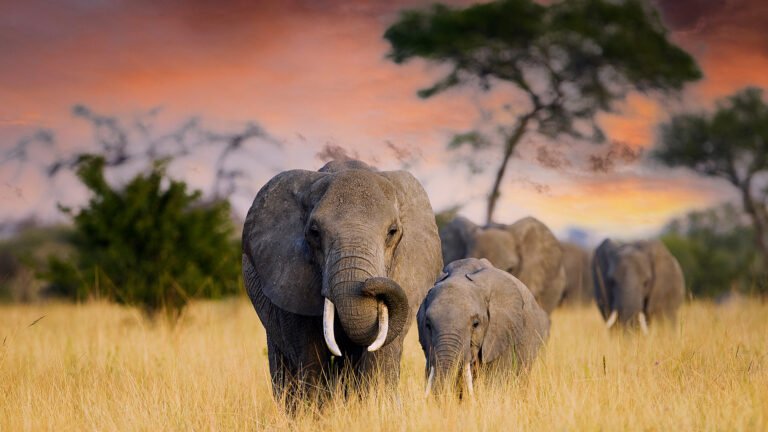
Can I Fly From Serengeti To Zanzibar After My Safari? 2026-2027
Can I Fly from Serengeti to Zanzibar After My Safari? is explained with current 2026-2027 planning, price, itinerary and booking information.
View package details
Tanzania Safari Packages With Airport Transfers And Hotel Nights Included
Planning a Tanzania safari? Discover comprehensive packages that bundle airport transfers and comfortable hotel stays, streamlining your journey from arrival to your first game drive. This...
View package details
Private Tanzania Safari With Flexible Daily Game Drive Schedules 2026-2027
Private Tanzania Safari with Flexible Daily Game Drive Schedules is explained with current 2026-2027 planning, price, itinerary and booking information.
View package details
Tanzania Safari Tours With Early Morning Game Drives Included 2026-2027
Tanzania Safari Tours with Early Morning Game Drives Included is explained with current 2026-2027 planning, price, itinerary and booking information.
View package details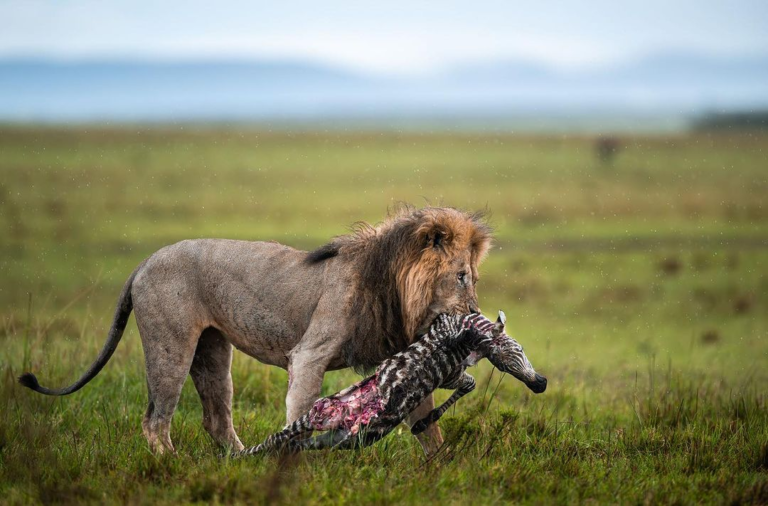
Tanzania Safari Packages Ending With A Flight To Zanzibar: Your Ultimate Guide
Discover the perfect blend of thrilling wildlife encounters and idyllic island life with a Tanzania safari package that concludes with a flight to Zanzibar. This guide covers essential...
View package details
Tanzania Safari Tours With Kilimanjaro Airport Pickup Included 2026-2027
Seamlessly begin your Tanzanian adventure with a safari package that includes pickup directly from Kilimanjaro International Airport (JRO). This guide details what to expect, popular...
View package details
What Is The Total Cost Of A Tanzania Safari Without Hidden Fees? 2026-2027
What Is the Total Cost of a Tanzania Safari Without Hidden Fees? is explained with current 2026-2027 planning, price, itinerary and booking information.
View package details
Tanzania Safari Tours With All Park Fees Included In The Price 2026-2027
Tanzania Safari Tours with All Park Fees Included in the Price is explained with current 2026-2027 planning, price, itinerary and booking information.
View package details
Can I Book A Tanzania Safari Without Paying The Full Amount Upfront? Your
Planning a dream Tanzania safari for 2026-2027 but wondering about upfront payments? This guide explains how flexible payment options work with reputable tour operators, allowing you to...
View package detailsNo closely related package is available yet for this topic.



