
A comprehensive Tanzania safari packing list for 2026-2027 prioritizes lightweight, neutral-colored clothing, sturdy footwear, sun protection, insect repellent, and essential personal items to ensure comfort and safety across varied landscapes and climates. The key decision for travelers is balancing the need for preparedness with the desire to pack light, especially considering luggage restrictions on smaller aircraft transfers. This guide details the must-have items for your wildlife adventure.

Clothing Essentials: Layers and Neutral Tones
When packing for a Tanzania safari, think layers and natural colors. The weather can vary significantly, from warm, humid mornings to cooler evenings, especially in higher altitudes like the Ngorongoro Crater rim or during the shoulder seasons of 2026 and 2027. Neutral colors—khaki, olive green, beige, brown, and grey—are essential because bright colors can scare wildlife. Black and dark blue can attract tsetse flies, which are present in some areas.
Tops: Bring a mix of short-sleeved and long-sleeved shirts. Lightweight, breathable fabrics like cotton or moisture-wicking synthetics are ideal. Long sleeves are crucial for sun protection during the day and for warding off insects in the evenings. A fleece jacket or a warm sweater is a must for cooler mornings and nights. Consider a lightweight, waterproof and windproof jacket for unexpected rain showers, common in certain months.
Bottoms: Pack 2-3 pairs of comfortable, durable trousers or convertible pants (that zip off into shorts). Cargo pants with pockets are practical for storing small items. Avoid jeans, as they are heavy, slow to dry, and can be uncomfortable in the heat. Lightweight shorts are suitable for warmer days, especially around lodges or camps.
Underwear and Socks: Pack enough for your trip, plus a few extra. Moisture-wicking socks are highly recommended to prevent blisters, especially if you plan on any walking safaris or light hikes. Wool or synthetic blends are better than cotton for trekking.
Sleepwear: Lightweight pajamas or comfortable sleep clothes are sufficient.
Swimsuit: Many lodges and tented camps have swimming pools, so a swimsuit is a good addition for relaxation time. Remember to check if your accommodation offers this facility.
Footwear Choices: Comfort and Versatility
Your feet will thank you for choosing wisely. Comfortable footwear is paramount for enjoying your safari, whether you’re stepping out of a safari vehicle, walking around camp, or embarking on a guided bush walk. The terrain can be uneven, dusty, and sometimes muddy.
Walking Shoes/Hiking Boots: A sturdy pair of broken-in walking shoes or lightweight hiking boots is essential if your itinerary includes walking safaris or any trekking, such as on Mount Meru. Ensure they offer good ankle support and grip. For most standard game drives, comfortable trainers might suffice, but boots offer better protection.
Comfortable Sandals/Flip-flops: These are perfect for wearing around lodges or camps in the evenings and for giving your feet a break from boots or shoes. They are easy to slip on and off.
Socks: As mentioned in the clothing section, pack several pairs of moisture-wicking socks. Consider bringing some thicker pairs if you anticipate cooler temperatures or longer walks.
Footwear Trade-off:
While sturdy boots are excellent for active excursions, they can be cumbersome for daily wear. If your safari is primarily game drives with minimal walking, focus on comfortable, breathable trainers. If you plan on bush walks or climbing, prioritize ankle support and grip. It’s often best to bring one pair of sturdy shoes and one pair of comfortable sandals.
Health and Safety Gear
Prioritizing your well-being is crucial for an enjoyable safari experience in 2026-2027. Tanzania is a tropical country, and while most visitors have no major health issues, being prepared is key.
Insect Repellent: A high-quality repellent containing DEET (30-50%) or Picaridin is vital to protect against mosquitoes, which can carry malaria. Apply it diligently, especially during dawn and dusk. Consider a repellent spray for clothing as well.
Sunscreen: The African sun is intense. Pack a broad-spectrum sunscreen with a high SPF (30-50) and reapply frequently, even on cloudy days. Consider a reef-safe option if you plan to visit Zanzibar afterwards.
First-Aid Kit: A personal kit should include essentials like bandages, antiseptic wipes, pain relievers (ibuprofen, paracetamol), anti-diarrhea medication, antihistamines for allergies, motion sickness medication, and any personal prescriptions. For Kilimanjaro and Mount Meru treks, Top Guide Adventures provides emergency oxygen and a pulse oximeter, but personal medications are your responsibility.
Hand Sanitizer: Useful for maintaining hygiene when access to soap and water is limited, especially during game drives.
Personal Medications: Ensure you have an adequate supply of any prescription medications, along with copies of your prescriptions. Carry them in your hand luggage.
Water Purification Tablets/Filter Bottle: While most lodges and camps provide safe drinking water, having a backup can be useful, especially on longer transfers or if you’re venturing into more remote areas.
Essential Health & Safety Checklist:
- High-DEET Insect Repellent
- High-SPF Sunscreen
- Personal First-Aid Kit
- Hand Sanitizer
- Prescription Medications
- Basic Pain Relievers & Antidiarrheals
- Antihistamines
- Motion Sickness Medication
Optics and Electronics
Capturing memories and staying connected (if you choose) requires the right gear. For wildlife viewing, good optics are non-negotiable.
Binoculars: This is arguably the most important piece of equipment after your camera. A good pair of 8×32 or 10×42 binoculars will significantly enhance your wildlife viewing experience, allowing you to spot animals from a distance and observe details without disturbing them. Consider bringing a harness or strap for comfortable carrying.
Camera and Accessories: A DSLR or mirrorless camera with a telephoto lens (e.g., 70-300mm or longer) is ideal for capturing wildlife. Don’t forget extra batteries, memory cards, and a cleaning kit. A point-and-shoot camera or even a good smartphone can also capture great moments, but be mindful of zoom capabilities.
Power Bank/Portable Charger: Electricity can be intermittent in some remote camps, and charging opportunities might be limited. A power bank is invaluable for keeping your phone, camera batteries, and other devices charged on the go.
Universal Travel Adapter: Tanzania uses Type D and Type G electrical sockets. Ensure you have an adapter that covers these, along with voltage converters if your devices require them (though most modern electronics are dual-voltage).
Headlamp or Small Flashlight: Essential for navigating your tent or lodge room at night, especially if you’re staying in a tented camp. It’s also useful for reading or finding things in the dark.
E-reader or Books: For downtime during your safari, especially during long drives or evenings at camp.
Personal Items and Toiletries
While lodges and camps provide basic amenities, it’s wise to pack your preferred personal items and toiletries.
Toiletries: Pack travel-sized versions of your preferred shampoo, conditioner, soap/body wash, toothbrush, toothpaste, deodorant, and any other personal hygiene products. Many lodges offer complimentary toiletries, but they might not be to your liking.
Facial Tissues/Wet Wipes: Always handy for quick clean-ups.
Lip Balm with SPF: Protect your lips from the sun and dry air.
Sunglasses: Essential for protecting your eyes from the intense sun and glare, especially during drives.
Small Backpack or Daypack: For carrying essentials like water, snacks, camera, sunscreen, and a jacket during daily excursions.
Travel Towel: A quick-drying microfiber towel can be useful, especially if you’re staying in more basic accommodations or plan on activities like swimming.
Personal Documents: Passport, visa (if required), flight details, insurance information, emergency contact list, and copies of important documents stored separately.
Luggage and Bags: What to Bring and Why
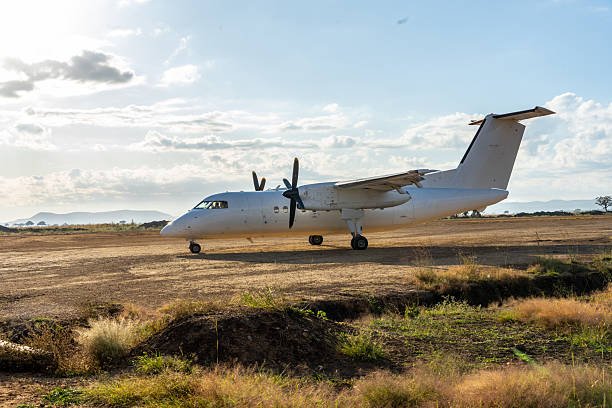
Luggage choice is critical for Tanzania safaris, especially if you’re taking domestic flights between parks. Most internal flights have strict weight limits, typically 15 kg (33 lbs) per person in soft-sided duffel bags.
Soft-Sided Duffel Bag: This is the preferred luggage type for most safari operators. They are more flexible and easier to fit into safari vehicles and small aircraft than rigid suitcases. Ensure it’s durable and has a secure closure.
Daypack: As mentioned, a small backpack is invaluable for daily excursions. It should be large enough to hold your camera, water bottle, sunscreen, a light jacket, and snacks.
Waterproof Bag/Dry Bag: Consider a small dry bag for protecting sensitive electronics like your phone or camera from dust and potential moisture, especially during the rainy seasons of 2026-2027.
Luggage Restrictions Explained:
The 15 kg weight limit for soft-sided duffels is a common constraint on light aircraft transfers used for accessing remote parks like Mahale or Katavi. Exceeding this can incur significant extra charges. Always confirm the exact luggage allowance with your tour operator, such as Top Guide Adventures, when booking your 2026-2027 safari.
Specialty Items for Specific Safaris
Depending on your chosen itinerary, you might need a few extra items.
For Chimpanzee Trekking (e.g., Gombe, Mahale): Lightweight rain gear is essential, as these forests can be wet. Good grip hiking boots are a must. You might also want to pack a lightweight, breathable long-sleeved shirt and trousers to protect against stinging nettles and insects common in forest environments. A small backpack for water and snacks is also necessary.
For Kilimanjaro/Mount Meru Treks: While not strictly a safari item, if you’re combining a trek with a safari in 2026-2027, you’ll need specialized gear like thermal layers, waterproof outer shells, a warm sleeping bag (often rentable), trekking poles, and sturdy hiking boots. Top Guide Adventures offers comprehensive advice and support for these treks, including gear rental options.
For Bird Watching: If birding is a focus, consider bringing a spotting scope in addition to binoculars. A field guide specific to East African birds can also enhance the experience. While not explicitly on a standard packing list, it’s worth considering for enthusiasts.
For Zanzibar/Coastal Areas: If your trip includes time on the coast or islands like Zanzibar, pack light cotton clothing, swimwear, a hat, and flip-flops. Don’t forget reef-safe sunscreen and a rash guard for water activities.
Final Packing Tips for 2026-2027
Making the most of your safari packing requires a strategic approach. Here are some final tips to help you prepare for your 2026-2027 adventure.
Pack Light, But Smart: Remember the luggage restrictions, especially for internal flights. Focus on versatile items that can be layered and re-worn. Most safari lodges offer laundry services, though they may take a day or two and can be costly.
Check the Weather: While Tanzania is generally warm, the specific time of year you travel (e.g., the dry season vs. the green season, or holiday periods like Christmas and New Year 2026-2027) can influence your clothing needs. Consult your tour operator for the most accurate weather expectations for your chosen route, whether it’s a Serengeti calving season safari or a visit to Mkomazi National Park.
Leave Valuables at Home: Avoid bringing expensive jewelry or unnecessary electronics. Focus on practical items that enhance your safari experience.
Stay Hydrated: Carry a reusable water bottle. Staying hydrated is crucial in the African heat.
Document Everything: Keep copies of your passport, visa, flight tickets, and travel insurance separate from the originals. A digital copy stored on your phone or cloud service is also advisable.
Consult Your Operator: For any specific questions about your itinerary or packing needs, there’s no better resource than your tour operator. Contact Top Guide Adventures via WhatsApp at +255 616 946 642 or email at topguideadventures@gmail.com for personalized advice on packing for your 2026-2027 Tanzanian safari. They can provide insights based on your specific travel dates and chosen parks, ensuring you are well-prepared for an incredible adventure.
Check Availability for Tanzania Safari Packing List And Essential Travel Gear For 2026-2027
Ready to compare dates, prices, and the best option for your group? Send the package name and travel month so the team can reply with a clear quote, availability, and what is included.
Tanzania Safari Packages With Airport Transfers And Hotel Nights Included
Planning a Tanzania safari? Discover comprehensive packages that bundle airport transfers and comfortable hotel stays, streamlining your journey from arrival to your first game drive. This...
View package details
Private Tanzania Safari With Flexible Daily Game Drive Schedules 2026-2027
Private Tanzania Safari with Flexible Daily Game Drive Schedules is explained with current 2026-2027 planning, price, itinerary and booking information.
View package details
Tanzania Safari Tours With Early Morning Game Drives Included 2026-2027
Tanzania Safari Tours with Early Morning Game Drives Included is explained with current 2026-2027 planning, price, itinerary and booking information.
View package details
Tanzania Safari Packages Ending With A Flight To Zanzibar: Your Ultimate Guide
Discover the perfect blend of thrilling wildlife encounters and idyllic island life with a Tanzania safari package that concludes with a flight to Zanzibar. This guide covers essential...
View package details
Tanzania Safari Tours With Kilimanjaro Airport Pickup Included 2026-2027
Seamlessly begin your Tanzanian adventure with a safari package that includes pickup directly from Kilimanjaro International Airport (JRO). This guide details what to expect, popular...
View package details
What Is The Total Cost Of A Tanzania Safari Without Hidden Fees? 2026-2027
What Is the Total Cost of a Tanzania Safari Without Hidden Fees? is explained with current 2026-2027 planning, price, itinerary and booking information.
View package details
Tanzania Safari Tours With All Park Fees Included In The Price 2026-2027
Tanzania Safari Tours with All Park Fees Included in the Price is explained with current 2026-2027 planning, price, itinerary and booking information.
View package details
Can I Book A Tanzania Safari Without Paying The Full Amount Upfront? Your
Planning a dream Tanzania safari for 2026-2027 but wondering about upfront payments? This guide explains how flexible payment options work with reputable tour operators, allowing you to...
View package detailsTanzania Safari Packages With Payment On Arrival Options: Your Guide 2026-2027
Explore Tanzania safari packages offering convenient payment on arrival options for your 2026-2027 adventure. This guide clarifies the process, benefits, and what to consider when booking...
View package detailsAfrica Tours & Travel, All Safari Booking In Tanzania 2026-2027
Africa Tours & Travel, All Safari Booking in Tanzania is explained with current 2026-2027 planning, price, itinerary and booking information.
View package details
2 Day Tanzania Safari – Tarangire, Ngorongoro And Short Packages 2026-2027
2 Day Tanzania Safari – Tarangire, Ngorongoro and Short Safari Packages is explained with current 2026-2027 planning, price, itinerary and booking.
View package details
Serengeti Safari From Mwanza: Best Route For Western Tanzania & 2026-2027
Discover the optimal routes for a Serengeti safari starting from Mwanza, focusing on the unique experiences offered by Western Tanzania and the Western Serengeti. This guide provides...
View package detailsNo closely related package is available yet for this topic.



