
Tanzania safari and Zanzibar family holiday packages combine a private wildlife safari across northern reserves like the Serengeti, Ngorongoro Crater, and Tarangire with a beach stay along the Indian Ocean coastline of Zanzibar. For 2026-2027, these multi-destination family packages typically span 9 to 14 days, starting with bush flights or road transfers from Kilimanjaro (JRO) or Arusha (ARK) and concluding via direct domestic flights into Zanzibar (ZNZ). Realistic pricing for a family of four ranges from $8,200 to $16,500 total for mid-range safari lodges paired with boutique coastal resorts, up to $18,000 to $32,000+ for luxury all-inclusive bush camps and premium private villas. The primary decision parents must make is whether to prioritize a compact overland route with shorter daily drive times or invest in domestic bush flights to eliminate long road transfers between parks before flying out to the coast.
Package Economics and Cost Architecture for Families (2026-2027)
Securing a comprehensive bush-and-beach holiday for a family involves distinct pricing dynamics compared to standard adult travel. In Tanzania, operational costs are driven heavily by fixed park entry fees, concession fees, vehicle conservation charges, and aviation logistics, rather than purely hotel rack rates. For families traveling during the 2026-2027 seasons, understanding where childhood discounts apply—and where adult rates are unavoidable—is the first step in building a realistic budget.
Official park concession and conservation fees levied by the Tanzania National Parks Authority (TANAPA) and the Ngorongoro Conservation Area Authority (NCAA) distinguish between adults (aged 16 and above), children (aged 5 to 15), and young children under age 5 (who generally enter free of conservation fees). However, domestic aviation carriers connecting Arusha or the Serengeti to Zanzibar (such as Auric Air, Coastal Aviation, and Precision Air) calculate seat pricing based on physical weight and seat occupancy rather than age. A 7-year-old child takes up a full aircraft seat and requires a standard ticket, typically between $250 and $480 per sector, accompanied by a strict 15 kg (33 lbs) soft-sided luggage limit per traveler including hand luggage.
When examining how much a Tanzania safari costs for a family of four, private ground arrangements provide significant economies of scale. Unlike solo travelers or couples who might absorb higher per-person costs for an exclusive 4×4 Land Cruiser, a family of four automatically fills the vehicle. This distributes the daily vehicle operational rate—which includes fuel, unlimited game drives, and the professional driver-guide’s daily allowance—across four travelers. As detailed in our breakdown on whether Tanzania safari prices are per person or per vehicle, the custom 4WD vehicle remains a fixed baseline cost whether carrying two passengers or six.
| Package Tier (Family of 4: 2 Adults, 2 Kids) | 10-Day Bush & Beach (6d Safari / 4d Zanzibar) | 12-Day Bush & Beach (7d Safari / 5d Zanzibar) | Key Inclusions & Room Layouts |
|---|---|---|---|
| Comfort Mid-Range | $9,400 – $13,200 total | $11,800 – $15,600 total | Private extended 4×4 Land Cruiser, solid mid-range safari lodges, interconnecting standard rooms or triple/quad setups, domestic flight to ZNZ, half-board beach hotel. |
| Premium Luxury | $17,500 – $24,800 total | $21,000 – $31,500 total | Private 4×4, permanent luxury tented suites with interconnected lounge corridors, private plunge pools, one-way Serengeti bush flight, 5-star all-inclusive Zanzibar villa. |
| High-End Fly-In Private Bush | $26,000 – $38,000+ total | $32,000 – $46,000+ total | Full fly-in routing (eliminating long drives), exclusive private vehicle in camp, top-tier luxury safari family suites, private marine charter excursions in Zanzibar. |
Seasonality directly dictates these price spreads. The peak dry seasons—running from July through October and late December through February—command peak room rates and require booking windows of 8 to 11 months in advance, especially for dedicated two-bedroom family tents, which exist in limited numbers across northern camps. Traveling in the shoulder months, such as June or early November, often yields room rate reductions of 15% to 25% without sacrificing wildlife density or weather stability. Families looking to confirm current seasonal rates can compare options under our dedicated Tanzania safari packages, Serengeti, Ngorongoro & Zanzibar tours with price guidance for 2026.
Core Itinerary Models: Bush-to-Beach Route Comparisons
The single greatest operational error families make when booking a combined Tanzania and Zanzibar trip is attempting to cover too much geographical ground by road. East Africa’s wildlife corridors are vast, and while an adult wildlife enthusiast may tolerate eight hours on corrugated dirt roads, children frequently suffer from safari fatigue when drive segments exceed four to five hours. Selecting the correct routing framework determines whether your family remembers dramatic predator sightings or exhausting transfers.
For planning 2026-2027 holidays, three tested itinerary models balance wildlife immersion against comfortable transit periods:
Option A: The Classic Northern Overland Circuit to Coastal Flight (10 to 11 Days)
This is the most balanced itinerary for families with children aged 7 and older. It minimizes internal flight expenses by keeping the northern safari portion strictly road-based until departure day, at which point the family flies directly from an airstrip in the central Serengeti to Zanzibar.
- Day 1: Arrival at Kilimanjaro International Airport (JRO). Private airport transfer to a quiet family-friendly lodge in Arusha or Karatu to decompress from long-haul flights.
- Day 2: Tarangire National Park. Short 2-hour highway drive from Arusha. Afternoon game drive focusing on massive elephant herds and baobab trees. Overnight outside or inside Tarangire.
- Day 3: Lake Manyara or Mto wa Mbu cultural biking tour (flat, easy terrain). Continue afternoon ascent into the lush Karatu highlands.
- Day 4: Ngorongoro Crater floor descending tour (maximum 6 hours permitted by NCAA rules). Black rhino tracking and dense predator encounters. Overnight back on the crater rim or in Karatu.
- Days 5–6: Scenic drive into Central Serengeti (Seronera Valley) via the Naabi Hill gate. Two full days tracking the Big Five and resident lion prides.
- Day 7: Morning flight from Seronera Airstrip (SEU) directly to Abeid Amani Karume International Airport in Zanzibar (ZNZ). Private resort transfer to the northeast coast.
- Days 8–10: Coastal relaxation, private dhow boat excursions, Jozani Forest colobus monkey tracking.
- Day 11: Transfer to Zanzibar Airport for outbound international flight connection.
Option B: The Minimal-Drive Circuit for Families with Younger Children (8 to 9 Days)
Designed specifically for families traveling with children aged 4 to 8, this route deliberately avoids the deep overland journey through the Ngorongoro Conservation Area into the Serengeti. It leverages northern parks that are closer to base hubs, eliminating prolonged bumpy travel while keeping wildlife density exceptionally high.
By anchoring the safari at Tarangire National Park, Lake Manyara, and the Ngorongoro Crater rim, drive times between lodges remain under 2.5 hours on smooth, paved arterial roads before entering park boundaries. Following three days of intense wildlife viewing, the family returns to Arusha Airport (ARK) for an easy 80-minute domestic turboprop flight straight to Zanzibar. For parents evaluating this option, review our specialized guide to a family-friendly Tanzania safari with short driving distances.
Option C: The Pure Fly-In Bush & Beach Circuit (10 to 12 Days)
The premium approach for travelers seeking maximum comfort. Upon arriving at JRO or ARK, the family boards an executive bush plane directly to an airstrip inside the Serengeti or Nyerere National Park. All safari operations are conducted using open-sided, camp-based 4×4 vehicles. After four days in the reserve, a direct bush flight carries the family straight to the white-sand beaches of Zanzibar or Mafia Island. While this eliminates all overland highway driving, it requires adherence to strict soft-bag limits and adds roughly $1,200 to $2,000 per person in aggregate aviation costs.
Wildlife Logistics: Balancing Drive Times Across Northern Parks for Children
Children experience wildlife reserves differently than adults. While parents may sit patiently for two hours watching a sleeping leopard in an acacia tree, younger children require action, varied ecosystems, and periodic non-vehicle activities to stay engaged. Planning your park sequence correctly avoids restlessness and elevates the entire journey.
Tarangire National Park is universally regarded by local guides as the finest introductory reserve for families. Located roughly 120 kilometers southwest of Arusha, the transition from urban tarmac to wilderness is quick. Once inside, the Tarangire River acts as a permanent magnet for wildlife, particularly during the dry months from July to October. Children do not have to wait hours for sightings; hundreds of elephants congregate along the riverbanks, digging in the sand for underground water, often within meters of your vehicle. The towering baobab trees provide dramatic visual scale, and the tsetse fly concentration can be managed by choosing northern-sector game tracks and keeping vehicle windows closed through known acacia woodlands.
Ngorongoro Crater offers unmatched wildlife density, functioning almost like an open-air natural amphitheater. Because the crater floor is a self-contained caldera measuring 260 square kilometers, your family is virtually guaranteed to see zebra, wildebeest, cape buffalo, hippo pools, and large prides of lions within the first 90 minutes of descent. The critical consideration here is environmental regulation: the NCAA limits crater floor descents to a maximum of 6 hours per permit. This regulatory limit is an advantage for families, as it prevents exhausting eight-hour outings and ensures children return to their lodge swimming pool by mid-afternoon.
Serengeti National Park provides vast, cinematic horizons, but its scale demands careful planning. Reaching the Seronera Valley from the Ngorongoro gate requires traversing 140 kilometers of heavily corrugated gravel roads through the Malanja depression and Olduvai area. This stretch, known locally as the “African massage,” can cause motion sickness or irritability in younger children. To protect family comfort during 2026-2027 expeditions, Top Guide Adventures recommends either splitting this journey with an overnight lodge stop in the Karatu highlands or booking a direct internal flight from Arusha into Seronera, skipping the rough transit corridor entirely.
For families considering how many safari days hit the sweet spot before kids reach sensory overload, we recommend reading our operational assessment on how many days a family should spend on safari in Tanzania. The overwhelming consensus across hundreds of family departures is that 5 to 6 days in the bush provides the ideal wildlife arc before transitioning to the sea.
Private Safari Vehicle Mechanics and Daily Family Realities
Your vehicle is not simply a mode of transportation; it is your family’s mobile living room, classroom, and shelter for six to ten hours every day. Understanding the technical specifications of a genuine custom safari vehicle will help you avoid booking operators who cut corners using converted minivans or cramped, unextended short-wheelbase chassis.
Vehicle Specifications for Family Comfort
Every private family package operated by Top Guide Adventures utilizes custom-modified, long-wheelbase Toyota Land Cruiser 4WDs engineered specifically for rough East African terrain. Critical features include:
- Seating Configuration: Extended chassis with individual, high-backed ergonomic seats providing guaranteed window placement for every child and adult. We never place families in center bench seats where sightlines are compromised.
- Pop-Up Safari Roof: A full-length, mechanical pop-up roof canopy that provides overhead shade from intense equatorial sun while permitting 360-degree standing wildlife photography and observation.
- In-Vehicle Power Inverters: Standard 220V/230V electrical outlets and USB charging ports beside seats, essential for keeping children’s tablets, cameras, and audio devices charged during long drives.
- Onboard Refrigeration: An integrated 12V electric cooler box stocked daily with chilled bottled mineral water, juices, and fresh fruits to keep kids hydrated without requiring roadside stops.
- VHF High-Frequency Radios: Professional, long-range communication radios that allow our driver-guides to coordinate with park rangers and other vetted guides regarding immediate big cat or migration sightings.
- Emergency Medical and Safety Equipment: Two full-sized spare all-terrain tires, high-lift hydraulic recovery jacks, a comprehensive first-aid trauma kit, and fire extinguishers.
The relationship between your family and your private guide is the emotional center of the trip. A skilled family safari guide does not simply spot wildlife; they adapt daily schedules to children’s natural energy rhythms. If your kids are morning people, an early departure at 06:15 AM catches predators during active hunting hours, returning to camp by 11:30 AM for lunch and an afternoon swim. If the kids need rest, the schedule adjusts without negotiation, because in a private vehicle, your family sets the departure timeline. This operational flexibility is why joining mixed-group tours with unrelated travelers is rarely recommended for families with children under age 12; sharing a vehicle with strangers compromises your ability to make unscheduled bathroom stops or return to the lodge early when someone feels unwell.
Parents often ask about the cost difference between booking exclusive vehicles versus shared tours. You can review a complete analysis of these price mechanics in our guide explaining how much extra a private safari vehicle costs in Tanzania.
Bush Accommodations: Family Suites, Tented Camps, and Private Bathrooms
Selecting accommodation across northern Tanzania requires navigating three distinct lodging formats: permanent masonry lodges, semi-permanent luxury tented camps, and mobile seasonal tented camps. For safety-conscious parents, each format carries structural implications that must be evaluated well before arrival.
Permanent Safari Lodges (such as Serena or Sopa properties, or boutique highland lodges in Karatu) are constructed with solid brick, stone, or heavy timber walls. They offer fully enclosed structures, exterior glass doors with solid locks, extensive perimeter fencing or security lighting, and wide communal spaces with large swimming pools. For parents traveling with toddlers or children under age 6, permanent lodges deliver peace of mind because wild animals do not wander past your bedroom door at night. Interconnecting bedrooms—where two independent rooms share an internal lockable door—are widely available in this category.
Luxury Tented Camps present an authentic bush atmosphere without abandoning modern creature comforts. These properties consist of heavy-duty canvas living quarters erected on raised timber or concrete platforms. When booking tented accommodations for a family, standard adult “triple” setups (adding a rollaway cot to a king room) often feel cramped. Instead, you should request dedicated Two-Bedroom Family Tents. These purpose-built units feature two separate ensuite bedrooms joined by an enclosed central canvas lounge or covered wooden deck. Both bedrooms feature their own private, plumbed flush toilets and running hot-water showers, preventing early-morning bathroom congestion. To understand how these rooms are configured, see our specialized review of Tanzania safari packages with family rooms and private bathrooms.
Critical Safety Realities in Unfenced Tented Camps
Most premier tented camps inside the Serengeti and Tarangire are completely unfenced. Grazing herbivores like zebra and impala, as well as nocturnal carnivores like hyenas and lions, pass freely through camp grounds after sunset. While safe when standard operating protocols are followed, families must observe strict operational rules:
- Children must never walk unattended between the dining tent and their sleeping quarters, even during daylight hours.
- After dusk, all family movement across camp requires a professional Maasai guard or armed camp ranger escort equipped with high-powered flashlights.
- Tents must remain fully zipped at all times to prevent visits from baboons, monkeys, or insects.
- Nighttime excursions outside your tent canvas are strictly prohibited; all emergency assistance is summoned via the internal two-way radio provided on your bedside table.
If your children are prone to nighttime wandering or if the idea of unfenced wildlife creates parental anxiety, structuring the itinerary to use permanent lodges in Karatu and closed masonry properties along the Ngorongoro rim provides an ideal balance of comfort and security.
Check Availability for Tanzania Safari And Zanzibar Family Holiday Packages 2026-2027
Ready to compare dates, prices, and the best option for your group? Send the package name and travel month so the team can reply with a clear quote, availability, and what is included.

Best Flights To Tanzania For Safari And Zanzibar Holidays 2026-2027
Best Flights to Tanzania for Safari and Zanzibar Holidays is explained with current 2026-2027 planning, price, itinerary and booking information.
View package details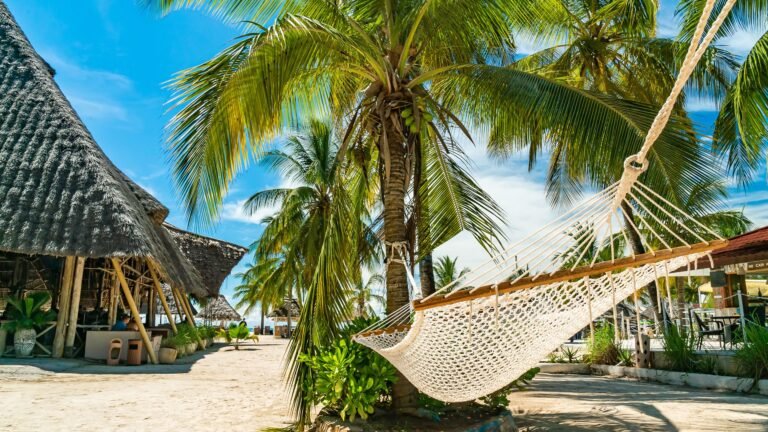
Best Short Tanzania Safari Packages During A Zanzibar Holiday 2026-2027
Best Short Tanzania Safari Packages During a Zanzibar Holiday is explained with current 2026-2027 planning, price, itinerary and booking information.
View package details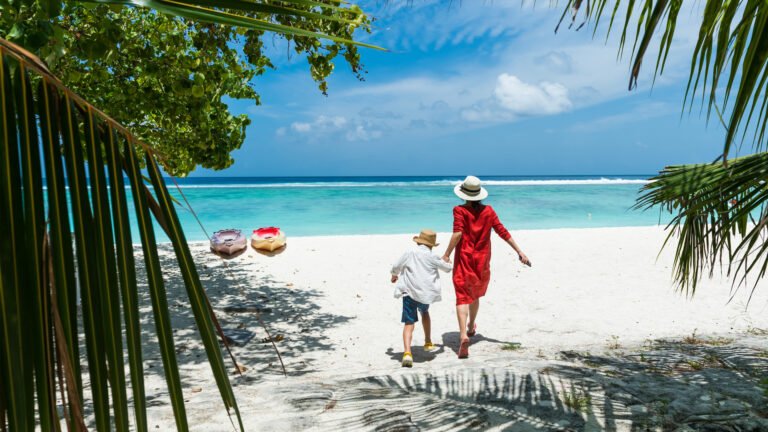
Tanzania Fly-In Safari Packages From Zanzibar For Families 2026-2027
Tanzania Fly-In Safari Packages from Zanzibar for Families is explained with current 2026-2027 planning, price, itinerary and booking information.
View package details
Best Airport To Fly Into Tanzania For Safari, Kilimanjaro & Zanzibar 2026-2027
Best Airport to Fly Into Tanzania for Safari, Kilimanjaro & Zanzibar is explained with current 2026-2027 planning, price, itinerary and booking information.
View package details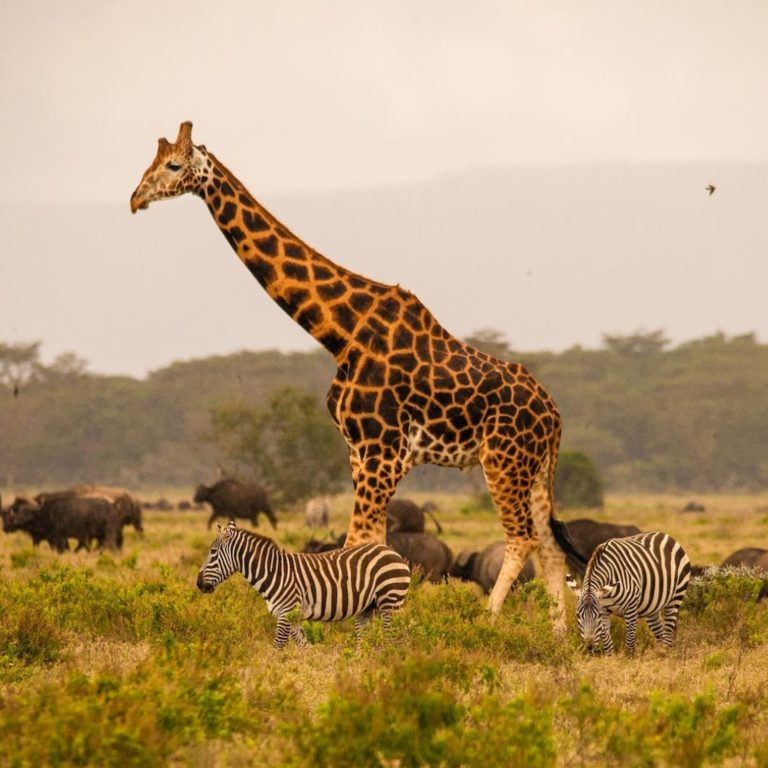
Tanzania Safari Tours From Moshi Ending At Zanzibar Airport 2026-2027
Tanzania Safari Tours from Moshi Ending at Zanzibar Airport is explained with current 2026-2027 planning, price, itinerary and booking information.
View package details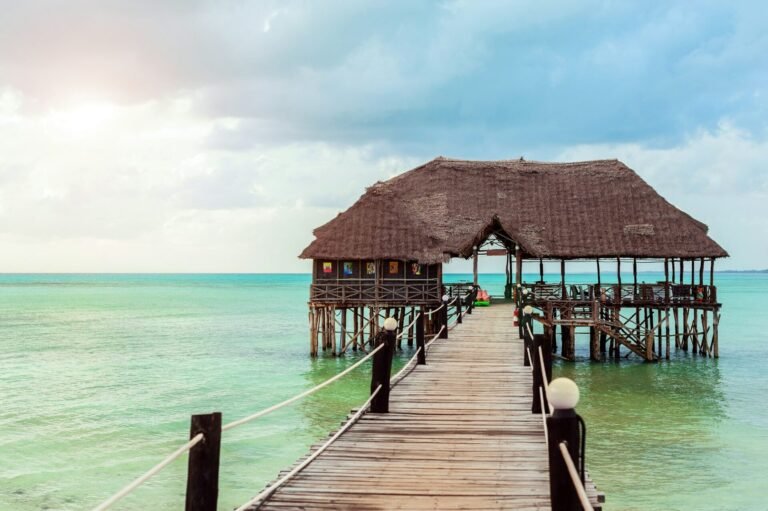
Best Wildlife Safari Add-Ons For Zanzibar Beach Holidays 2026-2027
Best Wildlife Safari Add-Ons for Zanzibar Beach Holidays is explained with current 2026-2027 planning, price, itinerary and booking information.
View package details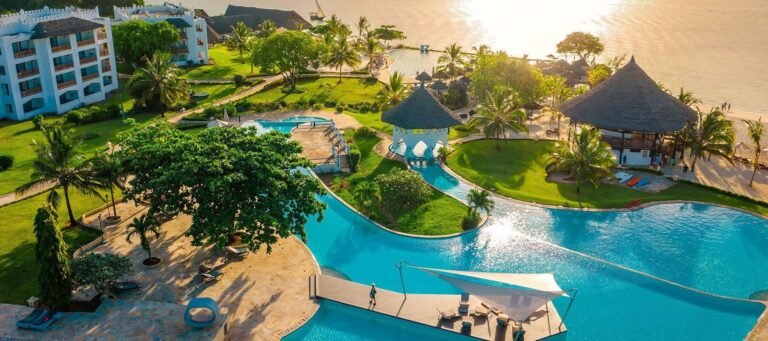
4 Day Tanzania Safari From Zanzibar With Luxury Accommodation 2026-2027
4 Day Tanzania Safari from Zanzibar with Luxury Accommodation is explained with current 2026-2027 planning, price, itinerary and booking information.
View package details
Best 1 Day Tanzania Safari Tours From Zanzibar With Flights 2026-2027
Best 1 Day Tanzania Safari Tours from Zanzibar with Flights is explained with current 2026-2027 planning, price, itinerary and booking information.
View package details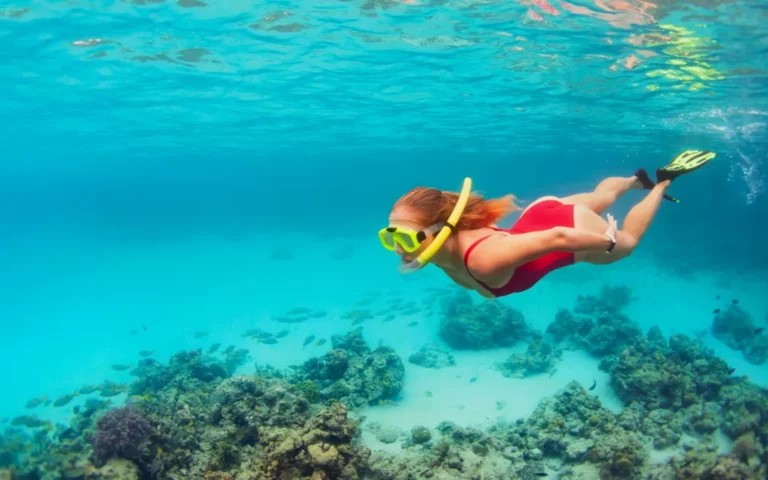
Zanzibar To Serengeti Safari For Couples With Private Accommodation 2026-2027
Zanzibar to Serengeti Safari for Couples with Private Accommodation is explained with current 2026-2027 planning, price, itinerary and booking information.
View package details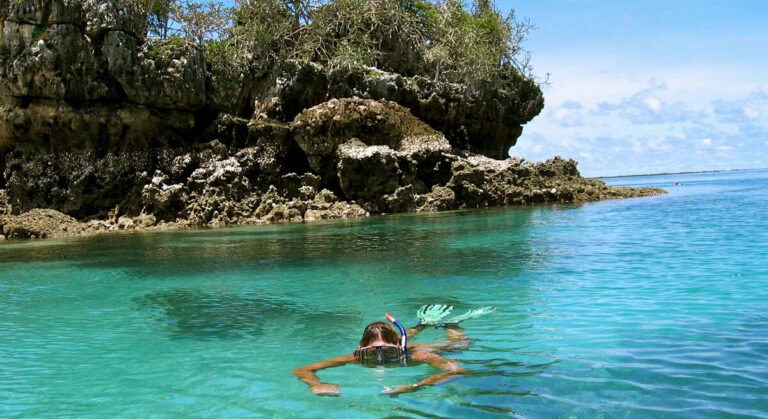
Zanzibar Safari Tours With All Transfers And Park Fees Included 2026-2027
Zanzibar Safari Tours with All Transfers and Park Fees Included is explained with current 2026-2027 planning, price, itinerary and booking information.
View package detailsPrivate Nyerere Safari From Zanzibar With Boat Experience 2026-2027
Private Nyerere Safari from Zanzibar with Boat Safari Experience is explained with current 2026-2027 planning, price, itinerary and booking information.
View package details
Two Day Mikumi Safari From Zanzibar With Flights And Accommodation 2026-2027
Two Day Mikumi Safari from Zanzibar with Flights and Accommodation is explained with current 2026-2027 planning, price, itinerary and booking information.
View package detailsNo closely related package is available yet for this topic.

Our Guest Reviews, Currently Feedback from Clients in 2026
Reviews from different sources, including Google Business, Tripadvisor, other platforms, and social media.