
Serengeti National Park is approximately 325 to 350 kilometers (202 to 217 miles) from Arusha by road to the main southern entry point at Naabi Hill Gate, requiring an average driving time of 7 to 8 hours without long wildlife stops. Reaching the Seronera valley in Central Serengeti extends the journey to around 410 kilometers (255 miles) and 8 to 10 hours, while traveling to the Western Corridor or Northern Serengeti (Kogatende) pushes the road distance to 460 to 550+ kilometers (11 to 14 hours). Because all standard overland routes pass directly through the Ngorongoro Conservation Area, transit requires paying dual conservation fees or breaking the journey overnight in Karatu, Manyara, or the Ngorongoro Crater rim. The primary decision travelers face for 2026-2027 is whether to endure a grueling single-day overland transfer or split the route across multi-day game drives in Tarangire and Ngorongoro.
Exact Road Distances and Drive Times from Arusha to Serengeti Sectors
When asking how far is Serengeti National Park from Arusha by road, the single biggest mistake safari planners make is treating the Serengeti as a single pin on a digital map. Serengeti National Park spans roughly 14,763 square kilometers of open savannah, riverine forest, and rocky kopjes. The distance you cover on tarmac and dirt depends heavily on which sector of the park hosts your camp or matches the seasonal wildlife movements for your travel dates in 2026-2027.
Arusha serves as the undisputed launchpad for Northern Circuit safaris. Departing from the center of Arusha town (around the Clock Tower roundabout), your vehicle proceeds west along the well-paved A104 and B144 highways before meeting the unpaved murram roads that define the Ngorongoro Conservation Area and the southern Serengeti plains. Below is an authentic operational distance and timing breakdown based on realistic custom 4×4 Land Cruiser transit speeds rather than theoretical highway cruising rates.
| Destination / Gate | Distance from Arusha (KM / Miles) | Average Drive Time (Hours) | Road Surface Type | Typical Regional Safari Hub |
|---|---|---|---|---|
| Naabi Hill Gate (South Entrance) | 325 km / 202 miles | 7 to 8 hours | Paved highway to Karatu; rough dirt after Loduare Gate | Southern short-grass plains (Ndutu border) |
| Seronera (Central Serengeti) | 410 km / 255 miles | 8.5 to 10 hours | Paved (170 km), corrugated gravel & washboard dirt (240 km) | Central predator valleys & year-round game hub |
| Kirawira / Grumeti (Western Corridor) | 460 km / 285 miles | 10 to 11.5 hours | Tarmac through Mto wa Mbu, remainder heavily rutted marram | Western river crossing areas (May-July) |
| Lobo / Klein’s (Eastern & North-Central) | 490 km / 305 miles | 11 to 12.5 hours | Extensive washboard tracks, volcanic dust, loose gravel | Resident wildlife & migration transition corridors |
| Kogatende / Mara River (Northern Serengeti) | 540 to 570 km / 335 to 354 miles | 12 to 14 hours (Not recommended in one day) | Challenging volcanic rock, washboard tracks, deep mud pockets | Great Migration river crossings (July-October) |
As the table demonstrates, simply reaching the boundary of the park at Naabi Hill Gate does not mean you have arrived at your lodge. If your accommodations are booked around Seronera, you still have nearly 50 kilometers of slow driving through wild terrain where the official park speed limit is strictly enforced at 50 km/h (31 mph). If you are booked in the far north at Kogatende to witness the Mara River crossings during August or September, driving the entire distance from Arusha in a single day is both unsafe and operationally unfeasible.
Understanding these genuine road measurements helps you choose between a best 3 day safari from Arusha to Serengeti and Ngorongoro or a longer overland itinerary that protects you from exhaustion and leaves ample hours for actual wildlife observation.
Step-by-Step Route Breakdown: From Arusha Town to the Central Plains
The road from Arusha to Serengeti is one of East Africa’s most visually dramatic overland journeys, ascending from the Rift Valley floor to the edge of an ancient volcanic caldera before dropping down onto infinite grasslands. Knowing the key checkpoints along the way allows travelers to prepare mentally and physically for the journey.
Leg 1: Arusha Town to Makuyuni Junction (Approx. 75 km | 1.5 to 2 hours)
Your safari begins by heading west out of Arusha along the paved A104 trunk road. This first section is straightforward, winding through the bustling outskirts of Arusha, past the Arusha Airport (ARK) corridor, and traversing small Maasai settlements. The road here is entirely smooth asphalt. You will encounter several police speed checks and speed humps designed to protect local pedestrian traffic through trading centers such as Kisongo and Monduli Juu junction. At Makuyuni, your driver turns right onto the B144 highway toward Mto wa Mbu and Ngorongoro, leaving the main south-bound highway to Babati and Dodoma behind.
Leg 2: Makuyuni to Mto wa Mbu and Karatu (Approx. 70 km | 1.5 hours)
Continuing on the smooth tarmac of the B144, the route skims the edges of Lake Manyara National Park. You will pass through the vibrant agricultural town of Mto wa Mbu, famous for its red bananas and bustling open-air market stalls. Immediately after leaving Mto wa Mbu, the road climbs steeply up the Great Rift Valley escarpment. The viewpoints here provide panoramic vistas over the shimmering, alkaline waters of Lake Manyara below. From the top of the escarpment, you enter the lush, cool highland hills of the Karatu district, characterized by coffee estates, red clay soils, and thriving farming communities. Karatu is the final town with modern amenities, reliable pharmacies, fuel stations, and mechanical workshops before entering the wilderness reserves.
Leg 3: Karatu to Loduare Gate and Ngorongoro Crater Rim (Approx. 35 km | 1 to 1.5 hours)
Just past Karatu, the asphalt officially ends as you reach Loduare Gate, the southern entrance to the Ngorongoro Conservation Area (NCAA). Here, your guide must present electronic cards and park entry clearance while vehicle permits are validated. Once through the gate, you transition onto unpaved, all-weather gravel that winds upward through dense, mist-shrouded montane rainforest. The road climbs along the eastern rim of the Ngorongoro Crater to an elevation exceeding 2,200 meters (7,200 feet). The air cools dramatically, and cloud cover is frequent. You will pass the spectacular Crater Viewpoint, an essential stop for photos, before the road begins its long, gradual descent toward the arid western side of the conservation area.
Leg 4: Crater Rim to Naabi Hill Gate via Malanja Depression (Approx. 145 km | 3 to 4 hours)
Descending the western slopes of the crater highlands, the montane forests vanish, replaced by dry acacia scrub and the windswept grasslands of the Malanja Depression. You will pass authentic, non-commercial Maasai bomas and herd boys tending cattle along the roadside. Here, the road transforms into classic Tanzanian “washboard” gravel—heavily corrugated tracks where drivers must maintain specific speeds to avoid violent vehicle vibration. The track skirts past the turnoffs for the Olduvai Gorge prehistoric site and the Ndutu plains. After traversing hours of open, semi-arid plains, you arrive at Naabi Hill Gate, a prominent limestone kopje that marks the official border between the Ngorongoro Conservation Area and Serengeti National Park.
Leg 5: Naabi Hill Gate to Seronera Valley (Approx. 50 km | 1.5 to 2 hours)
Naabi Hill serves as the main administrative hub for southern Serengeti. While your driver clears park entrance fees and permits with TANAPA (Tanzania National Parks Authority), visitors can climb the marked trail up the kopje for a impressive 360-degree view over the flat Serengeti plains. Once inside the park gate, your drive shifts into an active game drive. The road through the southern plains to Seronera consists of packed dirt and gravel tracks. Because wildlife roams freely on both sides of the road, your transit speed slows significantly to spot cheetahs resting on mounds, herds of gazelles, and lions sheltering near rocky outcrops.
Essential Road Transit Checkpoints Between Arusha and Central Serengeti
- Total Highway Distance (Tarmac): Roughly 150 km from Arusha to just past Karatu.
- Total Bush Road Distance (Gravel/Dirt): Roughly 260 km from Loduare Gate to Seronera.
- Mandatory Permit Stops: Loduare Gate (NCAA check-in) and Naabi Hill Gate (TANAPA clearance).
- Crucial Rest Stops: Karatu town (last supermarkets and ATMs) and Naabi Hill (toilets, walking trail, coffee shop).
- En-Route Speed Limits: 80 km/h on open paved highway; 50 km/h inside protected park reserves.
Tarmac vs. Corrugated Gravel: What Driving Conditions Are Really Like
One of the most frequent misconceptions travelers have when evaluating how far is Serengeti National Park from Arusha by road is assuming that a 350-kilometer trip in East Africa feels like a 350-kilometer trip on European or North American highways. On modern motorways, 350 kilometers takes roughly three and a half hours. In Tanzania, covering the same distance to the Serengeti requires a full day of demanding vehicle travel.
The first 150 kilometers from Arusha to Karatu offer smooth, high-grade tarmac. However, the moment your vehicle clears Loduare Gate to enter the Ngorongoro Conservation Area, the driving dynamics change entirely. The gravel road over the crater rim and down through the plains is subject to intense, punishing weather patterns and heavy daily traffic from hundreds of heavy safari vehicles and supply trucks.
The Reality of Corrugated “Washboard” Roads
The road spanning the 140 kilometers between the crater descent and Naabi Hill Gate features deep corrugation—closely spaced horizontal ridges worn into the dirt surface by spinning tires. Driving over these tracks creates intense mechanical rattling and steady vibration inside the passenger cabin. Experienced professional guides know how to match vehicle speed to the rhythm of the ridges to soften the impact, but passengers sensitive to motion sickness or back pain must prepare accordingly.
Dust, Volcanic Ash, and Fine Sand
During the dry season (June through October and late December through February), the alkaline volcanic soils of Ngorongoro and southern Serengeti turn into fine, powdery silt. Even with closed windows and pop-up roofs lowered during highway transits, fine dust inevitably penetrates vehicles. Packing high-grade camera bags, dust covers for electronics, lens cleaning kits, and lightweight neck gaiters or scarves is essential for comfort along this stretch.
Mud, Ruts, and Wet Season Hazards
During the rainy months—particularly the long rains of April and May and the short rains of November—the gravel tracks soften dramatically. Certain low-lying sections around the southern plains turn into treacherous “black cotton” clay, a dense mud that expands when saturated and easily traps vehicles without expert 4WD operation and high ground clearance. It is during these periods that having a well-maintained safari vehicle and a skilled, experienced driver-guide becomes critical to staying on schedule.
For those seeking flexibility and maximum comfort without the constraints of rigid schedules, exploring how much extra does a private safari vehicle cost in Tanzania will reveal why dedicated private transport is frequently chosen over crowded shared options for this strenuous overland route.
The Transit Dilemma: Understanding Ngorongoro Conservation Area Road Fees
An overlooked reality of calculating the road journey from Arusha to Serengeti is that there is no public road to the Serengeti from Arusha that bypasses the Ngorongoro Conservation Area. To enter the southern gate of Serengeti National Park, every overland vehicle must cross through the territory administered by the Ngorongoro Conservation Area Authority (NCAA).
This geographic reality creates significant cost and timing implications for 2026-2027 safari itineraries, as the NCAA does not offer free transit concessions for ordinary tourist traffic. Understanding how these fees function helps clarify why travel planners design safari routes the way they do.
How NCAA Transit Permits Operate
When entering Loduare Gate en route to the Serengeti, your tour operator must pay the full Ngorongoro Conservation Area daily entry fee for every client, the vehicle, and the driver. In recent years, transit rules have been strictly enforced:
- 24-Hour Permit Validity: NCAA entry permits are strictly monitored on a 24-hour cycle. If you enter Loduare Gate at 9:00 AM on Monday heading to Serengeti, you must clear back out of Loduare Gate by 9:00 AM on your return day unless your tour itinerary includes an additional paid entry.
- Double Park Fees on Pure Transit Days: If an operator drives you directly from Arusha to Serengeti in one day without stopping to tour the Ngorongoro Crater, they must pay both the Ngorongoro entry fee (approx. $70.80 per adult including VAT) and the Serengeti National Park fee (approx. $82.60 per adult in peak season including VAT) for that single day of travel.
- Transit Window Limitations: NCAA authorities enforce tight transit windows for vehicles crossing between Loduare Gate and Naabi Hill Gate to discourage unauthorized game viewing along the transit highway without proper crater-service permits.
Because paying roughly $150+ per person in combined park and conservation fees just to spend 8 hours driving on a transit road feels counterproductive, most well-crafted safari packages do not attempt a direct, nonstop drive. Instead, they incorporate game activities in parks along the corridor or position the Ngorongoro Crater tour on either the outbound or inbound leg of the safari.
To review a comprehensive breakdown of statutory government charges and reserve entrance fees across all northern parks, examine our detailed analysis on the Tanzania safari cost breakdown including park fees and accommodation.
The Alternative Route: Bypassing Ngorongoro via Lake Victoria and Mwanza
While over 90% of safari departures follow the standard eastern corridor through Karatu and the Ngorongoro Conservation Area, an alternative road route connects Arusha to Serengeti along the western boundary. Understanding this secondary corridor clarifies why most professional tour operators stick strictly to the classic route, while highlighting specific scenarios where the western bypass becomes strategically practical.
The western overland loop departs Arusha, traverses the Great North Road southward toward Babati and Singida, cuts northwest across Shinyanga, and proceeds to Mwanza on the southern shores of Lake Victoria. From Mwanza, the journey continues northeast along paved roads to Ndabaka Gate, the official entry point for the Western Corridor of Serengeti National Park.
| Routing Variable | Standard Route (Via Ngorongoro) | Western Circuit (Via Singida & Mwanza) |
|---|---|---|
| Total Road Distance | 325 km (to Naabi Hill Gate) / 410 km (to Seronera) | 780 to 820 km (to Ndabaka Gate) |
| Total Driving Duration | 7 to 9 hours | 14 to 17 hours (Mandatory overnight stop) |
| Surface Characteristics | 170 km tarmac, remainder gravel and washboard dirt | Roughly 85% paved highway, short gravel access roads |
| Conservation Transit Fees | Requires full 24-hour NCAA entry/transit permit | Zero NCAA fees; you pay only standard Serengeti gate entry |
| Primary Logistical Purpose | Direct transit, classic game-viewing circuits | Commercial cargo, cross-border transit, combining Lake Victoria |
Driving over 800 kilometers across the central plateau to avoid NCAA park fees rarely makes financial or physical sense for leisure travelers. Fuel, vehicle wear, overnight lodging in intermediate towns such as Singida or Mwanza, and lost safari hours completely offset whatever savings might be gained by sidestepping the Ngorongoro entry charges. However, if your itinerary deliberately incorporates freshwater fishing on Lake Victoria, cultural visits in Sukumaland, or transit toward the Kagera region, entering via Ndabaka Gate offers a remarkably quiet, crowd-free gateway straight into the Grumeti river system.
The Realities of Self-Driving from Arusha to Serengeti
The rise of digital navigation apps and independent overland car hire platforms has tempted an increasing number of international travelers to consider self-driving from Arusha to the Serengeti. While the road journey is technically open to anyone holding a valid international driving permit and the funds to pay entrance fees, executing this drive without an experienced Tanzanian driver-guide involves sharp operational risks that standard rental contracts rarely explain in detail.
Mechanical Vulnerabilities and Tire Integrity
The corrugated stretch between Olduvai Gorge and Naabi Hill Gate acts as a high-frequency vibration test for every component on a four-wheel-drive vehicle. Shocks overheat, bolts shake loose from suspension arms, and radiator brackets fracture under relentless oscillation. Standard highway tires suffer sidewall punctures from sharp basalt gravel within kilometers of leaving the tarmac at Karatu.
Commercial safari vehicles run on heavy-duty 6-ply or 8-ply all-terrain (A/T) or mud-terrain (M/T) tires inflated to precise, road-specific pressures. A commercial guide routinely deflates tires to approximately 28–32 PSI upon hitting the washboard gravel to increase the tire footprint, cushion passengers, and prevent punctures. They carry two fully operational spare wheels, a high-lift farm jack, and heavy-duty steel baseplates so the jack does not sink into soft sand during a change. Independent self-drivers commonly rent light SUVs or standard pick-up trucks equipped with a single spare wheel and a tiny hydraulic bottle jack, leaving them immobilized in remote territory where recovery services can take 12 to 24 hours to reach them.
Emergency Towing, Extraction, and Recovery Fees
There is no roadside breakdown assistance service along the 150-kilometer stretch between the Crater rim and Seronera. If a steering knuckle snaps or your transmission fails near the Gol Kopjes, you cannot phone an automobile club. Commercial operators lean on a tight radio network of fellow driver-guides; a stranded guide usually flags down a colleague within 20 minutes to arrange a pull, relay a mechanical message, or transfer guests into a passing vehicle.
Self-drivers without commercial affiliations must negotiate ad-hoc towing fees with passing operators or wait until a workshop mechanic from Karatu or Seronera can be dispatched. A professional vehicle recovery from the southern plains back to Karatu regularly costs between $600 and $1,500, excluding the price of parts and overnight emergency logistics. When evaluating the total expenditure of an independent trip against how much extra a private safari vehicle costs in Tanzania with an experienced driver included, hiring an established operator remains by far the safer and more cost-effective choice.
Fuel Strategy, Consumption, and Vehicle Range Requirements
Calculating your fuel supply is a critical planning detail when driving the road from Arusha to the Serengeti. The math is not as straightforward as multiplying standard highway fuel consumption by the distance indicated on a dashboard odometer.
Where Is the Final Reliable Fuel Stop?
The last major service stations offering commercial pump prices and clean, filtered diesel before you enter the wild sectors are located in Karatu. Beyond Karatu, there are no commercial fuel stations along the entire traverse through the Ngorongoro Conservation Area, across the Malanja Depression, or over the southern short-grass plains.
Within Serengeti National Park itself, limited emergency fuel is sold at the Seronera tourist center. However, fuel at Seronera is priced at a substantial premium—typically 25% to 40% higher per liter than on the open market in Arusha—and stockouts are not uncommon during peak travel months when supply trucks face mechanical delays. In the far north at Kogatende or Lobo, retail fuel is essentially non-existent for independent travelers, available only via private lodge reservoirs reserved strictly for camp-based vehicles.
Fuel Burn Rates on Corrugated Gravel and Sand
A standard 70-series Toyota Land Cruiser with an inline-6 (1HZ) diesel engine averages roughly 7.5 to 8.5 kilometers per liter (11.7 to 13.3 liters per 100 km) on the paved highway between Arusha and Karatu. The moment the vehicle enters the unpaved, undulating tracks of Ngorongoro and Serengeti, that efficiency plummets dramatically.
Running in constant four-wheel-drive, tackling thick volcanic dust beds, powering through washboard ridges, and idling for extended stretches during game observations pushes fuel consumption to 4.5 to 5.5 kilometers per liter (18 to 22 liters per 100 km). If heavy rains turn the southern plains into slippery black cotton soil, consumption worsens further.
| Route Segment / Sector | Typical Fuel Status | Availability & Critical Notes |
|---|---|---|
| Arusha to Karatu (150 km) | Plentiful | Major national brand stations (Total, Puma). Top off completely in Karatu town. |
| Karatu to Naabi Hill (175 km) | Zero Fuel Available | Strict wilderness preserve; no pumps, garages, or repair centers. |
| Seronera Center (Central) | Limited / Premium Price | Government pumps available; payment via electronic card, occasional dry spells. |
| Western Corridor (Kirawira) | No Public Stations | Must divert 45 km west to Bunda town outside Ndabaka Gate if desperate. |
| Northern Serengeti (Kogatende) | Zero Retail Pumps | Vehicles must carry adequate reserves from Seronera or Mugumu town. |
For this reason, every purpose-built safari vehicle working the Arusha-Serengeti overland route is fitted with dual fuel tanks providing an onboard capacity of 160 to 180 liters. This fuel volume gives a heavy Land Cruiser an absolute operating radius of roughly 800 to 1,000 kilometers, enough to depart Karatu fully fueled, spend three full days game-driving the Seronera and Moru Kopjes networks, and return south without facing an emergency refuel crisis.
The Physical Toll of the Overland Drive: Managing the “African Massage”
The term “African massage” is a common safari euphemism for the vigorous, continuous jarring and rocking that passengers experience while traversing corrugated dirt roads. While tourists often chuckle at the phrase during their initial hour off-pavement, six to eight hours of relentless jolting between Karatu and Central Serengeti takes a genuine physical toll on the human body.
Vehicle Ergonomics and Seating Positions
Where you sit in an extended safari Land Cruiser matters significantly during the Arusha to Serengeti overland transit. These vehicles utilize rigid live-axle chassis setups engineered for hauling immense structural weight over boulders, not for touring comfort. The ride is firm, stiff, and unyielding.
- Front Passenger Seat (Next to the Driver): Provides the smoothest ride and the least vertical bounce. Ideal for travelers prone to motion sickness or those with existing lumbar spine issues.
- Middle Row: Balanced compromise between elevation, side visibility, and suspension shock.
- Rear Row (Behind the Rear Axle): Amplifies every bump. Because the rear seats hang behind the vehicle’s rear leaf springs, hitting a sudden pothole or washboard dip creates an exaggerated catapult effect. Travelers with chronic neck or back conditions should avoid sitting in the final row during long cross-country transit days.
Dust Inhalation and Eye Protection
The stretch through the Malanja Depression and the southern plains is blanketed in extremely fine, flour-like volcanic dust known locally as timba. Vehicles moving ahead of you kick up towering dust plumes that hang in the arid air for hundreds of meters. Even with closed windows, positive air pressure forces microscopic silt through rubber window gaskets and tailgate seams.
To keep the journey manageable, travelers should pack a lightweight, washable neck gaiter or buff to pull over their mouth and nose during dry, windy stretches. High-grade artificial tear eye drops are invaluable for flushing grit out of dry eyes after a long afternoon on the trail. Anyone using contact lenses should strongly consider switching to prescription eyeglasses for the road transfer between Karatu and Seronera, as airborne sediment frequently gets trapped behind contact lenses, causing corneal irritation.
Traveling with Children or Elderly Family Members
Because the road trip from Arusha to Serengeti requires sitting in an enclosed, swaying vehicle for long stretches, multi-generational groups need to plan their itinerary rhythm carefully. A schedule that seems minor to two 28-year-old adventure travelers can prove exhausting for an eight-year-old child or a seventy-year-old grandparent.
Restroom Frequencies and Bush Realities
Once you exit the developed trading hub of Karatu, modern sit-down plumbing facilities disappear for hours at a time. The formal rest stops along the road are limited to:
- Loduare Gate (clean, functional flush toilets)
- Ngorongoro Crater Rim Viewpoint (basic facilities, high crowds)
- Olduvai Gorge Visitor Centre (modern, well-maintained facilities, requires museum entry or guide coordination)
- Naabi Hill Gate (large, modern commercial restroom blocks, but heavy lines during mid-day transit surges)
Between these checkpoints, nature stops mean stepping behind the vehicle’s open doors in the open wilderness. Because large predators such as lions, hyenas, and leopards roam the plains around the Gol Kopjes and Naabi Hill, guides must scout the surrounding brush line thoroughly before permitting any passenger to step outside the Land Cruiser. Travelers managing bladder conditions or mobility challenges must discuss comfort requirements with their tour planner beforehand to schedule appropriate, designated comfort breaks.
Pacing Recommendations for Families
If you are traveling as a family, attempting to push straight from an Arusha hotel to a central Serengeti tented lodge in a single day is one of the most common safari planning mistakes. Children become restless, motion sickness risks increase, and vehicle fatigue sets in long before you spot your first pride of lions. When reviewing how much a Tanzania safari costs for a family of four, factor in the value of an intermediate overnight break.
Check Availability for How Far Is Serengeti National Park From Arusha By Road? 2026-2027
Ready to compare dates, prices, and the best option for your group? Send the package name and travel month so the team can reply with a clear quote, availability, and what is included.

Serengeti Safari Packages With Flights From Arusha 2026-2027
Serengeti Safari Packages with Flights from Arusha is explained with current 2026-2027 planning, price, itinerary and booking information.
View package details
Best 3 Day Safari From Arusha To Serengeti And Ngorongoro 2026-2027
Best 3 Day Safari from Arusha to Serengeti and Ngorongoro is explained with current 2026-2027 planning, price, itinerary and booking information.
View package details
Is It Better To Fly Or Drive To Serengeti National Park? 2026-2027
Is It Better to Fly or Drive to Serengeti National Park? is explained with current 2026-2027 planning, price, itinerary and booking information.
View package details
How Many Days Should I Spend In Serengeti National Park? 2026-2027
How Many Days Should I Spend in Serengeti National Park? is explained with current 2026-2027 planning, price, itinerary and booking information.
View package details
Can I Fly Directly From Zanzibar To Serengeti National Park? 2026-2027
Can I Fly Directly from Zanzibar to Serengeti National Park? is explained with current 2026-2027 planning, price, itinerary and booking information.
View package details
Can I Visit Serengeti National Park On A Safari From Zanzibar? 2026-2027
Can I Visit Serengeti National Park on a Safari from Zanzibar? is explained with current 2026-2027 planning, price, itinerary and booking information.
View package detailsCan I See The Great Migration During A 3 Day Serengeti Safari? 2026-2027
Can I See the Great Migration During a 3 Day Serengeti Safari? is explained with current 2026-2027 planning, price, itinerary and booking information.
View package details
Northern Serengeti Migration Safari With Accommodation Near Mara River
Northern Serengeti Migration Safari with Accommodation Near Mara River is explained with current 2026-2027 planning, price, itinerary and booking information.
View package details
Best Serengeti Mara River Crossing Safari Tours In August 2026-2027
Best Serengeti Mara River Crossing Safari Tours in August is explained with current 2026-2027 planning, price, itinerary and booking information.
View package detailsBest Serengeti Safari Tours For Big Five Wildlife Photography 2026-2027
Best Serengeti Safari Tours for Big Five Wildlife Photography is explained with current 2026-2027 planning, price, itinerary and booking information.
View package details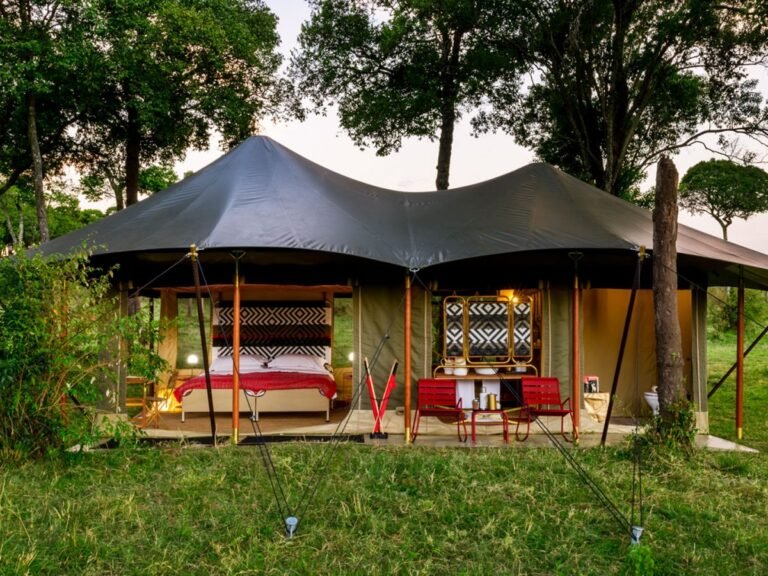
How Much Does A Private Serengeti Safari Cost For Two People? 2026-2027
How Much Does a Private Serengeti Safari Cost for Two People? is explained with current 2026-2027 planning, price, itinerary and booking information.
View package details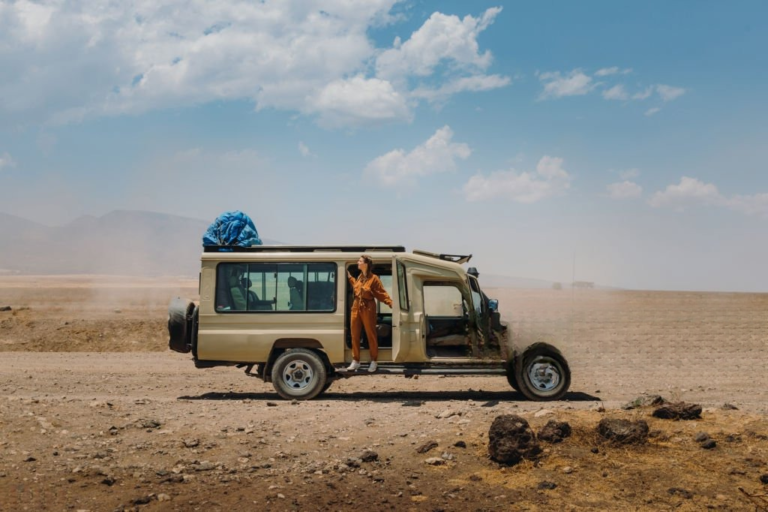
5 Day Serengeti Safari Packages With Luxury Tented Camps 2026-2027
5 Day Serengeti Safari Packages with Luxury Tented Camps is explained with current 2026-2027 planning, price, itinerary and booking information.
View package detailsNo closely related package is available yet for this topic.

Our Guest Reviews, Currently Feedback from Clients in 2026
Reviews from different sources, including Google Business, Tripadvisor, other platforms, and social media.



